Quick Navigation
Let's be honest. You can have the crispiest, juiciest, most perfectly fried chicken, but if the sauce isn't right, the whole experience feels a bit... flat. That's where Karaage sauce comes in. It's not just an afterthought; it's the co-star of the show. If you've ever dipped a piece of Japanese fried chicken into that dark, savory, slightly sweet, and utterly addictive sauce and wondered what's in it or how to make your own, you're in the right place.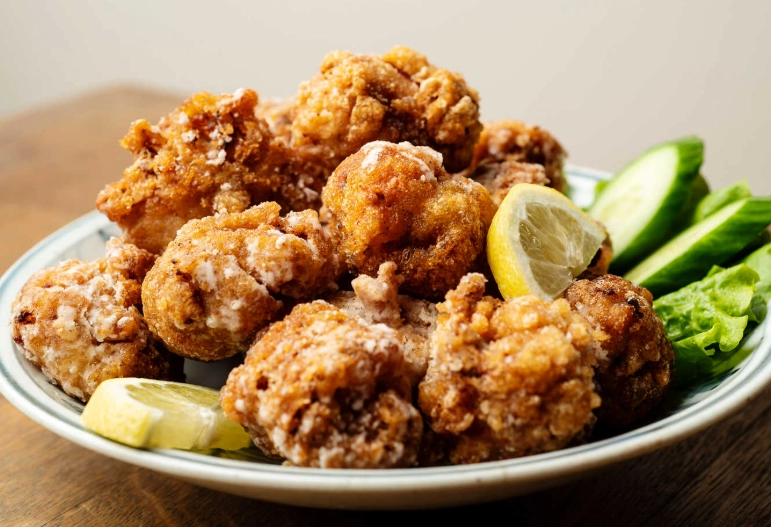
I remember the first time I tried to recreate it at home. It was a disaster. Too salty, too thin, just... wrong. It sent me down a rabbit hole of testing, tasting, and talking to chefs. This guide is everything I wish I had known back then.
What Exactly Is Karaage Sauce?
At its core, Karaage sauce is the dipping sauce traditionally served with Japanese Karaage (から揚げ), which is bite-sized, marinated, and deep-fried chicken (though it can be other proteins). Think of it as Japan's answer to barbecue sauce or gravy—a signature condiment that defines the dish.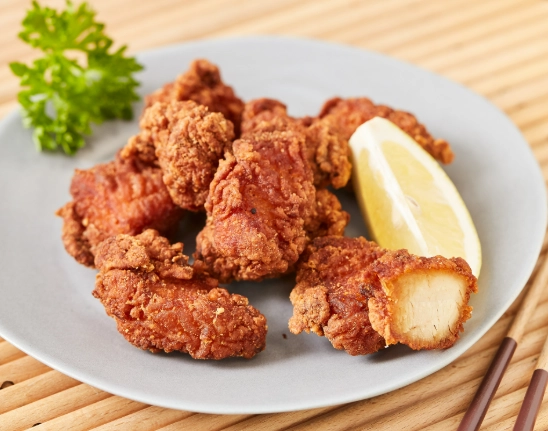
But here's the thing they don't always tell you: there's no one "official" recipe. Ask ten Japanese home cooks, and you might get ten variations. However, they all orbit around a common flavor profile: deeply savory, a touch sweet, with a rounded acidity and a glossy, clinging texture. It's built to cut through the richness of fried food without overpowering it.
It's more than a dip. It's a glaze, a marinade, a dressing.
The Building Blocks: Deconstructing the Flavor
To make or choose a great Karaage sauce, you need to understand its components. Each ingredient plays a specific role.
The Umami Foundation (The Soul)
This is what gives the sauce its deep, savory backbone.
- Soy Sauce: The undisputed king. It provides saltiness and a complex, fermented base. Not all soy sauces are equal. For a more authentic taste, using a Japanese soy sauce (shoyu) like Kikkoman makes a noticeable difference. Their global site has great info on the different types, which is useful if you're diving deep. For a foundational look at soy sauce's role in Japanese cuisine, resources from the Japanese Ministry of Agriculture, Forestry and Fisheries (MAFF) can provide cultural context.
- Mirin: Sweet rice wine. This is crucial. It's not just sweet; it adds a mild acidity and a distinct fragrant sweetness that granulated sugar can't replicate. If you're in a pinch, a tiny bit of sugar mixed with water or a dry sherry can sort of work, but the flavor won't be the same.
- Dashi: Often the secret weapon. A hint of dashi (Japanese soup stock, often from kelp and bonito flakes) adds an oceanic layer of umami that makes the sauce taste profoundly more complex and "restaurant-quality." You can use instant dashi granules.
My two cents: I've tried skipping the dashi, thinking it's optional. It's not. That single ingredient lifts the sauce from "good" to "where has this been all my life?" It's the difference between a flat taste and one with depth.
The Sweet & Sour Balance (The Harmony)
This balances the saltiness and keeps the sauce from being one-dimensional.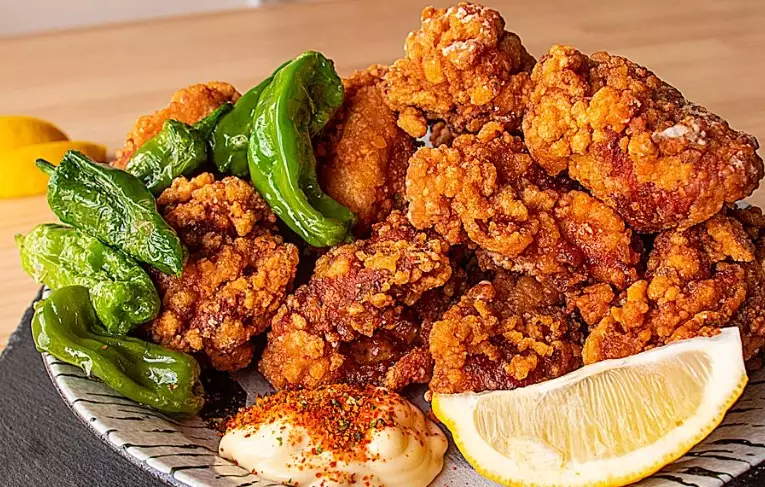
- Vinegar: Rice vinegar is most common. It adds a clean, sharp acidity that brightens everything up. Some recipes use a bit of citrus juice like lemon or yuzu.
- Sugar/Sweeteners: Mirin covers most of it, but some recipes add a touch of sugar or honey for extra body and gloss. Be careful here—too much and your sauce becomes cloying.
The Body & Aroma (The Character)
These are the optional but highly recommended add-ins that personalize your sauce.
- Grated Garlic & Ginger: The dynamic duo. Freshly grated is best. They add pungent, aromatic warmth that pairs perfectly with fried chicken.
- Sesame Seeds/Oil: A sprinkle of toasted white sesame seeds or a few drops of toasted sesame oil adds a wonderful nutty fragrance.
- Chili (Shichimi Togarashi): A pinch of this seven-spice blend adds a subtle heat and citrusy notes.
Pro Tip: Always taste as you go. The perfect Karaage sauce balance is personal. Like it sweeter? Add a touch more mirin. Like it tangier? A splash more vinegar. Make it yours.
Crafting Your Own: A Foolproof Base Recipe
Ready to make it? This is my go-to, all-purpose base recipe. It's a hybrid of several classic methods and is incredibly forgiving.
Homemade All-Purpose Karaage Sauce
(Makes about 1 cup, enough for 4 servings of chicken)
Ingredients:
- 1/2 cup Japanese soy sauce
- 1/4 cup mirin
- 2 tablespoons rice vinegar
- 1 tablespoon sugar (optional, depends on your mirin's sweetness)
- 1/4 cup dashi (or water + 1/4 tsp instant dashi granules)
- 1 teaspoon freshly grated ginger
- 1 teaspoon freshly grated garlic
- 1/2 teaspoon toasted sesame oil
- 1 teaspoon cornstarch mixed with 1 tablespoon water (slurry, for thickening)
How to Make It:
- In a small saucepan, combine everything except the cornstarch slurry.
- Bring the mixture to a gentle simmer over medium heat. Let it bubble lightly for about 3-4 minutes. This cooks off the raw alcohol from the mirin and melds the flavors.
- Give the cornstarch slurry a quick stir (it separates) and slowly drizzle it into the simmering sauce while whisking constantly.
- Keep whisking for another minute or two until the sauce thickens to a glossy, syrup-like consistency that coats the back of a spoon. It will thicken a bit more as it cools.
- Let it cool to room temperature before using. The flavors develop even more after a few hours in the fridge.
See? Not hard at all. The active time is maybe 10 minutes.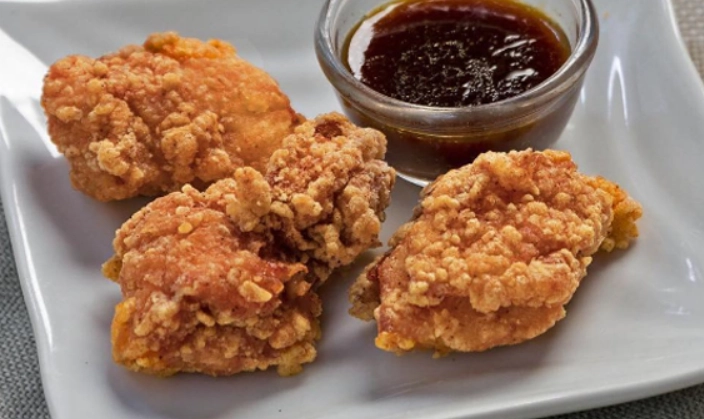
Watch out! Don't just dump the cornstarch slurry in. You'll get lumps. A slow drizzle with constant whisking is the key to a smooth, professional-looking sauce. And don't over-thicken it—it should be pourable, not like pudding.
The Store-Bought Landscape: A Quick Buyer's Guide
Not in the mood to cook? No shame. Japan has fantastic bottled sauces. Here’s a breakdown of the main types you'll find in Asian grocery stores or online.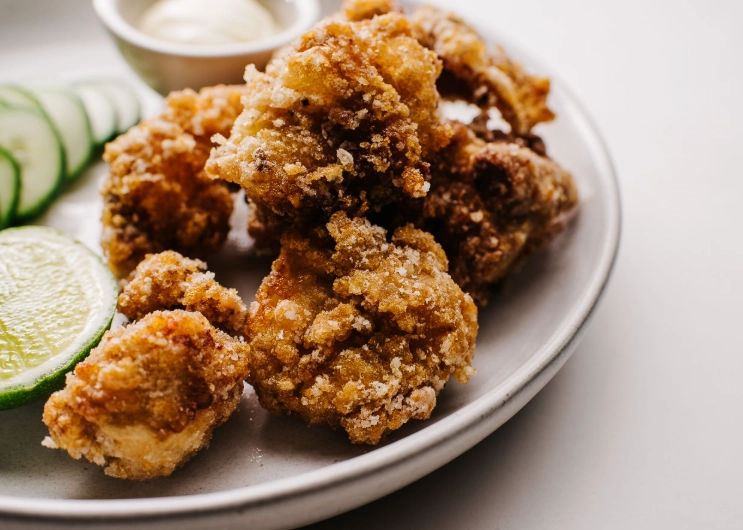
| Brand/Type | Flavor Profile | Best For | My Personal Take |
|---|---|---|---|
| Bull-Dog Vegetable & Fruit Sauce (Tonkatsu Sauce) | Sweet, fruity, tangy, with a vegetable and fruit puree base. Thick texture. | Classic choice. Great for Karaage, tonkatsu, okonomiyaki. A versatile all-rounder. | This is the "ketchup" of Japanese sauces. Reliable, kid-friendly, but can be a bit one-note sweet for some purists. |
| Otafuku Okonomi Sauce | Similar to Bull-Dog but often slightly tangier and less sweet. | Okonomiyaki (its main purpose), but works well with fried foods. | I prefer this over Bull-Dog for a more balanced sweet-sour hit. It has a bit more complexity. |
| Yamasa Yakiniku no Tare | Rich, savory, garlic & sesame forward, less sweet. | While for grilled meat, its bold, savory profile is amazing for a richer Karaage sauce experience. | My secret weapon. Dilute it slightly with a bit of vinegar or lemon juice. It's incredibly flavorful. |
| Specialty "Karaage Sauce" (e.g., Mizkan) | Designed specifically for Karaage. Balanced soy/umami with subtle sweetness. | The obvious choice if you can find it. No guesswork. | Convenient and good, but sometimes I still add a pinch of fresh ginger to make it pop. |
Honestly, most of these are great. The best Karaage sauce for you is the one you enjoy most. I usually have a bottle of Bull-Dog for emergencies and my homemade batch for when I want to impress.
Beyond Dipping: How to Use Karaage Sauce Creatively
This sauce is too good to be limited to just chicken. Once you have a batch, it becomes a kitchen staple.
- The Glaze: Brush it on chicken wings or drumettes during the last few minutes of baking or grilling for a sticky, flavorful finish.
- The Marinade: Thin it out with a little extra dashi or water and use it to marinate chicken thighs or pork chops for a few hours before cooking.
- The Dressing: Whisk a few tablespoons into mayonnaise for an insane burger sauce or dip for fries. Thin it with a neutral oil and a dash more vinegar for a unique salad dressing over crunchy cabbage or cucumber.
- The Stir-fry Boost: Add a splash to your vegetable or chicken stir-fry instead of (or with) oyster sauce for a different flavor dimension.
I've even used it as a base for a noodle soup broth. Just a spoonful with some hot dashi and green onions—it's magical.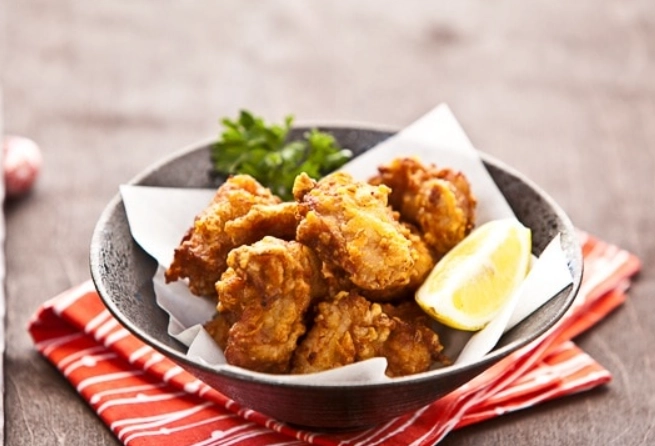
Your Karaage Sauce Questions, Answered (FAQ)
Let's tackle the common stuff that pops up.
How long does homemade Karaage sauce last?
In a clean, airtight jar in the fridge, it'll keep well for 2-3 weeks. The sugar, salt, and vinegar act as natural preservatives. Always use a clean spoon to scoop it out. If you see mold or it smells off (fermented beyond the normal pleasant smell), toss it. For detailed guidelines on homemade sauce storage, the U.S. Food Safety.gov website is a reliable resource for best practices.
My sauce is too thin/thick. How do I fix it?
Too thin: Put it back in a pan. Mix a little more cornstarch with cold water (another 1/2 tsp with 1 tbsp water) and whisk it in while simmering. Too thick: Easy. Just whisk in a tablespoon of warm water, dashi, or even mirin at a time until it's your desired consistency.
What's a good substitute for mirin?
This is the hardest sub. A decent approximation is 1 tablespoon of sugar dissolved in 3 tablespoons of dry sherry or white wine, plus a tiny pinch of salt, for every 1/4 cup of mirin. It won't be perfect, but it'll work in a pinch. Hon-mirin (true mirin) is best, but aji-mirin (seasoned mirin) is the most common and affordable. Serious Eats has done deep dives on mirin substitutes if you're a real ingredient geek.
Is there a vegan Karaage sauce?
Absolutely. The main culprit is the dashi, which often contains bonito (fish). Simply use kombu (kelp-only) dashi or a vegan dashi powder. Ensure your soy sauce and mirin are vegan (most are, but some mirin has additives—check labels). The rest of the ingredients are plant-based.
Can I use it for other cuisines?
Why not? I use it as a dip for sweet potato fries, drizzle it over fried tofu, or even as a condiment for meatloaf instead of ketchup. It's a fantastic all-purpose savory-sweet sauce.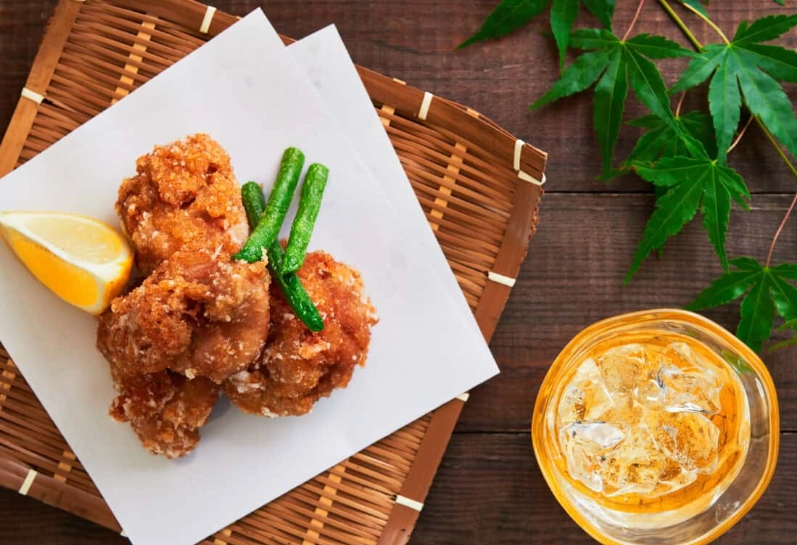
A story: A friend once asked if she could use it on pizza. I was skeptical. She tried it on a leftover slice with some chicken—she said it was weirdly good. I haven't been that brave yet, but it goes to show how versatile this stuff is.
The Final Dip
So, there you have it. Karaage sauce is more than just a condiment; it's a gateway to a specific, wonderful flavor profile that makes simple food sing. Whether you grab a trusted bottle from the store or spend 10 minutes whipping up your own batch, having this sauce in your arsenal is a game-changer.
It transforms not just chicken, but your approach to weeknight dinners. A plate of simply grilled veggies or pan-seared fish becomes something special with a drizzle of this magic liquid.
Don't overthink it. Start simple. Taste often. Adjust to your liking.
That's the real secret to the perfect Karaage sauce—making it yours. Now go forth and dip with confidence.
Reader Comments