Let's be honest. Most chicken miso soup recipes are... fine. They give you a salty, vaguely savory broth with some tofu and green onion floating in it. It's warm. It's food. But it's not the deeply comforting, soul-warming, flavor-packed bowl you get at a good Japanese restaurant or that you imagine making at home.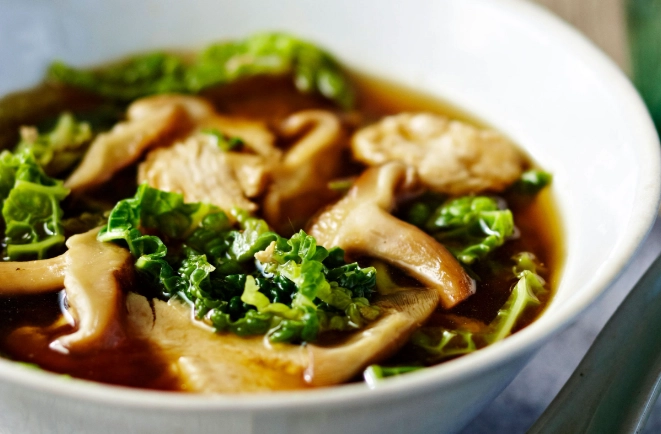
The gap between "fine" and "fantastic" is smaller than you think. It's not about fancy ingredients. It's about a few non-negotiable techniques that most quick online guides skip. I learned this after years of making mediocre soup, until a chef in Kyoto watched me make one critical error and gently showed me another way.
This isn't just another recipe list. It's a blueprint for building flavor from the ground up.
What You'll Find in This Guide
- The Foundation: Why Your Broth Matters Most
- How to Make Chicken Miso Soup: A Step-by-Step Guide
- Choosing the Right Miso: A Flavor Deep Dive
- The 3 Common Mistakes That Ruin Miso Soup
- Beyond the Basics: Pro Add-Ins & Variations
- Is Chicken Miso Soup Actually Good For You?
- Your Chicken Miso Soup Questions, Answered
The Foundation: Why Your Broth Matters Most
Here's the secret they don't tell you: Miso is a seasoning, not a broth maker. If your base broth (dashi) is weak, dumping miso into it is like sprinkling salt on cardboard. You'll taste salt and fermented beans, but no depth.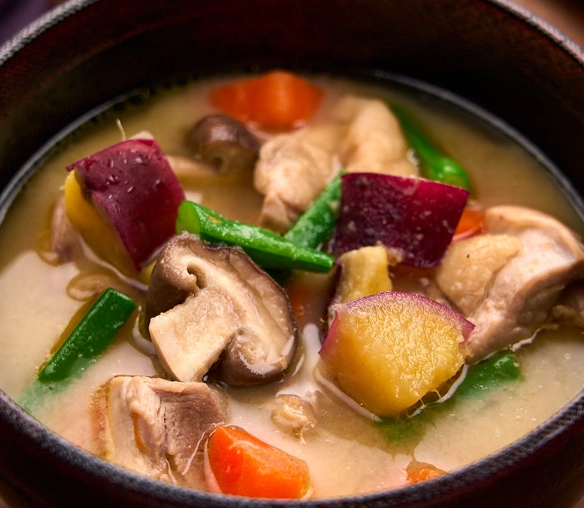
Traditional dashi uses kombu (dried kelp) and katsuobushi (dried bonito flakes). For chicken miso soup, we're building a hybrid. We start with a simple kombu dashi for the oceanic umami base, then we layer the rich, meaty flavors of chicken on top of it.
For the chicken, everyone reaches for breast meat because it's lean. That's the first mistake. You want fat, collagen, and bones. Chicken thighs (bone-in, skin-on) or a whole chicken back are ideal. As they simmer, they release gelatin into the broth, giving it a luxurious mouthfeel that water-thin soups lack.
How to Make Chicken Miso Soup: A Step-by-Step Guide
Let's walk through the process. This isn't a 10-minute dump job. It's about 45 minutes of mostly hands-off time for a result that's in a different league.
What You'll Need (The Short List)
- For the Broth: 4 cups water, 1 piece kombu (4x6 inch), 1 lb bone-in, skin-on chicken thighs, 1 tbsp sake (optional but recommended).
- For the Soup: 4 tbsp miso paste (see next section), 1-2 tsp soy sauce or tamari.
- Add-Ins (Choose a few): 1 block soft tofu (cubed), 2-3 shiitake mushrooms (sliced), a handful of wakame (dried seaweed), 2 green onions (thinly sliced), a handful of spinach.
The Method
- Make the Dashi Base. Wipe the kombu with a damp cloth. Place it in a pot with 4 cups of cold water. Let it soak for 10 minutes, then heat slowly until small bubbles form at the edge. Right before it boils, remove the kombu. (Save it! You can chop and simmer it later with the chicken for extra fiber).
- Simmer the Chicken. Add the chicken thighs to the hot kombu water. Bring to a gentle simmer, skimming off any gray scum that rises. Add the sake if using. Reduce heat, partially cover, and let it bubble softly for 25 minutes.
- Prepare Add-Ins. While the chicken simmers, prep your tofu, mushrooms, etc. If using dried wakame, soak it in a bowl of water for 5 minutes until reconstituted, then drain.
- Shred and Season. Remove the chicken. Let it cool slightly, then shred the meat, discarding skin and bones. Return the meat to the pot. Add any hardy vegetables like mushrooms and simmer for 5 more minutes. Turn off the heat.
- The Critical Miso Step. Ladle about 1/2 cup of hot broth into a small bowl. Add your miso paste. Whisk vigorously until it's a completely smooth, lump-free slurry. Now, stir this slurry back into the big pot. Do not let the soup boil after this point. Boiling kills miso's beneficial enzymes and dulls its flavor.
- Final Assembly. Gently stir in delicate add-ins like tofu, wakame, and spinach. They'll warm through in the residual heat. Taste. The miso adds salt, but you might need a splash of soy sauce for more depth. Serve immediately, garnished with green onions.
See? The active work is minimal. The waiting does the work.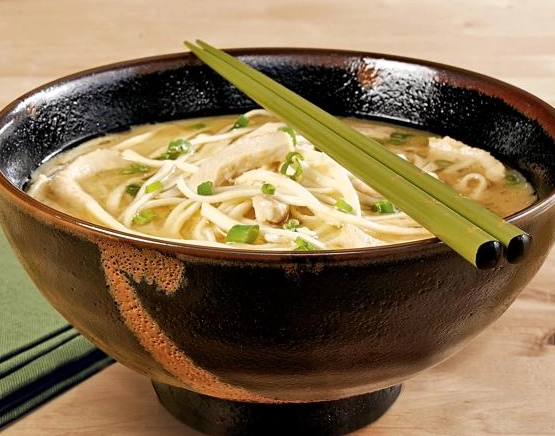
Choosing the Right Miso: A Flavor Deep Dive
Walking into a store and seeing "white," "yellow," "red," and "awase" miso is confusing. It's not about color, it's about fermentation time and ingredients.
| Type | Fermentation | Flavor Profile | Best Use in Chicken Soup |
|---|---|---|---|
| White (Shiro) | Short (weeks) | Sweet, mild, creamy | Great for beginners, light broths. Can be one-note. |
| Yellow (Shinshu) | Medium (months) | Balanced, mellow, slightly salty | The all-purpose workhorse. Reliable, versatile. |
| Red (Aka) | Long (1-3 years) | Salty, robust, deeply savory | Adds punch. Use half red, half yellow for complexity. |
| Awase (Blend) | Varies | Pre-balanced complexity | Excellent choice. Made by producers to be well-rounded. |
My go-to? A 50/50 blend of yellow and red miso. The yellow provides a mellow base, the red adds a funky, salty backbone that stands up to the chicken fat. A study on miso's components published in the Journal of Food Science highlights how these long-fermented misos contain over 100 aroma compounds, contributing to their complexity—something you miss with quick-ferment pastes.
The 3 Common Mistakes That Ruin Miso Soup
- Boiling the Miso. I've said it twice, it's that important. Dissolve off-heat.
- Using Only Miso for Saltiness. Your broth should be lightly seasoned before the miso goes in. A pinch of salt in the dashi-chicken stage creates layers. Miso then becomes a flavor, not just the salt source.
- Overcrowding with Ingredients. This isn't a fridge-cleanout stew. Pick 2-3 add-ins max. Tofu and wakame. Chicken and mushroom. Too many things muddle the clean, restorative quality of the soup.
Beyond the Basics: Pro Add-Ins & Variations
Once you've mastered the standard bowl, play around.
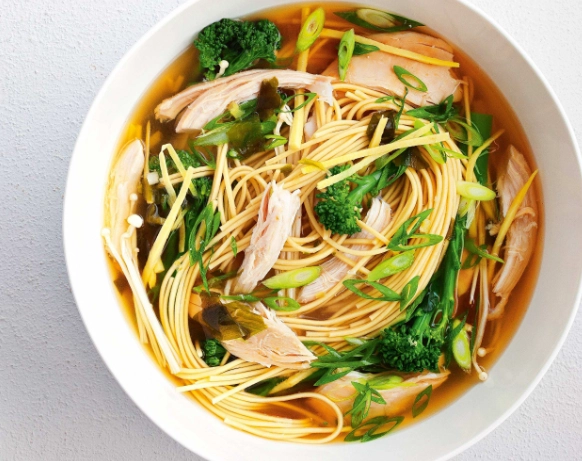
For a Heartier Meal: Add cooked soba or udon noodles directly to the bowl. Or drop in a soft-boiled egg (ramen egg style).
Vegetable Boost: Sauté diced carrots and daikon radish with the mushrooms for a sweeter, root-vegetable base. Add a teaspoon of grated ginger to the broth with the chicken for a warming kick.
The "Lazy Gourmet" Shortcut: No time for dashi? Use a high-quality, low-sodium chicken stock. Dilute it with 25% water. Simmer a 2-inch piece of kombu in it for 10 minutes off the boil before adding your chicken. It's not perfect, but it's a massive upgrade over plain stock.
Is Chicken Miso Soup Actually Good For You?
Yes, but let's be specific. It's not a magic potion, but its components are nutritional powerhouses.
- Miso: A fermented food, meaning it contains live, beneficial bacteria (probiotics) that support gut health. It's also a source of protein, B vitamins, and antioxidants. Research, including work referenced by the International Scientific Association for Probiotics and Prebiotics, suggests regular consumption of fermented foods like miso can contribute to a healthier gut microbiome.
- Chicken Broth: When made from bones, it provides minerals like calcium and magnesium and releases collagen/gelatin, which may support joint and gut lining health.
- Seaweed (Kombu/Wakame): Rich in iodine, essential for thyroid function, and a good source of fiber and minerals.
The catch? Sodium. Miso is salty. A bowl can have 700-1000mg of sodium. If you're watching your intake, use less miso and amplify flavor with more mushrooms, a dash of soy sauce (which you can control), and plenty of aromatics like green onion.
Your Chicken Miso Soup Questions, Answered
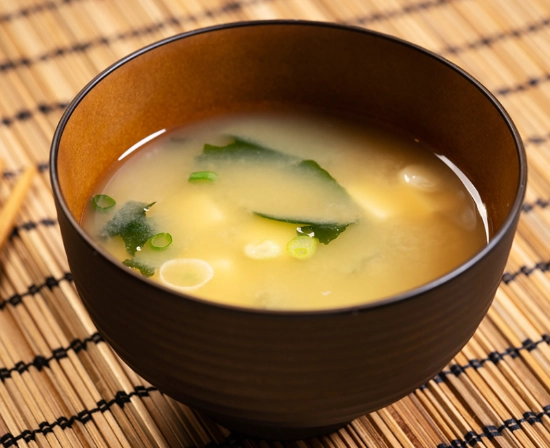
Making exceptional chicken miso soup isn't about culinary wizardry. It's about respecting the process of each ingredient—the slow steep of the kombu, the gentle simmer of the chicken, the off-heat incorporation of the miso. Skip these steps, and you get a pale imitation. Follow them, and you turn water, beans, and a chicken thigh into a bowl of profound comfort.
It's the difference between just eating and feeling nourished.
Reader Comments