Quick Navigation
Let's be honest. When you think of Japanese tempura, what comes to mind? Probably those elegant, single pieces of prawn or eggplant, delicately fried and arranged just so on a plate. It's the poster child. But there's another player in the tempura game, one that's a bit more rustic, generously packed with flavor, and honestly, often way more satisfying in a bowl of noodles. I'm talking about kakiage.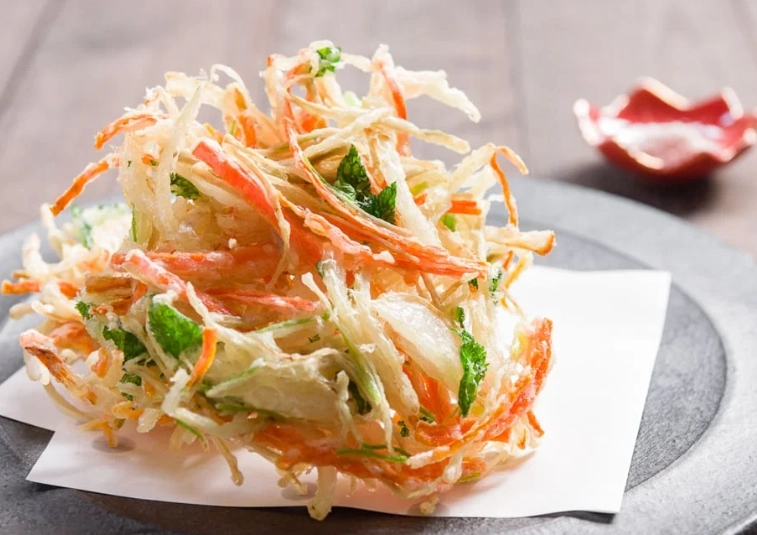
If you've ever had a tempura udon or soba and seen a chunky, fritter-like disc sitting on top, that's it. That's kakiage. It's not as fussy as its solo-item cousins. It's a community of ingredients all fried up together into one delicious, crispy package. And somehow, despite being incredibly common in Japan, it doesn't get nearly the same spotlight outside of it. People ask "what is tempura?" all the time, but "what is kakiage?" remains a more niche curiosity. Let's fix that.
What is Kakiage, Really?
At its core, kakiage (かき揚げ) is a type of Japanese tempura. The key difference is in the form. While standard tempura involves individually coating and frying distinct pieces of food, kakiage is made by mixing small, often shredded or thinly sliced ingredients into a loose batter, then frying them together as one cohesive mass or patty. Think of it as tempura's more freeform, mix-and-match cousin.
The ingredients bind together during frying, creating a single piece that's part crispy lace, part tender filling. The name itself gives a clue: "kaki" comes from "kaku," meaning to scratch or mix, and "age" means deep-fried. So, it's literally "mixed fry."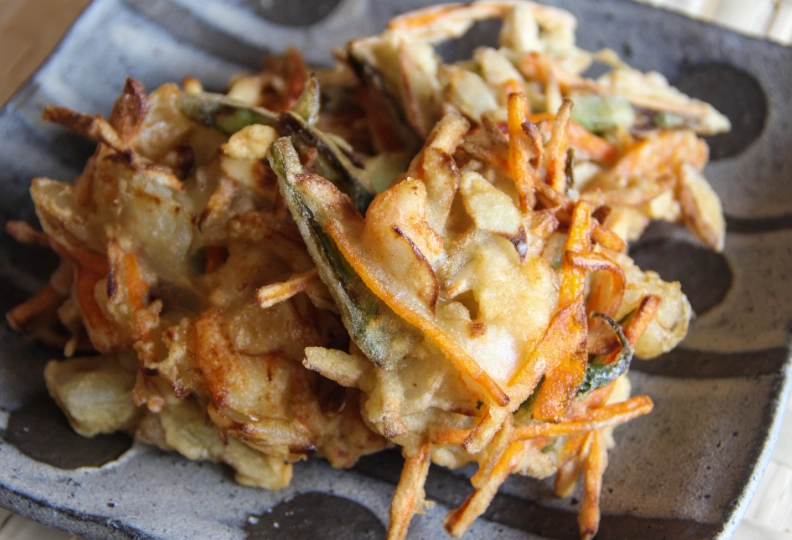
Here’s a quick breakdown of how it stacks up against the tempura you might know better:
| Aspect | Standard Tempura | Kakiage |
|---|---|---|
| Form | Individual pieces (shrimp, squid, vegetable slices). | A mixed fritter or patty. |
| Ingredient Size | Larger, identifiable pieces. | Small, shredded, or julienned. |
| Texture | Uniform crispiness around a whole piece. | Varied: super crispy lacy edges with a denser, tender core. |
| Common Use | Appetizer, main dish with rice. | Topping for noodle soups (soba/udon), donburi (rice bowls), side dish. |
| Perception | Often seen as more formal or refined. | Considered homely, rustic, and economical. |
You see? It's a different beast altogether. Calling it just "mixed tempura" is accurate, but it doesn't capture its unique role in a meal.
The Classic Ingredients: What Goes Into a Kakiage?
The beauty of kakiage is its flexibility. It's a fantastic way to use up bits and pieces of vegetables. That said, there are some classic combinations that just work perfectly. The goal is a balance of flavor, texture, and color.
- The Vegetable Base: Onion is almost non-negotiable. Its sweetness and moisture are crucial. Carrot adds color and a slight sweetness, while gobo (burdock root) provides an earthy, robust flavor and wonderful crunch that holds up to frying. You'll often find these three together.
- The Seafood Boost (Optional but Common): Small shrimp (chopped), shredded squid, or scallops are frequently added to make the kakiage more substantial and umami-rich. A seafood kakiage is a real treat.
- The Wild Cards: Sometimes you'll find sweet potato, shiso leaves (for a herbal punch), or even corn kernels mixed in. It's a forgiving format.
The trick is to cut everything to a similar, small size so they cook evenly and stick together. Julienne or very thin slices are the way to go.
The Origins and Cultural Significance of Kakiage
Tempura's history in Japan is well-documented, tracing back to Portuguese influences in the 16th century. But pinning down the exact origin of kakiage is trickier. It likely evolved as a practical, economical offshoot of tempura. Instead of wasting small pieces of food or using expensive large prawns, cooks began binding cheaper, plentiful vegetables and bits of seafood together.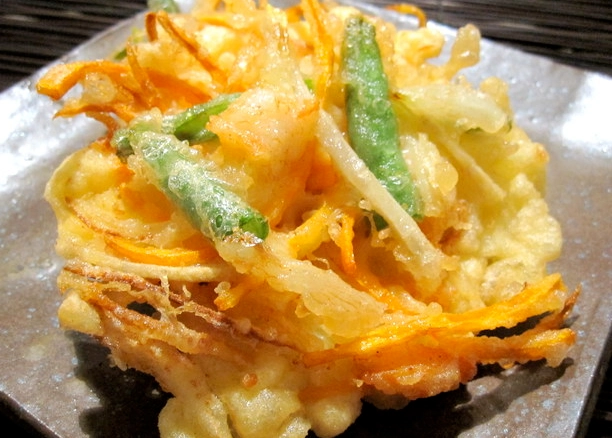
This thrifty ingenuity cemented kakiage's place as a staple of everyday and street food culture in Japan. It's the kind of thing you find at:
- Soba and Udon Shops: The most iconic pairing. A hot or cold noodle bowl feels incomplete to many without a kakiage tempura perched on top. The crispy fritter slowly soaks up the broth, changing texture as you eat—a dynamic experience.
- Tendon (Tempura Donburi) Restaurants: A kakiage donburi, where a large fritter is placed over rice and drizzled with tentsuyu (tempura dipping sauce), is a beloved, filling lunch option.
- Izakayas (Japanese pubs): Served as a shareable side dish, often with a wedge of lemon and a dab of grated daikon.
Its significance lies in its accessibility. While high-end tempura restaurants serve exquisite single-piece items, kakiage remains democratic food. The Japanese Ministry of Agriculture, Forestry and Fisheries (MAFF) often highlights dishes like this that utilize local, seasonal vegetables effectively, promoting both culinary culture and agriculture. You can see how dishes utilizing mixed vegetables feature in their promotional materials for washoku (Japanese cuisine).
How to Make Kakiage at Home: A Realistic Guide
Here's where I think a lot of online guides get it wrong. They make it sound like a flawless, restaurant-style kakiage is easy on the first try. It's not impossible, but there are pitfalls. I've made some sad, falling-apart, or oily versions myself. Let's walk through it, mistakes and all.
The Kakiage Batter: Less is More
The batter is the glue, but you don't want too much of it. A heavy, pancake-like batter will make your kakiage dense and greasy. The ideal tempura batter is icy cold, barely mixed, and lumpy. For kakiage, it's even more critical because the ingredients themselves need to be the star.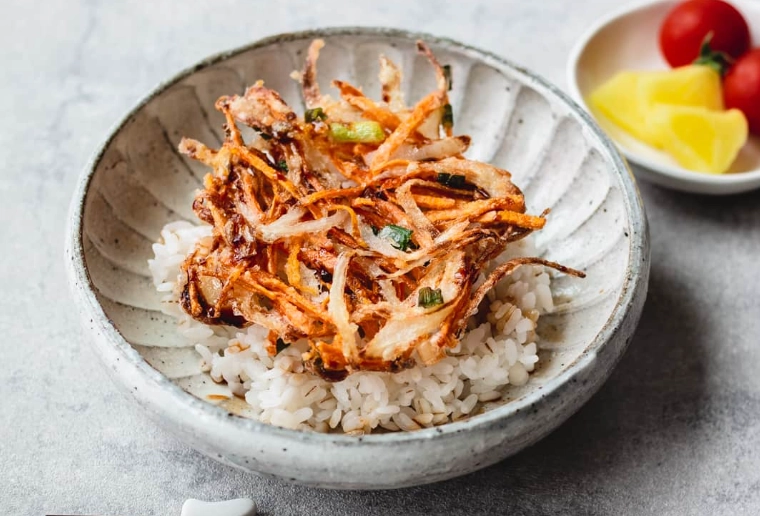
- 1 egg yolk (cold)
- 200ml ice-cold water (I sometimes use sparkling water for extra lift)
- 100g all-purpose flour (cake flour works too for a lighter texture)
Whisk the yolk and water, dump in the flour, and mix with chopsticks just 10-15 times. Lumps are your friend. Keep the bowl nestled in a larger bowl of ice.
Now, the crucial step for kakiage: don't mix the batter directly with the ingredients in the main bowl. Instead, pour a small amount of batter over your prepared veggies/seafood in a separate bowl. Toss gently with your fingers or chopsticks, just until the ingredients are barely coated. You should still see plenty of dry spots. If it looks like vegetable batter, you've gone too far.
Frying: The Make-or-Break Moment
Oil temperature is everything. Too low, and your kakiage will soak up oil and fall apart. Too high, and it'll burn on the outside before cooking through. Aim for 170-180°C (340-355°F). A breadcrumb should sizzle vigorously when dropped in.
- Use a shallow spoon or small skimmer to gather a portion of the mixed ingredients. Gently place it in the oil—don't drop it from a height.
- DO NOT TOUCH IT. For the first minute, just let it set. This is the hardest part. Poking it will cause disintegration.
- After it's set and lightly golden on one side, carefully flip it. I use two chopsticks or small spatulas.
- Fry until golden brown and crispy all over, usually 3-4 minutes total.
- Drain vertically, not flat, on a wire rack. This keeps the underside crispy. Paper towels can trap steam and make it soggy.
Ingredient Prep Checklist for the Best Kakiage
- Dry your veggies: After washing and cutting, spin them in a salad spinner or pat very dry with towels. Water is the enemy of crispiness.
- Season lightly: A tiny pinch of salt on the vegetables before adding batter can help draw out a bit of moisture and season from within.
- Pre-mix dry ingredients: If adding shrimp, toss them in a teaspoon of flour first. This helps them adhere to the vegetable mix better.
Serving and Enjoying Kakiage: Beyond the Noodle Bowl
Sure, plopping it on soba is the classic move. But once you've got a perfectly crispy kakiage, the possibilities open up.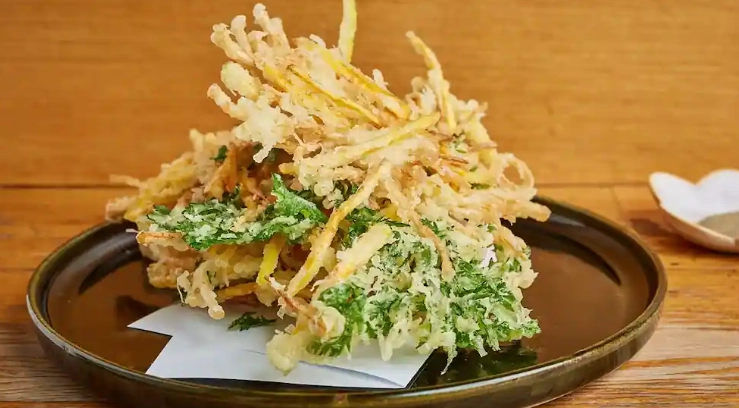
The Traditional Way
With noodles, you typically get a small dish of tentsuyu (a mix of dashi, soy, mirin) on the side. Dip a piece of kakiage, take a bite, then slurp some noodles. Alternatively, you can break it up and let pieces float in the broth. With tendon, the sauce is poured over the rice and kakiage.
Modern Twists and Home Serving Ideas
I love getting creative with leftovers (if there ever are any).
- Kakiage Burger: Sounds weird, but hear me out. Place a small kakiage patty on a soft bun with a smear of Japanese mayo, a bit of shredded cabbage, and maybe a tonkatsu-style sauce. It's incredible.
- Salad Topper: Crumble a cold kakiage over a green salad for an instant crunchy, savory element instead of croutons.
- Breakfast Hash: Chop up leftover kakiage and sauté it with some potatoes and a fried egg on top. Unconventional, but delicious.
The point is, don't feel restricted. Its savory, crispy nature makes it a versatile component.
Nutrition and Health Considerations
Let's not kid ourselves—kakiage is deep-fried. It's not health food. But understanding what's in it can help you enjoy it as part of a balanced diet.
On the plus side, a vegetable-centric kakiage packs in several servings of veggies (onion, carrot, burdock). These provide fiber, vitamins, and antioxidants. If you make it at home, you control the oil quality and absorption. Using fresh oil at the correct temperature minimizes oil retention.
The downside is the obvious: fat and calories from frying, and carbohydrates from the batter. If you're concerned, consider these tweaks:
- Use a light batter and ensure proper frying technique to reduce oiliness.
- Bake it? Some people try baking kakiage. I've done it. The result is... okay. It's more of a vegetable cake—crispy on the very edges, but mostly soft. It scratches the itch in a pinch but isn't a true substitute for the fried version. Manage expectations.
- Serve it with a large portion of non-fried sides, like a big salad or miso soup with plenty of vegetables, to balance the meal.
Resources like the BBC's Good Food guide on balanced diets often note that enjoying fried foods occasionally, as part of a culture-rich and vegetable-heavy meal pattern like the Japanese diet, is perfectly sustainable. The key is frequency and portion size.
Common Questions About Kakiage (Answered)
Finding Great Kakiage: Restaurant Tips
You can't always make it at home. When you're out, how do you spot a good kakiage?
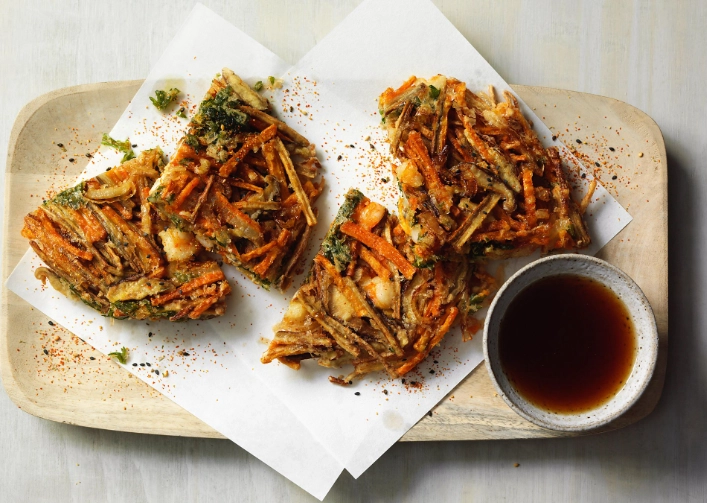
- Look at the texture: It should look lacy and craggy, not like a smooth, dense patty. You should see distinct strands of vegetable.
- Check the color: A uniform golden brown, not pale yellow (undercooked/oily) or dark brown (burnt).
- Listen for the crunch: A good kakiage should have an audible, shattering crispness when you bite into it, even if it's sitting on soup.
- Specialty soba shops are usually a safe bet. They go through them quickly, ensuring freshness.
In the end, kakiage represents a beautiful aspect of Japanese food culture: taking humble, everyday ingredients and transforming them into something special through technique and care. It's less about pristine presentation and more about hearty, satisfying flavor and texture. It's the comforting, crispy workhorse of the tempura world, and it deserves a place at your table, whether in a steamy noodle bowl or on a plate of its own. Give it a try next time you see it on a menu—or better yet, gather some veggies and give the homemade version a shot. You might just find your new favorite way to eat tempura.
Reader Comments