Quick Navigation
- What Exactly Is a Sashimi Salad?
- The Heart of the Matter: Choosing Your Fish
- Beyond the Fish: Building Your Salad Foundation
- The Secret Weapon: Crafting the Perfect Dressing
- Assembly & Presentation: Making it Look as Good as it Tastes
- Common Questions & Headaches (Solved)
- Why Bother? The Final Verdict on Sashimi Salad
Let's talk about sashimi salad. You've probably seen it on menus—this beautiful, vibrant bowl that seems to combine the clean elegance of Japanese sashimi with the hearty, textured feel of a good salad. It's not just a pile of lettuce with some fish on top. A proper sashimi salad is a thoughtful composition, where the freshness of the raw fish is the star, but it's supported by a chorus of crunchy vegetables, aromatic herbs, and a dressing that ties everything together without overwhelming the delicate seafood.
I remember the first time I ordered one, expecting just a fancier version of a seafood salad. What I got was a revelation. The fish was so fresh it practically melted, but it was the combination with the other elements—the sharp bite of daikon, the creaminess of avocado, the nutty sesame—that made it a complete meal. It felt light yet satisfying, healthy but indulgent. That's the magic a great sashimi salad can pull off.
But here's the thing that trips a lot of people up. Making it at home feels intimidating. Is the fish safe? How do I cut it? What on earth do I put in the dressing? I've had my share of kitchen disasters trying to figure it out. A poorly balanced dressing can drown the fish. The wrong greens can make the whole thing wilt into a sad mess. And let's not even talk about the time I used a knife that was anything but razor-sharp. It was more like fish mush than elegant slices.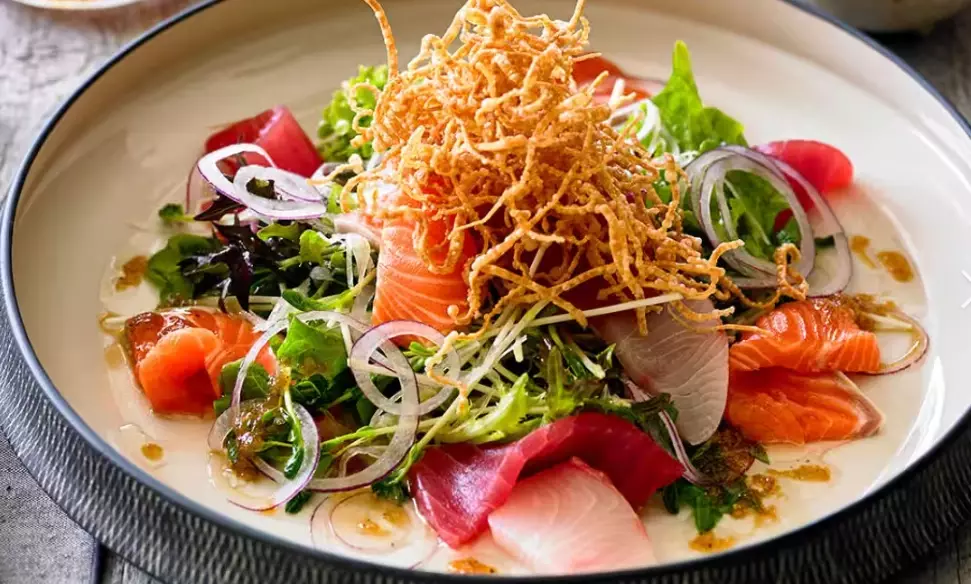
So, is it worth the effort to make your own? Absolutely. When you get it right, it's one of the most impressive, delicious, and healthy things you can put on your table. This guide is here to walk you through every single step, demystify the process, and help you avoid the pitfalls I stumbled into. We'll cover what makes a sashimi salad special, how to choose your fish safely, how to build flavors, and answer all those nagging questions you might be too embarrassed to ask.
What Exactly Is a Sashimi Salad?
It seems like a simple question, but definitions can get fuzzy. At its core, a sashimi salad is a dish where slices of raw, fresh fish or seafood (the sashimi) are served not on their own with just soy and wasabi, but integrated into a bed of salad ingredients. The key word is integrated. The fish isn't just a topping; it's a core component that interacts with the greens, vegetables, and dressing.
Think of it as a bridge between traditional Japanese sashimi and Western salad sensibilities. You get the purity and protein focus of sashimi, but with the volume, texture variety, and nutritional breadth of a salad. It's a complete meal in a bowl. The base isn't always just leafy greens, either. You might find shredded cabbage, mixed baby greens, seaweed (like wakame), or even cold soba noodles forming the foundation.
The dressing is another critical differentiator. While traditional sashimi relies on simple soy-based dips, a sashimi salad dressing is often more elaborate. It needs to coat the salad elements without making the fish soggy or overpowering its delicate taste. Common themes include citrusy ponzu, creamy sesame (goma dare), or light, gingery soy-vinegar blends.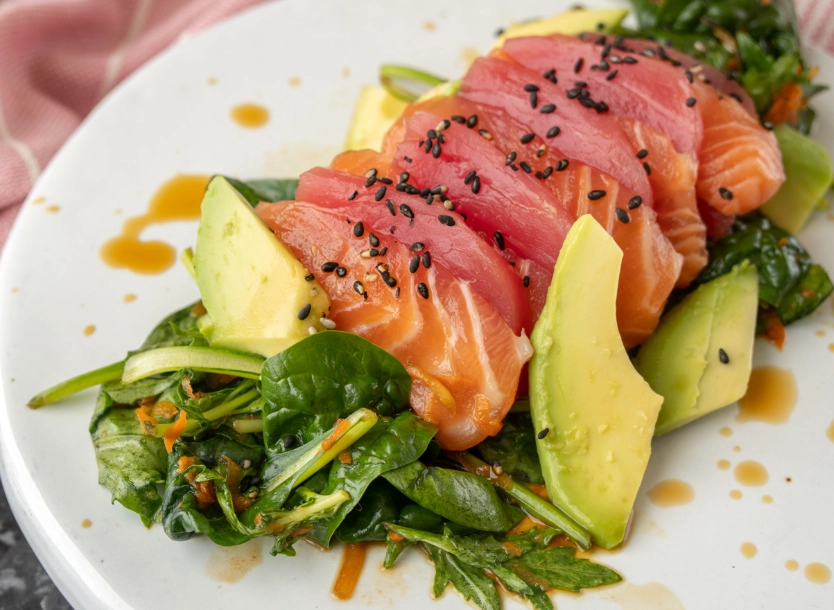
The Heart of the Matter: Choosing Your Fish
This is the make-or-break step. The success of your sashimi salad hinges entirely on the quality and safety of your fish. You cannot, I repeat, cannot use just any piece of fish from the supermarket seafood counter labeled "for cooking."
Sashimi-grade (or sushi-grade) is the term you're looking for, though it's important to know it's not a legal or FDA-defined term. It's more of a industry standard that indicates the fish has been handled, frozen, and stored in a way that makes it safe for raw consumption. This usually involves being flash-frozen at very low temperatures (like -20°F or below) for a specific duration to kill parasites, a practice recommended by the U.S. Food and Drug Administration (FDA).
So, which fish work best? Here's a breakdown of the most common and reliable choices for your homemade sashimi salad, based on flavor, texture, and availability.
| Fish / Seafood | Flavor Profile | Texture | Best Paired With... | My Personal Take |
|---|---|---|---|---|
| Salmon | Rich, buttery, distinctive. | Firm, fatty, silky. | Creamy dressings (sesame), avocado, cucumber, citrus. | The crowd-pleaser. Almost impossible to mess up. Look for vibrant color and firm flesh. |
| Tuna (Ahi/Yellowfin) | Mild, meaty, slightly sweet. | Dense, steak-like, smooth. | Ponzu dressing, ginger, scallions, seaweed, spicy mayo. | Feels substantial. Great for those wary of "fishy" tastes. Can be pricey. |
| Yellowtail (Hamachi) | Rich, full-flavored, slightly oily. | Buttery, tender, melts. | Yuzu-based dressings, jalapeño, microgreens, light soy. | A personal favorite. The flavor is complex and luxurious. Worth seeking out. |
| Sea Bass (Suzuki) | Very mild, clean, subtly sweet. | Delicate, flaky, soft. | Light citrus or vinegar dressings, herbs like shiso, simple greens. | A subtle choice. Let the texture shine. Can be overwhelmed by strong dressings. |
| Scallops | Sweet, briny, clean. | Tender, slightly firm, creamy. | Fruit elements (mango, citrus), cilantro, lime, chili oil. | Slice them horizontally into pretty rounds. Cooks quickly, so ensure they're pristine for raw use. |
You don't have to stick to one. A mixed sashimi salad with 2-3 types of fish can be spectacular. Just think about balance—maybe the richness of salmon with the clean snap of sea bass.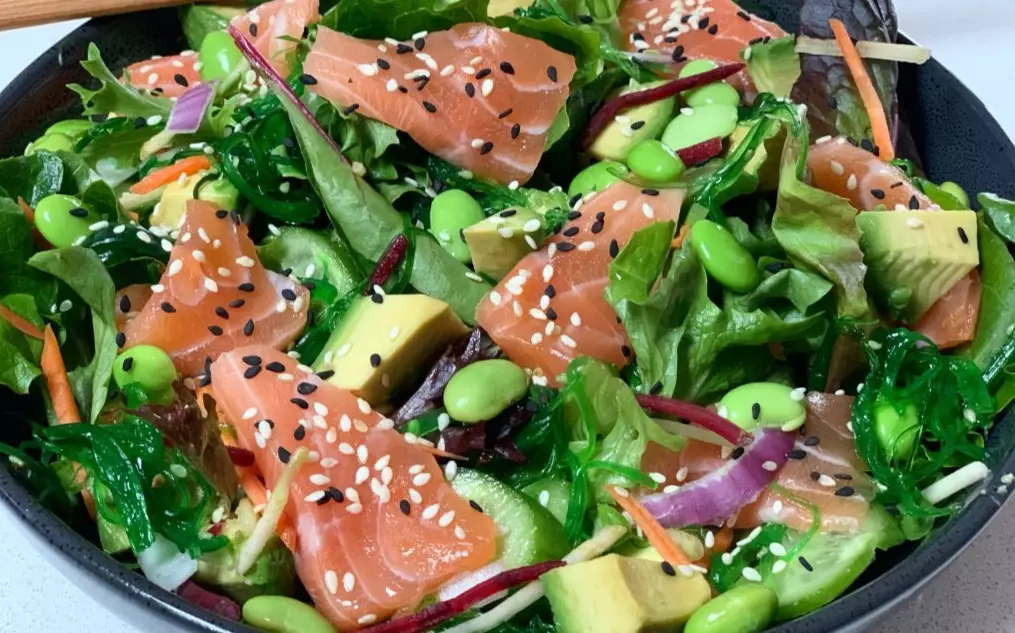
Beyond the Fish: Building Your Salad Foundation
The fish is the star, but the supporting cast needs to be just as strong. This is where you can get creative and use what's in season. The goal is to provide contrast in texture, color, and flavor to complement the fish, not fight it.
Here’s a mental checklist for building your bowl:
- The Green Base: Skip the watery iceberg. Opt for sturdy greens that won't wilt instantly under dressing. Shredded cabbage (green or purple) is a classic—it's crunchy, inexpensive, and holds up for days if you have leftovers. Baby kale, spinach, arugula (for a peppery kick), or mixed baby greens also work well. Some people love adding seaweed salad or rehydrated wakame for an authentic oceanic touch.
- Crunchy Vegetables: Cucumber (seeded and sliced or made into ribbons with a peeler), julienned carrots, radishes (daikon or red radish), bell pepper strips, or sugar snap peas. They add a refreshing crispness.
- Creamy Elements: Avocado is almost non-negotiable in my book. Its creaminess pairs perfectly with the silky fish. Ripe mango can play a similar sweet, soft role.
- Aromatics & Herbs: This is where big flavors live in small packages. Thinly sliced scallions (green onions), shredded shiso leaf (if you can find it), cilantro, mint, or microgreens add pops of fresh flavor that cut through the richness.
- Toasted Elements: A sprinkle of toasted sesame seeds, chopped peanuts, or even crispy fried shallots or garlic adds a final layer of texture and nutty aroma. It makes the whole dish feel finished.
Two Salad Base Approaches
You can think about your foundation in two ways: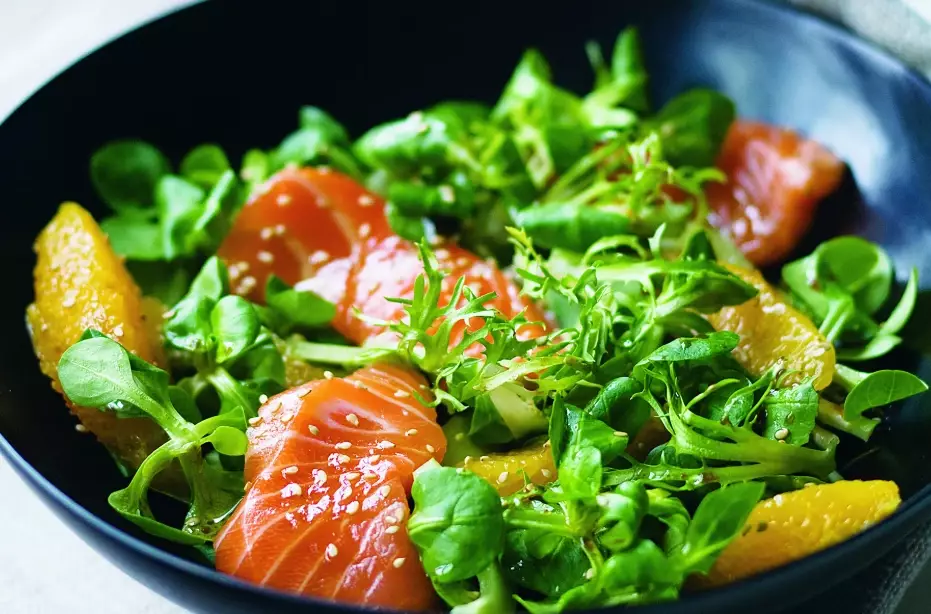
The Traditional Japanese-Inspired Base: Shredded cabbage, cucumber, daikon radish sprouts (kaiware), wakame seaweed. Clean, crisp, and minimalist, letting the fish truly shine.
The Modern Fusion Base: Baby spinach or arugula, avocado, mango, cherry tomatoes, edamame, red onion. Bolder, sweeter, and more colorful, often paired with richer dressings.
There's no wrong answer. I often do a hybrid—cabbage for bulk and crunch, a handful of arugula for pepperiness, and always avocado.
The Secret Weapon: Crafting the Perfect Dressing
The dressing can elevate your sashimi salad to heavenly heights or sink it into a soggy, over-seasoned abyss. The golden rule? Season the salad, not the fish directly. Toss your greens and veggies lightly in the dressing first, then artfully arrange the fish on top. This way, the fish stays pristine and you control the flavor in every bite.
Here are three foundational dressings you can whip up in minutes. Each serves a different mood.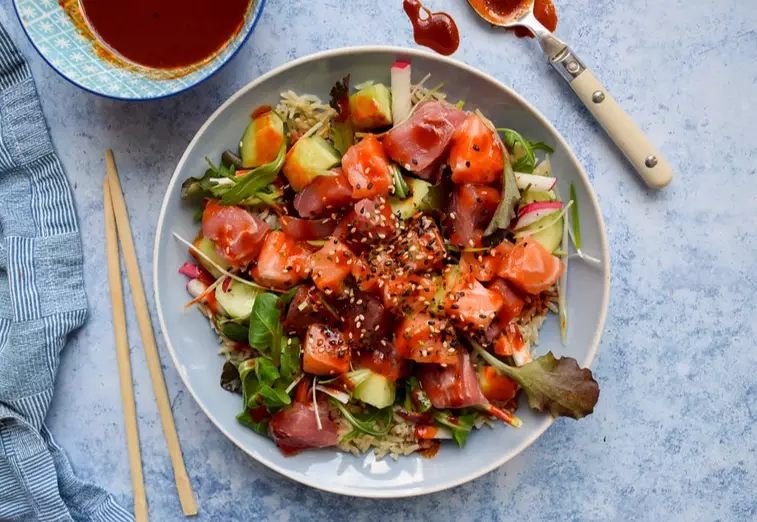
1. The Classic Citrus Ponzu
Bright, tangy, and umami-rich. This is my go-to for white fish like sea bass or flounder. Ponzu is a Japanese citrus-soy sauce, and you can buy it bottled or make a quick version. Mix 3 parts ponzu (or a mix of 2 parts soy sauce, 1 part fresh lemon or yuzu juice, a dash of rice vinegar) with 1 part mild oil (like grapeseed). Add a tiny bit of grated ginger and a pinch of sugar. Whisk. It's light enough to not overpower.
2. The Creamy Sesame (Goma Dare)
Rich, nutty, and deeply satisfying. Perfect for salmon and tuna. In a blender or jar, combine 1/4 cup tahini (or Japanese sesame paste), 2 tbsp soy sauce, 1.5 tbsp rice vinegar, 1 tbsp mirin (or a pinch of sugar), 1 tsp grated ginger, and 1 small minced garlic clove. Blend, slowly adding water until it reaches a creamy, pourable consistency. Taste for balance. This one is addictive.
3. The Spicy Yuzu Mayo
A crowd-pleaser with a kick. Great for a more indulgent feel. Mix 3 tbsp Japanese Kewpie mayo (it's sweeter and tangier than American mayo) with 1 tbsp yuzu juice (or lime/lemon juice), 1 tsp sriracha or chili garlic sauce, and 1 tsp soy sauce. Thin it out with a teaspoon of water if needed. Drizzle this over the top after assembling, rather than tossing the greens in it.
Honestly, sometimes I just do a super simple dressing of good-quality extra virgin olive oil, a squeeze of lemon, a drop of soy sauce, and a crack of black pepper. Don't overcomplicate it if you don't want to.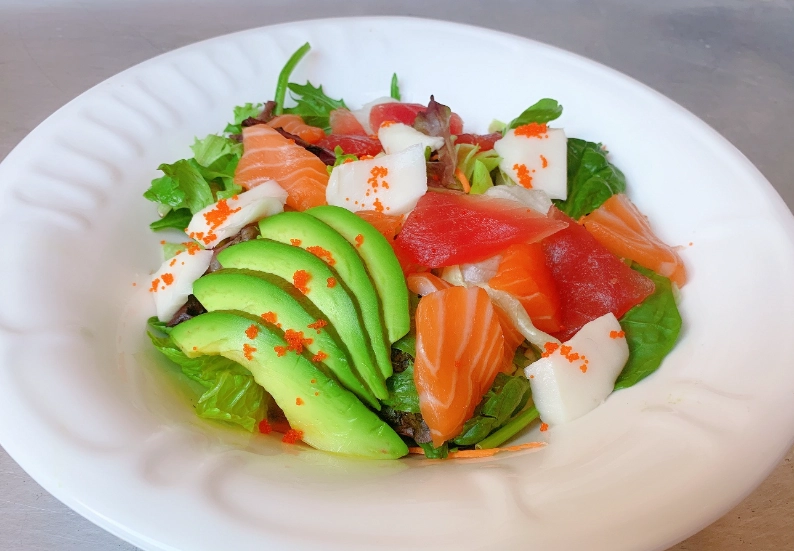
Assembly & Presentation: Making it Look as Good as it Tastes
You've got your pristine fish, your crunchy veggies, your killer dressing. Now, bring it all together.
- Chill Your Bowl: Seriously. A cold bowl keeps everything fresher longer. Pop your serving bowls in the freezer for 10 minutes.
- Toss the Base: In a large bowl, combine your greens and crunchy vegetables. Add just enough dressing to coat them lightly—you can always add more. Toss gently with your hands or salad tongs.
- Plate the Base: Arrange the dressed greens in your chilled bowls. Create a slight well or mound in the center for visual interest.
- Add Creamy Elements: Artfully place slices of avocado or mango around or on top of the greens.
- The Grand Finale—The Fish: Take your sliced fish and arrange it on top. You can fan it out, lay it flat, or even roll it into little roses. Let it be the jewel on top.
- Garnish: Scatter your aromatics (scallions, herbs), then your toasted elements (sesame seeds). If using a drizzle dressing like the spicy mayo, add it now in zig-zags or dots.
And that's it. Serve immediately. A sashimi salad waits for no one.
Common Questions & Headaches (Solved)
I get a lot of questions about this dish. Here are the ones that pop up most often.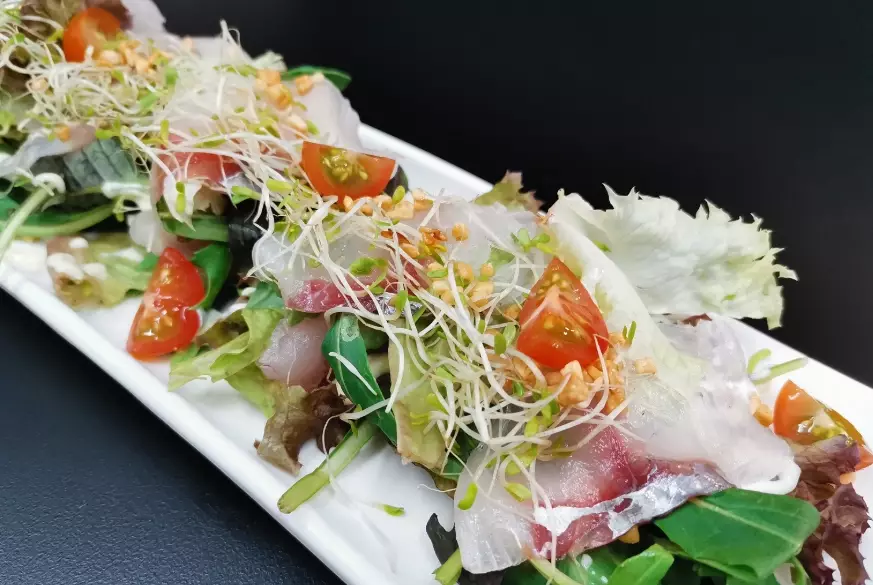
Why Bother? The Final Verdict on Sashimi Salad
In a world of heavy meals and complicated recipes, a well-made sashimi salad is a breath of fresh air. It's a celebration of pristine ingredients, simple techniques, and clean eating. It's protein-packed, loaded with vegetables, and can be tailored to your exact taste preferences.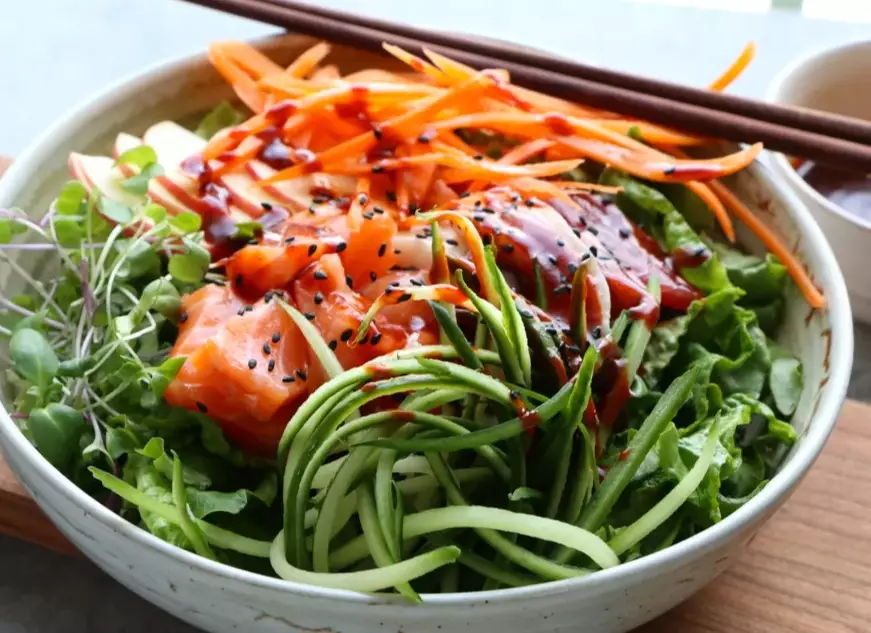
Is it a bit of a project? Sure. Sourcing the fish requires attention. The assembly asks for a bit of care. But the payoff is immense. You get a restaurant-quality dish that feels luxurious and healthy at the same time. You gain the confidence to handle beautiful seafood. And you have a stunning meal you can put together in under 30 minutes if all your components are prepped.
So go ahead, find a good fishmonger, sharpen your knife, and give it a try. Your taste buds will thank you.
Reader Comments