Quick Navigation
- Breaking Down the Flavor Profile: It's More Than Just Pork
- What's in the Pot? The Ingredients That Build the Flavor
- Tonkotsu vs. Other Ramen Broths: A Flavor Comparison
- Regional Twists on the Tonkotsu Flavor
- Beyond the Broth: How Toppings Change the Game
- Answering Your Burning Questions (FAQ)
- Can You Make It at Home? The Reality Check.
- The Final Sip: More Than Just a Taste
So you want to know what the flavor of tonkotsu is all about. Maybe you saw a picture of that creamy, white broth on social media, or you had a bowl at a restaurant and your mind is still trying to process the experience. I get it. The first time I had a proper bowl, I was stunned. It wasn't just "soup." It was something else entirely.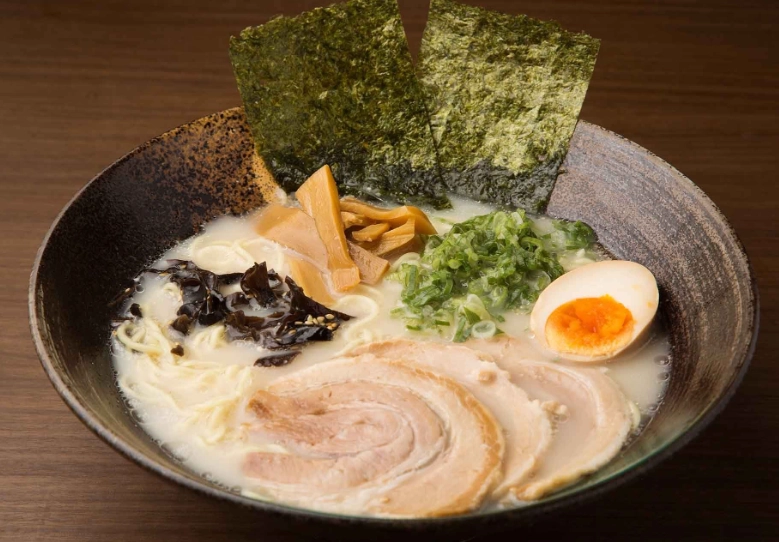
Let's cut straight to it. Trying to describe the flavor of tonkotsu in one word is impossible. If you forced me, I'd say "umami bomb," but that doesn't even scratch the surface. It's a whole experience. It's rich, it's meaty, it's creamy without any dairy, and it has this deep, lingering savory quality that coats your entire mouth. There's a slight sweetness from the bones, a background note of garlic and ginger (usually), and a profound porkiness that is unmistakable.
People often confuse it with just being "fatty." And sure, the mouthfeel is unbelievably rich. But the flavor? It's layered. Think of the difference between a thin beef consommé and a rich French demi-glace. Tonkotsu is the demi-glace of the pork world.
Breaking Down the Flavor Profile: It's More Than Just Pork
Okay, let's get into the nitty-gritty. When you ask "what is the flavor of tonkotsu?" you're really asking about a combination of taste, aroma, and texture. They're inseparable here.
The Core Taste: Umami, Salt, and a Hint of Sweet
The primary taste sensation is umami—the savory, mouthwatering fifth taste. This comes from the glutamates and inosinates breaking out of the bones and connective tissue. Then you have salt, of course, from the tare (seasoning sauce) added to the bowl. But there's also a very subtle, almost caramel-like sweetness that comes from the marrow and the bones themselves as they break down. It's not a sugary sweet, but a deep, roasted meat sweetness.
The Aroma: Pungent, Meaty, and Sometimes Funky
Stick your nose over a real bowl. The aroma is potent. It's deeply porky, sometimes with a roasty, almost nutty edge. In some shops, especially in Kyushu where tonkotsu originated, there can be a slight, deliberate "porky" funk. It's not for everyone, but for enthusiasts, it's a sign of authenticity. You'll also commonly smell black garlic oil (mayu), roasted sesame, and the aroma of the scallions and wood-ear mushrooms floating on top.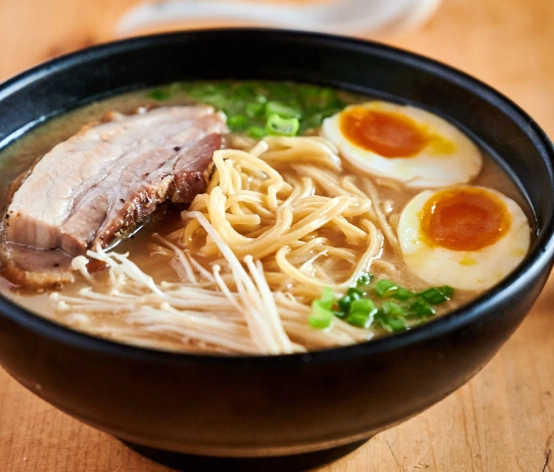
I remember walking into a famous ramen-ya in Fukuoka. The smell hit me first—a warm, humid, meat-scented cloud. That's the aroma of dedication, of bones boiling for 18 hours straight.
The Mouthfeel: The Real Secret Weapon
This might be the most important part of the answer to "what is the flavor of tonkotsu?" Because the flavor is tied directly to the texture. The broth is thick, creamy, and velvety. It coats your noodles perfectly and leaves a lingering, lip-smacking film on your lips. That unctuous, rich mouthfeel amplifies the savory flavors and makes them last longer. A thin broth couldn't deliver the same flavor punch.
It's satisfying in a deeply physical way.
What's in the Pot? The Ingredients That Build the Flavor
You can't understand the flavor without knowing what goes in. It's surprisingly simple, which makes the complex result even more magical.
- Pork Bones: The undisputed star. Femur bones, neck bones, trotters (feet), and sometimes spine bones are used. Trotters are loaded with collagen, which gives the broth body. Marrow bones contribute fat and richness. Each bone type adds a different note to the symphony of tonkotsu flavor.
- Water: Just water. But the boiling process reduces it dramatically, concentrating everything.
- Aromatics (sometimes): This is where recipes diverge. Some purists use only bones and water. Most add garlic, ginger, green onions, and sometimes onions to the boil. These aren't there to make the broth taste like garlic, but to add a background layer of aromatic complexity that supports the pork.
- Fatback or Pork Fat: Often added extra to boost the richness and mouthfeel.
The process is everything. A rapid, rolling boil—not a gentle simmer—is key. This violent cooking emulsifies the fat, marrow, and collagen into the water, creating the signature white color and creamy texture. It's hard work. The pot needs constant attention, skimming, and water top-ups. This isn't a "set it and forget it" soup.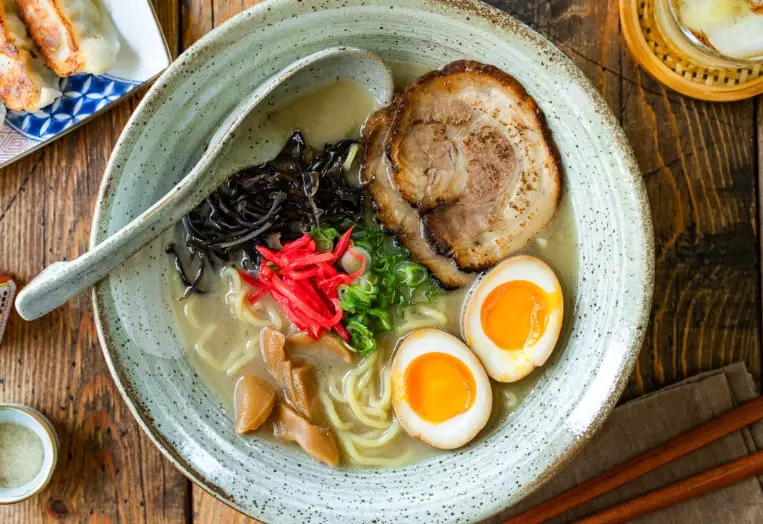
Tonkotsu vs. Other Ramen Broths: A Flavor Comparison
This is where things get interesting. To truly grasp what the flavor of tonkotsu is, it helps to see what it's *not*. Let's put it side-by-side with its ramen brothers.
| Broth Type | Base Ingredient | Cook Method | Key Flavor Profile | Texture & Color |
|---|---|---|---|---|
| Tonkotsu | Pork Bones | Long, Rolling Boil (12-18+ hrs) | Intensely savory, creamy, rich, pork-forward, umami-heavy. | Opaque, creamy white, velvety, thick. |
| Shoyu | Chicken/Pork/Combo | Simmer | Clear, savory, and salty with a pronounced soy sauce tang and aroma. | Clear to light brown, light-bodied. |
| Shio | Chicken/Pork/Seafood | Simmer | Delicate, clean, salty, designed to highlight the natural flavors of the base. | Clear to very light golden, very light-bodied. |
| Miso | Chicken/Pork + Miso Paste | Simmer/Blend | Complex, fermented, nutty, sweet, and savory all at once. Can be rich or hearty. | Cloudy, ranging from light to thick, often with miso sediment. |
See the difference? The flavor of tonkotsu stands out for its sheer weight and intensity. Shoyu is more about balance and aroma, Shio about purity, and Miso about fermented complexity. Tonkotsu is about luxurious, meaty indulgence.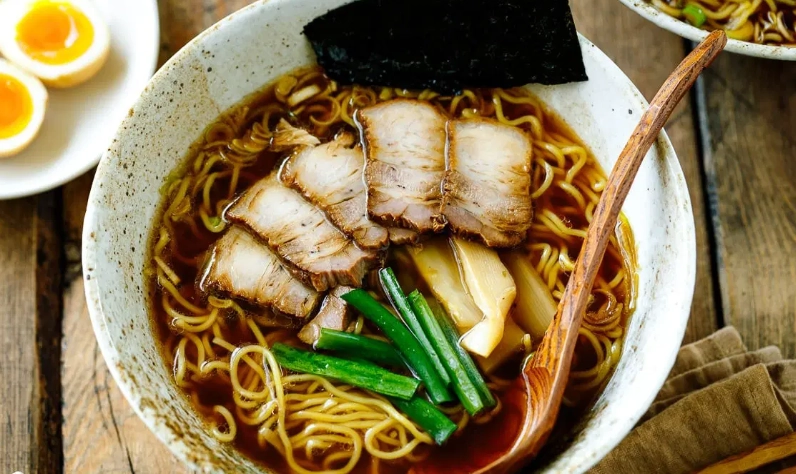
I made a shio ramen at home once. It was lovely, light, and refreshing. Then I tried tonkotsu. It was a different league—a meal in a bowl, a comfort food that felt almost therapeutic.
Regional Twists on the Tonkotsu Flavor
Not all tonkotsu tastes exactly the same. Across Japan, different regions and even individual shops (ramen-ya) put their spin on it. This adds another layer to answering "what is the flavor of tonkotsu?"—it depends on where you are!
Kurume Tonkotsu, also from Kyushu, is often considered the origin. They use a method called "kusumi" where old broth is left in the pot and new bones/water are added daily for years, even decades. This creates a deeper, darker, and more robust flavor—some say more "gamey" or funky. It's an acquired taste for some, but heaven for purists.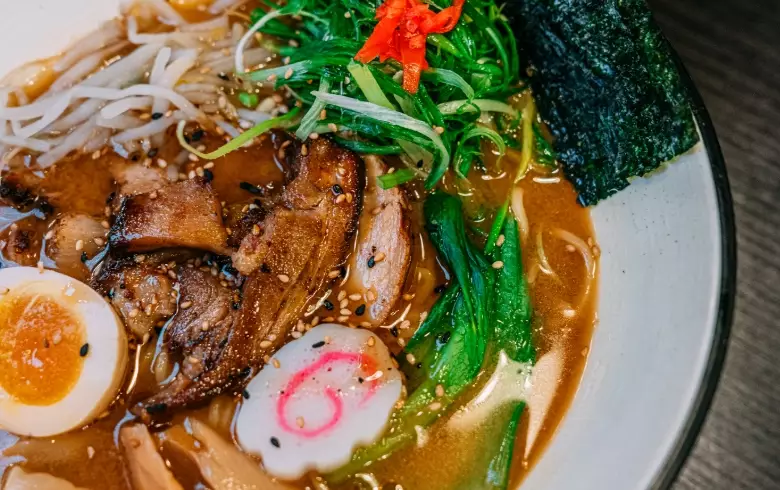
Then you have modern spins. In Tokyo, you might find a Tonkotsu-Shoyu blend, where the rich pork broth is cut with a soy-based tare, creating a complex, rich-but-not-overwhelming flavor. It's a great gateway bowl if you find pure Hakata style too heavy.
This variety is part of the fun. Exploring the different answers to "what is the flavor of tonkotsu?" is a journey in itself.
Beyond the Broth: How Toppings Change the Game
The broth is the star, but the supporting cast dramatically shapes your final sip. The flavor of tonkotsu in your bowl is a collaboration.
- Chashu (Braised Pork Belly or Shoulder): Adds layers of sweet, soy-braised pork flavor. Fat from the chashu melts into the broth, enriching it further.
- Kikurage (Wood Ear Mushrooms): Provide a crunchy texture and a mild, earthy note that contrasts the richness.
- Menma (Seasoned Bamboo Shoots): Offer a fermented, salty-sweet crunch and a distinct aroma.
- Negi (Spring Onions): The sharp, fresh, peppery bite cuts through the fat and refreshes your palate.
- Tamago (Seasoned Soft-Boiled Egg): The creamy, slightly sweet yolk mingles with the broth, creating moments of decadent, silky harmony.
- Mayu (Black Garlic Oil): This is a game-changer. A drizzle of this burnt garlic oil adds a smoky, bitter, intensely aromatic layer that complements the pork fat beautifully. It transforms the bowl.
My personal must-haves? Extra negi and a heavy drizzle of mayu. The bitter smokiness of the mayu against the creamy pork is a combination I dream about.
Answering Your Burning Questions (FAQ)
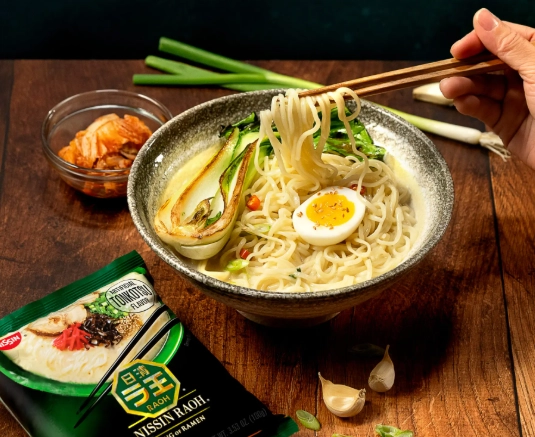
1. Not enough bones, or the wrong bones: You need a high bone-to-water ratio, and you need collagen-rich bones (trotters are key).
2. Not boiling hard enough: A gentle simmer won't emulsify. You need a raging, rolling boil to blast the fat and marrow into the water.
3. Not cooking long enough: Eight hours is a minimum. Twelve is better. The flavor and body come from extreme reduction and extraction.
Can You Make It at Home? The Reality Check.
You can. I've done it. But I need to be brutally honest: it's a project. It's time-consuming, messy (bone splatters), and will make your kitchen (and possibly your whole home) smell strongly of pork for days. You need a huge, heavy pot, a powerful stove, and patience.
The reward, though, is immense. Understanding the process from bone to bowl gives you a deep appreciation for the flavor. You learn why it tastes the way it does by seeing each stage. For a detailed, reliable guide on Japanese culinary techniques that can provide context, the official Japanese government portal on food culture offers great insights into the importance of broth and dashi in Japanese cuisine. While not a tonkotsu recipe, it underscores the culinary philosophy.
If you're curious, start with a small batch. Get pork neck bones and trotters from an Asian market. Boil them hard for 10 minutes first, scrub them clean (this removes impurities and prevents a gray, scummy broth), then start the long boil with fresh water. Don't skip the initial blanch and scrub—it's the difference between a clean flavor and a muddy one.
The Final Sip: More Than Just a Taste
So, what is the flavor of tonkotsu? It's more than a list of taste adjectives. It's the culmination of technique, time, and simple ingredients pushed to their limit. It's the warmth of the bowl in your hands, the sound of other people slurping, the creamy noodles, the burst of the egg yolk.
It's savory, umami-rich, creamy, porky, and deeply satisfying. It's a flavor that demands your attention and rewards it with pure comfort. The next time you see that creamy white broth, you'll know exactly what magic awaits.
Go find a good bowl. Slurp loudly. And let that rich, complex flavor of tonkotsu do its thing.
Maybe start with a Hakata-style. Then explore. There's a whole world in that bowl.
Reader Comments