In This Guide
- Where Did This All Start? The (Surprisingly) Samurai Roots of Tataki
- What is Tataki Made Of? It's Not Just Tuna Anymore
- How is Tataki Actually Made? The Step-by-Step Breakdown
- The Soul of the Dish: Sauces and Accompaniments
- Tataki vs. Its Culinary Cousins: Don't Get Them Mixed Up
- Why Bother? The Benefits of Choosing Tataki
- Can You Make Tataki at Home? Absolutely. Here's How Not to Mess It Up.
- Answering Your Burning Questions: The Tataki FAQ
- Final Thoughts: More Than Just a Dish
If you've ever found yourself staring at a restaurant menu, your eyes glazing over at the list of sushi and sashimi, and then suddenly stopped at the word "tataki," you're not alone. I remember the first time I saw it. I was in this little place in Kyoto, jet-lagged and hungry, and I just pointed at the menu. What arrived was a revelation – thin slices of fish, barely kissed by heat on the outside, cool and tender within, with this incredible dipping sauce. It wasn't quite sashimi. It wasn't grilled. It was something entirely its own. That moment sparked a years-long curiosity. What is tataki, really? Where did it come from? And why does it taste so darn good?
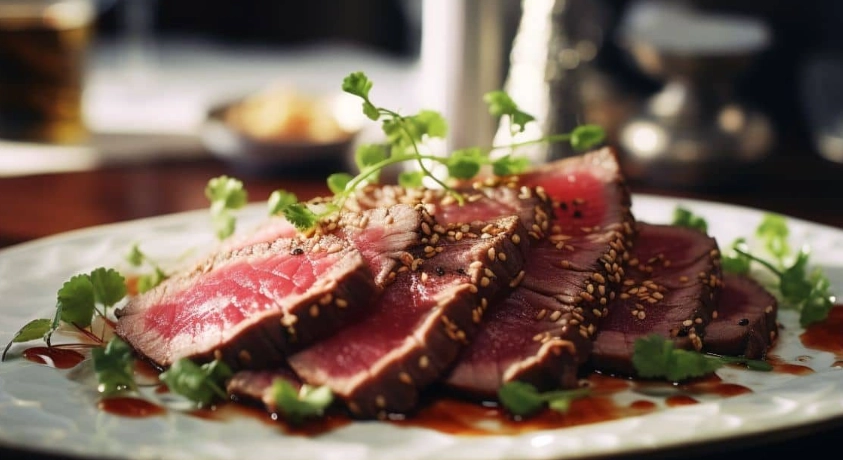
Let's cut through the noise. When people ask "What is tataki?", they're usually picturing that dish of seared tuna. But it's so much more than that. At its heart, tataki (たたき, which literally means "pounded" or "beaten") is a Japanese preparation method where meat or fish is very quickly seared over high heat—we're talking seconds per side—and then immediately cooled. It's then thinly sliced and typically served with a pungent, aromatic dipping sauce or dressing, often featuring citrus, ginger, garlic, and soy. The goal is a stark contrast: a smoky, flavorful, barely-cooked crust protecting a perfectly raw, cool, and delicate interior.
The Core Idea: Tataki is about contrast and precision. It's the culinary equivalent of a perfectly executed high-wire act. Too much heat, and you've got a cooked piece of fish. Too little, and you miss the complex flavor the sear provides. It's a technique that demands respect for the ingredient and a confident hand.
Where Did This All Start? The (Surprisingly) Samurai Roots of Tataki
Food history is messy, and the story of tataki is no exception. You'll hear a few different tales, but the most persistent and colorful one comes from Kochi Prefecture on the island of Shikoku. The legend goes that in the late 16th century, the feudal lord (and famous samurai) Chosokabe Motochika returned from a battle. To celebrate, his men caught a wild boar. Worried about eating fully raw meat (a potential health risk), but also in a hurry to feast, they supposedly seared the outside of the boar meat over an open flame and then sliced it. The story says they "tataki" or pounded the meat with their swords to tenderize it before eating it with salt and garlic. Whether every detail is accurate is up for debate, but this origin story ties the dish to practicality, celebration, and a certain rustic, warrior spirit.
From there, the technique evolved. It moved from boar to the abundant fish caught off the Japanese coasts. The preparation became more refined, the sauces more complex. But that essential spirit—high heat, quick action, minimal intervention—remained. It's a cooking philosophy that values the natural flavor of the prime ingredient above all else. The sear isn't meant to cook it through; it's meant to add a new, complementary layer of flavor and texture.
I think that's a big part of its modern appeal. For someone curious about sushi but not ready to dive into straight-up raw octopus or sea urchin, tataki is a fantastic gateway. It feels a bit more approachable, a bit more familiar because of that cooked edge, yet it's unmistakably Japanese in its elegance and restraint.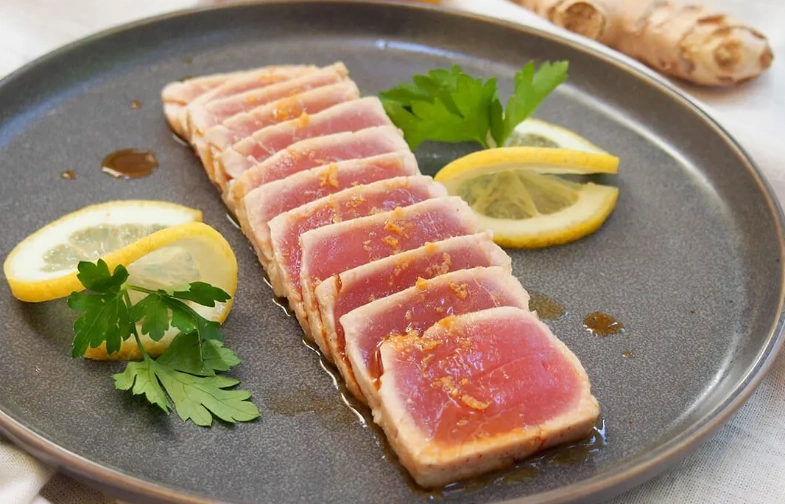
What is Tataki Made Of? It's Not Just Tuna Anymore
Okay, so we know the "how." Now, the "what." When you're trying to figure out what is tataki on a menu, the protein is your first clue. While tuna (maguro) is the undisputed champion and most common version, the method works beautifully with a variety of high-quality, fresh ingredients.
The Classic: Fish Tataki
This is where it all began for most of us. The fish needs to be supremely fresh, firm-fleshed, and able to hold its shape when sliced thinly.
| Fish Type | Flavor & Texture Profile | Best For Tataki Because... | My Personal Take |
|---|---|---|---|
| Bluefin or Yellowfin Tuna (Maguro) | Meaty, rich, clean flavor; dense, smooth texture. | Its deep red color creates a stunning visual contrast between the seared grey edge and raw red center. Holds a perfect sear. | The gold standard. A well-made tuna tataki is hard to beat. Look for a bright, cherry-red color. |
| Salmon (Sake) | Buttery, fatty, rich; soft, silky texture. | The high fat content caramelizes beautifully during searing, adding a sweet, smoky note. | Incredibly satisfying. The fat melts in your mouth. Just make sure it's sushi-grade, as salmon can carry parasites. |
| Yellowtail (Hamachi) | Buttery, mild, slightly sweet; tender texture. | Its delicate flavor is enhanced, not overpowered, by a quick sear. The texture remains luxurious. | A close second favorite. It feels more delicate than tuna, and the flavor is subtler but deeply pleasant. |
| Sea Bass (Suzuki) | Mild, sweet, clean; firm, flaky texture when cooked, but holds well for tataki. | Its mildness makes it a perfect canvas for flavorful sauces. The firm flesh sears nicely. | A great option if you find tuna too "meaty." It's lighter and lets the sauce shine. |
| Bonito (Katsuo) | Strong, robust, fishier flavor; firm texture. | This is the original fish used in Kochi! The strong flavor stands up to bold accompaniments like grated ginger and garlic. | An acquired taste, but deeply traditional. The flavor is much stronger than tuna—be prepared! |
See? It's a whole world beyond just tuna. I made the mistake once of ordering bonito tataki thinking it would be like yellowtail. Let's just say my palate was... surprised. In a good way, eventually, but it was a shock. That's the fun of it, though.
The Landlubber's Version: Meat Tataki
Remember the samurai and the boar? The tradition lives on. Beef tataki (gyu tataki) is particularly popular. You need a premium cut here—think filet mignon (tenderloin) or sirloin—with minimal fat marbling, as the fat won't render in such a quick cook. The sear adds a fantastic charred aroma to the beef, which pairs wonderfully with ponzu sauce. I've also had incredible venison and even duck tataki at fusion restaurants. The principle is the same: top-quality meat, extreme heat, fast action.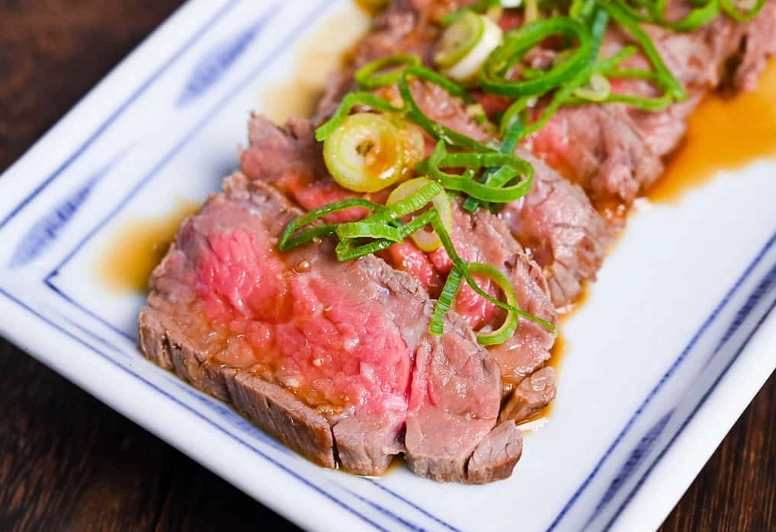
A Critical Safety Note: This isn't the time to buy the discounted "manager's special" meat or fish from the back of the fridge. Consuming raw or undercooked animal products carries a risk of foodborne illness. For fish, you must use "sushi-grade" or "sashimi-grade" fish that has been frozen to a specific temperature to kill parasites (the U.S. Food and Drug Administration provides guidelines for this). For beef, seek out high-quality, fresh meat from a trusted butcher, and understand the risks. When in doubt, cook it through.
How is Tataki Actually Made? The Step-by-Step Breakdown
Understanding what is tataki means understanding the process. It's simple in theory, but the devil (and the deliciousness) is in the details. Here’s how it’s done, whether by a chef or in your home kitchen.
Step 1: The Prep Work is Everything
Take your block of pristine, cold tuna or beef. Pat it completely dry with paper towels. Any moisture on the surface will steam instead of sear, giving you a gray, mushy crust. I've ruined a beautiful piece of fish by being lazy here. Season it lightly with salt, sometimes a tiny bit of pepper. Some chefs brush on a thin layer of oil (like sesame oil) for extra flavor and to promote searing.
Step 2: The Blitzkrieg Sear
Get your pan or grill scorching hot. We're talking smoking-hot. Cast iron is fantastic for this. You place the whole block of fish or meat down. You'll hear a fierce sizzle. Sear for 30 to 60 seconds per side, maximum. You're not trying to cook it. You just want a thin, browned, aromatic crust. For a rectangular block, do all four "long" sides. The goal is to seal the exterior. The inside should still be completely cold to the touch.
Step 3: The Shock
This is the most crucial step that many home cooks skip. Immediately after searing, you must stop the cooking process. Plunge the seared block into an ice bath, or wrap it tightly in plastic and put it on ice. This "shocks" it, preventing the residual heat from creeping into the center and turning your perfect rare interior into medium-rare. It also firms up the flesh, making it easier to slice paper-thin later.
Step 4: Slicing and Serving
Once completely chilled, unwrap and slice against the grain as thinly as you can. A sharp, long knife is non-negotiable. A dull knife will tear and crush the delicate flesh. Arrange the slices on a plate, slightly overlapping. Then, the final touch: the sauce. It's usually drizzled over the top or served on the side in a small dish.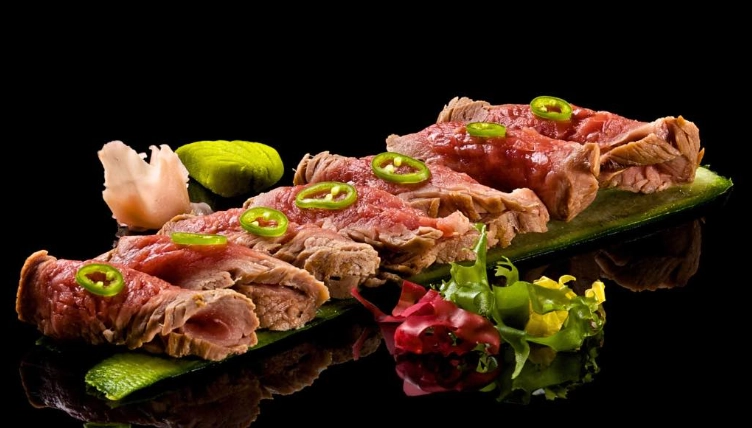
The Soul of the Dish: Sauces and Accompaniments
You could have the most perfectly seared fish in the world, but without the right sauce, it's not really tataki. The sauces are bold, acidic, and aromatic, designed to cut through the richness of the protein and elevate its natural flavor.
The Tataki Sauce Hall of Fame:
- Ponzu Sauce: The king. A blend of citrus juice (usually yuzu, sudachi, or lemon), soy sauce, mirin, and dashi. It's tangy, savory, salty, and umami-packed. You can find good bottled versions, but making your own is a game-changer.
- Ginger-Soy Sauce: A simpler classic. Freshly grated ginger (lots of it), soy sauce, a touch of mirin or sake, and sometimes a hint of sesame oil. The ginger provides a spicy, clean punch.
- Garlic Ponzu: Ponzu with a hefty dose of finely minced or grated fresh garlic. This is for garlic lovers only—it's potent and fantastic.
- Miso-based Dressings: A mix of white or red miso paste, vinegar, sesame oil, and sugar. Creamier and richer, offering a deeper umami flavor.
Common garnishes include thinly sliced scallions (negi), shaved red onion, daikon radish sprouts (kaiware), toasted sesame seeds, or a few sprigs of shiso leaf (a mint-basil-like herb). These add color, crunch, and fresh herbal notes.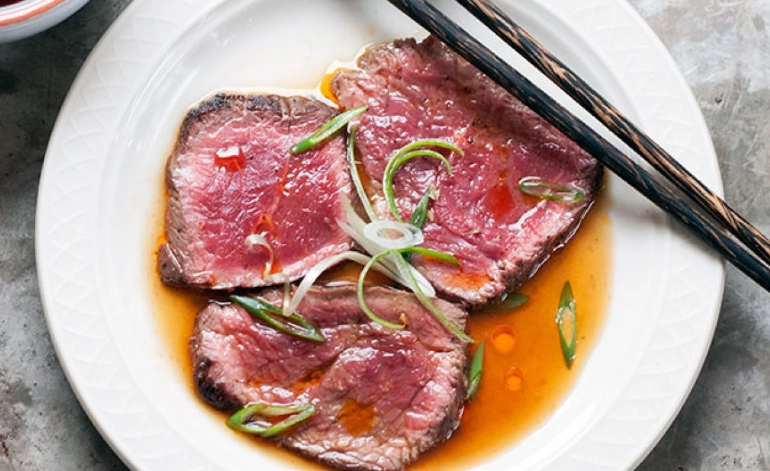
Tataki vs. Its Culinary Cousins: Don't Get Them Mixed Up
This is where a lot of confusion lies. People see seared fish and think it's all the same. Not quite. Understanding what is tataki means knowing what it's not.
Tataki vs. Sashimi: Easy. Sashimi is completely raw, sliced fish, served with soy sauce and wasabi. No heat applied whatsoever. Tataki has that critical seared exterior.
Tataki vs. Sushi/Sashimi-grade Seared Fish: Sometimes you'll see a sushi roll with "seared tuna" on top. This is often just the tataki technique applied to a piece of fish meant for another dish. The method is identical, but the final application is different.
Tataki vs. Carpaccio: This is a common mix-up. Carpaccio (Italian in origin) is also raw, thinly sliced meat or fish. However, it is not seared. It's dressed with oil, lemon, and often cheese (like Parmesan). The textures and flavor profiles are totally different. Carpaccio is about delicate, unaltered tenderness; tataki is about the contrast of sear and cool rareness.
Tataki vs. Tartare: Tartare is finely chopped or minced raw meat or fish, mixed with seasonings, capers, onions, etc. It's a completely different texture—mushy and blended rather than sliced and structured. No sear involved.
I once ordered a "tuna carpaccio" at an Italian-Japanese fusion spot and got what was clearly a tataki. It was delicious, but it wasn't what I was expecting. The menu descriptions can be... creative.
Why Bother? The Benefits of Choosing Tataki
Beyond just tasting amazing, there are some solid reasons why this method has endured.
Flavor Complexity: It gives you two experiences in one bite: the savory, Maillard-reaction richness of the crust and the pure, sweet freshness of the raw interior. It's a textural and flavor journey.
Perceived Safety for Some: For those wary of completely raw food, that seared exterior can provide a psychological (and to a small degree, actual) safety barrier. It feels more "cooked."
Showcases Quality: You can't hide mediocre fish or meat with the tataki method. The ingredient is front and center. It forces you to buy the good stuff.
Health Considerations: It's a low-fat cooking method (if you don't add much oil). You're consuming a primarily raw, high-protein food rich in nutrients. The sauces, while flavorful, are usually not calorie-dense cream sauces.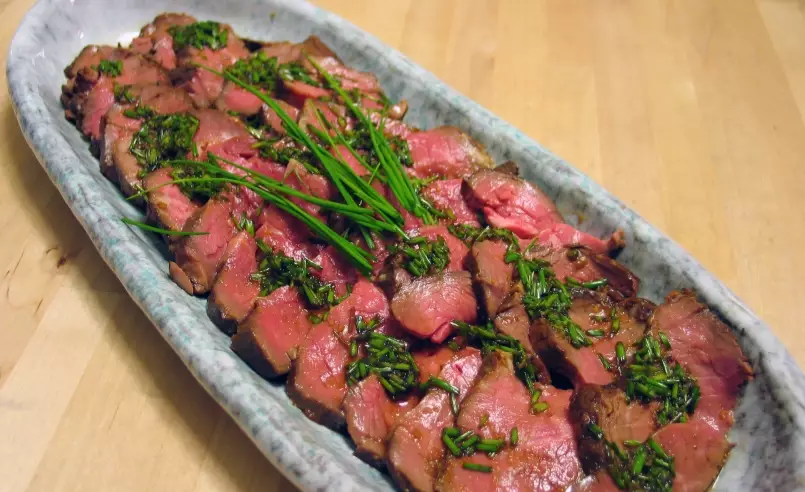
Can You Make Tataki at Home? Absolutely. Here's How Not to Mess It Up.
Yes, you can! It's surprisingly accessible. But you have to be prepared and confident. Here’s my hard-learned advice.
Source Wisely: This is rule number one, two, and three. Find a reputable fishmonger or butcher. Tell them you plan to eat it raw/rare and need sushi-grade fish or a premium cut of beef suitable for tartare/tataki. The FDA's guidelines on seafood safety are a good resource to understand what "sushi-grade" should mean. For authoritative information on Japanese ingredients and culinary culture, the Japan External Trade Organization (JETRO) website has valuable insights, and the Japanese Ministry of Agriculture, Forestry and Fisheries (MAFF) provides official information on food production and standards.
Tool Up: You need a very sharp chef's knife and a heavy-bottomed pan (cast iron is perfect) that can hold intense heat. Have your ice bath ready before you even turn on the stove. Have all your sauce ingredients and garnishes prepped. This moves fast.
Embrace the Sear, Fear the Cook: Don't be shy with the heat. Let that pan get dangerously hot. And don't second-guess the timing. Set a timer if you have to. 45 seconds is not 60. That 15 seconds can be the difference between perfect and overdone.
Slice Thin and Cold: Let the protein chill thoroughly in the ice bath. A slightly frozen center is better than a warm one. Use a smooth, drawing motion with your knife to get clean, thin slices. Wipe the knife clean between slices for the prettiest presentation.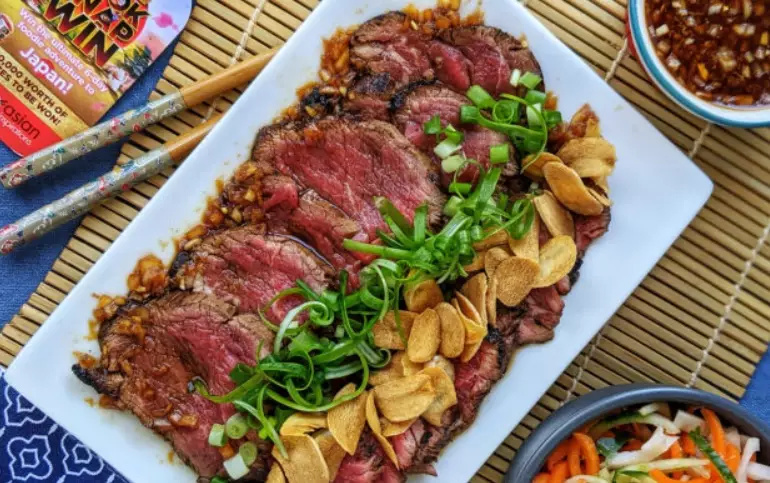
Answering Your Burning Questions: The Tataki FAQ
Final Thoughts: More Than Just a Dish
So, what is tataki? It's more than just a menu item. It's a lesson in contrast, a testament to the quality of an ingredient, and a beautiful example of Japanese culinary philosophy where less is more, but every step counts. It’s that perfect bite where fire meets ice, where smoke meets sweetness, where technique serves to highlight nature's flavor rather than disguise it.
It's also a dish that invites exploration. Start with a classic tuna tataki at a good Japanese restaurant. Taste that balance. Then maybe try a salmon or beef version. If you're feeling brave, make it at home. You might mess up the first time (I know I did—my "crust" was pathetic). But when you get it right, when you slice into that cold, ruby-red center after creating a perfect sear, and dip it into a homemade ponzu... you'll understand. You'll understand why this samurai-era technique is still captivating diners today.
It’s not the flashiest dish. It won’t have flaming cheese or be served with dry ice. But for those who appreciate subtlety, precision, and profound flavor, understanding what is tataki is the start of a very delicious journey.
Reader Comments