Quick Navigation
- Why Your Miso Soup Tastes "Off" (And How to Fix It Forever)
- The Foundation: Crafting the Perfect Dashi Broth
- Choosing Your Miso: It's Not All the Same
- The Complete, No-Fail Japanese Restaurant Miso Soup Recipe
- Beyond the Basics: Variations & Add-Ins
- Real Talk: Shortcuts & Troubleshooting
- Your Miso Soup Questions, Answered
- The Final Word: It's About Umami, Not Complexity
Let's be honest. You've tried making miso soup before, right? You bought that little packet from the grocery store, mixed it with hot water, and... well, it was fine. But it wasn't that soup. You know the one. The deeply savory, subtly sweet, impossibly comforting bowl you get at the start of a meal at a good Japanese restaurant. The one that makes you think, "How is something so simple so good?"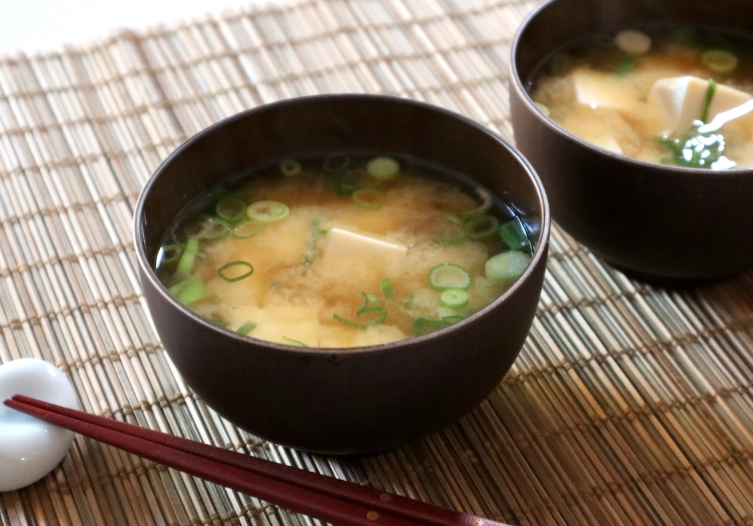
I've been there. For years, my homemade miso soup was a sad, salty shadow of the restaurant version. I figured the chefs had some magic powder I could never get. Turns out, the magic isn't a secret ingredient you can't buy. It's a method. It's understanding a few key principles that transform basic ingredients into something extraordinary. This isn't just another generic miso soup recipe. This is the blueprint for the authentic Japanese restaurant miso soup recipe you've been craving.
The biggest misconception? That miso soup is just miso paste dissolved in water. That's the fast track to a bland or overly salty disappointment. The soul of the soup is the broth, or dashi. Get the dashi right, and you're 80% of the way to restaurant-quality soup.
Why Your Miso Soup Tastes "Off" (And How to Fix It Forever)
Most home cooks trip up on the same few things. Maybe you boil the miso paste and kill its delicate flavor and probiotics. Perhaps you're using the wrong type of miso for the soup you envision. Or, most commonly, you're skipping the dashi and using plain water or a weak substitute. A proper Japanese restaurant miso soup recipe is built on a foundation of good dashi.
Another common pitfall? Overcomplicating it. Authentic miso soup is often very simple—just broth, miso, tofu, and wakame seaweed. You don't need ten different vegetables. Focus on nailing the base first.
Never, ever let your miso soup come to a rolling boil after adding the miso paste. The high heat destroys the complex fermented flavors and the beneficial enzymes. Always dissolve the miso in a ladle of warm broth first, then stir it back into the pot off the heat, or just let it heat gently until hot.
The Foundation: Crafting the Perfect Dashi Broth
This is the non-negotiable first step. Dashi is a clear, umami-rich stock that forms the base for not just miso soup, but for much of Japanese cuisine. There are several types, but for a classic restaurant-style soup, we use awase dashi (combined dashi).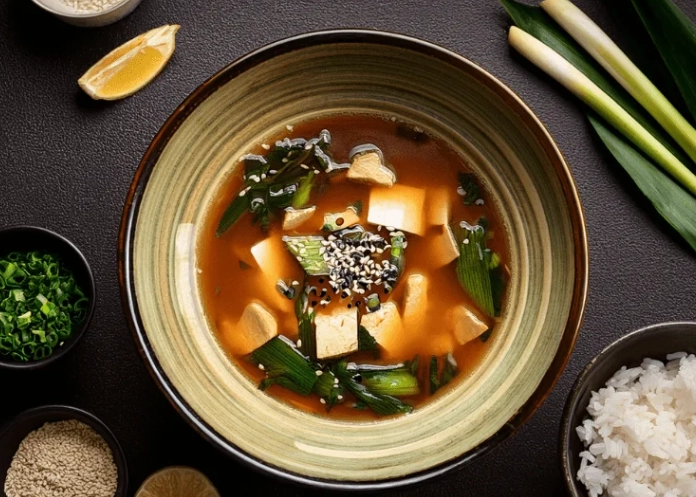
Awase Dashi Ingredients & Proportions
For about 4 cups of dashi (enough for a pot of soup for 4 people), you'll need:
| Ingredient | Quantity | Key Purpose & Note |
|---|---|---|
| Water | 4 ½ cups (1 liter) | Use filtered water if yours is heavily chlorinated. |
| Kombu (Dried Kelp) | 1 piece (about 10g or 4x4 inch) | Source of glutamic acid (umami). Do NOT wash; just wipe with a damp cloth. |
| Katsuobushi (Bonito Flakes) | 20g (about 2 loosely packed cups) | Source of inosinic acid (another umami compound). The synergy with kombu is magical. |
You can find kombu and katsuobushi at Japanese grocery stores, many Asian markets, or online. Yes, you need both. The magic of dashi is in the umami synergy between the kombu (sea vegetable) and the katsuobushi (fish).
The Step-by-Step Dashi Method (No Guesswork)
This process is about gentle extraction, not aggressive boiling.
- Soak the Kombu: Place the wiped kombu in the cold water in a medium pot. Let it soak for at least 30 minutes, or even a few hours if you have time. This gentle start pulls out the savory flavors without bitterness.
- Heat Gently: Place the pot with the kombu over medium-low heat. You want to bring it up to a point just before a full boil. Look for small bubbles gathering at the bottom and sides of the pot. This should take 10-15 minutes. The moment it's about to boil, remove the kombu. If you boil the kombu, the broth can become slimy and bitter.
- Add the Katsuobushi: Immediately after removing the kombu, add the bonito flakes to the hot liquid. Let it sit for just 1-2 minutes. The flakes will sink to the bottom.
- Strain: Line a fine-mesh strainer with a paper towel (or use a dedicated dashi strainer) and strain the broth into a clean bowl or pot. Do not press on the bonito flakes, as this can make the dashi bitter. Let gravity do the work.
And that's it! You now have a crystal-clear, fragrant, and deeply savory dashi. This is the liquid gold that will make your Japanese restaurant miso soup recipe sing. You can use it immediately or store it in the fridge for 2-3 days.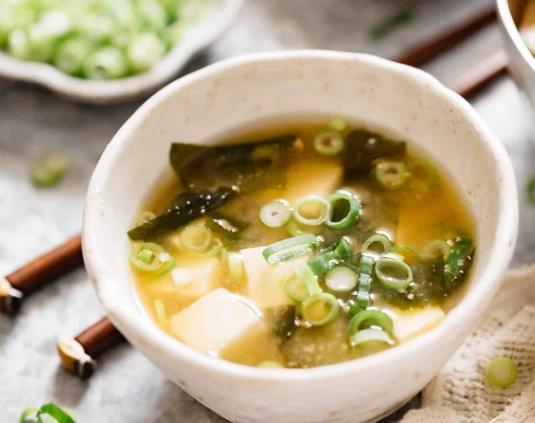
The first time I made dashi this way, I was shocked. The smell alone—that clean, oceanic, smoky aroma—told me I was on the right track. It tasted nothing like the water I started with. It had body and depth before I even added a grain of salt or a spoon of miso.
Choosing Your Miso: It's Not All the Same
This is where personal preference comes in, and it dramatically changes the character of your soup. Miso is a fermented paste made from soybeans, salt, and a grain (usually rice or barley) inoculated with a mold called koji. The color, flavor, and saltiness depend on the ingredients and fermentation time.
| Type of Miso | Color & Fermentation | Flavor Profile | Best For |
|---|---|---|---|
| Shiro Miso (White Miso) | Light yellow/beige. Short fermentation (weeks). | Mild, slightly sweet, less salty. | Delicate soups, dressings, light sauces. Great for beginners. |
| Aka Miso (Red Miso) | Deep red-brown. Long fermentation (1-3 years). | Strong, salty, deeply savory, pungent. | Hearty soups, stews, braises. Adds a robust punch. |
| Awase Miso (Mixed Miso) | Medium brown. Blend of types. | Well-balanced, versatile, savory with a touch of sweetness. | The classic choice for all-purpose restaurant-style soup. My top recommendation. |
For that classic, balanced, Japanese restaurant miso soup recipe flavor, I strongly suggest starting with a good-quality awase miso. Many restaurants actually use a blend they make themselves. You can mimic this by mixing 2 parts white miso to 1 part red miso. Play with the ratio to suit your taste.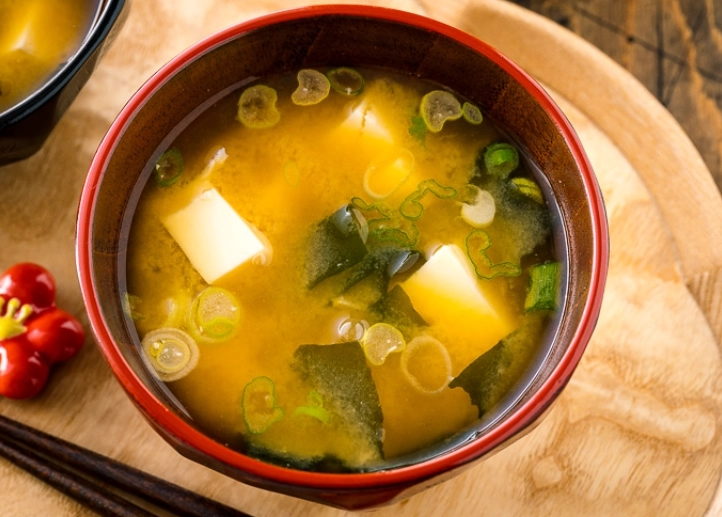
You can learn more about the traditional production and varieties of miso from authoritative sources like the Japanese Ministry of Agriculture, Forestry and Fisheries (MAFF), which provides insights into Japan's agricultural and fermented food products.
The Complete, No-Fail Japanese Restaurant Miso Soup Recipe
Now we put it all together. This recipe yields 4 generous servings of the real deal.
Ingredients You'll Need
- Dashi: 4 cups (prepared from the method above, or see quick alternatives below)
- Miso Paste: 4-5 tablespoons of awase miso (or your chosen blend). Start with 4, you can add more.
- Tofu: ½ block (about 150g) of soft or medium-firm tofu, cut into ½-inch cubes.
- Wakame: 1 tablespoon of dried wakame seaweed.
- Green Onion: 1-2 stalks, finely chopped for garnish.
Step-by-Step Cooking Instructions
- Rehydrate the Wakame: Place the dried wakame in a small bowl and cover with a little warm water. It will expand dramatically in about 5 minutes. Drain and set aside.
- Heat the Dashi: Pour your 4 cups of dashi into a saucepan and bring it to a very gentle simmer over medium heat. It should be steaming hot but not boiling vigorously.
- Add the Tofu: Gently add the cubed tofu to the hot dashi. Let it heat through for 2-3 minutes.
- Dissolve the Miso – THE CRITICAL STEP: Turn the heat down to low. Scoop out a ladleful of the hot broth into a small bowl. Add your miso paste to this ladleful. Use a fork or small whisk to dissolve the miso completely into this small amount of broth until it's a smooth paste with no lumps.
- Combine: Pour the dissolved miso mixture back into the main pot. Stir gently to combine. Do not let the soup boil. The ideal serving temperature is just hot.
- Finish and Serve: Turn off the heat. Divide the rehydrated wakame among serving bowls. Ladle the hot soup and tofu over the wakame. Top with a generous sprinkle of chopped green onion.
Pro Tip: Taste your soup after adding the miso. Want it saltier/savorier? Dissolve another half tablespoon of miso in a bit of broth and stir it in. Remember, you can always add, but you can't take away. This is the key to balancing your Japanese restaurant miso soup recipe perfectly every time.
Beyond the Basics: Variations & Add-Ins
Once you've mastered the classic, the world is your oyster (mushroom). Here are some popular additions, often seen in restaurants:
- Clams (Asari Miso Soup): Add a dozen or so small clams (like Manila clams) to the dashi after step 2. Cook until they just open, then proceed. Discard any that don't open.
- Mushrooms: Thinly sliced shiitake or enoki mushrooms added with the tofu add great texture and earthiness.
- Potatoes & Onion: For a heartier tonjiru (pork miso soup), you'd add sliced pork, root vegetables, and more, but that's a different recipe for another day.
- Spinach: A handful of fresh spinach added just before serving wilts perfectly.
Real Talk: Shortcuts & Troubleshooting
I get it. Sometimes you don't have 45 minutes to make dashi from scratch. Here are your best backup plans, ranked.
- Instant Dashi Granules/Powder (Hon-dashi): This is the most common restaurant shortcut, even in Japan. Look for brands without MSG if you prefer. Follow the package instructions. It's not quite as good as fresh, but it's 90% there and infinitely better than water.
- Dashi Pouch/Teabag: These are packets containing kombu and bonito. You steep them in hot water like tea. A great middle ground.
- Vegetarian Dashi: Replace kombu/katsuobushi with just kombu (for vegan) or add dried shiitake mushrooms for a different but delicious umami profile.
Common Problems & Solutions
Soup is too salty: You used too much miso or a very salty variety. Dilute with a bit more hot water or unseasoned dashi. Next time, add miso gradually.
Soup is bland: Underseasoned. Your dashi might have been weak, or you didn't use enough miso. Add more dissolved miso to taste. Also, ensure your dashi ingredients were fresh.
Miso won't dissolve smoothly: You tried to add it directly to the pot. Always dissolve it in a separate ladle of broth first. A small strainer can help press out lumps.
Your Miso Soup Questions, Answered
I remember serving my "perfected" Japanese restaurant miso soup recipe to a friend from Tokyo. She took a sip, paused, and said, "Tastes like home." That was the best compliment I could have gotten. It wasn't about fancy technique, just respect for the ingredients and the process.
The Final Word: It's About Umami, Not Complexity
The goal of this Japanese restaurant miso soup recipe isn't to create the most complicated dish in your repertoire. It's the opposite. It's about understanding how a few high-quality, thoughtfully prepared ingredients can create a flavor—umami—that is greater than the sum of its parts.
Start with good dashi. Choose a miso you like. Treat it gently. Taste as you go.
Once this basic recipe becomes second nature, you'll have a quick, healthy, and deeply satisfying soup you can make any day of the week. And the next time you have that craving for the restaurant version, you won't need to go out. You'll already know the secret.
Reader Comments