Quick Navigation
Let's be real. You can have the most perfectly crisp, golden-brown takoyaki balls with tender octopus inside, but if you skimp on the sauce, the whole experience falls flat. That glossy, deeply savory, slightly sweet, and utterly addictive takoyaki sauce is the soul of the dish. It's what makes your fingers sticky and has you licking the plate (or the paper boat, let's be honest). But what exactly is it? Can you make it at home without a trip to a specialty store? And if you buy it, which bottle should you grab?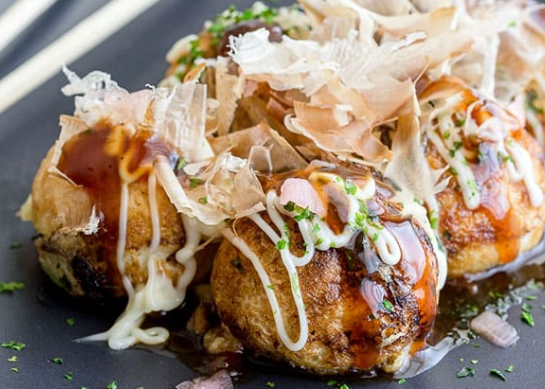
I've had my fair share of takoyaki adventures, from street stalls in Osaka to failed kitchen experiments where the sauce was too thin, too sweet, or just... wrong. It's a deceptively simple condiment with a lot of nuance. This guide is everything I wish I'd known before I started. We'll dig into its story, break down what's in the bottle, walk through making it from scratch, and figure out which store-bought versions are worth your money. Consider this your one-stop shop for all things takoyaki sauce.
The Core Idea: Authentic takoyaki sauce is a type of Japanese Worcestershire-style sauce, but thicker, sweeter, and fruitier than its British cousin. It's a balanced blend of umami, sweetness, tang, and spice that clings perfectly to the hot, crispy balls.
What's in That Bottle? Decoding Takoyaki Sauce
Ever stare at the ingredients list on a bottle of Otafuku or Bull-Dog sauce and wonder what half of that stuff is? It's not just soy sauce and sugar. The magic of a great takoyaki sauce comes from a layered build of flavors. Think of it like a building.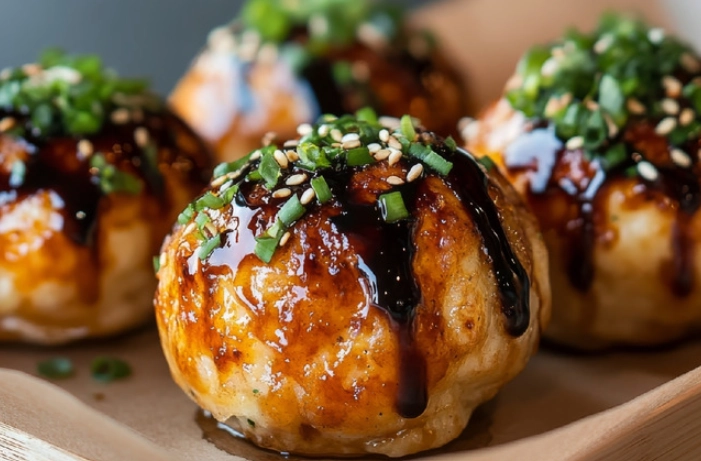
The Foundation: Vinegar and Fruits & Vegetables
This is where the tang and the underlying sweetness come from. We're not talking about your plain white vinegar. The base is usually a milder grain vinegar or apple cider vinegar. Then, they stew fruits and veggies—think apples, onions, tomatoes, carrots, dates, prunes—for hours. This creates a complex, fruity-sweet puree that's the heart of the sauce. It's why a good sauce doesn't taste like plain sugar; it has a rounded, almost jam-like fruitiness.
The Umami Engine: Soy Sauce and Other Savory Notes
This is the savory punch. Naturally brewed soy sauce (koikuchi shoyu) is non-negotiable for that deep, salty umami. But it often gets company. You might find a bit of dashi (fish and kelp stock) powder for extra oceanic depth, or even traces of fish sauce or oyster sauce in some recipes. This layer balances the sweetness and makes the sauce taste substantial.
The Sweetness & Body: Sugar and Starch
To get that luscious, syrup-like consistency that coats instead of drips, you need sweetness and thickeners. Sugar (white, brown, or both), high-fructose corn syrup, or mirin (sweet rice wine) provide the sweet profile. Then, starch—often from tomatoes or added as a thickener—gives it that perfect, clingy body. Without it, you'd just have a runny, sad glaze.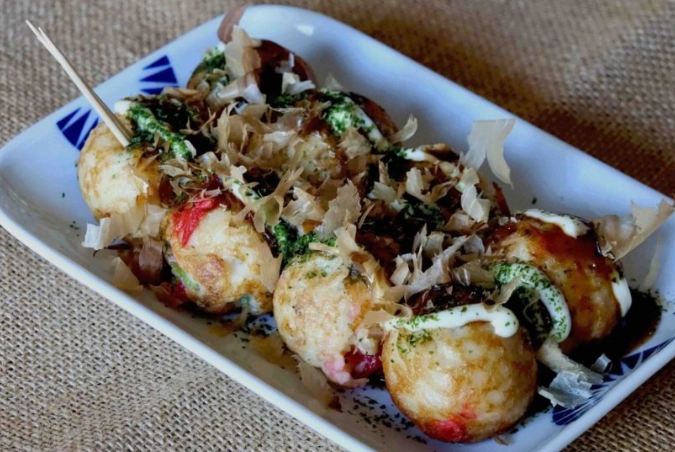
The Spice & Depth: The Secret Spices
This is the proprietary blend that makes each brand different. We're talking about spices like allspice, clove, nutmeg, ginger, and celery seed. Sometimes a hint of chili or pepper for the faintest warmth. You don't taste them individually; they just create a warm, complex background note that stops the sauce from being one-dimensional.
So, when you're looking for a good takoyaki sauce, either to make or buy, these are the layers you're looking for. A sauce that's all sweet and no umami will taste cheap. One that's all umami and no body will just make your takoyaki soggy.
Roll Up Your Sleeves: Making Takoyaki Sauce at Home
Okay, let's get to the fun part. Is making takoyaki sauce from scratch worth it? Absolutely, if you want complete control and a flavor that's fresher and more vibrant than anything from a shelf-stable bottle. Is it a 5-minute job? Not really. The good stuff takes a little simmering. But don't worry, I've got a couple of routes for you, from the full-from-scratch pilgrimage to a quick "I need sauce in 2 minutes" hack.
The Full Monty: From-Scratch, No-Holds-Barred Recipe
This is for a weekend project or when you really want to impress. The flavor is deep, rich, and complex. You'll need a blender and about 45 minutes of mostly hands-off time.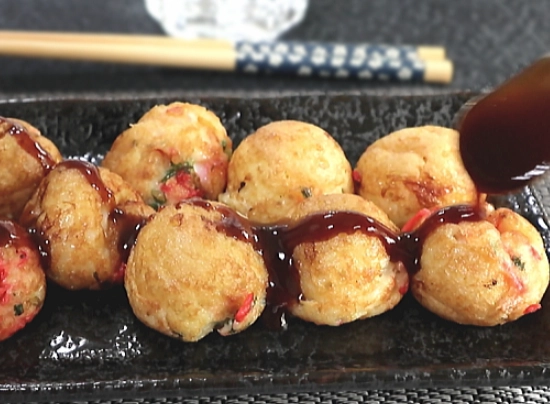
What You'll Need:
- For the Fruit-Veg Base: 1 small apple (peeled, cored, chopped), 1/4 onion (chopped), 1 small carrot (chopped), 2-3 pitted prunes or dates.
- The Liquids: 1/2 cup water, 1/4 cup rice vinegar or apple cider vinegar.
- The Flavor Builders: 2 tbsp soy sauce, 1 tbsp Worcestershire sauce (the Japanese kind like Bull-Dog, if you have it), 1 tbsp tomato paste or ketchup (for body and tang).
- The Sweeteners: 2 tbsp sugar, 1 tbsp mirin (or 1 extra tsp sugar).
- The Spices (don't skip these!): A tiny pinch each of ground allspice, ginger, and garlic powder. A single clove or a pinch of ground clove.
- The Thickener: 1 tsp cornstarch mixed with 1 tbsp cold water (a "slurry").
Here's the play-by-play: Toss the apple, onion, carrot, and prunes into a small pot with the water and vinegar. Bring it to a simmer, cover, and let it cook on low for about 20-25 minutes, until everything is super soft. Let it cool slightly, then carefully blend it until completely smooth. A stick blender is perfect here.
Pour this puree back into the pot. Add the soy sauce, Worcestershire, tomato paste, sugar, mirin, and all the spices. Whisk it all together and bring it back to a gentle simmer. Taste it! This is your chance to adjust. Want it sweeter? Add a bit more sugar. More tang? A splash more vinegar. Let it simmer for another 5-10 minutes to let the flavors marry.
Give your cornstarch slurry a final stir and drizzle it into the simmering sauce while whisking constantly. It'll thicken up almost immediately. Cook for another minute to get rid of the raw starch taste, then take it off the heat. Let it cool completely—it will thicken even more as it cools. This homemade takoyaki sauce will keep in the fridge for a good week or two.
Watch Out: The most common mistake is making it too thin. If your fruit puree was very watery or you didn't simmer it down enough, the final sauce might be runny. You can fix it by mixing another 1/2 tsp of cornstarch with water and adding it to the simmering sauce. Add it slowly—you can always add more, but you can't take it out!
The 5-Minute "Cheater" Sauce (Surprisingly Good!)
Don't have time for the full simmer? I get it. This is my go-to quick fix, and it's miles better than just using plain ketchup or tonkatsu sauce.
Grab these three things from your fridge.
Base: 3 tablespoons of ketchup.
The Umami: 1 tablespoon of soy sauce.
The Sweetness & Complexity: 1 tablespoon of Worcestershire sauce (again, Japanese-style is ideal) or 1.5 tablespoons of Oyster sauce.
Optional Boost: A tiny squeeze of honey or a pinch of sugar if your ketchup isn't sweet enough. A micro-grate of fresh ginger if you're feeling fancy.
Just whisk it all together in a bowl. Taste and adjust. Need more savory? A dash more soy. More tang? A tiny bit of vinegar. This makes enough for one generous serving of takoyaki. The flavor is brighter and more tomato-forward than the traditional version, but it hits all the right sweet, savory, and tangy notes in a pinch. It's a legit lifesaver.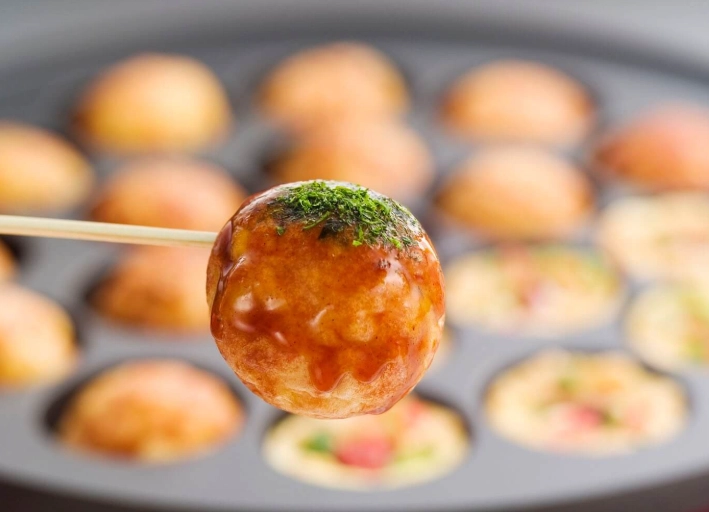
Navigating the Aisle: Buying the Best Takoyaki Sauce
Sometimes, you just want to buy a bottle. It's convenient, it lasts forever in the pantry, and the flavor is consistent. But walking into an Asian grocery store and seeing five different brands can be paralyzing. Which one is the best takoyaki sauce? It depends on what you like.
I've bought and tasted them all so you don't have to. Here’s the breakdown.
| Brand | Flavor Profile | Texture & Consistency | Best For | My Personal Take |
|---|---|---|---|---|
| Otafuku (お多福) | The classic. Well-balanced sweet & savory, with noticeable fruity notes (apple, tomato). Mild spice. | Perfect. Thick, glossy, coats beautifully without being gloppy. | Purists, first-timers, and anyone who wants the "standard" street food taste. | This is the gold standard. It's what most people think of. Reliable and delicious. If you only buy one, make it this. |
| Bull-Dog (Bulldog) Vegetable & Fruit Sauce | Deeper, more complex, and slightly less sweet than Otafuku. More savory/umami forward with a richer spice profile. | A tiny bit thinner than Otafuku, but still clings well. | People who find Otafuku too sweet, or who want a more grown-up, complex flavor. | My personal favorite for depth of flavor. It tastes more "cooked" and layered to me. The Worcestershire sauce heritage is strong here. |
| Kewpie Takoyaki Sauce | Distinctly sweeter and fruitier. Has a very bright, almost candied tomato/apple flavor. | Similar thickness to Otafuku, very smooth. | Kids, or those with a serious sweet tooth. Great for okonomiyaki too. | Honestly, a bit too sweet for my personal taste on takoyaki. I find it overpowers the octopus. But it's popular for a reason! |
| Store-Generic (Asian Markets) | Can be hit or miss. Often simpler, leaning heavily on sweet and salty with less fruit/spice complexity. | Sometimes too thin or artificially thick. | Budget buyers or in a pinch. Check the ingredients list—if it's short and has lots of additives, maybe pass. | I've had some decent ones and some that tasted like brown, sweetened soy sauce. It's a gamble. Usually worth spending $1 more for a known brand. |
A quick note on Tonkatsu Sauce (like Bull-Dog's main brand). Can you use it for takoyaki? Yes, in a pinch. They're cousins. Tonkatsu sauce is usually a bit tangier and thinner. If you have it, you can thicken it with a bit of sugar or honey over low heat, or just accept a saucier, slightly different result. It'll still be tasty.
Beyond the Ball: Other Uses for Takoyaki Sauce
Once you have a bottle (or a jar of your homemade concoction), don't limit it to just takoyaki. This stuff is a secret weapon. Its sweet-savory-umami profile works on so many things.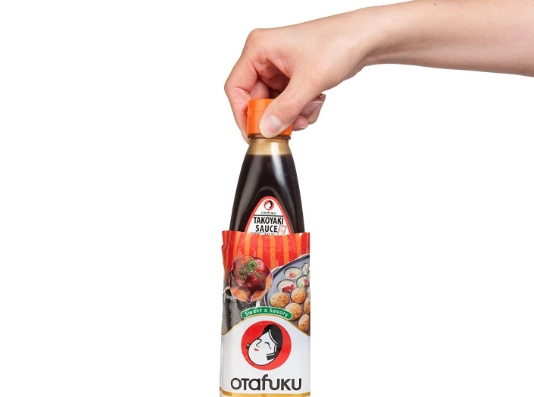
Try it as a dip for karaage (Japanese fried chicken)—it's incredible. Drizzle it over a simple omelette or scrambled eggs. Use it as a glaze for pan-fried fish or meatballs in the last few minutes of cooking. It makes a killer burger sauce when mixed with a little mayo. I've even used it as a base for a quick stir-fry sauce. It's that versatile.
Your Takoyaki Sauce Questions, Answered
Can I substitute ketchup for takoyaki sauce?
Straight ketchup? No. It'll be too tomato-y, too tangy, and missing the deep umami and spice. But as we saw in the 5-minute cheat sauce, ketchup is a great *base* when combined with soy sauce and Worcestershire. So not a direct 1:1 substitute, but a key component in a quick fix.
How long does homemade takoyaki sauce last?
Because of the sugar, vinegar, and salt, it's pretty stable. In a clean jar in the fridge, your from-scratch sauce should be good for 1 to 2 weeks. The 5-minute sauce, because it uses already-opened ingredients, should be used within a few days. Always give it a sniff test—if it smells off or develops fuzz, toss it.
Is takoyaki sauce gluten-free?
Most traditional recipes and commercial brands are NOT gluten-free because they use soy sauce, which is made with wheat. Some brands might make a gluten-free version (using tamari-based soy sauce), so check labels carefully. If you're making it at home, simply substitute regular soy sauce with a good-quality gluten-free tamari.
What's the difference between takoyaki sauce and okonomiyaki sauce?
Ah, the great debate! They are incredibly similar—siblings, really. Often, the same bottle is marketed for both uses. Generally speaking, okonomiyaki sauce might be a touch thicker and sometimes a bit sweeter to stand up to the cabbage-filled pancake. But in practice, they are interchangeable 99% of the time. Don't stress if a recipe calls for one and you only have the other.
Why is my homemade sauce too bitter?
This usually happens if you over-caramelize the sugars (burnt it a bit) or if you used too much of a strong spice like clove. Clove is powerful—a tiny pinch is enough. Also, if you didn't peel your apple or onion, the skins can add bitterness during the long simmer. Next time, low and slow is the way to go.
The Final Drizzle: Wrapping It Up
So, what's the verdict? Takoyaki sauce is a fascinating little world in a bottle. It's a perfect example of how Japanese cuisine builds incredible flavor from simple, wholesome ingredients. Whether you're a from-scratch warrior who enjoys the simmering process or a busy person who finds comfort in the reliable gleam of an Otafuku bottle, the goal is the same: to elevate those little balls of joy into something truly memorable.
The best part? Now you have the knowledge to choose. You can look at a recipe or a store shelf and understand what you're getting into. You can tweak a homemade batch to be sweeter, tangier, or spicier to match your perfect taste. That's the real power—making the sauce work for you.
Go on, get saucy.
P.S. If you're diving deep into Japanese condiments, the history of these Worcestershire-style sauces in Japan is fascinating. It all started in the late 19th century. For a reliable, academic look at the introduction and adaptation of Western foods like Worcestershire sauce in Japan, you can explore resources from the Japan External Trade Organization (JETRO) or cultural archives, which often detail this period of culinary fusion. It really puts your bottle of takoyaki sauce into a century-long story of global trade and taste.
Reader Comments