Quick Guide
- Wait, Is Tonkatsu Chicken Even a Real Thing?
- Gathering Your Arsenal: The Non-Negotiables
- The Step-by-Step: Where the Magic (or Disaster) Happens
- The Supporting Cast: Sauce, Sides, and Serving
- Tonkatsu Chicken vs. Other Fried Chickens: A Clear Winner?
- FAQ: Your Burning Questions, Answered
- Common Pitfalls & How to Dodge Them
Let's get this out of the way first. If you're searching for "Tonkatsu chicken," you're probably a bit confused, and honestly, who could blame you? The name itself is a bit of a kitchen paradox. "Ton" means pork in Japanese, and "katsu" is short for cutlet. So, Tonkatsu chicken is essentially a delicious cultural mash-up – it's the iconic Japanese frying technique and presentation, but applied to chicken instead of the traditional pork.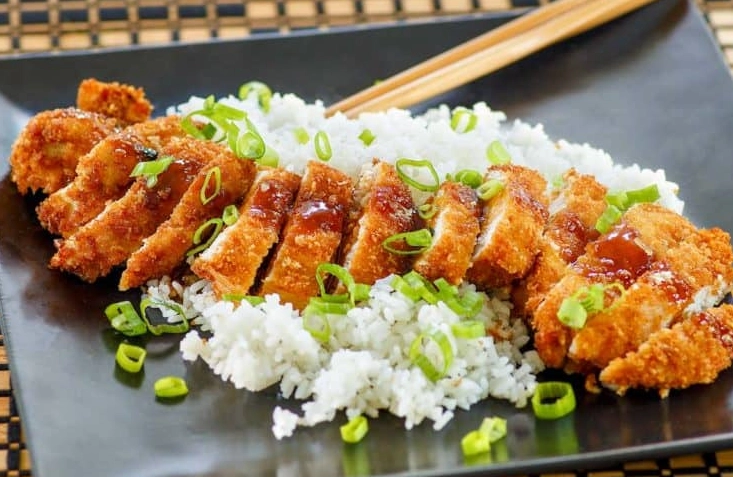
I remember the first time I ordered it in a small Tokyo izakaya, expecting pork, and got the crispiest, juiciest chicken cutlet of my life. It was a happy accident. That's what we're talking about here. Not a mistake, but a brilliant variation. This guide is for anyone who's tired of dry, bland fried chicken and wants that signature Japanese-style crunch and flavor. We're going deep, from the history (yes, there is some) to the fry oil, and every step in between.
Wait, Is Tonkatsu Chicken Even a Real Thing?
Absolutely. While purists might raise an eyebrow, it's a widely accepted and beloved dish in Japan and beyond. Think of it less as a misnamed dish and more as an evolution. Pork tonkatsu (tonkatsu) is the classic, born in the late 19th century as Japan embraced Western-style breaded cutlets. Chicken, being a more affordable and widely available protein globally, naturally became a popular substitute. The method, the breading, the sauce – all the soul of tonkatsu – remain intact. So when you make chicken tonkatsu, you're participating in a modern culinary tradition.
The beauty of Tonkatsu chicken lies in its contrast. The exterior must shatter with a delicate, airy crunch. The inside must be steaming hot, juicy, and tender. Achieving that isn't just about following a recipe; it's about understanding the why behind each step. Let's break down what you actually need.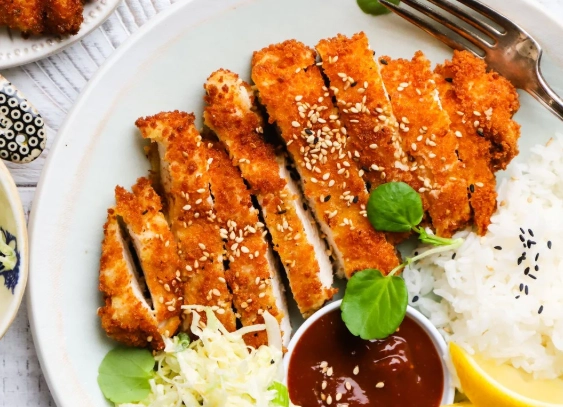
Gathering Your Arsenal: The Non-Negotiables
You can't build a house without good bricks, and you can't make great katsu without the right components. This isn't the place for shortcuts if you want the authentic experience.
The Chicken
Forget chicken breasts. Seriously. For a classic, tender Japanese chicken cutlet, you want chicken thighs, boneless and skinless. They have more fat and connective tissue, which means they stay juicy even if you accidentally overcook them a tad (we've all been there). If you must use breast, pound it relentlessly to an even 1/2-inch thickness and brine it for 30 minutes. But trust me, thigh is the way.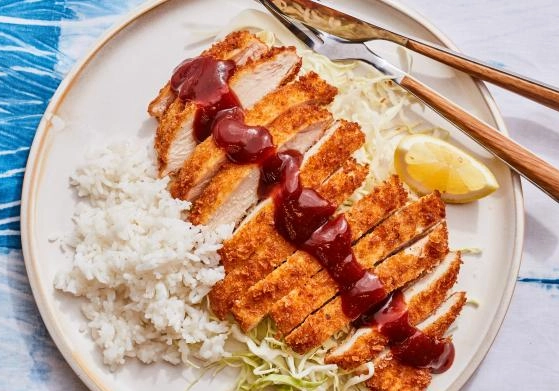
The Breading Trio (The Holy Trinity)
- Flour: All-purpose is fine. Its job is to dry the chicken surface and give the egg something to grip onto.
- Egg: Beaten lightly, sometimes with a teaspoon of oil or water. This is the glue.
- Panko: This is the star. Japanese panko breadcrumbs are coarser, flakier, and drier than Western breadcrumbs. They create that iconic, snowflake-like, extra-crispy crust that doesn't get soggy quickly. Don't substitute with regular breadcrumbs—the texture will be wrong. I've tried. It was sad.
Speaking of panko, not all are created equal. I find the white, shard-like panko gives the best, lightest crunch. You can find reputable brands like Japanese-made panko in Asian grocery stores or online.
The Oil for Frying
Neutral oils with a high smoke point are key. Vegetable, canola, or peanut oil are perfect. Sesame oil is too strong. The ideal temperature is 340°F (170°C). Too hot, and the panko burns before the chicken cooks through. Too low, and the chicken soaks up oil like a sponge, becoming greasy. A cooking thermometer isn't optional here; it's your best friend.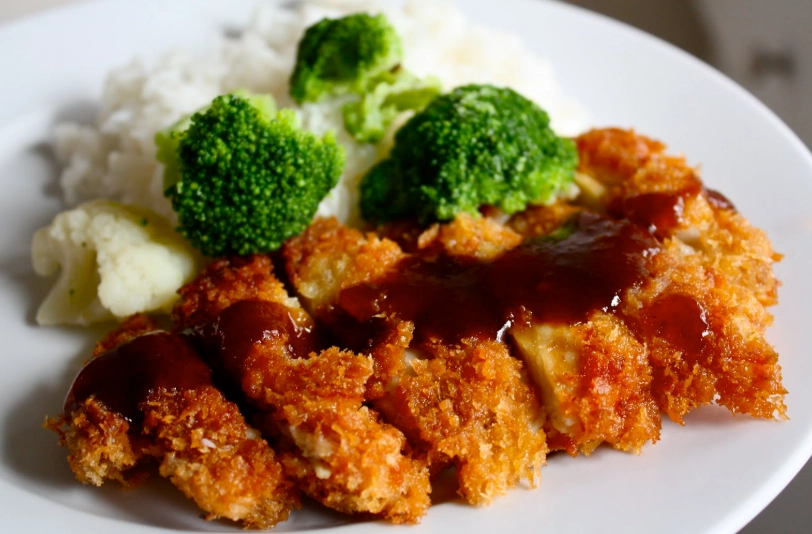
The Step-by-Step: Where the Magic (or Disaster) Happens
Here’s the process, with all the little insights most recipes gloss over.
1. Prepping the Chicken
Pat the chicken thighs completely dry with paper towels. Any moisture is the enemy of crispiness. You can make small cuts along any thick edges or tendons so it lies flat. Season well with salt and pepper. Some recipes call for a light dusting of garlic powder or ginger—it’s a nice touch, but not traditional.
2. The Breading Station
Set up three shallow dishes or plates: flour, beaten egg, panko. Keep one hand for dry handling (flour and panko) and one for wet (egg). This keeps you from building up globby, finger-shaped breading clumps.
- Coat the chicken evenly in flour. Shake off the excess.
- Dip it thoroughly in the egg, letting the excess drip off.
- Place it in the panko. Now, scoop and sprinkle panko over the top. Gently pat. Lift it and check for any bare spots. That's it.
Let the breaded chicken rest on a rack for 5-10 minutes before frying. This helps the coating set and adhere better during frying.
3. The Fry
Heat your oil to 340°F (170°C) in a heavy-bottomed pot (Dutch oven is ideal). You need enough oil to come halfway up the sides of the cutlet. Gently lower the chicken in, away from you. Don't crowd the pot—fry in batches. It should bubble vigorously but not violently.
Fry for about 5-6 minutes per side for a thigh, until deep golden brown. The internal temperature should reach 165°F (74°C).
The Double-Fry Secret (Next-Level Crisp)
Here’s a pro move I picked up: Fry at 320°F (160°C) for 4-5 minutes (until just cooked). Remove, drain, and let it rest for 3 minutes. Then crank the oil to 375°F (190°C) and fry for another 60-90 seconds. This second blast sets the crust, makes it extra shattery, and forces out any surface oil. It’s a game-changer for your crispy chicken tonkatsu.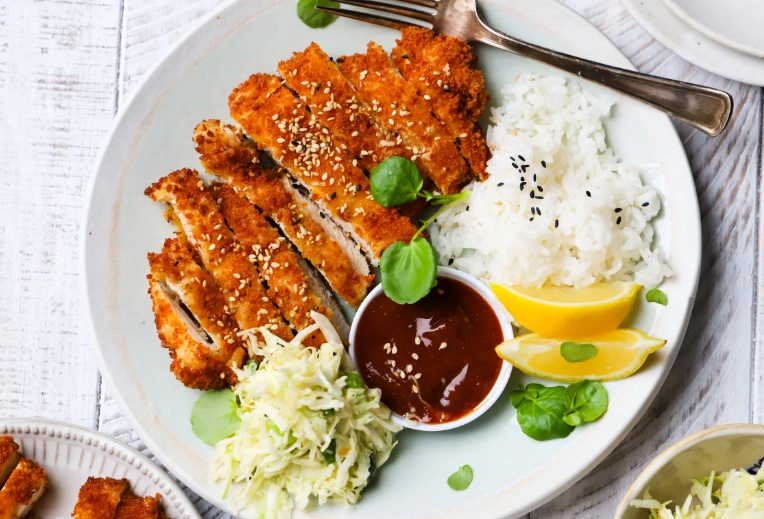
4. Draining is Crucial
Never drain on paper towels laid flat. They trap steam and make the bottom soggy. Always use a wire rack set over a baking sheet. This lets air circulate all around, keeping every bit of that precious crunch intact.
The Supporting Cast: Sauce, Sides, and Serving
A perfect Tonkatsu chicken isn't complete without its accessories.
The Tonkatsu Sauce
This sweet, tangy, umami-rich brown sauce is essential. Bulldog brand is the classic. It's a blend of fruits, vegetables, spices, and vinegar. You can make a quick version with ketchup, Worcestershire sauce, soy sauce, and a bit of sugar. Drizzle it over after slicing to keep the crust crisp.
How to Serve It
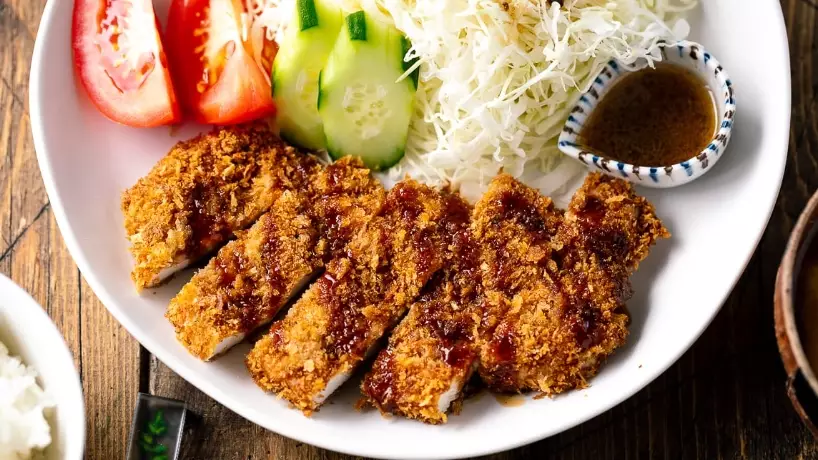
Slice the cutlet into 1-inch strips after resting for a couple of minutes. This showcases the juicy interior and makes it easy to eat. Serve it on a bed of shredded cabbage (it's a classic palate cleanser), with a wedge of lemon, a scoop of Japanese short-grain rice, and maybe a side of miso soup. That's the full, authentic experience.
Tonkatsu Chicken vs. Other Fried Chickens: A Clear Winner?
Let's be clear: this isn't Southern fried chicken or Korean fried chicken. The goals and methods are different.
| Style | Coating | Texture Goal | Typical Seasoning | Best For... |
|---|---|---|---|---|
| Japanese Chicken Tonkatsu | Panko breadcrumbs | Light, flaky, shattering crunch | Simple S&P on meat, rich sauce after | A balanced meal with rice & cabbage |
| Southern Fried Chicken | Flour/buttermilk dredge, often seasoned | Craggy, thick, hearty crust | Heavy seasoning in the flour (paprika, garlic, etc.) | Standalone comfort food |
| Korean Fried Chicken (Yangnyeom) | Often double-fried, thin starch batter | Hyper-crispy, glossy, sticky-sweet coating | Sweet, spicy, garlicky glaze |
See the difference? Chicken tonkatsu is about elegance and contrast. The seasoning is subtle on the meat itself, letting the texture and the punchy sauce do the talking.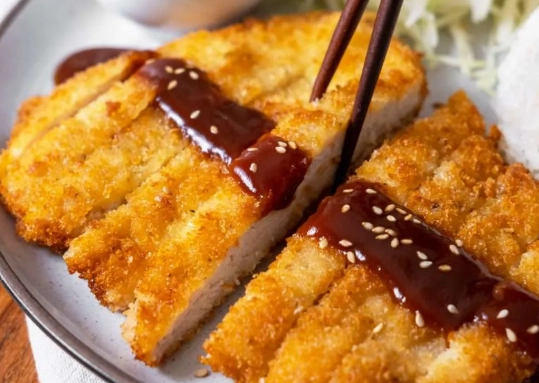
FAQ: Your Burning Questions, Answered
I get these questions all the time from friends I've taught to make this.
Common Pitfalls & How to Dodge Them
Let's learn from my (and probably your) future mistakes.
- Greasy, Soggy Crust: Oil temperature was too low. The chicken absorbs oil before the crust can seal. Use a thermometer.
- Burnt Outside, Raw Inside: Oil too hot. Lower the heat and fry a bit longer.
- Bland Chicken: You didn't season the meat itself enough before breading. Salt and pepper are essential, even with the sauce.
- Uneven Cooking: The chicken wasn't a uniform thickness. Pound or butterfly thicker parts.
- Soggy Bottom on the Plate: You sliced it immediately, releasing steam onto the plate, or you didn't drain on a rack. Let it rest whole on a rack for a few minutes before slicing.
Making perfect Tonkatsu chicken is a skill, not a mystery. It respects the process. Each step has a purpose.
You start with understanding that it's a specific technique, not just "fried chicken." You respect the ingredients, especially the panko and the choice of chicken. You control the fry with a thermometer. And you serve it with the right companions. Do that, and you'll have a dish that's not just a meal, but an experience—one that’s surprisingly simple once you know the rules of the game. Now go grab some chicken thighs and panko. Your new favorite dinner is waiting.
Reader Comments