Quick Guide
- Where Did This Cloudy, Savory Wonder Come From?
- Deconstructing the Bowl: It's All About the Miso Broth
- Not All Miso is Created Equal: The Big Three
- Rolling Up Your Sleeves: How to Make Miso Ramen at Home
- Beyond Sapporo: Regional Twists on Miso Ramen
- Your Miso Ramen Questions, Answered
- Wrapping It Up: The Soul of a Bowl
Let's talk about miso ramen. You know, the one that's not your typical clear shoyu or tonkotsu. It's the bowl that hits you with this deep, funky, savory richness that somehow feels both hearty and complex. It's the ramen you crave on a cold day, or frankly, any day you need your taste buds woken up properly.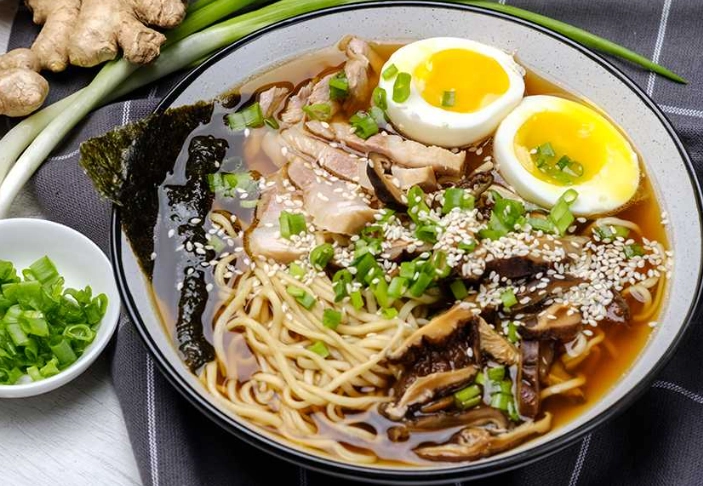
I remember my first real miso ramen. It was in a tiny shop in Sapporo, the place everyone says it was born. Steam fogged up the windows, the air smelled of fermented beans and pork fat, and the bowl that arrived was a cloudy, nutty-brown masterpiece. It was nothing like the instant stuff. It had weight. It had soul. That's what we're getting into here.
Where Did This Cloudy, Savory Wonder Come From?
Most food stories get fuzzy in the past, but with miso ramen, the timeline is surprisingly modern and specific. While ramen itself has older roots, the miso ramen we know today is widely credited to one man: Morito Omiya. Back in 1954, in Sapporo, Hokkaido, he decided to toss miso paste into a regular ramen soup. Why? Hokkaido is cold. I mean, really cold. The story goes that he was looking for something more substantial, more robust to stick to your ribs and warm you from the inside against that northern chill.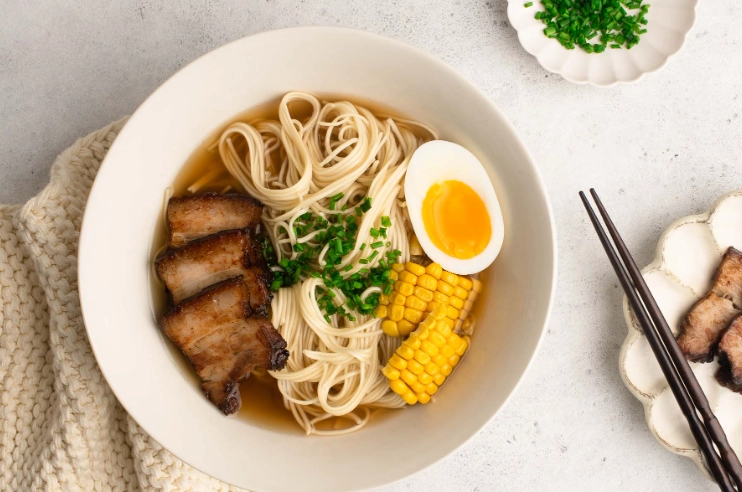
So, it's not a centuries-old tradition. It's a post-war innovation. That, to me, makes it even cooler. It's a dish born out of necessity and local flavor, which explains why it feels so grounded and satisfying. The Hokkaido region's culinary identity is built on rich, dairy-influenced, hearty foods, and miso ramen is its most famous ambassador.
Deconstructing the Bowl: It's All About the Miso Broth
Okay, let's break down why this bowl tastes the way it does. The star, obviously, is the broth. It's not a single-note soup. Think of it as a layered construction project.
The Foundation: The Base Soup (Dashi)
First, you need a solid base. Most shops use a chicken or pork bone broth (sometimes a combination), or a seafood-based dashi. This provides the underlying body and umami. A pure tonkotsu (pork bone) base would be too heavy and clash, so it's often lighter. Some places in Hokkaido use a chicken and vegetable base as their canvas. The Japan Miso Promotion Board notes that the base soup needs to complement, not overpower, the miso.
The Heart: The Miso Tare (Seasoning Paste)
This is where the magic happens. The cooked base broth is combined with a *tare*—a concentrated seasoning paste. For miso ramen, this tare is primarily miso paste, blended with other ingredients like sake, mirin, soy sauce, garlic, ginger, and often ground sesame or nuts. The cook "blooms" the miso tare in a hot wok or pan with aromatics and sometimes ground meat before ladling in the hot base soup. This frying step is crucial. It cooks out the raw edge of the miso and deepens its flavor through caramelization, giving the broth its characteristic rich, rounded, and slightly toasted flavor.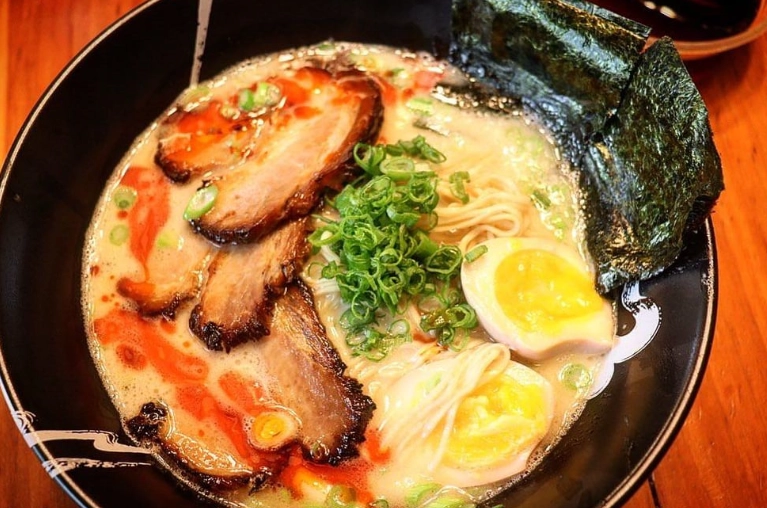
The Supporting Cast: Noodles, Toppings, and Aroma Oil
The noodles for miso ramen are typically thick, curly, and chewy. The curls help trap the thicker, cloudier broth with every slurp. They need structure to stand up to the robust soup.
Toppings are where you see Hokkaido's influence. The classic Sapporo set includes:
- Sweet Corn: Adds pops of sweetness that cut the richness.
- A pat of Butter: Melts into the broth, adding a silky mouthfeel and a dairy richness that's signature to the style.
- Bean Sprouts: Stir-fried until slightly soft, adding crunch and a vegetable note.
- Minced Pork (Soboro): Often sautéed with miso, it distributes savory meatiness throughout the bowl.
- Chashu (braised pork belly), Marinated Soft-Boiled Egg (Ajitsuke Tamago), Nori, and Bamboo Shoots (Menma) are also common.
Finally, a drizzle of aromatic oil (like garlic, chili, or sesame oil) floats on top, sealing in heat and delivering a fragrant punch with the first sip.
Not All Miso is Created Equal: The Big Three
This is where things get interesting. The choice of miso paste is the single biggest driver of flavor. Most ramen chefs use a blend, but knowing the core types helps you understand what you're tasting.
| Miso Type | Key Ingredient | Flavor Profile | Best For... |
|---|---|---|---|
| Shiro Miso (White Miso) | Rice, low soybean percentage, short fermentation. | Sweet, mild, slightly tangy. Light in color and salt. | A lighter, sweeter broth. Often used in blends to mellow out stronger miso. |
| Aka Miso (Red Miso) | Higher soybean percentage, longer fermentation. | Deep, salty, pungent, strongly umami. The most robust flavor. | Adding a powerful, savory backbone. Too much alone can be overwhelming. |
| Awase Miso (Mixed Miso) | A blend of different types (e.g., rice and barley miso). | Balanced, versatile. Can be tailored for complexity. | This is what many home cooks and shops start with for a well-rounded flavor. |
| Mame Miso (Soybean Miso) | Mostly soybeans, very long fermentation. | Extremely deep, dark, almost chocolatey umami. Very salty. | Used sparingly in blends for an intense depth of flavor. The secret weapon. |
My personal favorite blend for a home miso ramen recipe is about 60% Awase, 30% Shiro, and just a 10% spoonful of Aka or Mame for punch. It gives you sweetness, body, and that deep kick without any one note shouting over the others. A shop's specific blend is often their most guarded secret.
Rolling Up Your Sleeves: How to Make Miso Ramen at Home
Can you make a decent version at home without professional equipment? Absolutely. Will it be exactly like a shop that simmers bones for 12 hours? No. But it can be incredibly delicious and deeply satisfying. Here’s a realistic approach.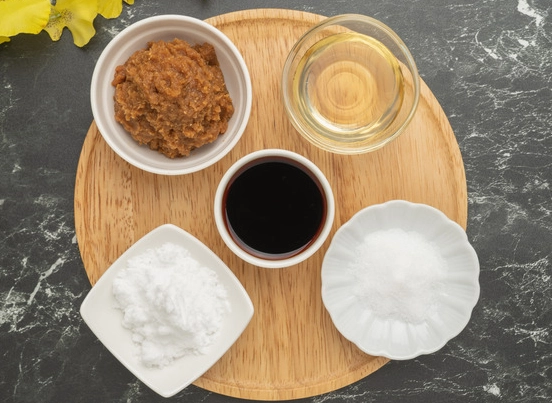
Stage 1: The Broth (The Day Before, If You Can)
Forget about boiling pork bones for a day. A great shortcut is a combined broth. I use a mix of good-quality chicken stock (homemade if you have it, a low-sodium store-bought works in a pinch) and a simple kombu (dried kelp) and shiitake dashi. Simmer them together for an hour. This gives you a clean, umami-rich base that’s ready to carry the miso flavor. The key is layering flavors, not just using water.
Stage 2: The Miso Tare (The Flavor Bomb)
This is where you build your flavor. In a bowl, mix:
- ½ cup of your miso blend (I like the 60/30/10 mix mentioned above).
- 1 tbsp sake, 1 tbsp mirin.
- 1 tbsp grated ginger, 2 cloves grated garlic.
- 1 tbsp tahini or ground sesame seeds (this is a game-changer for creaminess).
- 1 tbsp soy sauce or tamari.
In a wok or skillet, sauté 100g of ground pork until browned. Add the miso paste mixture and fry it with the pork for 2-3 minutes until it’s fragrant and darkens slightly. This is that crucial "blooming" step. This paste can be made ahead and stored in the fridge.
Stage 3: Assembly and Toppings
Cook your ramen noodles (fresh or good-quality dried) according to package directions. In your serving bowl, place a big spoonful (about 2-3 tbsp) of the miso-meat tare. Ladle in about 350ml of your piping hot broth and whisk to dissolve the tare completely. Drain your noodles and add them to the broth. Now, top it all off.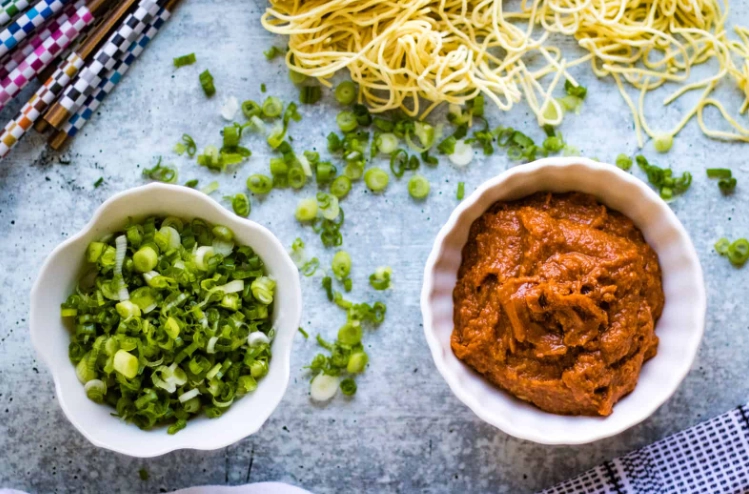
For toppings, keep it simple but authentic:
- Your sautéed corn and bean sprouts (just fry them quickly in a pan with a little oil and salt).
- A thin slice of good butter.
- Sliced chashu (you can buy it pre-made at some Asian markets, or braise pork belly the day before—it's a project, but worth it).
- A halved marinated soft-boiled egg (soak boiled eggs in a mix of soy, mirin, and water for a few hours).
- A drizzle of chili oil or rayu (chili-infused oil).
Beyond Sapporo: Regional Twists on Miso Ramen
Sapporo style is the king, but it's not the only player. As miso ramen spread across Japan, local areas put their spin on it.
Tokyo Miso Ramen: Often lighter. They might use a clearer chicken broth and a less aggressive miso blend, with more traditional toppings like spinach and naruto (fish cake). It's more refined, less of a winter-warrior meal.
Nagoya Miso Ramen (Taiwan Ramen): This is a wild one. It originates from Nagoya but is called "Taiwan" after the Taiwanese chef who invented it. It's a spicy, garlicky, ground pork-heavy miso ramen, often with bean sprouts and scallions. It's a flavor assault in the best way. Not for the faint of heart.
Hakata Miso Ramen: A fusion. They take their famous, milky-white tonkotsu (pork bone) broth and blend it with a miso tare. The result is incredibly rich, thick, and heavy. It's a double-umami bomb. I find it amazing, but I can only eat half a bowl before I need a nap.
Your Miso Ramen Questions, Answered
Wrapping It Up: The Soul of a Bowl
At the end of the day, the best miso ramen isn't about following a recipe to the gram. It's about balance. It's that dance between the deep, fermented savoriness of the miso and the sweet fat of the butter. It's the chew of the noodle against the soft give of the chashu. It's a dish that feels generous and warming.
It started as a practical solution to Hokkaido's cold and evolved into a beloved national treasure. Whether you're seeking out the best miso ramen at a famous shop or nervously frying your first batch of miso paste at home, you're participating in that story. You're after that same warmth, that same deep satisfaction in a bowl.
Just remember to slurp. It cools the noodles and aerates the broth, letting all those layered flavors hit your palate at once. It's not just polite; it's essential.
Reader Comments