Quick Navigation
- What Exactly Is Tataki Beef? (It's Not What You Think)
- The Non-Negotiable: Choosing the Right Beef
- Top Cuts for Tataki Beef
- The Step-by-Step: Making Tataki Beef at Home
- The Soul of the Dish: Sauces and Accompaniments
- Must-Try Dipping Sauces
- Common Pitfalls (And How to Avoid Them)
- Answering Your Tataki Beef Questions
- Taking It Further: Variations and Ideas
Let's be honest, the first time I heard "tataki beef," I pictured something completely different. Maybe a spicy dish? Something heavily marinated? I was so wrong. What I discovered was this incredibly elegant, simple, yet deeply flavorful Japanese preparation that's now a regular in my kitchen. It's not a complicated restaurant secret, but getting it right does hinge on a few key things. If you've ever looked at a beautifully seared, ruby-red slice of tataki beef and wondered, "Can I do that at home?" – the answer is a resounding yes. This guide is everything I wish I'd known when I started.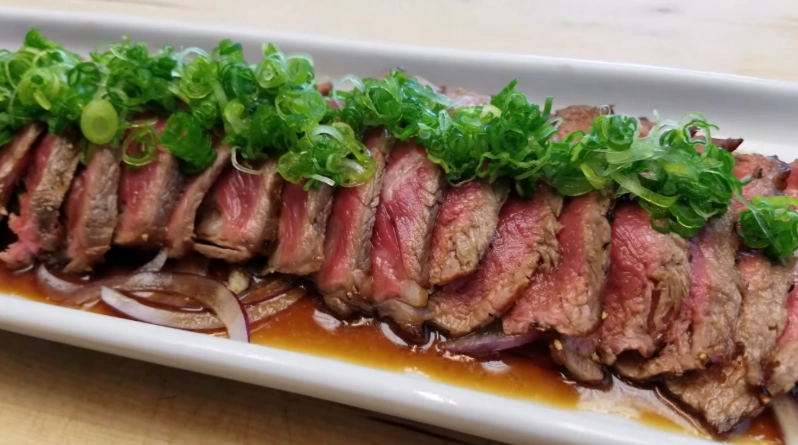
The beauty of tataki beef lies in its contrast. A fiercely hot, crisp sear giving way to a cool, tender, almost silky interior. It's a textural dream. But here's where people often get tripped up. It's not steak tartare, and it's not a fully cooked steak. It occupies this perfect middle ground that can seem intimidating but is surprisingly approachable.
What Exactly Is Tataki Beef? (It's Not What You Think)
Okay, let's clear the air first. "Tataki" (たたき) in Japanese roughly translates to "pounded" or "beaten." Historically, this referred to the method of briefly searing fish or meat over high heat and then sometimes lightly pounding it. For beef tataki, the modern interpretation focuses less on the pounding (though you can do it for texture) and more on the sear-and-chill technique.
The Core Idea: Take a premium cut of beef, sear the outside over blistering heat for mere seconds to minutes, creating a flavorful crust, then immediately plunge it into an ice bath or refrigerate to stop the cooking. The result? A rare, cool center with a warm, savory exterior. It's served thinly sliced, often with dipping sauces that cut through the richness.
I made the mistake early on of confusing it with carpaccio. Big difference. Carpaccio is raw, sliced paper-thin. Tataki has that cooked layer, that Maillard reaction (the browning that creates deep flavor) on the outside, which changes everything. That sear isn't just for looks; it adds a layer of savory, umami complexity that pure raw beef lacks.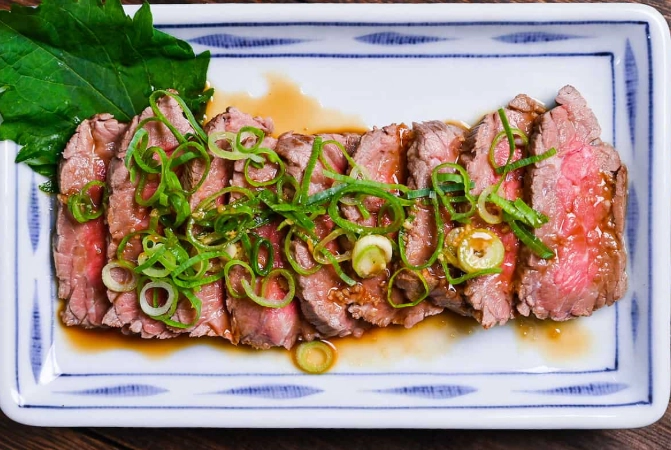
The Non-Negotiable: Choosing the Right Beef
This is the make-or-break step. You cannot make great tataki beef with just any piece of meat from the supermarket. Because the interior is essentially raw, the quality, freshness, and cut are paramount for both safety and flavor.
Safety First: Always source your beef from a reputable butcher or supplier you trust. Since it will be rare, you want the highest quality, freshest meat possible. Look for bright red color and avoid any meat with a off smell or slimy texture. The USDA provides guidelines on safe food handling, which is crucial when preparing dishes with minimally cooked meat.
Forget about tough, gristly cuts. You need something tender, well-marbled (that's the white fat streaks within the muscle), and flavorful. The marbling is key—it melts during the brief sear and chilling, basting the meat from the inside, keeping it juicy and tender even when cold.
Top Cuts for Tataki Beef
Through trial and error (and some less-than-perfect results), here's my breakdown of the best cuts. A quick table to compare:
| Beef Cut | Why It Works | Potential Drawback | My Personal Take |
|---|---|---|---|
| Beef Tenderloin (Filet Mignon) | Extremely tender, lean, buttery texture. Uniform shape makes for even searing and beautiful slices. | Can be pricey. Less marbling means slightly less intrinsic beefy flavor compared to others. | The classic choice for a reason. Foolproof for tenderness, but you rely heavily on the sear and sauce for flavor. My go-to for guests. |
| Strip Loin (New York Strip) | Excellent balance of tenderness and robust beef flavor. Good marbling. | Can have a strip of gristle on one side that needs trimming. | My favorite for flavor. It has more character than tenderloin. Just trim it well. |
| Ribeye (without the bone) | Superb marbling equals incredible juiciness and rich flavor. The fat renders beautifully. | Can be too fatty for some. Uneven fat distribution can lead to uneven cooking if not seared properly. | For a decadent, flavor-packed tataki beef experience, this is king. Requires a bit more attention during searing to crisp up the fat caps. |
| Sirloin (Top Sirloin Cap/Picanha) | Great beefy flavor, more affordable. A good fat cap on the picanha can be seared to perfection. | Can be slightly less tender than the top three. Needs to be sliced very thin against the grain. | The best budget-friendly option that still delivers. Perfect for practicing your technique. |
I tried making tataki beef with chuck steak once, thinking I could save money. Don't. It was chewy and disappointing. The investment in a good cut is non-negotiable here.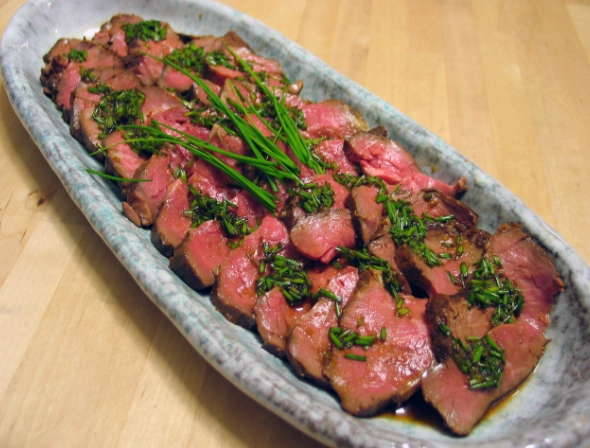
The Step-by-Step: Making Tataki Beef at Home
Here's the process, broken down without any fluff. It's simpler than you think.
Step 1: Prep the Beef
Take your chosen cut out of the fridge about 20-30 minutes before cooking. Pat it extremely dry with paper towels. This is critical. Any moisture on the surface will steam the meat instead of searing it. You want it bone-dry. Season liberally with coarse sea salt or kosher salt and freshly ground black pepper. Some recipes call for a light coating of oil, but I find a dry surface on a very hot pan works better.
Step 2: The Blistering Sear
Heat a heavy-bottomed skillet (cast iron is perfect) or a grill pan over the highest heat possible until it's smoking hot. You should be able to feel the intense heat radiating from it. No oil needed if your pan is well-seasoned or non-stick.
Place the beef in the pan. Don't move it. Let it sear for 45 seconds to 1 minute 30 seconds per side, depending on thickness. You're aiming for a deep brown, almost charred crust on all sides, including the edges. Use tongs to hold it up. This should take 2-4 minutes total. The inside will still be completely cold and raw—that's the goal.
That smell? That's the magic happening.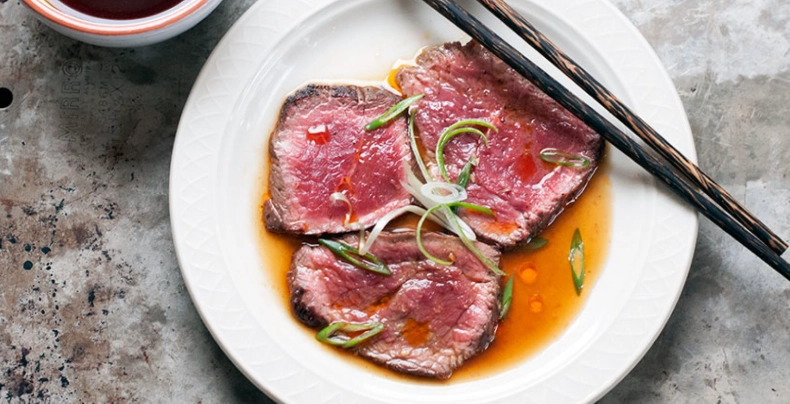
Step 3: The Critical Chill
Immediately transfer the seared beef to a bowl of ice water. Yes, straight into icy water. This shocks the meat, stopping the cooking process dead in its tracks and locking in that rare center. Leave it for 5-10 minutes. Alternatively, you can wrap it tightly in plastic wrap and freeze it for 30-45 minutes. The ice bath is faster and gives a more consistent chill.
Step 4: Slice and Serve
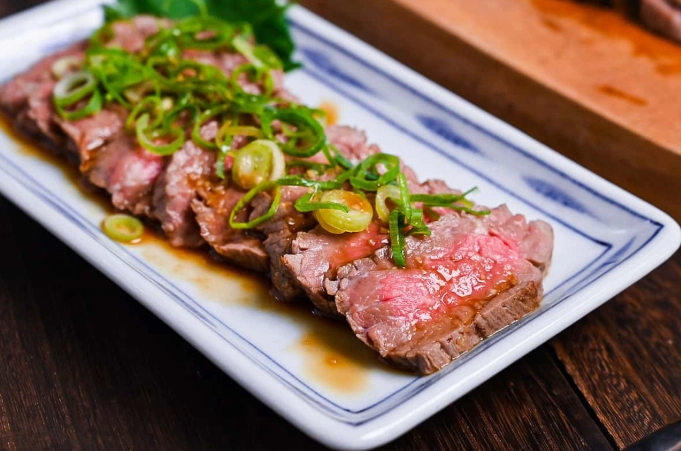
Remove the beef from the ice bath, pat it completely dry again. Using a very sharp knife (a Japanese santoku or a good chef's knife), slice it as thinly as you can, about 1/8 to 1/4 inch thick. Slicing against the grain is essential for tenderness, especially with cuts like sirloin. Arrange the slices on a plate. They should be cool to the touch, with a perfect gradient from the dark sear to the bright red center.
The Soul of the Dish: Sauces and Accompaniments
The tataki beef itself is subtle and rich. The sauces are where you get to play and add brightness, acidity, saltiness, and umami. You don't need all of these, but having one or two is essential.
Must-Try Dipping Sauces
- Ponzu Sauce: The classic. It's a citrus-based soy sauce. You can buy it, but making a quick version is easy: mix equal parts fresh lemon or yuzu juice and good-quality soy sauce, add a tiny bit of mirin and grated daikon radish if you have it. The acidity cuts through the fat perfectly.
- Ginger-Scallion Sauce: Finely minced fresh ginger and scallions, a pinch of salt, and hot oil poured over to sizzle it all. Simple, aromatic, and fantastic.
- Wasabi Soy: Just as it sounds. Mix a teaspoon of real wasabi paste (or the powdered kind, in a pinch) into a few tablespoons of soy sauce. Spicy and direct.
- Miso-Based Sauce: A tablespoon of white miso paste thinned with a little rice vinegar, mirin, and sesame oil. Rich and savory.
For serving, keep it simple. A bed of crisp, shredded daikon radish or mixed greens. Maybe some microgreens or shiso leaves for a peppery bite. A sprinkle of toasted sesame seeds or fried garlic chips adds nice texture.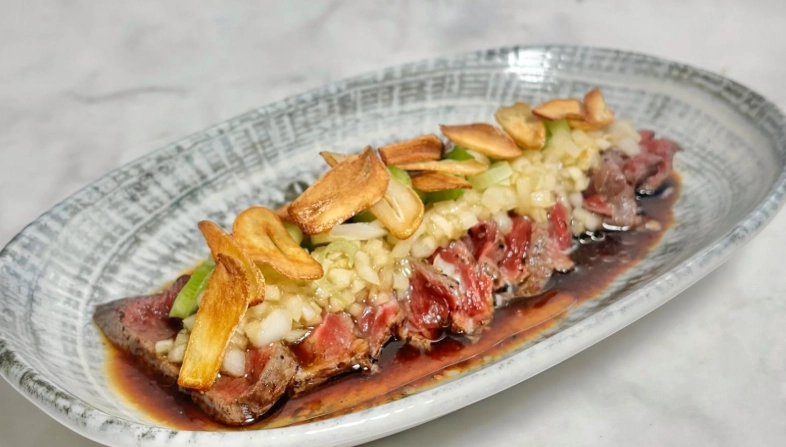
Common Pitfalls (And How to Avoid Them)
I've messed up enough times to have a list of what not to do.
The Sear Isn't Hot Enough: This is the number one mistake. A lukewarm pan will gray the meat and cook the inside before a crust forms. Wait for the smoke.
Slicing Too Thick: Thick slices of cold, rare beef can feel challenging to eat. Thin slices are elegant and melt-in-your-mouth.
Skipping the Chill: If you just let it rest at room temperature, the residual heat will continue to cook the center. You'll lose that perfect rare interior. The ice bath is not optional.
Using Low-Quality Beef: It bears repeating. This dish showcases the beef. Don't hide a mediocre cut with this technique; it won't work.
Answering Your Tataki Beef Questions
Here are the things I found myself searching for when I first started.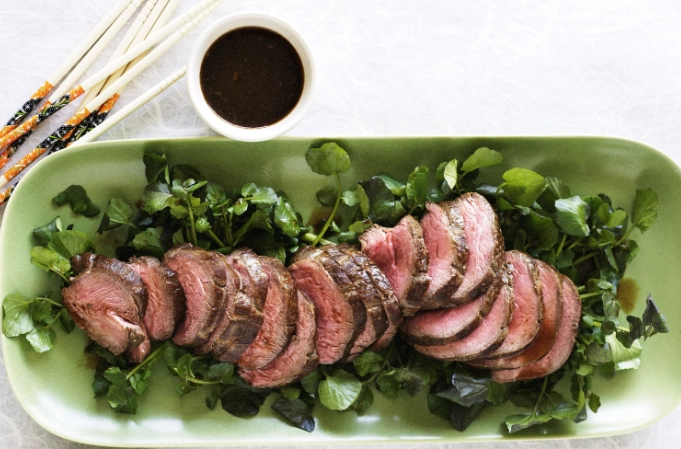
Taking It Further: Variations and Ideas
Once you've mastered the basic beef tataki, you can play around.
Herb-Crusted: Roll the dried beef in cracked black pepper, sesame seeds, or finely chopped herbs before searing for an extra crust.
Different Proteins: The tataki method is classic with tuna (maguro tataki), but also works wonderfully with salmon, duck breast, or even venison.
Marinate Before Searing: A very brief (15-30 minute) marinade in soy, ginger, and garlic can add another layer of flavor. Pat completely dry before searing.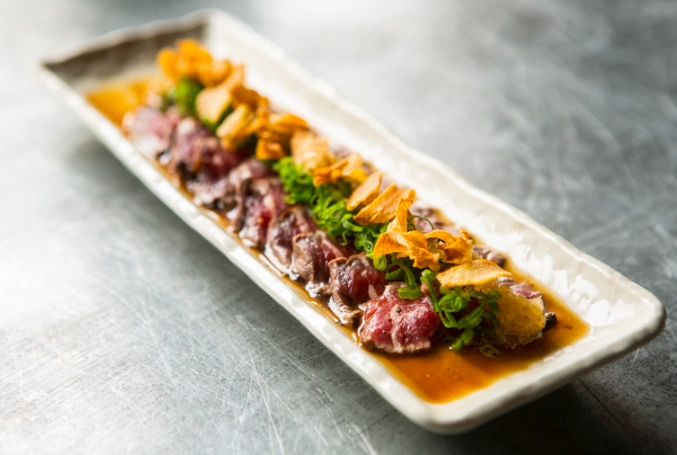
The journey to making great tataki beef at home is really about understanding a few simple principles: high heat, high quality, and a quick chill. It feels fancy, but the process is straightforward. It's a perfect dish for impressing friends or just treating yourself to something special that doesn't require hours in the kitchen. Start with a good piece of sirloin or tenderloin, get your pan screaming hot, and don't be afraid of the ice bath. That contrast of hot-seared-crust and cool-rare-center is something truly unique. Give it a try—you might just find it becomes your new favorite way to enjoy beef.
Reader Comments