重点摘要
- The Quick-Fire Comparison: Aburasoba vs Soba at a Glance
- Getting to Know Traditional Soba: The Art of Simplicity
- Meeting Aburasoba: The Rebel Without a Broth
- Head-to-Head: When to Choose Which?
- Beyond the Basics: Variations and Twists
- Your Questions, Answered (The FAQ)
- The Final Verdict: It's Not a War, It's a Pantry
Let's be real. You're here because you saw a picture of something called "Aburasoba" online, probably looking incredibly glossy and decadent, right next to a bowl of elegant, traditional soba. And now you're stuck. Which one do you try? Is one just a fancier version of the other? Is Aburasoba just soba without soup? (Spoiler: not really).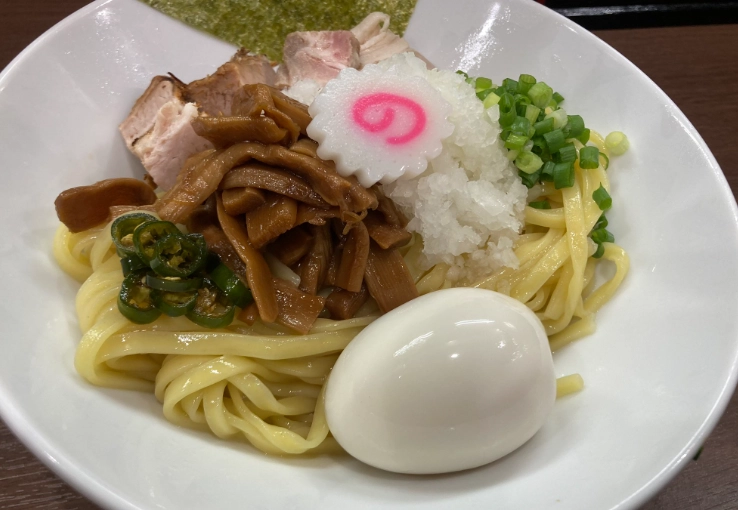
I remember the first time I faced this choice in a tiny Tokyo alleyway. The menu had both. I froze. The server just smiled patiently. I went with the soba, watched someone else get the aburasoba, and instantly had order envy. The glossy sheen on those noodles... I went back the next day just for the aburasoba. Lesson learned.
This isn't just about soup vs no-soup. The Aburasoba vs soba debate taps into a whole philosophy of Japanese noodles. One is about clarity, tradition, and subtlety. The other is about intensity, modern comfort, and unapologetic flavor. Let's break it down so you never have to stand frozen in front of a menu again.
The Core Difference in One Line: Traditional soba is about the harmony of noodles, broth (tsuyu), and toppings served separately or together. Aburasoba is about the marriage of noodles, a rich, oily sauce, and ingredients all tossed together in one bowl—no broth in sight.
The Quick-Fire Comparison: Aburasoba vs Soba at a Glance
Before we dive into the history and the nitty-gritty, here’s a snapshot. This table should clear up the basic confusion right away.
| Feature | Traditional Soba (Mori/Zaru Soba) | Aburasoba (油そば) |
|---|---|---|
| Broth/Soup | Yes. A delicate, dashi-based dipping sauce (tsuyu) or hot broth. | No broth. It's a "broth-less" noodle dish. |
| Base Flavor | Served with a separate tsuyu for dipping. The flavor is in the dipping sauce. | Flavor comes from a savory, oily sauce (tare) tossed with the noodles. |
| Texture Focus | The texture of the soba noodle itself is paramount—firm, nutty, distinct. | The texture of the sauce clinging to the noodle is key—creamy, slick, cohesive. |
| Typical Toppings | Simple: Nori seaweed, wasabi, maybe a dab of grated daikon. | Heartier: Chashu pork, menma (bamboo shoots), nori, seasoned egg, green onions. |
| Eating Experience | More ritualistic, segmented. Dip, slurp, sip broth. | More direct and unified. Mix everything and dig in. |
| Cultural Vibe | Traditional, elegant, seasonal, often associated with tea ceremony aesthetics. | Modern, hearty, "comfort food," popularized in the 20th century. |
| Perceived Health | Seen as lighter, healthier due to buckwheat and clear broth. | Seen as richer, more indulgent due to the oily sauce and heavier toppings. |
See? They're cousins, not twins. Maybe not even first cousins. More like cousins who took very different life paths.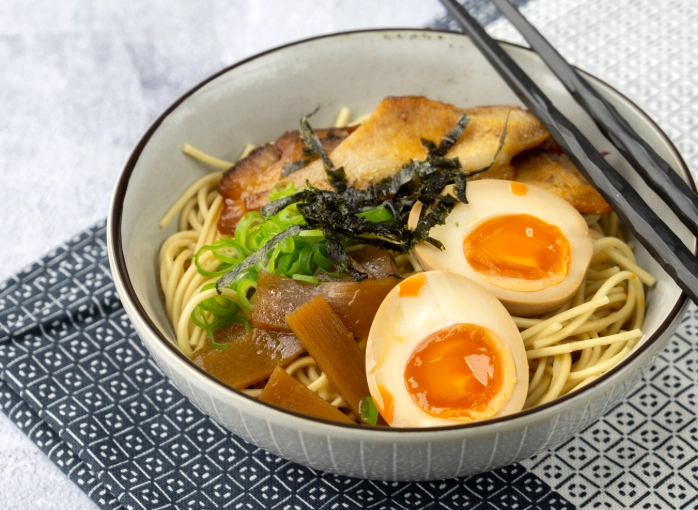
Getting to Know Traditional Soba: The Art of Simplicity
Let's start with the elder statesman. When people say "soba," they usually mean the traditional noodles served chilled with a dipping sauce (mori or zaru soba) or in a hot broth (kake soba).
Soba (蕎麦) refers specifically to noodles made from buckwheat flour. The quality is often judged by the percentage of buckwheat (soba-ko) to wheat flour (komugi-ko). Juwari soba is 100% buckwheat—pricier, more fragile, and deeply flavorful.
The magic of traditional soba is in its restraint. It's not trying to overwhelm you. A good soba restaurant is a quiet place. You get a bamboo tray (zaru) of neat, gray-brown noodles, a small cup of dark, fragrant dipping sauce (tsuyu), and maybe some finely sliced green onions and wasabi on the side.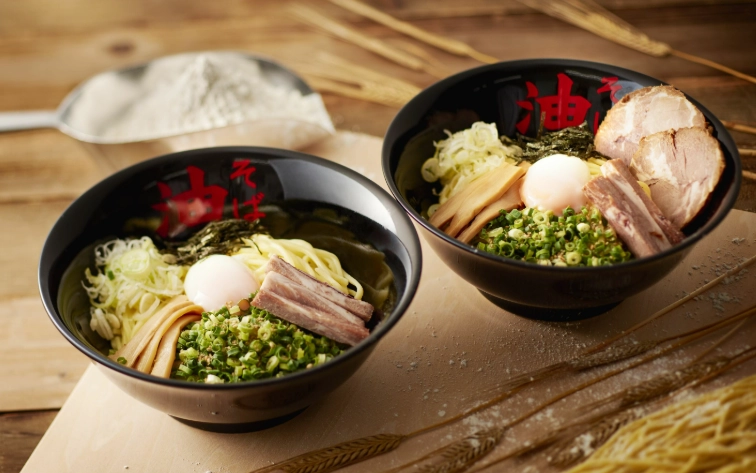
You take a few noodles, dip them lightly—don't drown them—slurp them up (slurping is encouraged, it aerates the flavor), and that's it. The flavor is clean, slightly nutty from the buckwheat, with the salty-sweet-umami punch from the tsuyu made from dashi, soy sauce, and mirin. After you finish the noodles, you're often given sobayu, the hot water the soba was cooked in, to mix into your leftover tsuyu and drink as a soothing soup. It's a full, elegant cycle.
I have to admit, sometimes I find super high-end juwari soba a bit... austere. It can feel more like an appreciation of texture and ingredient purity than a satisfying meal if you're really hungry. It's an experience, sometimes more than it is comfort food.
Why People Love Traditional Soba
- Health Credentials: Buckwheat is packed with rutin, fiber, and protein. It's gluten-free if it's 100% buckwheat. The broth is usually light and hydrating.
- Clarity of Flavor: You taste each component distinctly—the noodle, the sauce, the garnish. Nothing is muddled.
- Cultural Depth: You're participating in a centuries-old tradition. Eating soba on New Year's Eve (toshikoshi soba) is a classic ritual for a long life.
- Can Be Pricey: High-quality handmade soba is an artisanal product. You pay for the skill.
- Acquired Taste for Some: The nutty, earthy flavor of buckwheat and the fish-based dashi aren't for everyone initially.
- Less Filling Toppings: It's often more about the noodles than a mountain of toppings, which can leave some eaters wanting more substance.
For an authoritative look at soba's history and cultural significance, the Japan National Tourism Organization's guide is an excellent resource straight from the source.
Meeting Aburasoba: The Rebel Without a Broth
Now, enter the contender. Aburasoba literally means "oil noodles" or "fat noodles." Don't let that translation scare you. The "oil" isn't just any oil; it's a beautifully crafted, aromatic sauce—a tare (seasoning sauce) that's rich in fat, usually from chicken back fat, pork fat, or fragrant oils like sesame or perilla oil.
No broth. Think of it as a deconstructed ramen, or a soba take on mazemen (brothless ramen).
Its origins are murkier and more modern than soba's. It's widely believed to have been popularized in the 1950s in Tokyo's Kanda district, born out of post-war ingenuity and a desire for something hearty, fast, and deeply satisfying. It's street food that graduated to cult status.
The bowl arrives looking deceptively dry. Underneath a pile of chashu, a seasoned soft-boiled egg (ajitsuke tamago), menma, and green onions, lies a nest of noodles with a pool of that magical, dark sauce at the bottom. Your first and most important job is to mix. Get in there with your chopsticks and lift from the bottom, coating every strand of noodle in that glossy, savory coating.
The mouthfeel is everything. The sauce clings to the noodle, creating a creamy, unctuous sensation that's completely different from the wetness of soup. Every bite is consistent and packed with flavor. It's less about subtlety and more about delivering a direct hit of umami and satisfaction.
The Anatomy of a Great Aburasoba Sauce
The sauce (tare) is the secret weapon. While every shop has its own recipe, it typically includes:
- A Fat Base: Rendered chicken or pork fat (this is the "abura"), sesame oil, or mayu (black garlic oil).
- Umami Boosters: Soy sauce, tare from ramen, oyster sauce, pureed vegetables.
- Acidity & Sweetness: A touch of vinegar (black vinegar is common) and mirin or sugar to balance.
- Aromatics: Garlic, ginger, fried shallots—blended right into the sauce.
Key Point: In the Aburasoba vs soba debate, the sauce is the star of aburasoba, while the noodle is the star of traditional soba.
Head-to-Head: When to Choose Which?
Okay, so you know what they are. But when do you crave one over the other? Let's talk scenarios.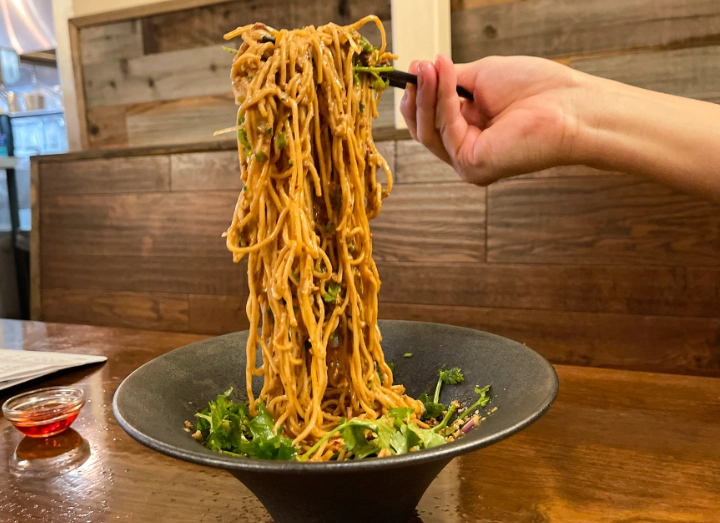
Choose Traditional Soba If...
- You want a light, refreshing meal. A hot summer day? Chilled zaru soba is perfection.
- You're focusing on health or dietary needs (gluten-free, lower calorie).
- You're in the mood for a traditional, almost meditative dining experience.
- You want to appreciate the subtle, nutty flavor of buckwheat itself.
- You're eating late and don't want something too heavy on the stomach.
Choose Aburasoba If...
- You want something deeply savory, rich, and comforting—a flavor punch.
- You're really hungry and want a hearty, filling bowl with lots of toppings.
- You love the texture of saucy, glossy noodles (like a great pasta aglio e olio).
- You're looking for a quick, modern, and intensely satisfying meal.
- The weather is cold and you want richness, but maybe not a ton of hot liquid.
Honestly, my mood dictates my choice more than anything. Feeling delicate or refined? Soba. Need a hug in a bowl or had a tough day? Aburasoba, no question.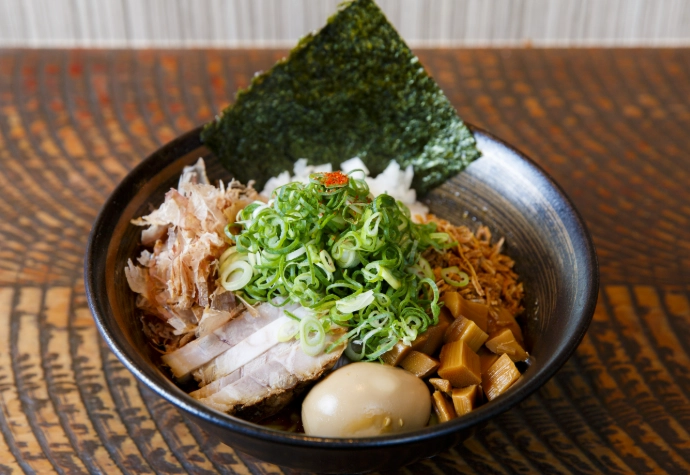
Beyond the Basics: Variations and Twists
The world of Aburasoba vs soba isn't binary. There's a whole spectrum.
Soba's Extended Family
Tempura soba (with a giant shrimp tempura on top), kitsune soba (with sweet fried tofu), tororo soba (with grated mountain yam for a slimy, nutritious topping). The hot broth version, kake soba, is a different beast entirely—warmer, simpler, often eaten for breakfast.
Aburasoba's Playful Cousins
Many shops offer spice levels (from a hint of chili oil to inferno levels). Some add a scoop of creamy egg yolk or mentaiko (spicy cod roe) for extra luxury. There's also "tsukemen-style" aburasoba, where you get a thicker, more concentrated dipping sauce on the side for an even more intense experience.
For a deep dive into the specifics of noodle composition and food science, the Japanese Ministry of Agriculture, Forestry and Fisheries (MAFF) has publications on grain production, including buckwheat, which underpins soba's very existence.
Your Questions, Answered (The FAQ)
Is aburasoba just dry ramen?
It's a fair question, and they're close relatives. Aburasoba typically uses soba noodles (which can be wheat-based or buckwheat blend), while ramen/mazemen uses specific alkaline ramen noodles (men). The sauce profile for aburasoba often has a distinct flavor profile, sometimes leaning more towards a soy/garlic/oil base reminiscent of some Chinese noodle dishes. But yes, the brothless concept is very similar to mazemen.
Can I make aburasoba at home?
Absolutely, and it's easier than making a full ramen broth! The key is the tare sauce. You can make a simple version with good soy sauce, mirin, sesame oil, a bit of sugar, and some rendered chicken fat (save it next time you cook chicken thighs). Toss it with cooked noodles (even dried ramen or udon in a pinch), top with whatever you have—leftover roast pork, a soft-boiled egg, green onions. Mix well. It's a fantastic pantry meal.
Which one is healthier, aburasoba or soba?
Traditional soba generally takes the crown here. The 100% buckwheat noodles are high in protein and fiber, and the meal is lower in fat and calories. Aburasoba, with its oily sauce and richer toppings, is more of an indulgence. However, you can find healthier aburasoba variations—using leaner proteins, more vegetables, and less heavy sauce. It's all about balance.
I'm vegetarian. Can I eat either?
Traditional soba is easier to adapt. You can find or request vegetarian tsuyu (dashi made from kombu and shiitake instead of fish). Zaru soba with just noodles and dipping sauce is often vegan by default (check the tsuyu). Aburasoba is trickier, as the sauce traditionally relies on animal fats and meat-based tare. However, some modern restaurants offer vegetarian aburasoba using mushroom-based sauces and plant oils. Always ask.
Why is the "Aburasoba vs soba" comparison so confusing?
Because the names are similar! "Soba" in Aburasoba often refers to the noodle shape/style (thin, straight), not necessarily the ingredient. Many aburasoba shops use wheat noodles similar to ramen, not buckwheat noodles. So you're often comparing a dish named for its sauce (oil noodles) to a dish defined by its noodle ingredient (buckwheat noodles). It's a linguistic overlap that causes the initial confusion.
The Final Verdict: It's Not a War, It's a Pantry
So, who wins in Aburasoba vs soba?
Nobody. And everybody.
They serve different purposes. Trying to declare a winner is like trying to decide if coffee is better than tea. It depends on the time of day, your mood, the weather, what you ate yesterday.
Traditional soba is your go-to for a clean, refined, and genuinely healthy meal that connects you to Japanese history. It's a skill to appreciate, a quiet luxury.
Aburasoba is your rebellious, flavor-forward comfort food. It's modern, bold, and unapologetically delicious. It's the meal you crave after a long walk, when you need something substantial and deeply satisfying.
The best advice I can give? Don't choose between them. Embrace both. Let your cravings guide you. Have a sublime zaru soba for lunch on a bright day. Seek out a famous aburasoba joint for a hearty dinner. The beauty of Japanese noodle culture is its incredible range. The real victory is getting to experience both ends of that spectrum.
Now you're armed with the knowledge. You won't just stare at the menu. You'll know exactly what each choice promises. And maybe, just maybe, you'll be the one causing order envy at the next table.
Reader Comments