Let's be honest. The idea of making a sushi roll at home can feel intimidating. That perfect cylinder, the neat slices, the delicate balance of flavors—it seems reserved for chefs with years of training. I thought the same thing until I ruined about five bamboo mats with sticky rice and had a cucumber shoot across the kitchen. But here's the secret no fancy restaurant will tell you: making great sushi rolls is more about technique and good ingredients than innate talent. It's a fun, messy, and incredibly satisfying kitchen project that demystifies a global favorite.
This isn't just another list of recipes. We're going deep into the how and the why. I'll share the mistakes I made so you don't have to, and we'll look at rolls that go way beyond the California roll.
What You'll Find in This Guide
Gear Up: The Essential (and Non-Essential) Tools
You don't need a sushi chef's toolkit. Start with these basics:
- A Bamboo Rolling Mat (Makisu): This is the one non-negotiable for traditional rolls. Get one without a fabric edge—they're easier to clean. Rinse it and let it dry completely after each use to prevent mold.
- A Very Sharp Knife: A sharp chef's knife is more important than a special "sushi" knife. A dull blade will mangle your roll.
- A Rice Cooker (Highly Recommended): It takes the guesswork out of cooking short-grain rice. If you don't have one, a heavy-bottomed pot with a tight lid works.
- A Wide, Shallow Bowl (Hangiri): Traditional, but not essential. A large glass or wooden bowl works for cooling and seasoning the rice. Metal can react with the vinegar.
What you can skip at first: fancy rice paddles, automatic rollers, and special sushi presses. Your hands and a regular spatula are fine.
Pro Tip I Learned the Hard Way: Wrap your bamboo mat tightly in plastic wrap before you start rolling. It creates a non-stick surface and makes cleanup a 10-second job. No more picking rice out of the bamboo slats.
Rice Mastery: The 80% of the Battle
Great sushi roll starts and ends with the rice. It's the foundation, the glue, and the flavor carrier. Using the wrong rice or treating it poorly is the #1 reason home sushi fails.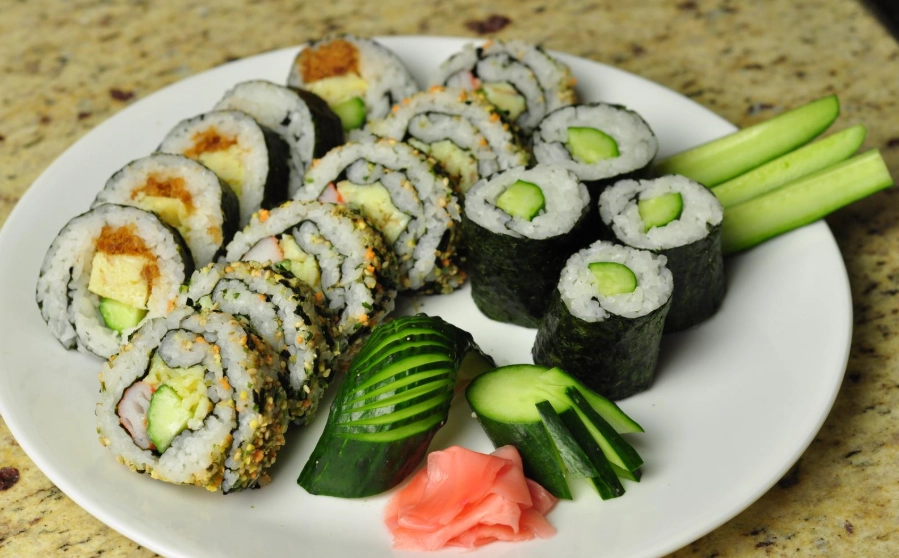
You must use Japanese short-grain rice (often labeled "sushi rice"). Brands like Koshihikari or Tamaki Gold are reliable. The starch content is what gives it that sticky, clingy texture.
The Ritual:
- Rinse. Put the rice in a bowl, cover with cold water, and swirl aggressively. The water will turn cloudy. Drain. Repeat 4-5 times until the water runs almost clear. This removes excess surface starch that makes rice gummy.
- Cook. Use the rice cooker or a 1:1.1 rice-to-water ratio in a pot. Let it steam off the heat for 10-15 minutes after cooking.
- Season. While the rice cooks, gently heat a mix of rice vinegar, sugar, and salt until dissolved. Transfer the hot rice to your wide bowl. Pour the seasoning evenly over it. Using a cutting and folding motion with a spatula (fan the rice if you can), mix to coat every grain and cool it down to room temperature. Cover with a damp cloth.
The rice should be glossy, slightly sticky to the touch, and have separate grains. If it's a mushy paste, you overcooked it or didn't rinse enough.
Step-by-Step: Your First Perfect Roll
Let's make a classic tuna avocado roll (Tekka Maki). Assume your rice is ready, your bamboo mat is wrapped in plastic, and you have sliced tuna and avocado strips.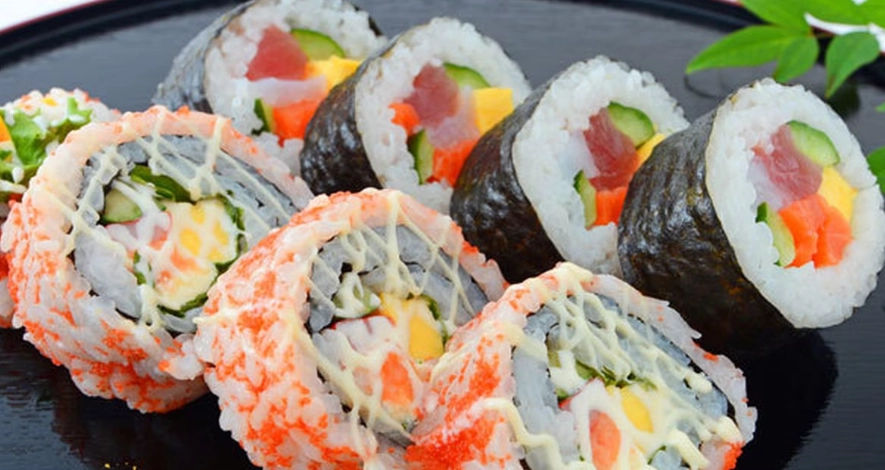
- Prep the Nori. Place a half sheet of nori (rough side up) on the mat. Have a small bowl of water with a splash of vinegar nearby for wetting your fingers.
- Spread the Rice. Grab a handful of rice (about ¾ cup). Gently press and spread it evenly over the nori, leaving a 1-inch strip bare at the top edge. Your layer should be thin—you should almost see the nori through it. Wet your fingers to prevent sticking.
- Add Fillings. Lay your tuna and avocado in a horizontal line across the rice, about one-third up from the bottom edge. Don't overstuff. One or two ingredients max for your first try.
- The Roll. Lift the mat and nori from the bottom edge, using your thumbs. Fold it over the fillings, tucking them in tightly. Pull the mat back slightly, then continue rolling forward, applying gentle, even pressure along the length of the roll. The bare strip of nori at the top will seal the roll.
- Shape. Give the rolled mat a gentle squeeze along its length to form a neat cylinder. Unwrap the mat.
- Slice. With your sharp, wet knife, cut the roll in half. Wipe the knife. Line the two halves up and cut each into three pieces. Wipe the knife between every cut.
It might not be perfect the first time. My first roll looked like a rice burrito. But by the third attempt, you'll see the shape coming together.
Beyond the Basics: Roll Varieties Explained
Not all sushi rolls are created equal. Understanding the styles helps you order confidently and expand your home repertoire.
- Hosomaki: The "thin roll." Uses a half sheet of nori, a thin layer of rice, and one primary filling (like tuna, cucumber, or pickled radish). It's elegant and all about the purity of a single flavor.
- Futomaki: The "fat roll." Uses a full nori sheet, more rice, and 3-5 colorful fillings (like egg, spinach, shiitake, carrot). Often vegetarian and eaten during festivals.
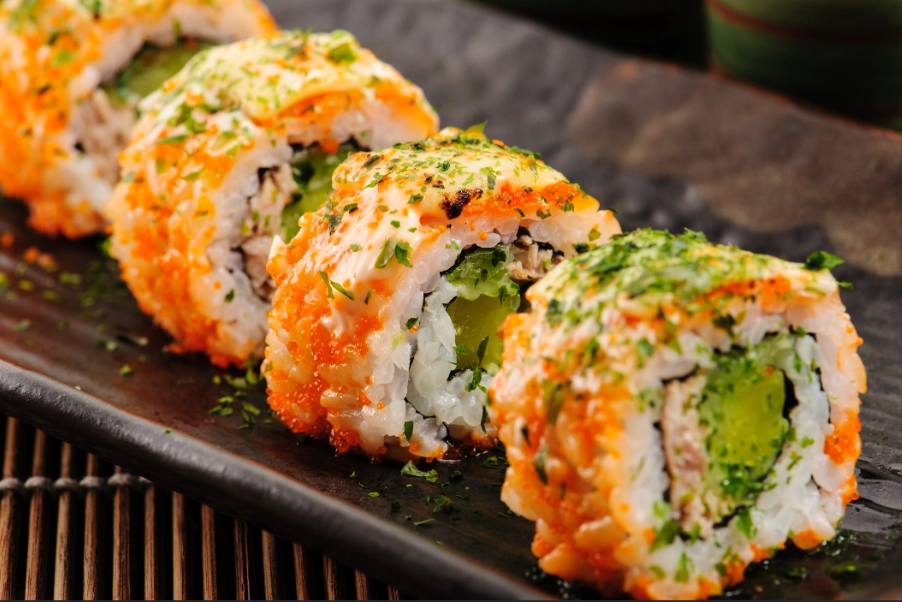
- Uramaki: The "inside-out roll." Rice is on the outside, nori inside. This is the style of the California roll and most Western creations. It allows for toppings like roe or sesame seeds.
- Temaki: The hand roll. A cone of nori filled with rice and ingredients, eaten with your hands like an ice cream cone. It's casual, fast to make, and impossible to mess up.
Creative Recipes to Try at Home
Once you've mastered the basic roll, the canvas is yours. Here are two crowd-pleasers that are easier than they look.
The Rainbow Roll (A Showstopper)
This is an uramaki. Make a basic California roll (crab mix, cucumber, avocado) inside. Once rolled, arrange thin slices of sashimi-grade fish (salmon, tuna, yellowtail) and avocado across the top. Lay a sheet of plastic wrap over it, then use the bamboo mat to gently press the toppings onto the rice. Slice carefully through the plastic and peel it off each piece.
The Spicy Mango Shrimp Tempura Roll
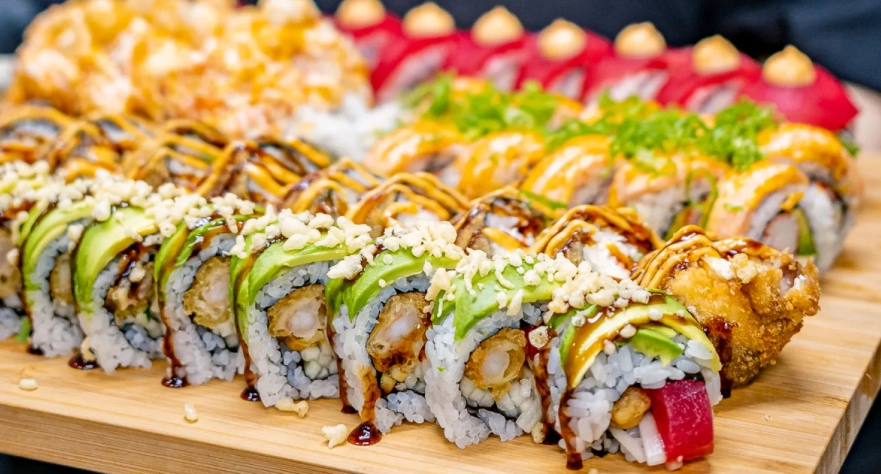
A fusion favorite. The contrast of warm, crispy tempura and cool, sweet mango is fantastic. Place a piece of shrimp tempura (store-bought or homemade) and a strip of ripe mango on your rice. Add a dab of spicy mayo (Japanese mayo + sriracha). Roll it as uramaki and coat the outside with crunchy tempura flakes (tenkasu) or panko.
| Ingredient | Purpose & Tip |
|---|---|
| Short-Grain Rice | Foundation. Rinse until water is clear. |
| Nori Sheets | Seaweed wrapper. Toast lightly over a flame for extra flavor and crispness. |
| Rice Vinegar | Seasoning. Don't substitute with other vinegars; the flavor is distinct and mild. |
| Sashimi-Grade Fish | For raw fillings. Source from a trusted fishmonger or a reputable online retailer like Catalina Offshore Products. Never use regular supermarket fish for raw consumption. |
| Japanese Mayonnaise (Kewpie) | Creamy element. It's richer and tangier than American mayo. |
Common Pitfalls and How to Avoid Them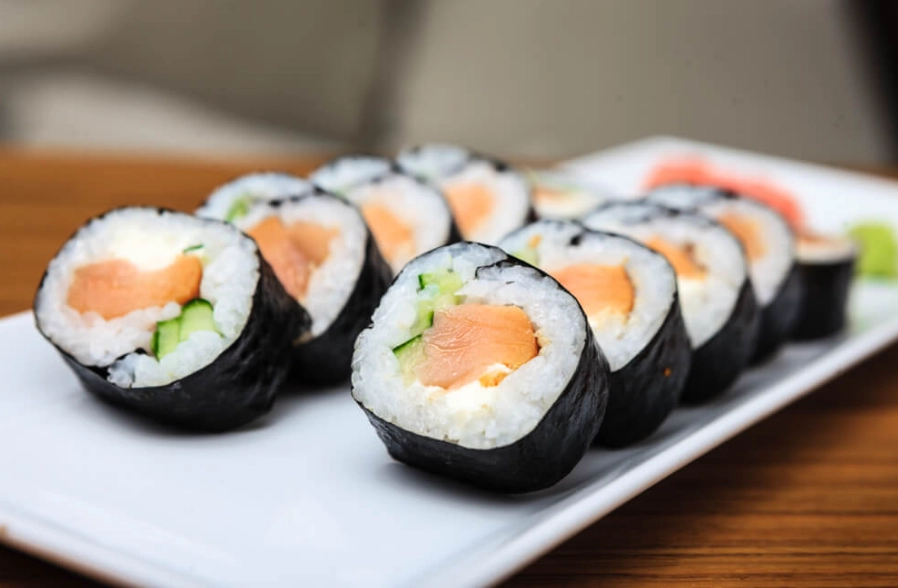
Here's where that "10-year experience" advice comes in. These are the subtle things that separate a good roll from a great one.
The Rice is Too Hot When Assembling. This steams the nori from the inside, making it soggy and difficult to cut. Your rice must be at room temperature.
Overstuffing the Roll. You think you need more filling for value. What you get is a roll that can't close, bursts when you slice it, and has an unbalanced rice-to-filling ratio. Less is more. A pencil-thick line of filling is plenty.
Using the Wrong Knife Technique. You press straight down and the roll squishes. You use a sawing motion with a dry blade and everything sticks. The solution: a sharp, wet knife and a single, confident back-and-forth sawing motion with light pressure. Let the knife do the work.
Ignoring Texture Contrast. A great roll plays with textures: creamy avocado, crisp cucumber, soft rice, snappy nori. Think about adding something crunchy like tempura bits, sesame seeds, or even finely chopped nuts in a fusion roll.
For authoritative information on sushi ingredients and safety, resources like the Japanese Ministry of Agriculture, Forestry and Fisheries (MAFF) provide guidelines on rice cultivation and seafood.
 The biggest takeaway? Have fun with it. Your homemade sushi roll doesn't need to win a competition. It needs to taste good and bring a bit of that restaurant magic into your kitchen. Start simple, embrace the mess, and soon you'll be experimenting with your own creations. Maybe a peanut butter and banana roll isn't such a crazy idea after all. (Okay, maybe it is. But you get the point.)
Reader Comments