Quick Guide
So you're standing in the freezer aisle, or maybe browsing a restaurant menu, and you see both "gyoza" and "potstickers." They look pretty similar – little crescent-shaped dumplings with a browned bottom. Your brain goes, wait, is gyoza the same as potsticker? It's one of those food questions that seems simple but opens up a whole world of culinary history, technique, and regional pride. I used to think they were just different names for the same thing, until I messed up a recipe by using the wrong wrapper. Let's just say it was a sticky situation (literally).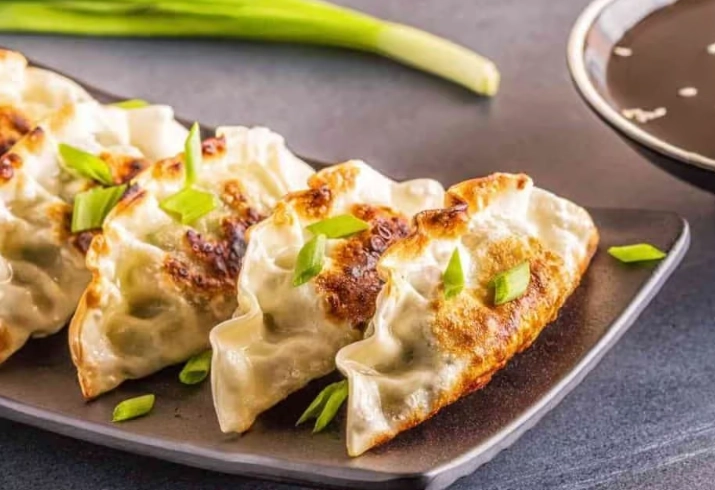
The short, somewhat unsatisfying answer is: they're close cousins, not identical twins. But the real story is so much more interesting. To truly understand if gyoza is the same as potsticker, we need to dig into where they came from, how they're made, and what goes inside them. It's a journey from Chinese kitchens to Japanese izakayas and American Chinese takeout spots.
The Origin Story: A Tale of Two Dumplings
All roads lead back to China. The ancestor of both our modern dumplings is the guotie (鍋貼), which literally translates to "pot sticker." This makes a lot of sense when you think about it. Guotie is a Northern Chinese dish with a history stretching back centuries. Japanese soldiers stationed in Manchuria (Northeast China) during World War II encountered guotie and brought the concept back home with them. In post-war Japan, the dish was adapted to local tastes and ingredients, and the name morphed into "gyoza" (餃子), from the Chinese "jiaozi."
Now, here's where it gets fuzzy for most people. When Chinese immigrants brought their cuisine to the West, particularly North America, the term "potsticker" became the common English name for guotie. So, in a way, "potsticker" is the direct English translation of the original Chinese dish. Gyoza is the Japanese interpretation of that same dish. Think of it like pizza: the original is from Naples, but New York style and Chicago deep-dish are distinct, beloved variations. Asking "is gyoza the same as potsticker?" is like asking if Neapolitan pizza is the same as a New York slice. They share DNA, but the execution diverges.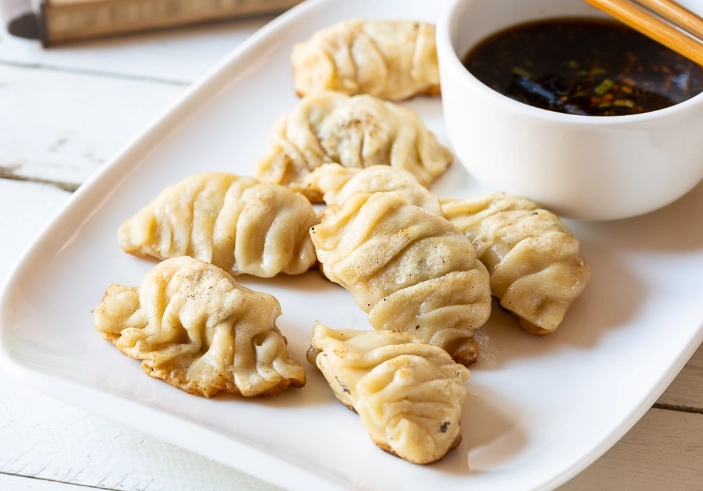
For a deeper look at the historical journey of dumplings across Asia, resources like the Japan National Tourism Organization's food guide touch on the adaptation of foreign foods into Japanese culture, while academic culinary histories often trace the path of dishes like guotie.
Breaking Down the Differences: It's All in the Details
Okay, history lesson over. Let's get practical. How can you tell them apart on your plate? The differences boil down to a few key areas: the wrapper, the filling, the cooking method, and the final texture and presentation. This is where the "are gyoza and potstickers the same" question gets its definitive answer.
The Core Differences at a Glance
If you only remember one thing, remember this: Gyoza is a specific, refined subtype of the broader potsticker family. All gyoza are potstickers in terms of cooking method, but not all potstickers are gyoza in terms of style and ingredient philosophy.
The Wrapper: Thin vs. Thick(ish)
This is a huge tell. Gyoza wrappers are almost always thin, delicate, and made solely with wheat flour and water. They're rolled out incredibly thinly, aiming for a texture that's tender with a slight chew. The focus is on not overpowering the filling.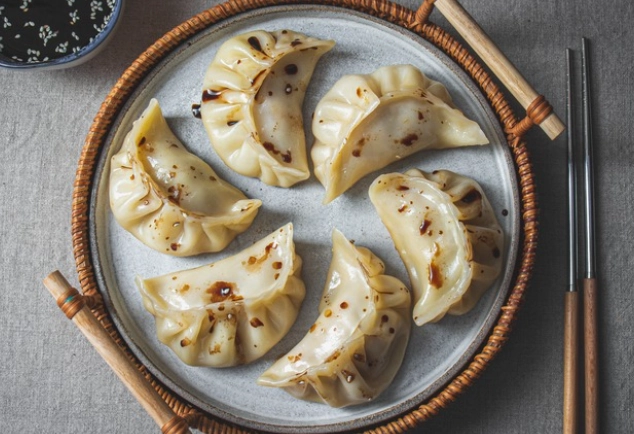
Traditional Chinese potsticker (guotie) wrappers can be a bit thicker and chewier. Sometimes, the dough might have a touch of salt or even a tiny bit of egg for color and strength, especially in homemade versions. The thicker wrapper stands up to more aggressive pan-frying and holds in juicier, soupier fillings better. I find that store-bought "potsticker" wrappers in the West are often a compromise – thinner than traditional guotie but not as delicate as proper gyoza skins.
The Filling: Fine vs. Chunky
Close your eyes and imagine the taste. Gyoza filling is typically very finely minced or even processed. The classic pork and cabbage gyoza filling is a near-uniform paste. Garlic, ginger, and green onion are used, but they're minced to oblivion, creating a harmonious, blended flavor in every bite. It's elegant and subtle.
Potsticker fillings often have more texture. You're more likely to encounter distinct pieces of chopped cabbage, shreds of scallion, or bits of shrimp. The seasoning can be bolder, with more soy sauce, sesame oil, or even a hint of five-spice powder. The filling is coarser, juicier, and more robust. Some American-Chinese versions even use ingredients like water chestnuts for extra crunch, which you'd almost never see in a traditional gyoza.
The Cooking Method: The Art of the Crisp
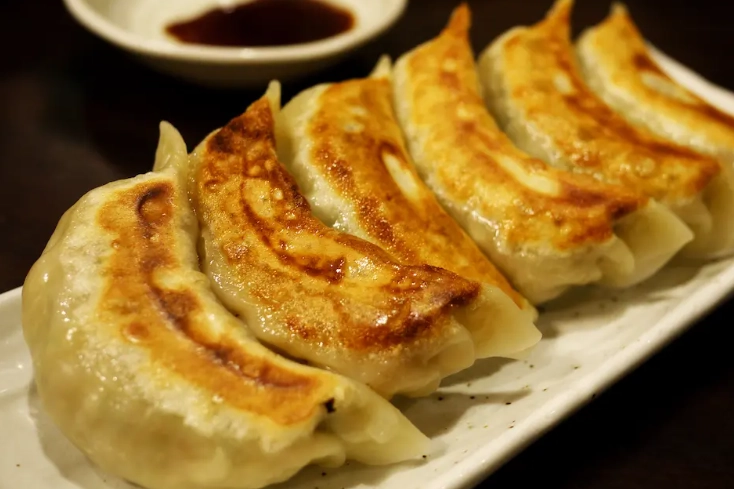
Here's their greatest common ground: the famous potsticking technique. Both are cooked using a combination of frying and steaming. They go into a hot, oiled pan, get a gorgeous golden-brown crust on one side, then water is added and the pan is covered to steam the rest of the dumpling. Finally, the lid comes off to evaporate the remaining water and re-crisp the bottom.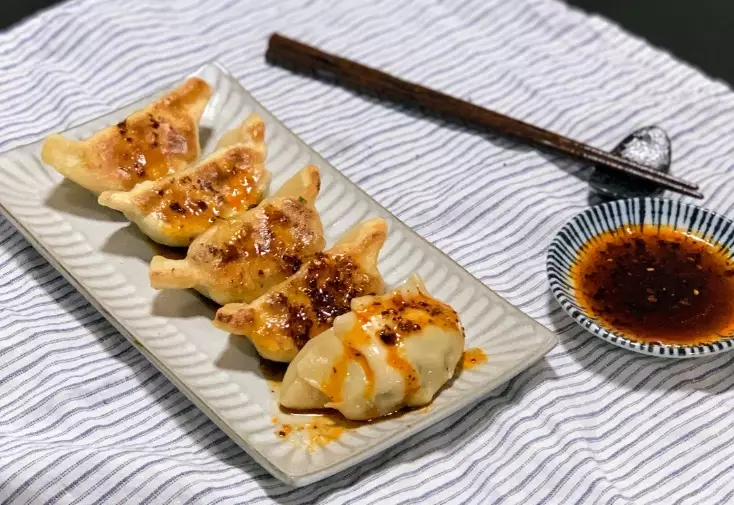
But even here, there's nuance. Gyoza are often arranged in a precise circular pattern in the pan, almost like flower petals, and served connected by a lacy, crispy "skirt" of starch that forms from the flour in the wrapper. It's a presentation point. Potstickers are frequently just lined up in rows. The level of crispiness can vary too; some gyoza aim for a very specific, glass-like crispness on a large portion of the bottom, while potstickers might have a thicker, more substantial crust.
The Dip: Vinegar vs. Soy
This is a dead giveaway. Gyoza is almost exclusively served with a dipping sauce based on rice vinegar, with a splash of soy sauce and a touch of rayu (chili oil). The vinegar cuts through the richness perfectly.
Potstickers are more likely to be served with a straight soy-based sauce, perhaps with vinegar, minced garlic, or chili paste on the side for you to mix yourself. It's a simpler, saltier accompaniment.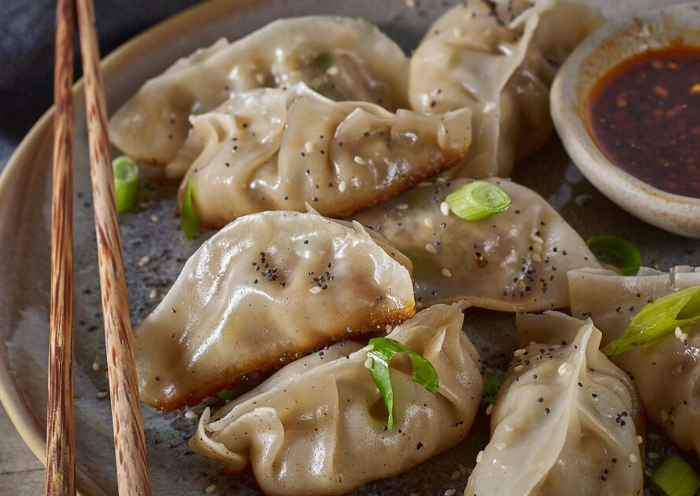
Let's put it all in a table. Seeing the differences side-by-side really drives home why the question "is gyoza the same as potsticker" has layers.
| Feature | Gyoza (Japanese Style) | Potsticker (Chinese Guotie / Western Style) |
|---|---|---|
| Origin | Japanese adaptation of Chinese guotie | Northern Chinese dish (guotie); term adopted in the West |
| Wrapper | Very thin, delicate, wheat & water only | Slightly thicker, chewier, may contain salt |
| Filling Texture | Finely minced, almost paste-like, uniform | Coarser, chunkier, more textural variety |
| Common Fillings | Pork & cabbage, garlic, ginger (fine) | Pork & cabbage, shrimp, chives (chunky) |
| Seasoning | Subtle, balanced garlic/ginger/soy | Bolder, more soy sauce, sesame oil |
| Cooking Presentation | Often served with a crispy "skirt," arranged neatly | Lined up in rows, focus on the bottom crust |
| Standard Dipping Sauce | Rice vinegar-based with soy & chili oil | Soy sauce-based, often with vinegar/chili on side |
| Common Side Dish | Eaten with rice, ramen, or as bar food | Often a standalone appetizer or part of a main course |
How to Choose, Use, and Cook Them at Home
Now for the practical stuff. You're in the grocery store or deciding what to order. What should you do?
At the Store: Reading Between the Lines
Frozen food sections are a minefield. The packaging often uses the terms interchangeably, which is super unhelpful. Here's my rule of thumb:
- If the brand name is Japanese (like Bibigo, Ajinomoto) and it says "gyoza," you're probably getting the thinner-wrapper, finer-filling version.
- If it's a generic or American-Chinese brand and says "potstickers," expect a thicker wrapper and chunkier filling.
- Look at the picture. Seriously. If the dumplings in the photo look translucent around the edges where they're not fried, that's a sign of a thinner gyoza-style wrapper. If they look opaque and doughy, they're likely potsticker-style.
- Check the sauce packet. A vinegar-based sauce is a gyoza clue. A plain soy packet points to potsticker.
In Your Kitchen: Cooking Tips for Each
You can cook both from frozen, which is a lifesaver. But the technique benefits from a slight tweak depending on what you have.
For Gyoza (thin wrapper): Use medium-high heat to get a quick sear, then add water and cover to steam. Keep an eye on them; the thin wrappers can go from perfect to torn if you let all the water evaporate and they fry too long. To get that lacy skirt, mix a teaspoon of flour or cornstarch into your water before adding it to the pan.
For Potstickers (thicker wrapper): You can be a bit more robust. A good, hot pan to develop a deep brown crust is key. You might need to add a bit more water and steam for a minute longer to ensure the thicker dough and chunkier filling cook through completely. Don't be afraid of the color on the bottom—that's where the flavor is.
Common Questions (The Stuff You Really Want to Know)
The Cultural Angle: More Than Just Food
This isn't just about ingredients. How these dumplings are eaten tells a story. In Japan, gyoza is frequently bar food (izakaya fare) or a side dish to a bowl of ramen. It's rarely the main event. The focus is on balance and complementing other flavors.
In Chinese cuisine, potstickers (guotie) can be a more central dish, an appetizer shared family-style, or even a light meal on their own. In American Chinese takeout, they're firmly in the appetizer section, often the first thing to hit the table with some hot mustard and sweet & sour sauce.
This cultural context influences the recipes. The Japanese gyoza, designed as one element of a meal, is more refined and subtle. The potsticker, sometimes meant to stand alone, is bolder and more substantial. When you're wondering if gyoza is the same as potsticker, you're also asking about two different dining philosophies.
Final Verdict: So, Are They the Same?
Let's circle back to the big question that brought you here: Is gyoza the same as potsticker?
No, not exactly. But they are intimately related members of the same delicious family. Think of potstickers as the genus and gyoza as a very distinct, carefully defined species within it.
- If you want a delicate, thin-skinned dumpling with a finely textured, subtly seasoned filling, traditionally dipped in a tangy vinegar sauce… you want Gyoza.
- If you want a heartier, chewier dumpling with a chunkier, juicier, more robustly seasoned filling, often paired with a simple soy dip… you want a Potsticker (Guotie).
The confusion is totally understandable. The terms are used loosely, especially outside of Asia. But now you know. You can look at a menu or a freezer package and make an informed choice. You can impress your friends with the real story. And most importantly, you can enjoy both for what they uniquely are—two brilliant, crispy, savory answers to the universal need for a perfect bite of dumpling.
Go forth and dumpling wisely.
Reader Comments