Quick Navigation
- Why This Fried Gyoza Recipe Works (The Science of Crispy)
- Gathering Your Arsenal: The Ingredients Breakdown
- The Step-by-Step: From Filling to Golden Brown
- Leveling Up: Pro Tips & Common Pitfalls
- FAQs: Your Fried Gyoza Recipe Questions, Answered
- Troubleshooting: The “What Went Wrong?” Guide
- Serving & The Final Touch
Okay, let's talk about fried gyoza. You know, those little Japanese dumplings with the crispy lace skirt on the bottom and the juicy, savory filling inside. The kind you order at an izakaya and then spend the next week trying to recreate at home. I've been there. My first few attempts were... educational. Let's just say I've made every mistake so you don't have to.
This isn't just another fried gyoza recipe. This is the culmination of a lot of trial, error, and a borderline unhealthy obsession with getting that perfect crunch-to-juice ratio. We're going deep. From why your filling might be too wet (a common heartbreak) to the exact heat level that gives you golden brown without burnt bits. Whether you're a total beginner or you've folded a few dozen dumplings in your time, stick around. This guide aims to answer every single question you might have about making fried gyoza at home.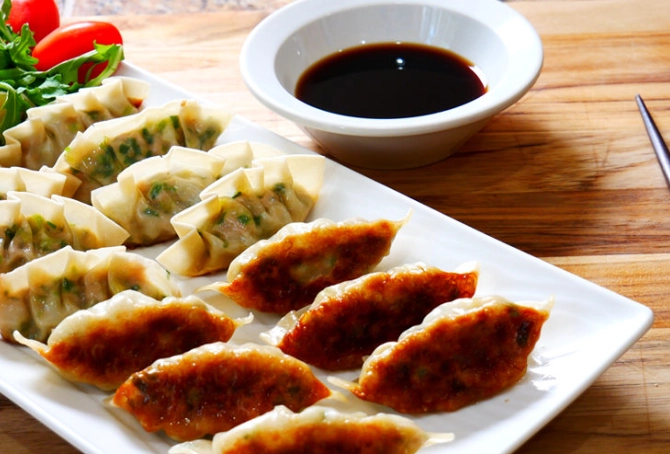
Why This Fried Gyoza Recipe Works (The Science of Crispy)
Before we dive into the ingredients, let's understand the goal. A great fried gyoza recipe achieves three things: a crispy, golden-brown crust on the bottom, a tender, steamed top, and a juicy, flavorful filling that doesn't leak out. The magic happens through a two-stage cooking method: pan-frying followed by steaming. The initial fry in oil creates the crisp base and seals the bottom. Adding water and covering the pan steams the rest of the dumpling, cooking the filling thoroughly and ensuring the wrapper doesn't turn into a cracker.
Many recipes get one part wrong. Too much oil? Soggy. Not enough water? Hard, uncooked tops. Wrong wrapper? Disaster. We're going to nail all three.
Gathering Your Arsenal: The Ingredients Breakdown
You can't build a house without good bricks. Let's talk about what goes into this fried gyoza recipe, and more importantly, why.
The Wrapper: Store-Bought vs. Homemade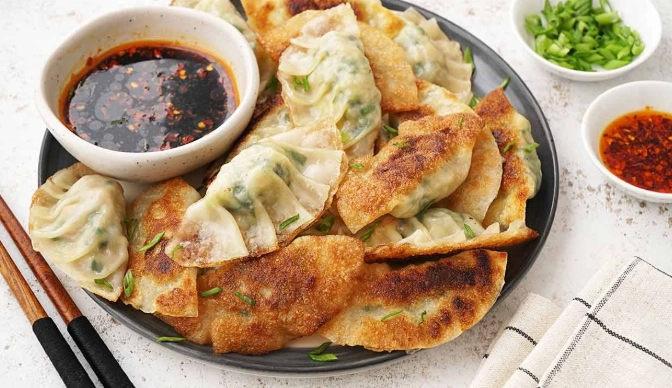
This is the first big decision. For 95% of home cooks (myself included on a busy weeknight), high-quality store-bought gyoza wrappers are the way to go. Look for round, thin “gyoza” or “pot sticker” wrappers in the refrigerated or frozen section of an Asian market. They're consistently thin and seal well.
But what's the difference?
Homemade wrappers give you ultimate control over thickness. They're also fun if you're in a project-cooking mood. But they add significant time. For your first few attempts at this fried gyoza recipe, I strongly recommend buying them. It removes a major variable.
The Heart of the Matter: The Filling
The filling is where personality comes in. The classic is pork and cabbage, but the principles apply to chicken, shrimp, or veggie versions. Here’s what you need for a killer base:
- Ground Pork (with fat): This is non-negotiable for the classic version. Don't use extra-lean pork. You need that 20-30% fat content for moisture and flavor. The fat renders during cooking, basting the filling from the inside. I learned this the hard way with a dry, sad batch.
- Cabbage (Napa or Green): Napa cabbage is traditional and milder. The key trick? Salt it and squeeze out the water. Chop it finely, mix with a teaspoon of salt, let it sit for 10-15 minutes, then wring it out in a clean kitchen towel. This prevents a watery filling that can break the wrapper during cooking.
- Aromatics: Garlic, ginger, green onions. Freshly minced is best. The ginger is particularly important—it adds a bright, clean note that cuts through the richness.
- Seasonings: Soy sauce, sesame oil, sake (or mirin), and a pinch of white pepper. This is your flavor bomb. The sesame oil is added last, off-heat if you're pre-cooking the filling (a trick some use), to preserve its fragrance.
Here’s a visual guide to the core filling ratios. This isn't set in stone, but it's a fantastic starting point that balances flavor and texture perfectly.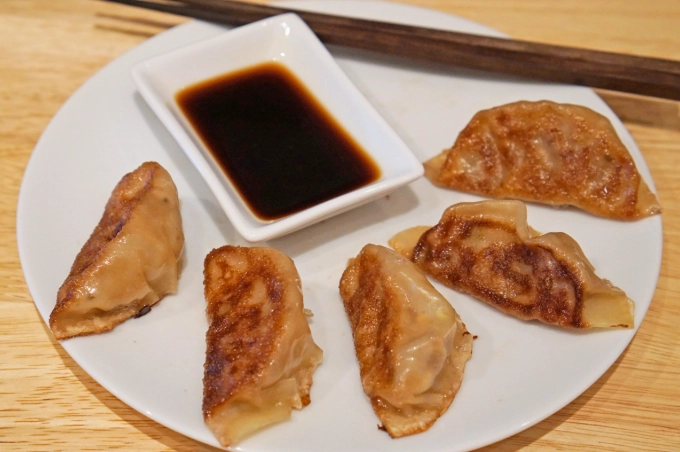
| Ingredient | Amount (for ~40 gyoza) | Role in the Filling | Pro Tip |
|---|---|---|---|
| Ground Pork (80/20 fat) | 250g / ½ lb | Main protein, provides juicy fat | Hand-chopping pork shoulder gives superior texture, but ground is fine. |
| Napa Cabbage (finely chopped) | 200g / 4 cups chopped | Adds crunch, moisture, volume | Must salt and squeeze dry. This is the #1 tip for a non-soggy fry. |
| Garlic (minced) | 2-3 cloves | Savory depth | Use a microplane for a paste-like consistency that distributes evenly. |
| Ginger (minced) | 1 tbsp | Bright, aromatic zing | Same as garlic—finely minced or grated. |
| Green Onions (finely sliced) | 3-4 stalks | Fresh onion flavor | Use both white and green parts. |
| Soy Sauce | 1.5 tbsp | Saltiness, umami | Use regular, not dark soy, for color control. |
| Sesame Oil | 1 tbsp | Nutty, aromatic finish | Add last. Toasted sesame oil is best. |
| Sake or Mirin | 1 tbsp | Subtle sweetness, tenderizes meat | Mirin is sweeter. Sake is more traditional. |
The Dipping Sauce: More Than an Afterthought
A great fried gyoza recipe is only half the story. The dipping sauce is the co-star. The standard is equal parts soy sauce and rice vinegar, with a few drops of chili oil (rayu) or a dollop of chili crisp. But let's personalize it. Try a 2:1 ratio of soy to vinegar for a saltier kick. Add a tiny bit of minced garlic or ginger. Love sweetness? A half-teaspoon of sugar or a splash of mirin works wonders. This is your playground.
The Step-by-Step: From Filling to Golden Brown
Alright, let's get our hands dirty. This is the core of the fried gyoza recipe process.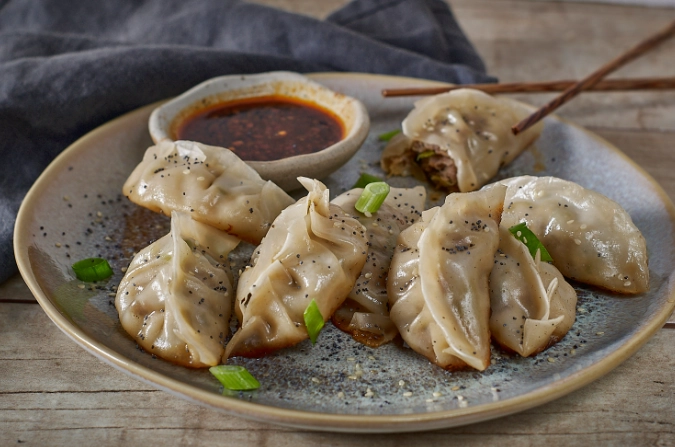
Step 1: Making the Filling (The “Knead” for Fluffiness)
Combine all your filling ingredients except the sesame oil in a large bowl. Now, here's a pro trick: using your hand (wear a glove if you like), vigorously mix and “throw” the filling against the side of the bowl for a good 2-3 minutes. This might feel silly, but it helps the proteins bind, creating a bouncier, more cohesive texture that won't crumble when you bite into the cooked gyoza. Once it looks sticky and well-combined, drizzle in the sesame oil and mix just to incorporate. Cover and let it rest in the fridge for at least 30 minutes. This allows the flavors to marry and the filling to firm up, making it easier to handle.
Step 2: The Art of Folding (It's Easier Than It Looks)
Place a wrapper on your palm. Put about a teaspoon of filling in the center. Dip your finger in water and moisten the entire outer edge of the wrapper. This is your glue.
Now, the fold.
Don't aim for the super intricate pleats you see on Instagram right away. Start with a simple crescent: fold the wrapper in half over the filling, press the top center to seal, then work your way out, pressing out any air pockets as you go. Just seal it firmly. That's a perfectly good gyoza.
Once you're comfortable, try pleating. Hold the sealed crescent in one hand. With the other, make a small pleat on the top layer of wrapper near one end, press it onto the bottom layer. Make another pleat next to it. Repeat 3-4 times on one side. The goal is to create a slight curve in the dumpling, which helps it sit flat in the pan. There are great visual guides for this, like the one from official Japanese cultural resources, that show the traditional technique.
Step 3: The Perfect Pan-Fry (No More Guesswork)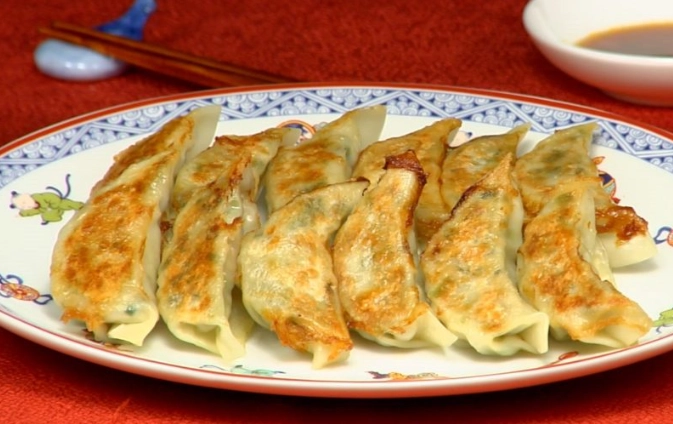
This is the moment of truth for any fried gyoza recipe. Heat a heavy-bottomed, lidded non-stick or well-seasoned cast iron skillet over medium-high heat. Add a neutral oil with a high smoke point—canola, vegetable, or peanut oil—enough to generously coat the bottom. Wait until the oil shimmers.
Place the gyoza in the pan, flat side down (the pleated side up). Don't crowd them; they shouldn't touch. Let them fry undisturbed for 2-3 minutes, until the bottoms are a deep, golden brown. You can peek by lifting one with a spatula.
Now, the steam.
Quickly but carefully pour in about ½ cup of water (it will splatter a bit—stand back!). It should come about 1/3 of the way up the sides of the dumplings. Immediately cover the pan with a tight-fitting lid.
Reduce the heat to medium and let them steam for 6-8 minutes. This cooks the filling and tops. You'll hear the water bubbling away. When the sound changes to a quieter sizzle, most of the water has evaporated. Remove the lid—the tops should look translucent and cooked, the bottoms now connected by a crispy, lacy starch layer if you used the right amount of water and heat.
Let them cook for another minute uncovered to re-crisp the very bottom. Then, slide them out onto a plate, crispy side up. Some people invert the whole pan onto a plate for a dramatic presentation, but a spatula works just fine.
Leveling Up: Pro Tips & Common Pitfalls
Here's where we move from good to great. These are the little things most fried gyoza recipe guides gloss over.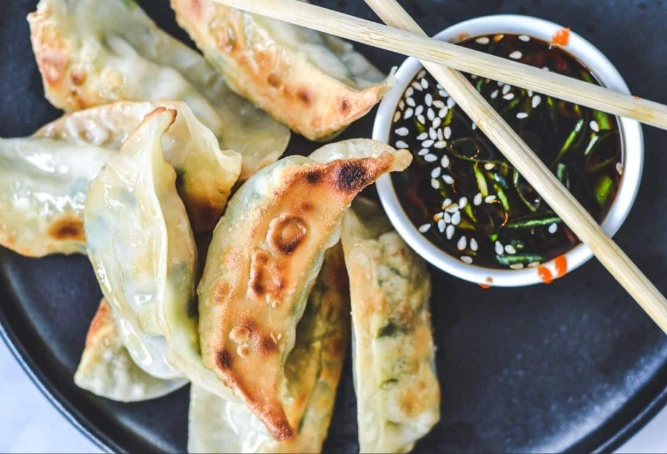
The Crispy Skirt (Tenkai)
That beautiful, lacy web connecting all the dumplings? It's a simple slurry. Mix 1 tsp of flour or cornstarch with ½ cup of water. Use this mixture instead of plain water for the steaming stage. The starch in the water crystallizes as the liquid evaporates, creating that iconic crispy net. It's a game-changer for presentation.
Heat Management is Everything
Too high? Burnt bottoms, raw tops. Too low? Soggy, greasy, pale dumplings. Medium-high for the initial sear, then a solid medium for the steam is the sweet spot. Know your stove—if it runs hot, dial it back. An infrared thermometer can help, but your eyes and ears are the best tools.
Filling Variations
The basic fried gyoza recipe is a template. For a chicken gyoza, use ground chicken thigh (not breast, for fat), and maybe add some chopped shiitake mushrooms. Shrimp gyoza? Chop the shrimp coarsely for texture, mix with a little pork fat or cabbage for moisture. Vegetable gyoza are fantastic—use a mix of finely chopped shiitake, cabbage, carrots, glass noodles (must be soaked and chopped), and season well. The binding principle is the same: seasoned, cohesive, not too wet.
FAQs: Your Fried Gyoza Recipe Questions, Answered
I get these questions all the time. Let's clear them up.
Troubleshooting: The “What Went Wrong?” Guide
Let's diagnose some common issues. If your fried gyoza recipe attempt didn't turn out, check this list.
- Soggy Bottoms: Not enough initial frying time/heat before adding water. The sear wasn't strong enough. Or, you crowded the pan, creating too much steam at once.
- Burnt Bottoms, Raw Tops: Heat was way too high. The bottom burned before the steam could cook the rest. Lower your heat next time.
- Filling is Dry: Likely used meat that was too lean (like pork loin). You need fat. Or, you overcooked them, driving out all the juices.
- Wrapper Tearing During Folding: Filling is too wet (did you squeeze the cabbage?), or you overfilled it. Or, the wrapper dried out. Keep things covered!
- No Crispy Lace Skirt: You used plain water. Next time, use the flour/water slurry mentioned above.
Serving & The Final Touch
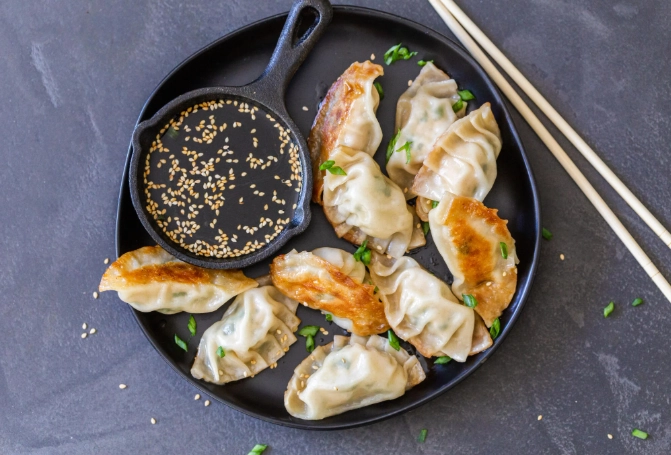
Serve your fried gyoza hot, straight from the pan, crispy side up. The dipping sauce goes in a communal bowl or little individual dishes. A simple side of steamed rice and a quick cucumber salad cuts the richness perfectly.
The beauty of this fried gyoza recipe is its flexibility. Master the basic pork and cabbage version, and a world of dumplings opens up to you. It's a rewarding process—tactile, aromatic, and culminating in that deeply satisfying crunch.
So, grab some wrappers. Don't stress the pleats on your first try. Focus on the seal, the fry, the steam. Listen to the sizzle. You've got this. And when you pull off that perfect plate of golden, crispy, juicy dumplings? You'll understand why this humble fried gyoza recipe is worth every bit of the effort.
Reader Comments