Jump to What Matters
I still remember the first time I tried to make harumaki at home. It was a disaster—the wrappers tore, the filling leaked, and they came out soggy. But after years of experimenting, I've learned that harumaki, or Japanese spring rolls, are more than just a snack; they're a craft. Whether you're a home cook or a foodie hunting for the best spots, this guide will walk you through everything from recipes to restaurant recommendations, with real-world tips you won't find in most cookbooks.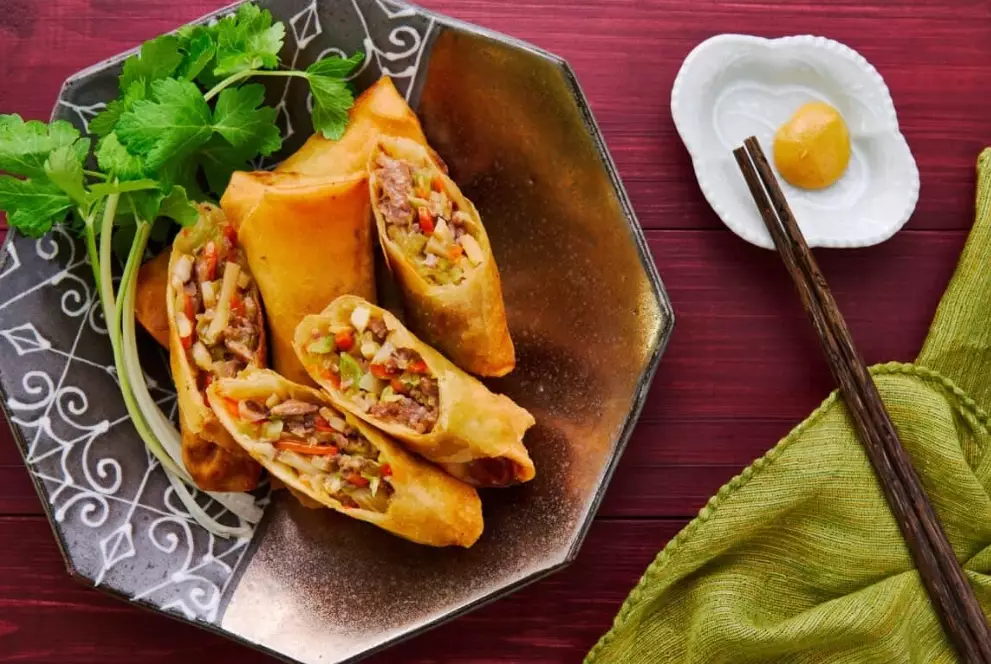
What Exactly is Harumaki?
Harumaki is the Japanese term for spring rolls, typically referring to fried rolls with a thin wheat wrapper filled with vegetables, meat, or seafood. Unlike other versions, Japanese harumaki often emphasizes a crispy texture and subtle seasoning. You might think it's just another fried food, but get it right, and it's a game-changer for appetizers or light meals.
The Origins of Harumaki
While harumaki has roots in Chinese cuisine—think chūnjuǎn—it was adapted in Japan post-World War II, becoming popular in izakayas and home kitchens. The name "harumaki" literally means "spring roll," but in Japan, it's often associated with a lighter, more delicate version compared to its Chinese counterpart.
A Brief History: From China to Japan and Beyond
Harumaki's journey mirrors cultural exchange. Introduced to Japan via Chinese immigrants, it evolved to suit local tastes—less oily, with fillings like pork and cabbage. Today, it's a staple in Japanese convenience stores and restaurants. I've seen it served everywhere from street stalls in Osaka to high-end Tokyo eateries, each with a twist.
What fascinates me is how it's stayed relevant. In the 1970s, harumaki became a party food; now, with health trends, there's a push for baked or air-fried versions. But let's be honest: the fried ones still taste best.
Crafting the Perfect Harumaki: A Step-by-Step Guide
Making harumaki at home isn't hard if you avoid common pitfalls. Here's a method I've refined over time, focusing on crispiness and flavor.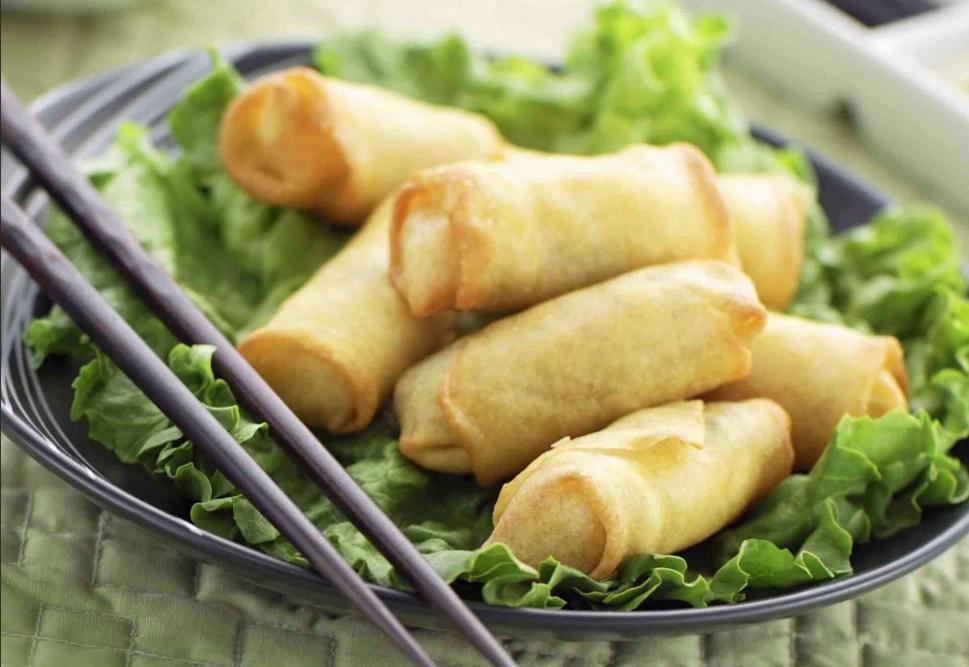
Ingredients You'll Need
- Wrappers: Use spring roll pastry sheets—thin ones work best. I find brands like "Menlo" or local Asian market options reliable. Avoid egg roll wrappers; they're too thick.
- Filling: A mix of shredded cabbage, carrots, minced pork (or tofu for veggie), and shiitake mushrooms. Precook the filling to remove moisture—this is crucial. Sauté with garlic, ginger, soy sauce, and a pinch of sugar.
- Oil for frying: Vegetable or canola oil, heated to 350°F (175°C). A thermometer helps; guessing can lead to greasy rolls.
The Folding Technique Demystified
Place a wrapper diagonally, add about 2 tablespoons of filling near the bottom corner. Fold the bottom over, then the sides, and roll tightly. Seal the edge with a paste of flour and water. Don't overfill—I learned this the hard way when my rolls burst in the oil.
Fry in batches for 3-4 minutes until golden brown. Drain on a wire rack, not paper towels. Paper traps steam and makes them soggy, a tip many recipes miss.
Where to Find the Best Harumaki: Top Restaurant Picks
If cooking isn't your thing, or you want to taste expert versions, here are some standout spots. I've visited these places personally, and while some are gems, others have flaws worth noting.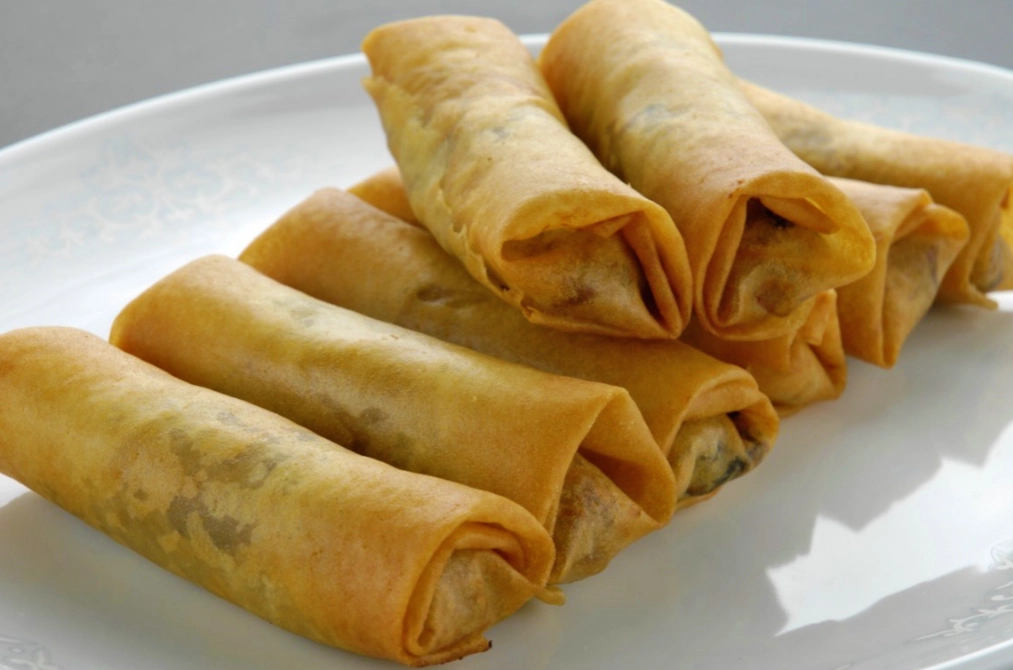
| Restaurant Name | Address | Specialty Harumaki | Price (per roll) | Rating | Hours |
|---|---|---|---|---|---|
| Harumaki-ya | Shinjuku, Tokyo, Japan | Pork and shrimp with crispy wrapper | 4.5/5 | 11 AM - 8 PM (closed Wed) | |
| Spring Roll Heaven | Chinatown, San Francisco, USA | Vegetarian with tofu and mushrooms | $4.50 | 4.3/5 | 10 AM - 10 PM daily |
| Izakaya Maru | Osaka, Japan | Cheese-filled harumaki (fusion style) | 550 yen | 4.0/5 | 5 PM - 1 AM |
| Rolling Spring | London, UK | Duck and hoisin sauce harumaki | £5.00 | 4.2/5 | 12 PM - 9 PM |
Harumaki-ya in Tokyo is my top pick—they focus solely on spring rolls, and the quality shows. But be warned: their pork version can be a bit salty for some tastes. In contrast, Spring Roll Heaven in San Francisco offers a great veggie option, though I found their wrappers sometimes too thick. Check hours before visiting; places like Izakaya Maru get crowded at night.
The 3 Most Common Harumaki Blunders (And How to Fix Them)
Based on my experience and talking to chefs, here are mistakes that ruin harumaki.
- Soggy Wrappers: Usually from undercooked filling or poor draining. Cook filling until dry, and use a wire rack post-frying. I've seen people blame the oil temperature, but moisture is the real culprit.
- Burnt Edges: Oil too hot. Keep it at 350°F. If you don't have a thermometer, test with a small piece of wrapper—it should sizzle gently.
- Bland Filling: Season generously. Many home cooks under-season, fearing it'll be too salty. Add soy sauce, pepper, and a dash of sesame oil. Taste as you go.
One subtle error: using warm filling. It steams the wrapper from inside. Always cool it completely before wrapping.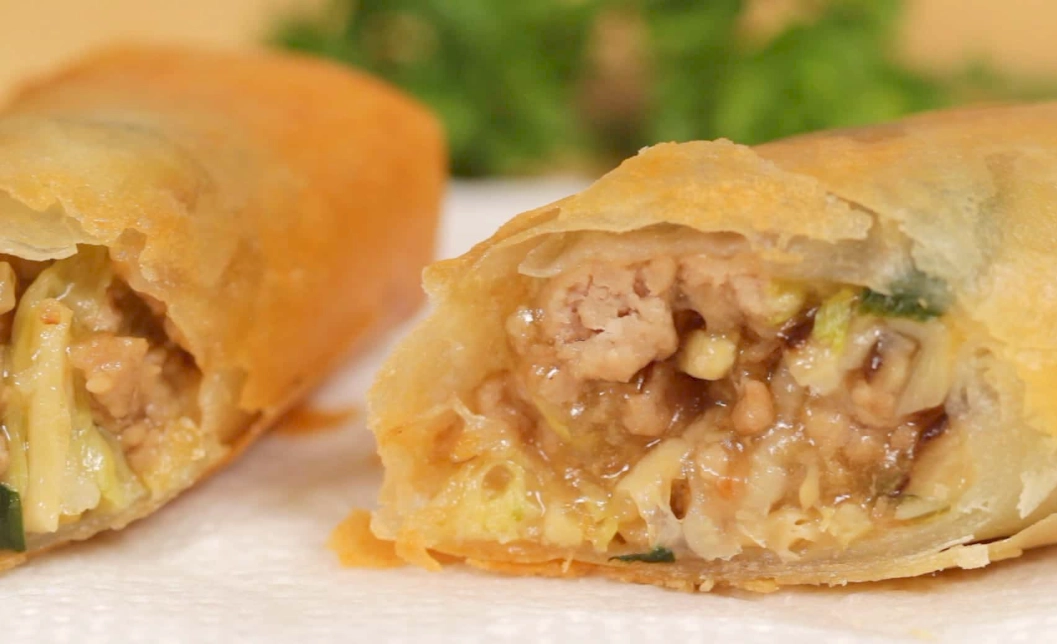
Global Twists on Harumaki
Harumaki isn't just Japanese anymore. Around the world, chefs add local flavors.
- Vietnam: Goi cuon-style with fresh herbs and rice paper—not fried, but a healthy take.
- USA: Fusion versions with cheese or spicy chicken. I tried a jalapeño-popper harumaki in LA; it was creative but overly greasy.
- Europe: Baked harumaki with Mediterranean fillings like feta and spinach. Less crispy, but good for health-conscious eaters.
My favorite variation? A Korean-inspired kimchi harumaki—spicy and tangy, perfect with beer. Experiment at home; it's fun to mix cultures.
Your Harumaki Questions Answered
Harumaki is more than a snack; it's a versatile dish that bridges cultures and kitchens. Whether you're frying up a batch at home or exploring restaurant menus, the key is in the details—dry fillings, proper frying, and a willingness to experiment. I still mess up sometimes, but that's part of the fun. Give it a try, and share your stories; I'd love to hear how yours turn out.
Reader Comments