Let's talk about karaage. You've probably seen it – those golden-brown, impossibly crispy chunks of chicken peeking out from a bento box or served with a frosty beer at an izakaya. It looks simple. Chicken, fried. But that's the trap. The difference between good karaage and sublime karaage is a canyon, not a crack. It's in the marinade, the coating, the oil, the timing. After years of eating my way through Tokyo's back alleys and burning more than a few batches in my own kitchen, I've learned what separates the home cook from the master. This isn't just another recipe list. It's a field guide to achieving that perfect bite: shatteringly crisp on the outside, steaming and succulent within, all perfumed with ginger and garlic.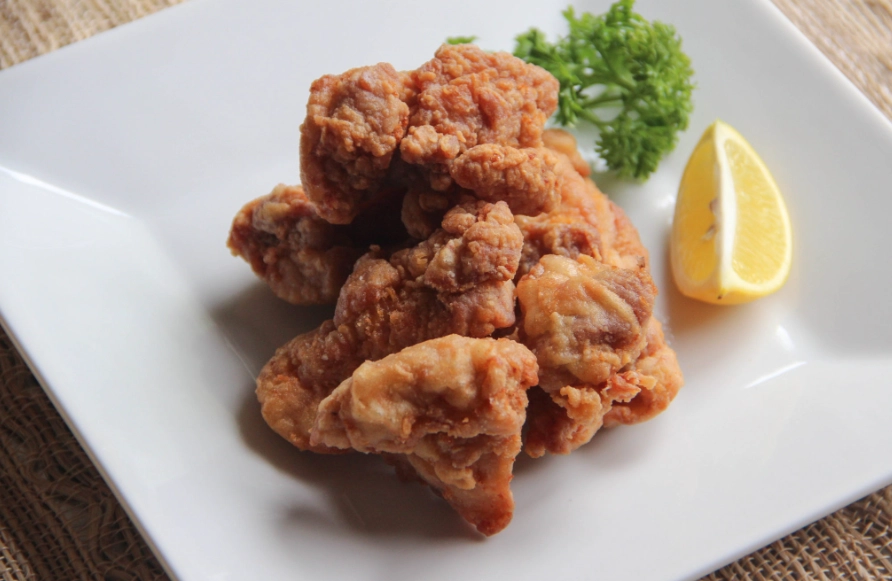
What's Inside This Karaage Guide
What Exactly Is Karaage? (It's Not Just "Japanese Fried Chicken")
Calling karaage "Japanese fried chicken" is like calling champagne "sparkling wine." Technically true, but it misses the cultural nuance and specific technique. The term "karaage" (空揚げ or 唐揚げ) refers to a Japanese cooking method where ingredients are lightly coated in flour or starch and deep-fried. While it can be used for fish or vegetables, chicken karaage (鶏の唐揚げ, tori no karaage) is the undisputed king.
The magic starts with the marinade. Unlike Southern fried chicken's buttermilk bath, karaage gets its soul from a mixture of soy sauce, sake, mirin, and the essential duo: freshly grated ginger and garlic. This isn't just for flavor; the enzymes in ginger act as a tenderizer. The coating is almost always potato starch (katakuriko), which fries up into a uniquely crisp, light, and slightly jagged crust that's less dense than wheat flour. It's typically fried twice – once at a lower temperature to cook through, then again at a higher heat to achieve ultimate crispness.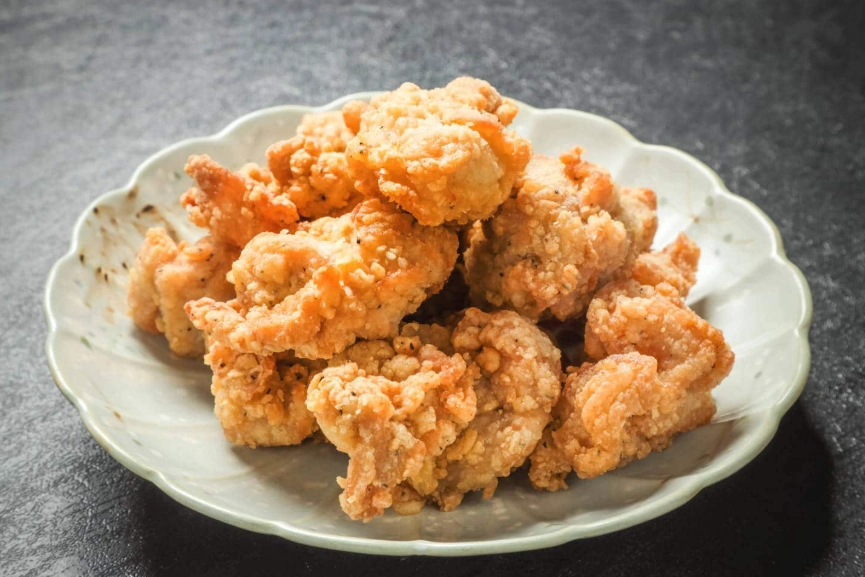
A Quick Note on Terminology: You might hear "KFC" in Japan. They're not talking about the Colonel. In Japanese food circles, KFC often means "Karaage Fried Chicken," a testament to its status as the nation's favorite fried chicken. The official classification from Japan's Ministry of Agriculture, Forestry and Fisheries even lists it as a distinct category.
How to Make Karaage at Home: The Expert's Step-by-Step Recipe
Forget the complicated recipes with 20 ingredients. Authentic karaage is about precision with a few key components. Here’s the method I’ve refined after a decade of trial and error.
The Non-Negotiable Ingredients
Chicken: Use skin-on, bone-in chicken thighs. Debone them yourself, leaving the skin on. The fat under the skin bastes the meat from within, guaranteeing juiciness. Breast meat will almost always dry out. Cut into 1.5-inch bite-sized pieces – not too big, not too small.
Marinade (Tare):
- 2 tbsp soy sauce (use a standard Japanese soy sauce like Kikkoman)
- 1 tbsp sake
- 1 tbsp mirin
- 1 tbsp freshly grated ginger (juice and pulp)
- 2 cloves garlic, finely grated
- A tiny pinch of salt
Coating: Potato starch (katakuriko). Cornstarch is a common substitute, but it fries up slightly smoother and less craggy. Potato starch gives that classic, pebbly texture.
Oil: A neutral oil with a high smoke point. Canola, peanut, or vegetable oil work perfectly.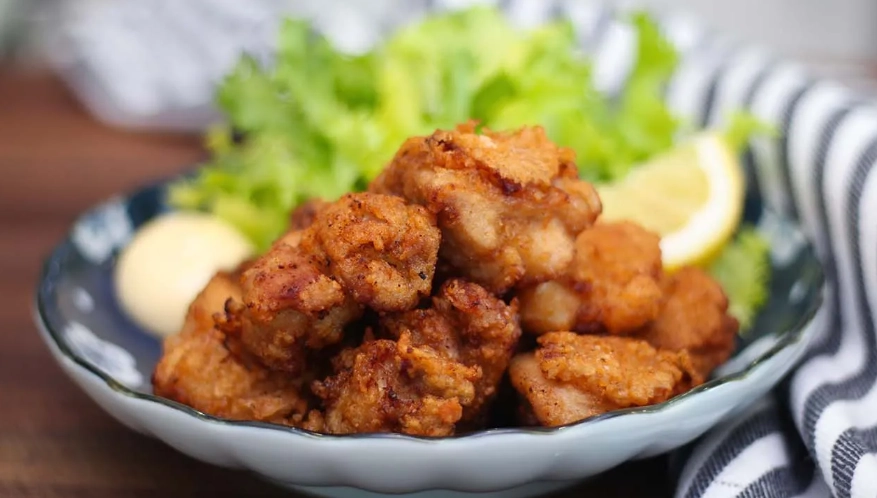
The Process: Where Most Home Cooks Go Wrong
- Marinate, but don't drown. Combine the chicken and marinade in a bowl. Massage it in well. Let it sit for at least 30 minutes at room temperature. Overnight in the fridge is fine, but bring it back to room temp before frying. The common mistake? Marinating too long in a very salty mixture, which can start to cure the meat and make it tough. 30 minutes to 2 hours is the sweet spot.
- Drain and coat, don't dredge. Take the chicken pieces out of the marinade and let the excess liquid drip off. Don't pat them bone-dry. That thin layer of wet marinade is what the starch will cling to. Place your potato starch in a wide bowl or plate. Gently place each piece in the starch, then sprinkle starch over the top. Lift and gently toss to coat evenly. Now, here's the pro tip: let them sit on a rack for 5-10 minutes. This lets the starch adhere and form a seal. If you fry immediately, the coating can slide right off.
- Fry twice. Seriously. Heat your oil to 320°F (160°C). This is your first fry. Gently add the chicken, don't crowd the pot. Fry for about 3-4 minutes until just cooked through but not deeply colored. Remove and drain on a rack. Let them rest for a few minutes while you heat the oil to 350°F (175°C). The second fry is for crispness and color – 1 to 2 minutes until golden brown and spectacularly crisp. The resting period between fries is crucial; it allows the internal heat to equalize and the surface to dry slightly, resulting in a better final crunch.
- Drain on a rack, not paper towels. If you drain on paper towels, the steam gets trapped and the bottom turns soggy. A wire rack over a sheet pan is ideal.
Serve immediately with a wedge of lemon and maybe a side of Japanese mayo. That's it. Perfection.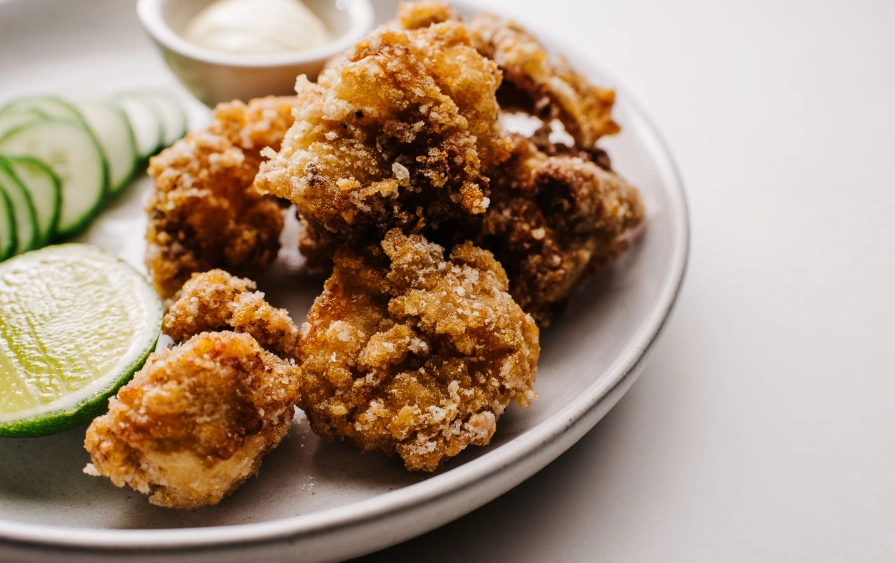
Where to Eat the Best Karaage: Tokyo & London Standouts
Sometimes you just need the pros to do it. If you're traveling or want to benchmark your own efforts, here are spots that consistently deliver exceptional karaage. I'm including personal notes because a star rating doesn't tell the whole story.
| Restaurant Name | Location | Specialty / Note | Price Point | Vibe & Tip |
|---|---|---|---|---|
| Karaage-ya | Multiple locations across Tokyo (main shop in Shinjuku) | The classic benchmark. Their "original" karaage is perfectly seasoned, juicy, with a crisp, medium-thick coating. They also offer flavored varieties like garlic and chili. | ¥600 - ¥900 per order | Fast-food style, often a queue. Get it to-go for a picnic in Shinjuku Gyoen. Their chicken is consistently excellent, though the shops can feel a bit sterile. |
| Torikizoku | Hundreds of locations nationwide (Izakaya chain) | All items, including karaage, are ¥350 plus tax. For the price, it's unbeatable. The karaage is smaller pieces, served piping hot, and perfect with a cheap beer. | ¥350 per plate | Loud, smoky, chaotic izakaya fun. Don't expect gourmet, but do expect great value and a true local experience. Order two plates. |
| Bird Land | Ginza, Tokyo (in the Ginza Kagari building) | A Michelin-starred yakitori restaurant that serves an astonishingly good karaage as a side. It's a masterclass in technique – lighter than air coating, supremely flavorful meat. | Part of a ¥15,000+ omakase course | High-end, reservation essential. You're here for the whole yakitori experience, but their karaage is a memorable highlight. |
| Jin Kichi | Hampstead, London | A legendary London yakitori bar. Their karaage is a staple starter. It's generously portioned, with a well-balanced marinade and a satisfying crunch. | £8.50 - £9.50 | A tiny, authentic spot. Always book. The karaage is reliable, though on my last visit the coating was a tad thicker than I prefer. Still, one of the best in London. |
| Eat Tokyo | Multiple locations in London | A reliable, mid-range Japanese restaurant chain. Their karaage is solid, well-cooked, and a safe bet if you're craving it. Served as a main with rice and salad. | £12 - £14 as a main | Busy, family-friendly. The karaage won't blow your mind, but it's comforting and consistently decent, which is an achievement for a chain outside Japan. |
Your Karaage Questions, Answered
Why does my homemade karaage turn out soggy so quickly?
Three likely culprits. First, oil temperature. If it's too low, the coating absorbs oil instead of sealing. Use a thermometer. Second, crowding the pan drops the oil temp dramatically. Fry in small batches. Third, and this is the silent killer: draining on paper towels instead of a rack. The steam has nowhere to go, so it condenses back onto the crispy crust, turning it limp. A wire rack is non-negotiable.
Can I use chicken breast for a healthier karaage?
You can, but you're trading health for guaranteed juiciness. Thigh meat has more fat, which keeps it moist during the intense heat of frying. Breast meat has almost no margin for error. Overcook it by 30 seconds, and it's dry. If you insist on breast, cut it slightly smaller, marinate for no more than 30 minutes, and be religious about checking the internal temperature (165°F / 74°C). Personally, I'd rather have one perfect thigh piece than three dry breast pieces.
What's the best thing to serve with karaage besides lemon?
While lemon is classic, explore Japanese condiments. A dab of yuzu kosho (a spicy citrus paste) is fantastic. A simple mix of Japanese mayo and a bit of soy sauce works. For a dipping sauce, try a ponzu (citrus-soy sauce). In an izakaya, it's often served with just a wedge of cabbage – the clean, cool crunch is a perfect contrast to the rich chicken. At home, I love it with a simple cucumber sunomono salad.
Is there a good baked or air-fryer alternative to deep-frying?
This is the most common compromise. An air fryer can produce a decent result if you're avoiding oil. The texture will be different – more like a very crisp oven bake than the light, shattering fry. The key is to spray or brush the coated chicken generously with oil before air-frying to help it crisp. Bake at a high heat (425°F / 220°C) on a rack. Will it be the same? No. Can it be a tasty, weeknight-friendly version? Absolutely. Just manage expectations.
How do restaurants get that incredibly craggy, thick-looking coating?
Double coating. After the first dusting in potato starch, they might dip the piece back into a thin batter (often just the leftover marinade mixed with a little more starch or flour) and then into the dry starch again. This creates extra layers that puff and separate during frying. It's a great technique for a more dramatic, "wow" presentation, but it can sometimes mask the flavor of the chicken itself. The single-coat method I outlined earlier delivers a more balanced bite where you taste the chicken first.
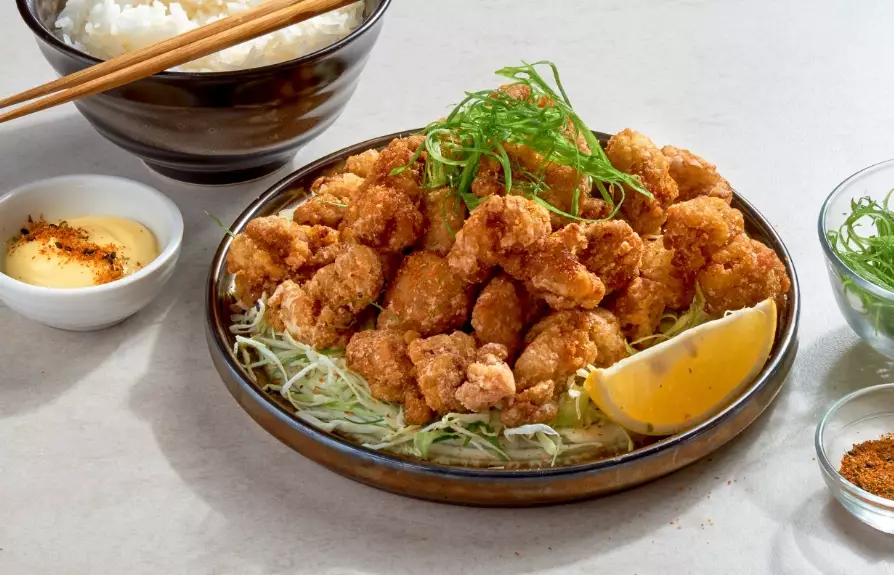 Karaage is more than food; it's a texture, a feeling. That moment when you bite through the audible crunch into the steaming, fragrant chicken. It's worth getting right. Start with the simple recipe, nail the technique, and then maybe venture out to see how the masters do it. You'll never look at fried chicken the same way again.
Reader Comments