Quick Navigation
Let's be honest, when that steaming bowl of tonkotsu ramen hits the table, with its milky-white, rich broth, perfectly cooked noodles, and toppings like chashu pork and a soft-boiled egg, "healthy" is probably the last word on your mind. You're thinking about comfort, flavor, and sheer satisfaction. I know I am. But then, maybe later, a little voice in your head asks the question: is tonkotsu ramen healthy, or did I just indulge in a dietary disaster?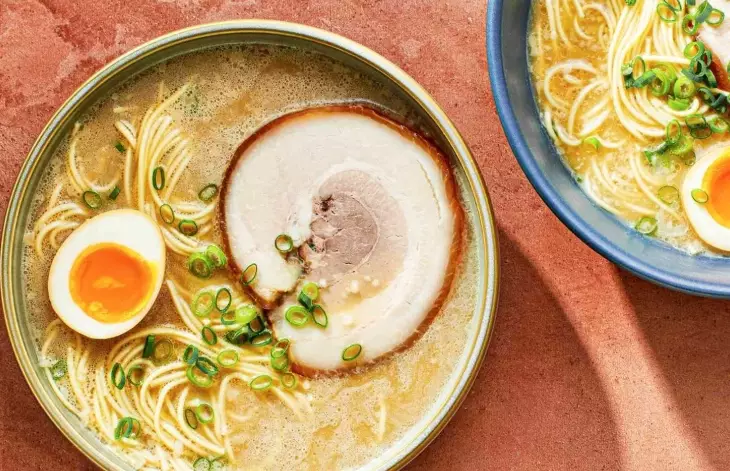
It's a question I've wrestled with myself, especially after a particularly decadent ramen crawl in Tokyo. I felt amazing while eating it, but sluggish for hours after. So, I decided to dig deeper. The answer, like the broth itself, is complex and layered. It's not a simple yes or no. To really understand if tonkotsu ramen can fit into a healthy lifestyle, we need to pull it apart—look at the broth, the noodles, the toppings, and the portions. We need to talk about what "healthy" even means in this context. Is it about calories? Nutrients? How your body feels? It's all of that.
This isn't about slapping a "good" or "bad" label on a beloved dish. It's about getting the facts so you can make informed choices. Maybe you're trying to watch your sodium, or you're curious about the protein content, or you just want to know how to enjoy your favorite bowl without derailing your health goals. Let's break it down together.
The Core Question: The healthiness of tonkotsu ramen hinges entirely on balance, ingredients, and frequency. It's a nutrient-dense food that also comes with significant amounts of sodium and saturated fat. Context is everything.
Deconstructing the Bowl: A Nutritional Deep Dive
To answer "is tonkotsu ramen healthy," we have to look at each component. A typical restaurant-sized bowl is a complete meal, and its nutritional profile is a sum of its parts.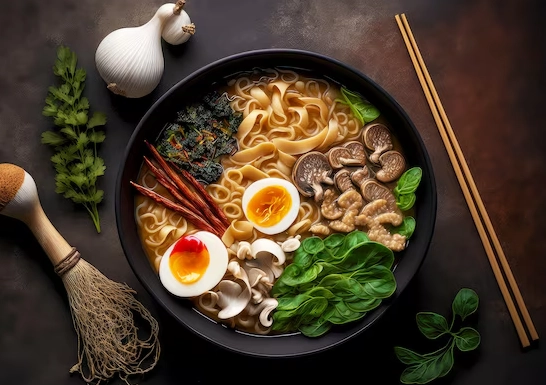
The Heart of the Matter: The Tonkotsu Broth
This is what defines the ramen. Pork bones (typically trotters and neck bones) are simmered for hours, sometimes over a day, at a rolling boil. This process emulsifies fat, marrow, and collagen into the water, creating that signature creamy, opaque, and intensely flavorful soup.
What's in the broth?
- Collagen & Gelatin: The long cooking extracts collagen, which breaks down into gelatin. This is great for joint and skin health. You'll often see it marketed as a beauty food in Japan. It gives the broth its lip-smacking, viscous texture.
- Protein: A decent amount comes from the dissolved marrow and tissue.
- Fat (especially Saturated Fat): This is the big one. The emulsification means the fat is fully integrated. A bowl can contain a substantial portion of a day's recommended saturated fat intake. This contributes to the rich mouthfeel and calories.
- Minerals: Calcium, phosphorus, and magnesium are leached from the bones. This is a genuine benefit.
- Sodium: The broth is seasoned with salt, soy sauce (shoyu), or miso paste. This is where the sodium levels skyrocket. We're talking major numbers here.
Let's talk sodium. According to the Centers for Disease Control and Prevention (CDC), the average American should consume less than 2,300mg per day. A single bowl of restaurant tonkotsu ramen can easily contain 1,500 to 2,500mg, or even more. That's potentially your entire day's limit in one meal. For those with blood pressure concerns, this is the most critical factor when asking if tonkotsu ramen is healthy.
The Supporting Cast: Noodles, Toppings, and Seasonings
The broth might be the star, but the rest of the bowl plays a huge role.
Noodles (Men): Ramen noodles are made from wheat flour, water, salt, and kansui (alkaline mineral water). They're primarily carbohydrates, providing quick energy. They're not whole grain, so they're low in fiber, which means they can cause a faster spike in blood sugar compared to complex carbs.
Chashu (Braised Pork Belly): Tender, fatty, and delicious. It's a significant source of protein but also adds more saturated fat and sodium to the bowl.
Ajitama (Seasoned Soft-Boiled Egg): A fantastic source of high-quality protein and nutrients. The yolk is nutrient-dense, though it also contains cholesterol (dietary cholesterol's impact is now considered less severe for most people than once thought).
Other Toppings: Menma (bamboo shoots), nori (seaweed), green onions, corn, butter, garlic paste. These can add fiber, vitamins, and minerals (seaweed is a great source of iodine), but also sometimes extra fats or salts.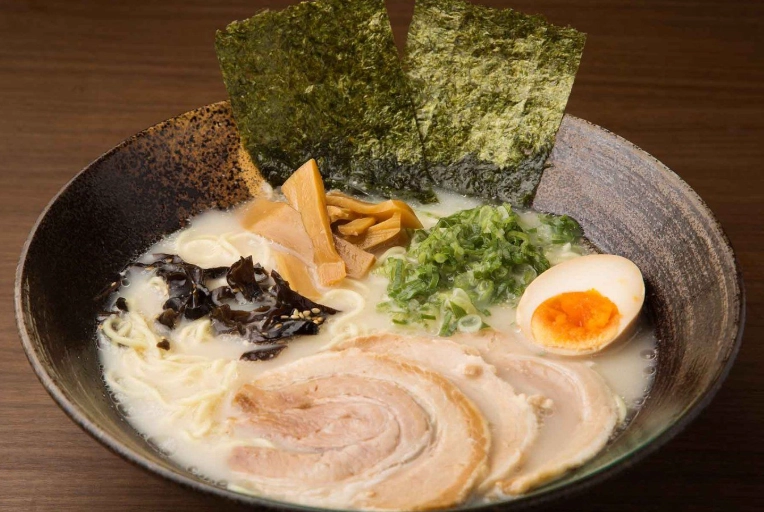
| Component | Primary Nutrients | Potential Health Benefits | Potential Health Concerns |
|---|---|---|---|
| Tonkotsu Broth | Collagen, Protein, Saturated Fat, Sodium, Minerals (Ca, P, Mg) | Joint/skin support (collagen), mineral intake, high satiety | Very high in sodium & saturated fat, high calorie density |
| Ramen Noodles | Carbohydrates, Some Protein | Source of energy | Low in fiber, refined carbs can spike blood sugar |
| Chashu Pork | Protein, Saturated Fat, Sodium | High-quality protein, B vitamins, iron (heme iron) | High in saturated fat and sodium |
| Ajitama Egg | High-Quality Protein, Choline, Vitamins A, D, B12 | Excellent protein, brain health (choline), nutrient-rich | High in dietary cholesterol (moderate concern for some) |
| Seaweed (Nori) | Iodine, Fiber, Vitamins A & C | Supports thyroid function, provides fiber and antioxidants | Very high in iodine if consumed in extreme amounts |
See how it's a mix? That's why the question "is tonkotsu ramen healthy" is so tricky. You're getting a dose of beneficial collagen and minerals alongside a flood of sodium.
The Health Impact Scale: Benefits vs. Drawbacks
Let's weigh the pros and cons. Think of it like a literal scale. For some people, the benefits might tip it. For others, the drawbacks are a deal-breaker.
| Potential Benefits | Potential Drawbacks |
|---|---|
|
|
So, is tonkotsu ramen healthy? It's a trade-off.
How to Make Tonkotsu Ramen a Healthier Choice
You don't have to give it up. The key is strategy. Here’s how you can tilt the scale towards a more balanced meal. I've used these tips myself when I'm craving ramen but don't want to feel awful afterwards.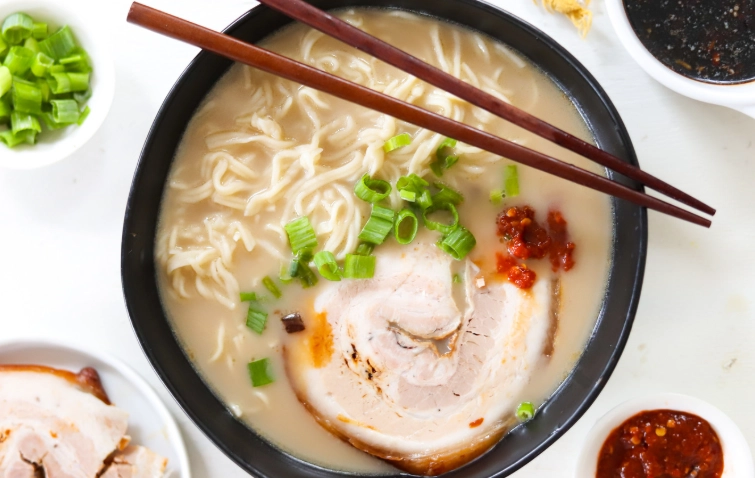
Strategy #1: Master the Customization Order. Don't be shy about asking for modifications. A good ramen shop will often accommodate.
- Ask for less broth or "kaedama" later: You don't have to drink all that salty liquid. Enjoy the noodles and toppings with just enough broth for flavor. Or, order extra noodles (kaedama) and add them to your remaining broth to stretch it with more carbs instead of consuming all the broth at once.
- Request "less salty" or "usukuchi": Many shops offer a salt level choice. Go for the lighter option.
- Double down on veggies: Add extra spinach, bean sprouts, wood ear mushrooms, corn, or extra scallions. This adds volume, fiber, and nutrients for minimal extra calories.
- Consider skipping the butter or garlic paste add-ons: These are pure fat and can push the calorie count even higher.
Strategy #2: Be Smart with Toppings. Choose your add-ons wisely.
Better choices: Extra egg (for protein), seaweed, bamboo shoots, corn, extra scallions, spinach.
Use sparingly or skip: Extra chashu, fried items like karaage chicken as a topping, excessive spicy oil.
Maybe just get one slice of chashu instead of two. That small choice cuts a notable amount of saturated fat.
Strategy #3: Mind the Context of Your Day and Week. This is the most important tip for long-term balance.
- It's a meal, not a snack: Treat it as your main meal of the day. Have lighter, vegetable-focused meals before and after.
- Hydrate, hydrate, hydrate: Drink plenty of water before and especially after to help your kidneys process the sodium.
- Balance your week: If you know you're having ramen on Friday, focus on low-sodium, high-fiber, lean-protein meals earlier in the week. It's about the big picture.
- Listen to your body: Do you feel energized or sluggish after? Do you feel bloated from the salt? Your body's feedback is valuable data for next time.
Tonkotsu Ramen vs. Other Ramen Types: A Quick Health Comparison
Wondering if another style might be a better bet? Let's compare briefly.
Shoyu (Soy Sauce) or Shio (Salt) Ramen: These broths are clear, not milky. They are typically lower in calories and saturated fat than tonkotsu because they aren't fat-emulsified. However, they can still be extremely high in sodium. The sodium concern remains.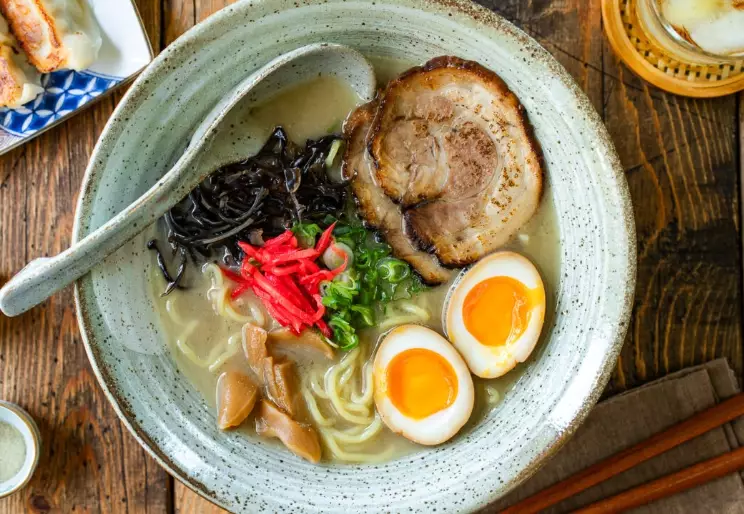
Miso Ramen: Has a fermented soybean paste base, often with a richer, sometimes slightly creamy texture (but not from emulsified fat like tonkotsu). It can be high in sodium and calories depending on preparation, but may offer some probiotic benefits from the miso.
Vegetable-based Ramen (e.g., Tan Tan Men with sesame, or straight veggie broths): These are often the best choices for lower saturated fat. But watch out for sodium and calorie-dense nut or sesame pastes.
No ramen is a "health food," but some are lighter than others.
Frequently Asked Questions (Your Questions, Answered)
Q: Can I eat tonkotsu ramen if I'm trying to lose weight?
A: You can, but it requires planning. It's a high-calorie meal, so you need to account for it in your daily calorie budget. Opt for the customization tips above: less fatty broth consumed, extra veggies, leaner protein choices. Consider it a planned "cheat" meal rather than a regular occurrence. The high protein and fat will keep you full, which can help prevent overeating later.
Q: Is the collagen in tonkotsu broth actually good for my skin and joints?
A: The science is promising but not definitive. Your body breaks down dietary collagen into amino acids and then rebuilds its own collagen. Some studies suggest collagen peptides can improve skin elasticity and reduce joint pain. Eating collagen-rich foods like bone broth may help, but it's not a magic bullet. A balanced diet with adequate vitamin C (essential for collagen synthesis) is just as important.
Q: What about people with high blood pressure? Is tonkotsu ramen completely off-limits?
A: It should be a very rare treat, if at all. The sodium content is dangerously high for someone who needs to restrict intake. If you absolutely must, use every strategy: ask for low-sodium broth, don't drink it, load up on potassium-rich veggies (like spinach) to help counteract sodium, and ensure the rest of your day and week are extremely low in salt. Always consult with your doctor.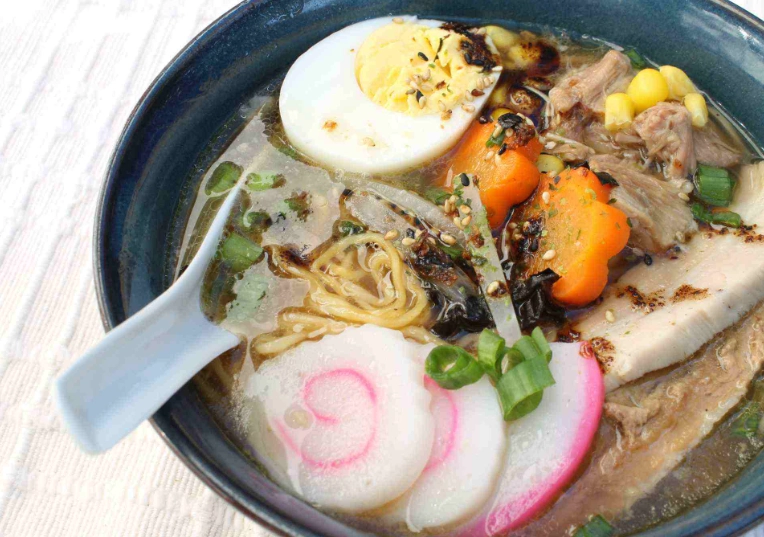
Q: Are there any healthier homemade versions?
A> Absolutely! Making it at home gives you total control. You can: 1) Use a mix of pork and chicken bones for a slightly lighter flavor, 2) Skim off excess fat after cooking, 3) Use low-sodium soy sauce or miso for seasoning, 4) Load it with mountains of vegetables like bok choy, mushrooms, and carrots, 5) Use whole wheat or higher-fiber noodles, 6) Choose leaner cuts of pork like loin instead of belly for chashu. It won't be exactly like the restaurant version, but it can be delicious and far more balanced.
Q: I'm a vegetarian/vegan. Are there any tonkotsu-style options for me?
A> Yes! Vegan "tonkotsu" is a growing trend. Chefs create a creamy, white broth using ingredients like: soaked and blended cashews or sesame seeds, soy milk, oat milk, or by boiling mushrooms, seaweed, and root vegetables for a long time to create a rich, umami base. It mimics the appearance and creaminess without the animal fat. The USDA FoodData Central can be a resource for checking the nutrition of individual plant-based ingredients you might use.
The Final Verdict: So, Is Tonkotsu Ramen Healthy?
After all this, here's my honest take.
Tonkotsu ramen is not an everyday health food. It's a rich, indulgent, traditionally prepared dish that is very high in sodium and saturated fat. If consumed frequently, it could negatively impact cardiovascular health and weight for many people.
But.
As an occasional, mindful treat, it can absolutely be part of a healthy, varied diet. It provides valuable minerals, satisfying protein, and the undeniable joy of a culturally significant and delicious meal. The mental health benefit of enjoying food you love without guilt is real.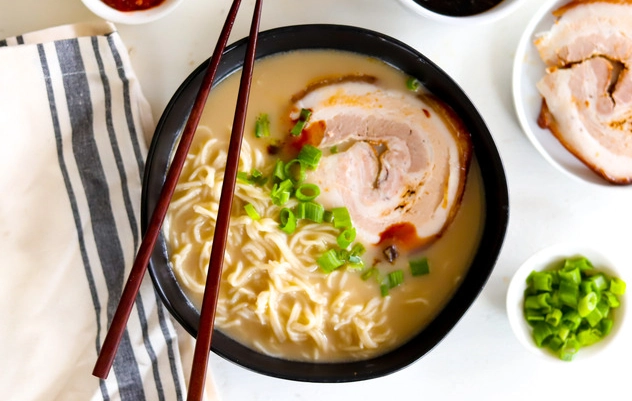
The real answer to "is tonkotsu ramen healthy" lies with you. Consider your personal health context, use the strategies to make it better, and most importantly, savor it without stress when you do choose to enjoy it. Don't wolf it down. Appreciate each component. That mindfulness transforms it from a guilty pleasure into a conscious culinary experience.
I still eat it. Maybe once a month or every other month. I get the lighter salt option, ask for extra veggies, and I never finish all the broth. I enjoy it thoroughly, drink two glasses of water afterwards, and then go back to my usual routine of salads, grains, and lean proteins. That balance works for me.
Maybe you'll find a different balance. But now, at least, you have all the information to decide for yourself.
Reader Comments