What You'll Learn in This Guide
If you've ever bitten into a perfectly crispy piece of fried chicken or shrimp and wondered how that crunch happens, chances are panko breadcrumbs were involved. I've been cooking with panko for over a decade, and it's one of those ingredients that seems simple but has a lot of nuance. Most home cooks just grab a box from the store, but there's more to it—like why homemade panko can beat store-bought, or why your coating turns soggy. Let's dive in.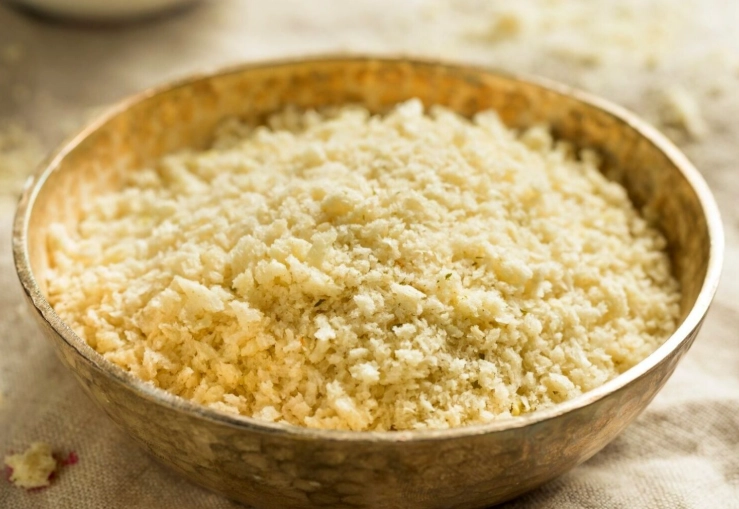
What Are Panko Breadcrumbs and Why They're Different
Panko is a Japanese-style breadcrumb made from white bread without crusts, processed into large, airy flakes. The word "panko" comes from "pan" (bread) and "ko" (flour), but it's not floury at all. Unlike regular breadcrumbs, which are finely ground and dense, panko has a lighter texture that doesn't absorb as much oil. This means your fried foods stay crispier longer. I remember the first time I used panko—I was making tonkatsu, and the difference was night and day. The coating was golden and shatteringly crisp, not greasy like with standard breadcrumbs.
Historically, panko originated in Japan during the 20th century, often used in dishes like tempura and katsu. According to resources from the Japan Food Culture Association, panko's unique texture comes from baking bread with electrical current, which creates a crustless loaf with a fluffy interior. But you don't need fancy equipment to appreciate it. The key takeaway: panko isn't just a substitute; it's a upgrade for any recipe needing crunch.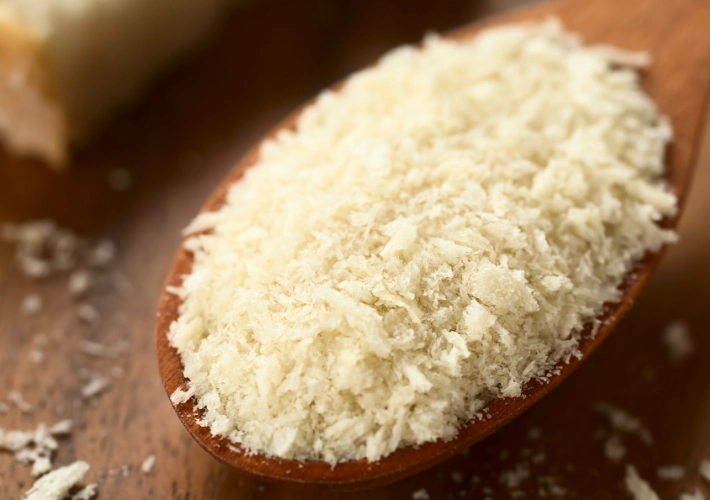
Pro tip: Panko works best for frying, but it's also great for baking—try it on casseroles or mac and cheese for a crispy topping without deep-frying.
How to Make Panko Breadcrumbs at Home (Step-by-Step)
Making panko at home is easier than you think, and it lets you control the quality. Store-bought panko can sometimes be stale or have additives. Here's my go-to method, refined after years of trial and error.
Ingredients and Tools You'll Need
You only need a few things: day-old white bread (like shokupan or any soft sandwich bread), a food processor or grater, and a baking sheet. Avoid bread with seeds or whole grains—they alter the texture. I prefer using a food processor for consistency, but a box grater works in a pinch.
Step-by-Step Process
First, remove the crusts from the bread. This is crucial—the crusts make the crumbs darker and less fluffy. Tear the bread into chunks and pulse in a food processor until you get coarse flakes, not fine powder. Over-processing is a common mistake; stop when the pieces are about the size of small peas. Spread the flakes on a baking sheet and bake at 300°F for 10-15 minutes, stirring occasionally, until dry but not browned. Let them cool completely before storing. This homemade version is lighter and crispier than most commercial brands, and it costs pennies.
I once tried skipping the drying step and ended up with soggy panko that ruined a batch of fried fish. Don't do that—moisture is the enemy. If you're short on time, you can toast the flakes in a dry skillet over low heat, but watch closely to avoid burning.
Best Recipes Using Panko for Crispy Results
Panko shines in recipes where crunch is key. Here are a few favorites, with specific tips to get it right.
Panko-Crusted Chicken Katsu
This is a classic. Pound chicken breasts thin, dip in flour, egg, then panko. Fry in oil at 350°F until golden. The trick? Press the panko firmly onto the chicken—this helps it adhere better. Serve with tonkatsu sauce and cabbage slaw. For a twist, try using panko in an air fryer: spray lightly with oil and cook at 400°F for 12 minutes. It comes out just as crispy with less oil.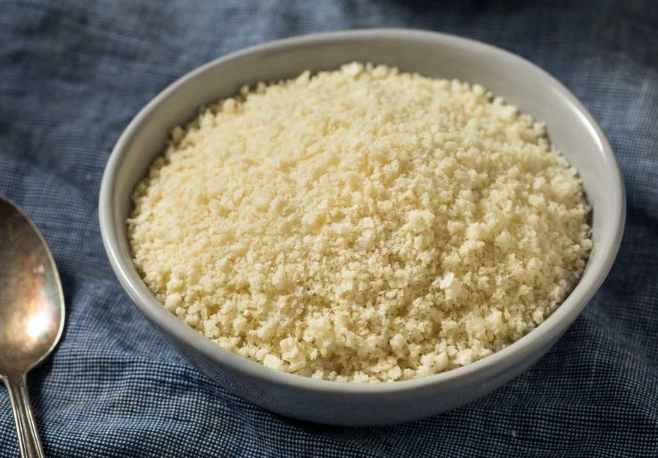
Crispy Fried Shrimp with Panko
For shrimp, use larger panko flakes for extra texture. Dip peeled shrimp in buttermilk first, then panko. Fry for 2-3 minutes until pink. I've found that adding a pinch of salt to the panko before coating enhances flavor. If you're baking, place the shrimp on a rack over a baking sheet to allow air circulation—this prevents sogginess on the bottom.
Other great uses: as a topping for baked pasta (mix panko with melted butter and Parmesan), or for coating vegetables like zucchini fries. The versatility is endless.
Where to Buy Panko: Top Brands and Store Tips
If making panko isn't your thing, buying it is fine. But not all brands are equal. Based on my experience, here's a breakdown of top options.
| Brand | Where to Find | Price Range (per oz) | Notes |
|---|---|---|---|
| Kikkoman Panko | Asian grocery stores, Walmart, Amazon | $0.15 - $0.20 | Consistent quality, widely available; a bit finer than homemade. |
| Ian's Panko | Whole Foods, health food stores | $0.25 - $0.30 | Often gluten-free; good for dietary needs, but can be denser. |
| Progresso Panko | Major supermarkets like Kroger | $0.10 - $0.15 | Budget-friendly, but sometimes includes additives; check labels. |
| Homemade | Your kitchen | ~$0.05 | Cheapest and freshest; requires effort. |
For local shopping, Asian markets like H Mart or Mitsuwa usually have the best selection and freshest stock. Online, Amazon offers bulk packs, but read reviews—some users report stale products. I once bought a cheap brand from a discount store, and the panko was so stale it tasted like cardboard. Lesson learned: invest in quality.
If you're in a rural area without Asian stores, check the international aisle of big chains. Many now carry panko due to its popularity in air fryer recipes. Call ahead to save time.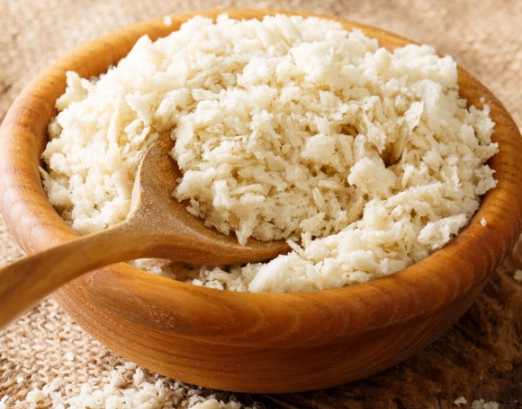
Common Mistakes with Panko and How to Avoid Them
Even experienced cooks mess up with panko. Here are pitfalls I've seen—and how to sidestep them.
Biggest mistake: Using panko straight from the package without toasting. Store-bought panko can be slightly moist, which leads to a soggy coating. Always toast it lightly in a dry pan or oven for a few minutes before using. This extra step makes a huge difference.
Another error: not seasoning the panko. Panko is bland on its own, so mix it with spices like garlic powder, paprika, or dried herbs before coating. I like to add a teaspoon of nutritional yeast for a cheesy flavor without dairy.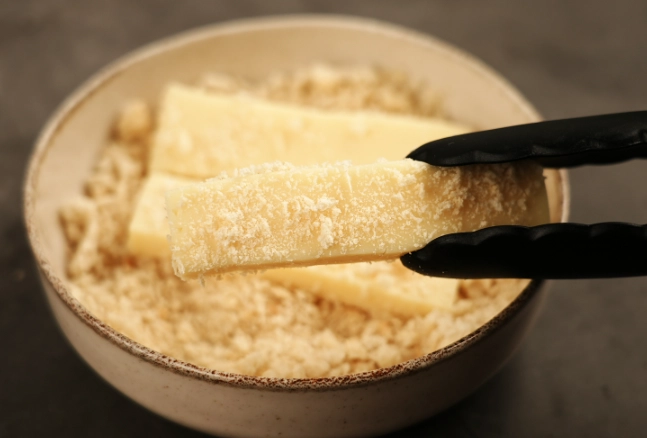
Also, avoid overcrowding the pan when frying. This drops the oil temperature, causing the panko to absorb oil instead of crisping up. Fry in batches, and let the oil recover heat between them. For baking, use a light spray of oil—too much makes it greasy, too little leaves it dry.
One non-obvious tip: if you're using panko for a wet mixture like meatballs, toast it first to prevent it from turning mushy. I learned this the hard way when my meatballs fell apart because the panko soaked up too much liquid.
Reader Comments