Japanese desserts are a universe away from the sugar-bomb pastries of the West. They're subtle, seasonal, and often tell a story. Forget everything you think you know about dessert. Here, sweetness is a whisper, not a shout. It's about texture, artistry, and a deep connection to nature and the changing seasons. Whether it's a delicate wagashi served with bitter matcha or a fluffy Japanese cheesecake that jiggles, the experience is designed to engage all your senses.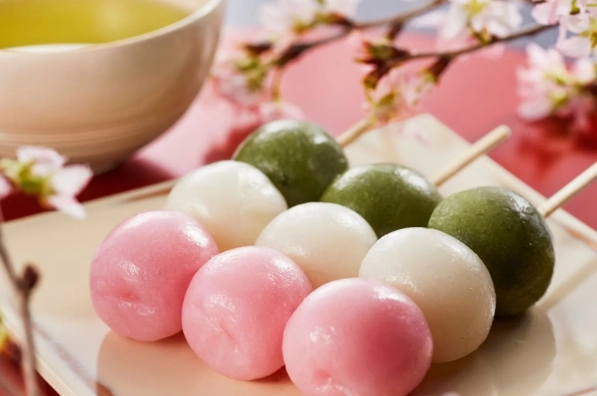
I remember my first real nerikiri at a tea ceremony in Kyoto. It looked like a miniature autumn maple leaf, almost too beautiful to eat. The flavor was a quiet hint of sweet white bean paste, perfectly balancing the astringent green tea. That moment changed how I saw sweets forever. This guide is my attempt to share that discovery, from the ancient traditions to the modern innovators, and give you the concrete info you need to taste it for yourself.
What's Inside This Guide?
Traditional Wagashi vs. Modern Creations
To understand Japanese desserts, you need to split them into two camps: the traditional wagashi and the modern, often Western-influenced, creations. They serve completely different purposes.
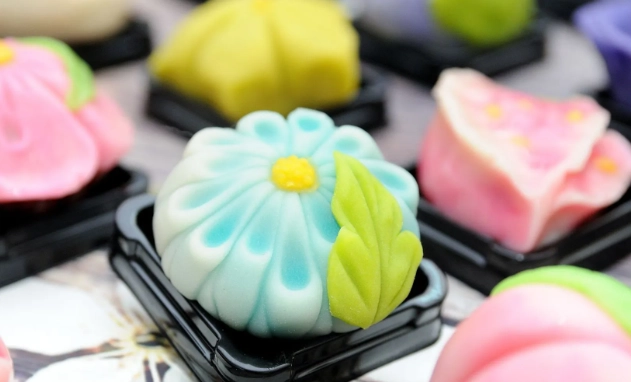
Wagashi are art pieces you eat. Their primary role is as an accompaniment to matcha (powdered green tea) in the tea ceremony. The high bitterness of the tea is deliberately offset by the sweetness of the wagashi. According to resources from the Japan National Tourism Organization, wagashi are deeply tied to the seasons, with shapes and colors reflecting flowers, leaves, and seasonal events.
| Type of Wagashi | Key Characteristics | Common Flavors/Ingredients |
|---|---|---|
| Nerikiri | Finely crafted, often shaped into seasonal flowers and leaves. Soft, smooth texture. | White bean paste (shiro-an), rice flour, food coloring. |
| Dorayaki | Two small pancake-like patties sandwiching a filling. Familiar from the anime Doraemon. | Red bean paste (anko), sometimes cream or chestnut. |
| Daifuku | Soft, chewy mochi (rice cake) ball with a sweet filling inside. | Anko, whole strawberries (ichigo daifuku), or ice cream. |
| Yokan | A firm, jellied dessert block. Can be served in slices. | Red or white bean paste, agar, sugar. Often includes chestnuts or figs. |
Now, modern Japanese desserts are a different beast. They take Western techniques—like baking, whipping cream, and making custard—and apply a distinctly Japanese sensibility: less sugar, lighter textures, and local flavors like matcha, black sesame, yuzu citrus, and hojicha (roasted green tea).
- Japanese Cheesecake: Also called "cotton" or "soufflé" cheesecake. It's incredibly light, jiggly, and has a subtle cheese flavor. It's steam-baked, which is the key to its texture.
- Matcha Parfaits: An extravagant layered dessert in a tall glass. It's a symphony of textures: matcha ice cream, sweet red beans, mochi, cornflakes, whipped cream, and a cherry on top.
- Melon Pan: A sweet bread (not actually melon-flavored) with a crispy cookie crust that resembles a melon's texture. Best eaten fresh from the bakery.
One subtle mistake beginners make is judging all Japanese desserts by Western sweetness standards. If you bite into a yokan expecting it to taste like a brownie, you'll be disappointed. Appreciate it for its refined bean flavor and smooth texture instead.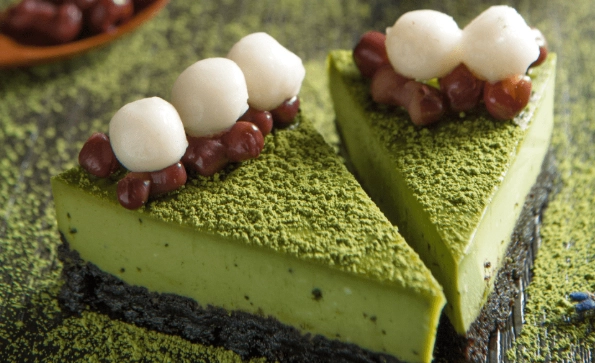
Where to Find Incredible Desserts in Tokyo: A Handpicked List
Tokyo is a paradise for sweet tooths. You can find everything from centuries-old wagashi shops to trendy dessert cafes. Here are a few specific spots I've personally enjoyed and think are worth your time. Note that prices are approximate and hours can change.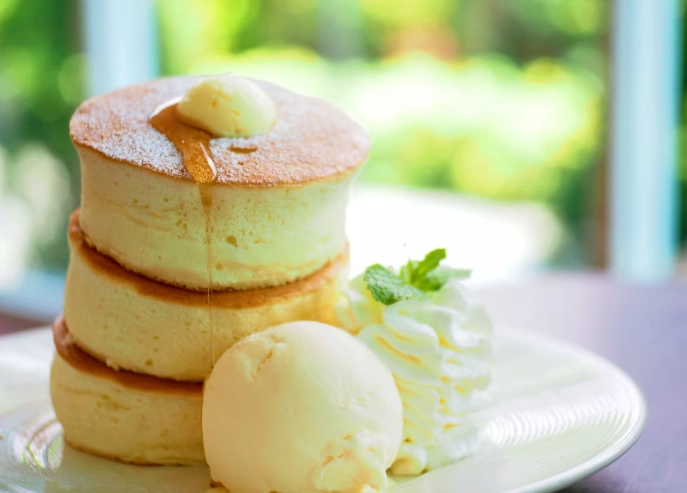
- Toraya Ginza What it is: An elegant salon from one of Japan's oldest wagashi makers (founded in the 1500s!). This is where you experience wagashi as high art. Must-try: Their seasonal nerikiri set with matcha. The shapes change monthly. Address: 2F, Ginza Mitsukoshi, 4-6-16 Ginza, Chuo-ku, Tokyo. Price: Set with tea starts around ¥1,800. Hours: 11:00 AM - 7:00 PM (last order 6:30 PM). Closed when the department store closes.
- Harbs What it is: A famous chain for incredible, light-as-air fruit cream cakes. The portions are huge and the fruit is always pristine. Must-try: The "Mille Crepes" (layers of crepe with fresh fruit and cream) or the seasonal fruit cake. Address: Multiple locations. The Shibuya one is convenient: 1-12-5 Jinnan, Shibuya-ku, Tokyo. Price: A slice of cake is about ¥900-¥1,000. They have a drink+slice set for better value. Hours: Typically 11:00 AM - 9:00 PM (varies by location).
- Ginza Kimuraya What it is: The birthplace of anko-filled bread in Japan (in 1874!). A historic bakery that's still fantastic. Must-try: The classic anko bun, or the sakura-an (cherry blossom bean paste) bun in spring. Address: 4-5-7 Ginza, Chuo-ku, Tokyo. Price: Very reasonable, around ¥200-¥400 per bun. Hours: 10:00 AM - 7:00 PM. They often sell out of popular items by afternoon.
For a deep dive into a single neighborhood, head to Kagurazaka in Tokyo. This old geisha district is lined with traditional Japanese sweets shops. Just wander and pop into any place that looks interesting—you can't go wrong.
How to Make Japanese Desserts at Home: Start Simple
You don't need to be a master pastry chef to start. The best entry point is matcha or hojicha. A teaspoon of high-quality powder can transform a simple dessert.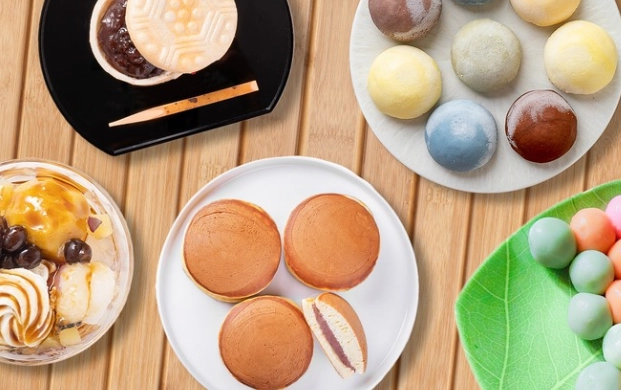
A Foolproof First Project: Matcha Latte Affogato
This is my go-to when I want something impressive but effortless. It's not traditional, but it uses Japanese flavors brilliantly.
- Scoop high-quality vanilla ice cream into a glass.
- In a separate cup, whisk 1 tsp of ceremonial-grade matcha powder (like from Ippodo or Marukyu-Koyamaen) with 2 tbsp of hot water (about 175°F/80°C—never boiling!) until frothy.
- Pour the matcha shot directly over the ice cream.
- The hot matcha melts the ice cream, creating a sweet, creamy, bitter, and aromatic drink-dessert hybrid. It's incredible.
If you want to tackle something more authentic, start with daifuku. You can buy pre-made mochiko (sweet rice flour) and canned anko (red bean paste) at most Asian grocery stores or online. The process of wrapping the soft mochi around the filling is fun, messy, and deeply satisfying. The key is to keep your hands and tools dusted with plenty of potato starch to prevent sticking.
A common pitfall for home cooks is using low-grade, bitter "culinary" matcha for desserts meant to be enjoyed for their flavor. It makes everything taste grassy and unpleasant. For anything where matcha is the star (like in a latte, ice cream, or cookies), splurge on the good stuff labeled "ceremonial grade." Save the culinary grade for baking where it's mixed with strong flavors.
Reader Comments