If there's one bowl that defines Japanese comfort food, it's katsudon. A crispy, golden-brown pork cutlet (tonkatsu) simmered in a sweet-savory sauce with onions and egg, then draped over a mountain of steaming rice. It sounds simple, and it is—once you know the tricks. Most recipes online get you 80% there but miss the crucial 20% that separates a good katsudon from a great one. I learned this the hard way after years of soggy cutlets and overcooked eggs. Let's fix that.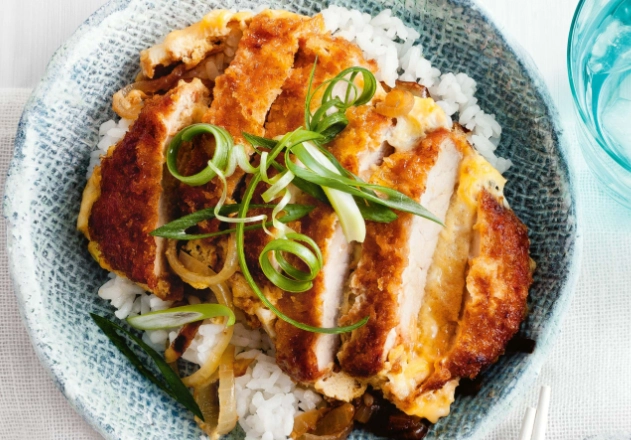
What You'll Find in This Guide
What Makes a Great Katsudon? The Three Pillars
Think of katsudon as a structure. If one part fails, the whole thing collapses. Get these three elements right, and you're golden.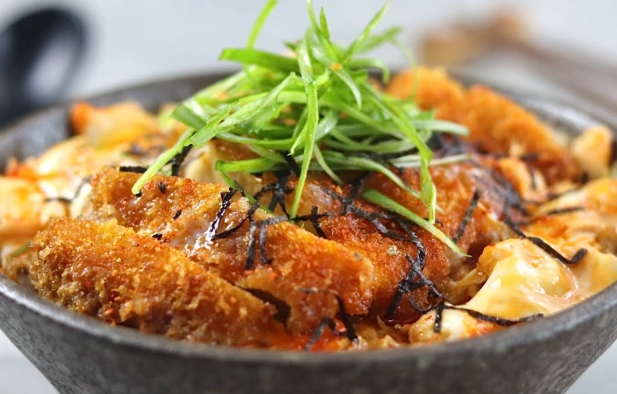
1. The Tonkatsu: Unbreakably Crispy
The star. Its job is to stay crunchy even after a brief simmer in sauce. This isn't just about frying. The cut matters—use pork loin or fillet, about 1.5 cm thick. Thinner, and it dries out; thicker, and the coating burns before the meat cooks through. The real secret weapon? Panko breadcrumbs. Not all panko is equal. Look for coarse, flaky, dry panko (brands like Japanese-made "Mizuno" or "Mikado" are benchmarks). The large flakes create air pockets that lead to a lighter, crispier crust that holds up better to moisture. Finer, sand-like panko makes a dense, sog-prone coating.
2. The Sauce: The Flavor Bridge
This is where most home cooks go on autopilot. The standard mix of dashi, soy, mirin, and sugar is fine, but it's a one-note song. The sauce needs depth. My non-negotiable tweak: add a splash of usukuchi (light-colored) soy sauce along with the regular koikuchi. Usukuchi is saltier and has a distinct umami that brightens the flavor without darkening the sauce too much, keeping the eggs a beautiful pale yellow. The ratio is key—too sweet, and it's cloying; too salty, and it overpowers the egg.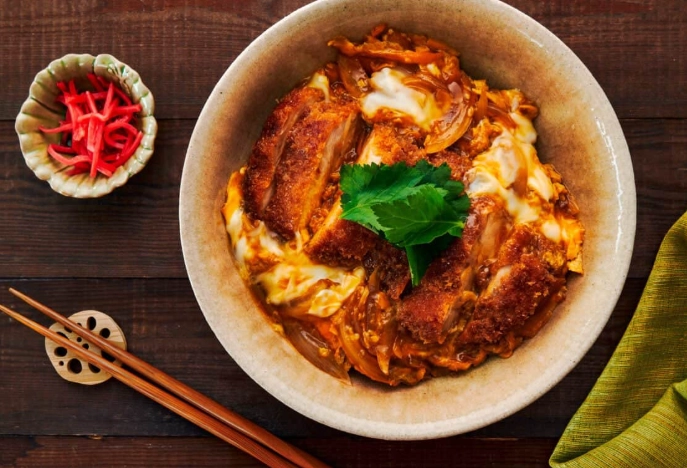
3. The Egg: Silky, Not Scrambled
This is the trickiest part. The egg should be softly set, custardy, and bind everything together. It should coat the tonkatsu and onions in a velvety layer, not turn into rubbery curds. The number one mistake? Pouring beaten eggs directly onto a roaring boil. You need control over the heat. The pan should be at a gentle simmer when the eggs go in, and then you immediately cover it to let residual heat do the work. Don't stir. Just let it set.
The Step-by-Step Katsudon Recipe: From Pork to Bowl
Here's the actionable blueprint. I'm assuming you have two medium bowls to serve.
Prep Note: Cook your rice first. It should be hot and ready when your katsudon topping is done. Short-grain Japanese rice is ideal for its sticky texture.
Ingredients You'll Need
For the Tonkatsu:
- 2 pork loin or fillet cutlets (about 180g/6oz each), 1.5cm thick
- Salt and black pepper
- 2 tbsp all-purpose flour
- 1 large egg, beaten (for coating)
- 1 cup coarse panko breadcrumbs
- Neutral oil for frying (canola, vegetable)
For the Simmering Sauce & Assembly:
- 1/2 cup dashi stock (instant dashi like "Hondashi" is perfectly fine)
- 1.5 tbsp soy sauce (koikuchi)
- 1 tbsp usukuchi soy sauce (or use an extra 1/2 tbsp regular soy sauce)
- 1.5 tbsp mirin
- 1 tbsp sugar
- 1/2 medium onion, thinly sliced
- 3 large eggs, lightly beaten (keep them slightly streaky, don't over-mix)
- 2 servings hot cooked rice
- Chopped green onion or mitsuba for garnish
The Process, Broken Down
Step 1: Prep and Fry the Tonkatsu. Pat the pork dry. Make small cuts around the edges to prevent curling. Season with salt and pepper. Dredge each cutlet in flour, shaking off excess. Dip in the beaten egg, then press firmly into the panko, ensuring a thick, even coat. Let them rest on a rack for 5 minutes—this helps the coating adhere.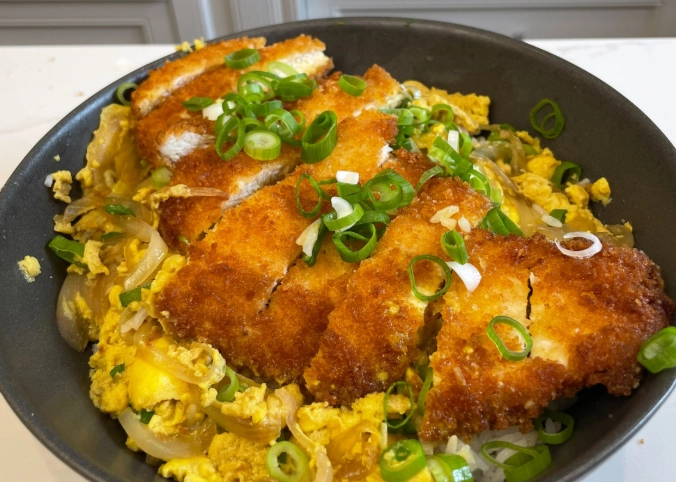
Heat about 2.5 cm (1 inch) of oil in a deep pan to 170°C (340°F). A breadcrumb should sizzle gently when dropped in. Fry the cutlets for about 5-6 minutes total, flipping once, until deeply golden and cooked through. Drain on a wire rack, not paper towels (steam makes the bottom soggy). Slice into 2cm wide strips after draining.
Step 2: Build the Sauce and Simmer. In a small skillet or donburi pan (about 20cm diameter), combine the dashi, both soy sauces, mirin, and sugar. Bring to a simmer over medium heat, stirring to dissolve the sugar. Add the sliced onions and cook for 2-3 minutes until they start to soften.
Step 3: The Critical Egg Stage. Place the tonkatsu strips on top of the onions in the pan, trying to keep them in cutlet shape. Reduce the heat to low-medium—you want a gentle bubble. Pour the lightly beaten eggs evenly over the tonkatsu and onions. Immediately cover the pan with a lid. Cook for 1.5 to 2 minutes, just until the eggs are set but still slightly wobbly and glossy. Turn off the heat.
Step 4: Assemble with Confidence. Have your bowls of hot rice ready. Using a spatula, carefully slide the entire contents of the pan—sauce, onions, tonkatsu, and egg—directly onto the rice. The egg should drape over the tonkatsu like a blanket. Garnish and serve immediately.
Timing is Everything: The window between perfectly set eggs and overcooked eggs is about 30 seconds. If you're new to this, err on the side of underdone. The residual heat will continue cooking the eggs slightly in the bowl.
Common Katsudon Mistakes and How to Avoid Them
I've made these so you don't have to.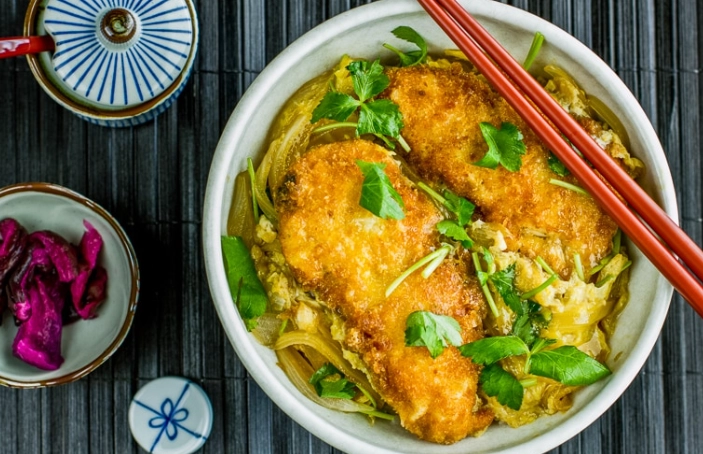
| Mistake | Result | The Fix |
|---|---|---|
| Frying at the wrong temperature. | Oil too cool: greasy, soggy coating. Oil too hot: dark crust, raw inside. | Use a thermometer. Aim for 170°C (340°F). No thermometer? The panko should sizzle actively but not burn within 10 seconds. |
| Over-beating the eggs for the topping. | A uniform, tough, yellow omelette layer. Loses the silky, custardy texture. | Beat the 3 eggs just 4-5 times with chopsticks. You should still see distinct streaks of white and yolk. |
| Letting the tonkatsu sit after slicing. | The beautiful crispy interior starts to steam and soften. | Slice the tonkatsu right before you place it in the simmering sauce. Every second counts. |
| Using a watery dashi or weak broth. | The sauce lacks umami depth and makes everything taste diluted. | If using instant dashi, follow the package for "standard strength." Consider using a kombu and katsuobushi based dashi for a more complex base. |
Katsudon Variations to Explore
Once you've mastered the classic, the world of donburi opens up.
Chicken Katsudon (Torikatsudon): Swap pork for a chicken breast or thigh cutlet. Chicken cooks faster, so adjust frying time to 4-5 minutes. The milder flavor of chicken lets the sauce shine more.
Miso Katsudon: A regional specialty from Nagoya. Add a tablespoon of red or white miso paste to the simmering sauce. It adds a fantastic fermented, savory punch. Whisk it in well so it dissolves completely.
Cheese Katsudon: A modern, decadent twist. Place a slice of mild melting cheese (like provolone or a mild cheddar) on the hot tonkatsu after slicing, just before you add the eggs. The cheese will melt into the sauce.
Half-and-Half Don (Wafu): Not in the mood to fry? Use store-bought tonkatsu or leftover fried chicken. The technique for the sauce and egg remains the same. It's a brilliant 10-minute meal.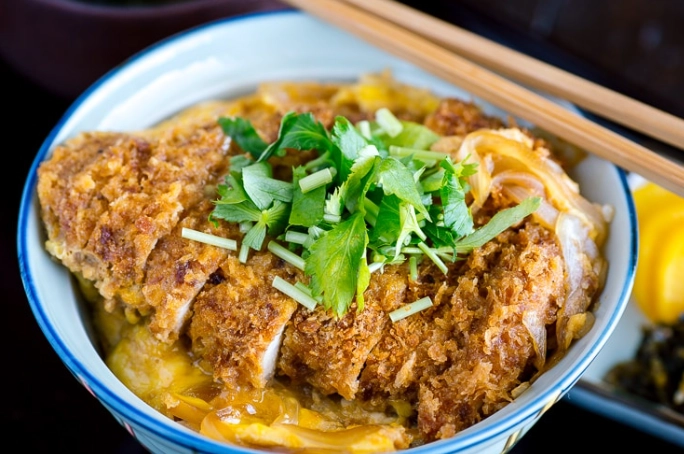
Reader Comments