I still remember the first time I tried agedashi tofu at a tiny izakaya in Tokyo—the crispy exterior giving way to silken tofu, all soaked in that savory, umami-packed sauce. It was love at first bite. But when I tried to recreate it at home, my sauce turned out either too salty or too thin. After years of tweaking, I've nailed down a recipe that works every time. Let's dive into making agedashi sauce from scratch, covering all the nuances most guides skip.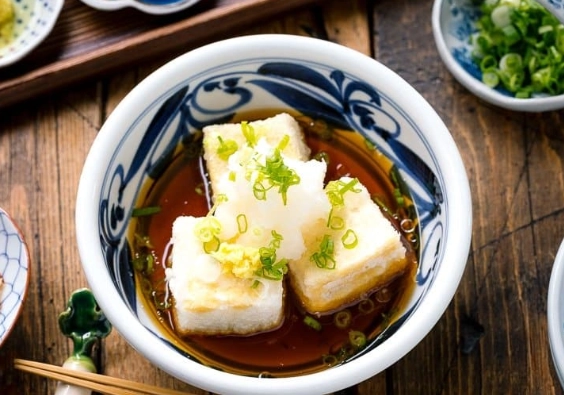
What You'll Find Inside
What Exactly is Agedashi Sauce?
Agedashi sauce is that light, savory broth you often see served with fried tofu in Japanese restaurants. The name comes from "age" (fried) and "dashi" (broth), but it's more than just dashi—it's a balanced blend of dashi, soy sauce, mirin, and a touch of sweetness. Think of it as a dipping sauce that's both delicate and robust, with a consistency that clings to food without being gloppy.
Most people assume it's just diluted soy sauce, but that's where they go wrong. The magic lies in the dashi base, which adds depth without overpowering. According to resources from the Japan External Trade Organization (JETRO) on Japanese cuisine fundamentals, dashi is considered the cornerstone of many dishes, and agedashi sauce is a perfect example of its versatility.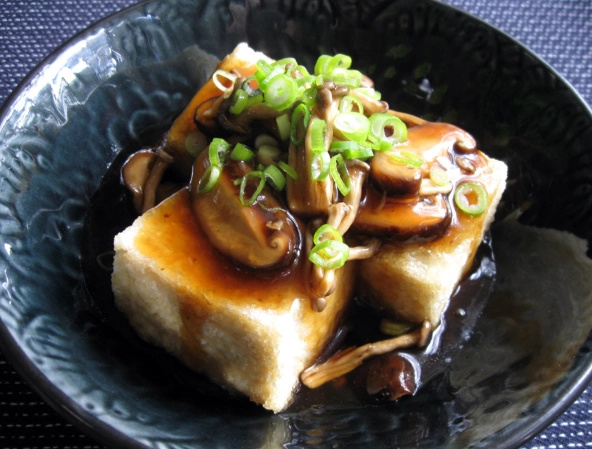
The Essential Ingredients Breakdown
Let's get specific. You don't need fancy gear, but the ingredients matter. Here's a table to break it down—I wish I had this when I started.
| Ingredient | Quantity | Why It's Important | Substitution Notes |
|---|---|---|---|
| Dashi (homemade or instant) | 1.5 cups | Base for umami; use kombu and bonito flakes for best results | Instant dashi works, but quality varies; avoid fishy brands |
| Soy sauce (usukuchi or light) | 3 tablespoons | Adds saltiness without dark color; usukuchi is milder | Regular soy sauce is okay, but reduce salt elsewhere |
| Mirin | 2 tablespoons | Sweetness and gloss; authentic mirin has alcohol, not corn syrup | If unavailable, mix 1.5 tbsp sake with 0.5 tbsp sugar |
| Sake | 1 tablespoon | Enhances aroma and cuts richness; cooking sake is fine | Dry white wine in a pinch, but it alters flavor slightly |
| Sugar | 1 teaspoon | Balances saltiness; some recipes skip it, but I find it essential | Honey or maple syrup for a different twist |
| Cornstarch or potato starch | 1 tablespoon mixed with 2 tbsp water | Thickener; potato starch gives a clearer sauce | Arrowroot works, but avoid flour—it makes it cloudy |
If you can't find usukuchi soy sauce, regular soy sauce is fine, but go easy on salt later. I learned this the hard way when my sauce turned out like brine. Also, invest in good-quality dashi—it makes a world of difference. Some stores sell dashi packets; they're convenient but check for MSG overload if you're sensitive.
Step-by-Step Recipe with Pro Tips
Now, the fun part. This isn't just mixing things together; timing and temperature matter. Here's how I do it, with pitfalls to avoid.
Step 1: Prepare the Dashi Base
If you're using homemade dashi, combine a piece of kombu (dried kelp) and a handful of bonito flakes in cold water. Heat it slowly until just before boiling, then remove the kombu. Let it simmer for 5 minutes, strain, and you have dashi. For instant dashi, follow package instructions—but use less salt if it's pre-seasoned. I've found that adding a splash of water can mellow out overly salty versions.
Step 2: Combine and Simmer
In a saucepan, mix the dashi, soy sauce, mirin, sake, and sugar. Bring it to a gentle simmer over medium heat—don't boil it hard, or the alcohol in mirin and sake will evaporate too quickly, leaving a flat taste. Stir occasionally, and let it bubble softly for about 5 minutes. This melds the flavors without reducing too much.
Step 3: Thicken the Sauce
Mix cornstarch with a little water to make a slurry. Turn the heat to low, and slowly whisk in the slurry. Keep stirring until the sauce thickens slightly—it should coat the back of a spoon but still be pourable. This takes 2-3 minutes. Over-thicken, and it turns gloopy; under-thicken, and it's watery. I test by dipping a spoon: if it leaves a thin film, it's ready.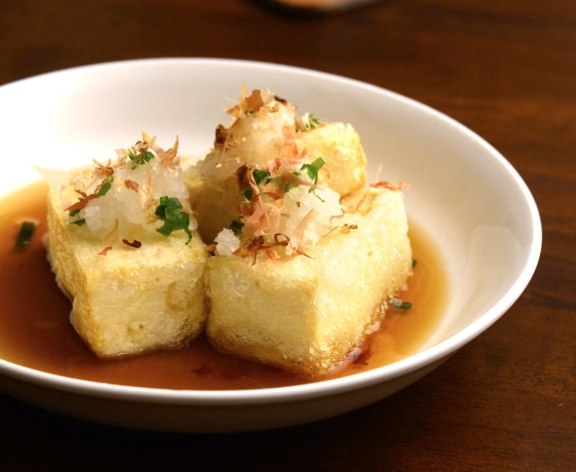
Remove from heat and let it cool a bit. The sauce will thicken more as it cools, so aim for a slightly thinner consistency than you want. Strain it through a fine mesh if there are any lumps—though with proper stirring, you shouldn't have any.
Common Mistakes and How to Avoid Them
I've messed this up more times than I can count. Here's what to watch for:
- Over-reducing the sauce: It concentrates saltiness and can burn the delicate flavors. Simmer gently, and don't let it boil vigorously. If it reduces too much, add a splash of water to thin it out.
- Using low-quality mirin: Some mirin is just corn syrup with flavoring. Authentic mirin has alcohol and adds a subtle sweetness. Check the label—if it's mostly syrup, skip it and use sake with a bit of sugar instead.
- Skipping the sake: Sake isn't just for drinking; it rounds out the flavors and adds aroma. Without it, the sauce can taste one-dimensional. If you're avoiding alcohol, a teaspoon of rice vinegar can mimic some acidity, but it's not the same.
- Not adjusting for saltiness: Soy sauce brands vary in salt content. Taste as you go, and add a pinch of sugar or more dashi if it's too salty. I once used a dark soy sauce by mistake, and the result was inedibly salty—lesson learned.
Another subtle error: not straining the dashi properly. Bits of bonito can make the sauce gritty. Use a fine mesh strainer or cheesecloth for a silky texture.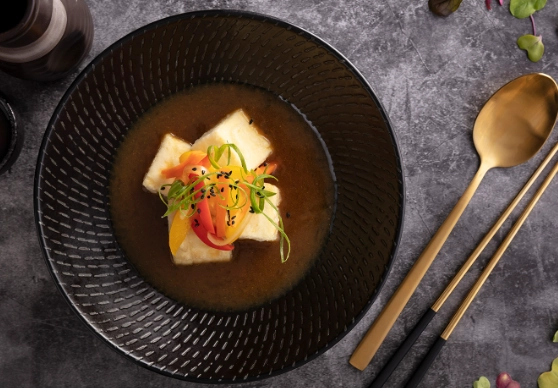
Beyond Tofu: Creative Uses and Variations
Agedashi sauce isn't just for tofu. It's a versatile condiment that can elevate simple dishes. Here are a few ways I use it:
- Tempura Dip: Serve it alongside shrimp or vegetable tempura—the light umami complements the crispiness perfectly.
- Glaze for Grilled Fish: Brush a thin layer on salmon or mackerel during the last few minutes of grilling. It caramelizes slightly and adds depth.
- Noodle Broth Base: Dilute it with a bit more dashi and pour over soba or udon noodles. Add some green onions and nori for a quick, flavorful soup.
- Vegetable Dressing: Toss it with steamed eggplant, mushrooms, or even asparagus. The savory notes make veggies shine.
For a twist, try adding a teaspoon of grated ginger or a splash of rice vinegar for acidity. Some versions include a bit of citrus like yuzu, but go easy—it can overpower the delicate dashi flavor.
Your Agedashi Sauce Questions Answered

Mastering agedashi sauce takes a few tries, but once you get the balance right, it becomes a staple in your kitchen. Don't be afraid to tweak the sweetness or saltiness to match your taste. Serve it over crispy agedashi tofu, drizzle it on grilled vegetables, or even use it as a base for soups—it's that versatile. Remember, the key is in the dashi and gentle simmering; rush it, and you'll miss out on the subtle flavors that make this sauce special.
Reader Comments