Let's talk about Japanese curry. It's not your average curry. Forget the blistering heat of a Thai green curry or the complex, dry-spice masala of India. Japanese curry is something else entirely: a thick, hearty, slightly sweet, and deeply savory stew that clings to rice like a warm hug. It's the ultimate comfort food, a staple in homes and school cafeterias across Japan, and surprisingly simple to master. But there's a gap between a good curry and a great one. I've made my fair share of mediocre pots—too watery, too sweet, bland. After years of tweaking, I've figured out where most recipes (and home cooks) go wrong.
Jump to Your Curry Questions
What Exactly is Japanese Style Curry?
Its story starts in the late 1800s, introduced by the British Royal Navy. The Japanese adapted the British-style meat stew with curry powder, transforming it into a uniquely local dish. By the 1960s, companies like House Foods and S&B Foods revolutionized home cooking by selling pre-made curry roux blocks. Just sauté, simmer, and add the blocks. Dinner is served.
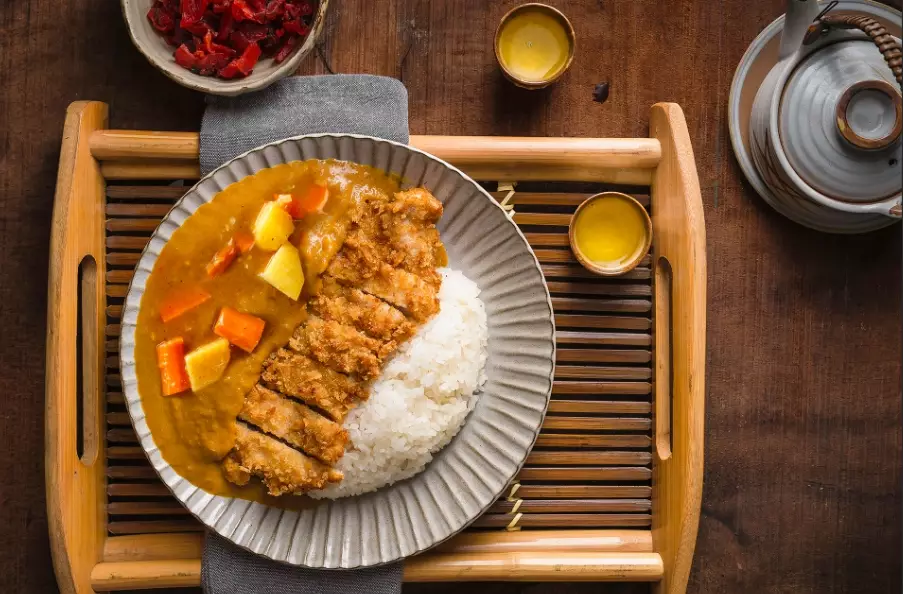
The flavor profile is distinct. It's milder, often with a subtle fruity sweetness from ingredients like apples or honey. The texture is gravy-like, thickened with a roux (butter and flour), not with yogurt or coconut milk. Common proteins are chicken, beef, or pork katsu (breaded cutlet). Vegetables are chunky—carrots, potatoes, and onions are non-negotiable.
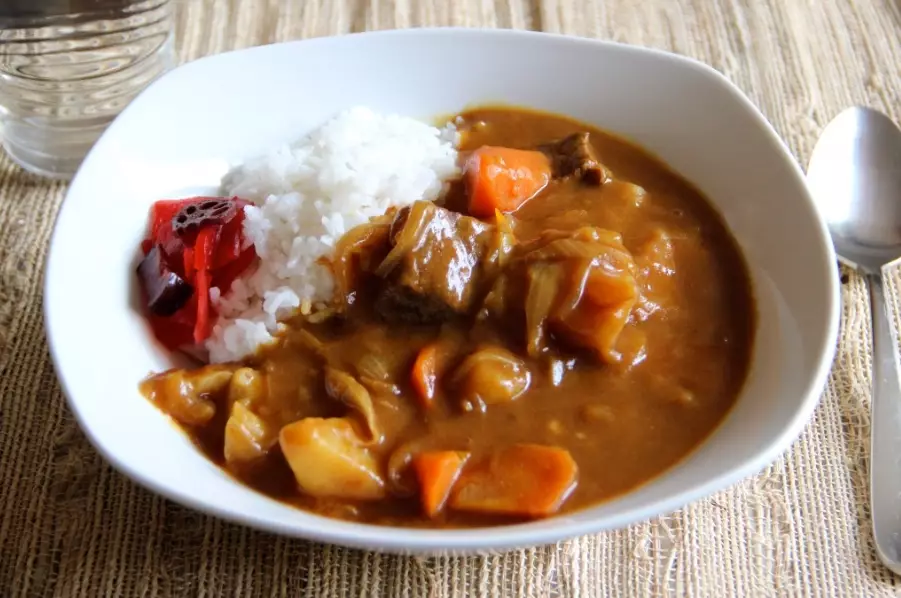
It’s served over a mountain of white rice, often with a side of bright red fukujinzuke pickles for a tangy crunch.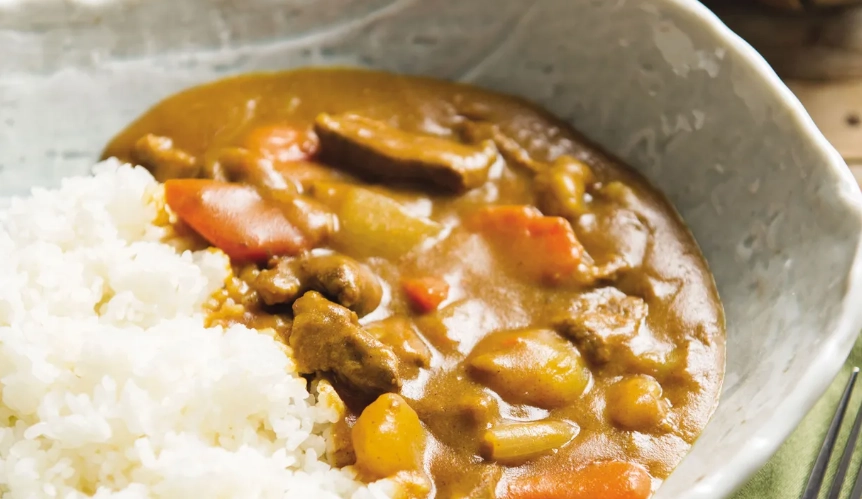
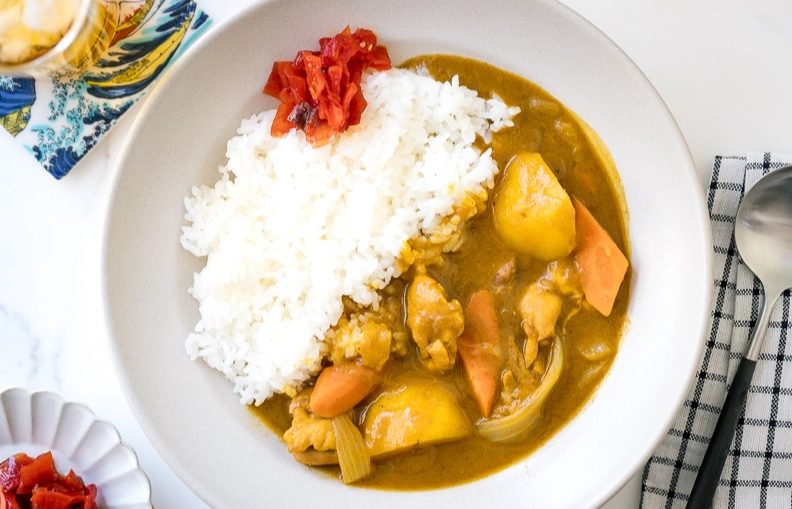
The Holy Trinity: You'll see this combo everywhere. Carrots, potatoes, and onions. They form the sweet, starchy, and savory base of nearly every pot. The potatoes break down a little to thicken the sauce. The onions caramelize for depth. The carrots add sweetness. Don't skip them.
How to Make Japanese Curry: A Step-by-Step Guide
Here’s my reliable method, designed to build maximum flavor and avoid a watery, bland result.
Gathering Your Ingredients (Serves 4)
- Protein: 500g boneless chicken thighs (cut into chunks) or beef stew meat.
- Vegetables: 2 onions (sliced), 2 carrots (cut into rolling wedges), 2 potatoes (cut into chunks, soak in water to prevent browning).
- Liquid: 900ml water, or a mix of water and dashi stock for more umami.
- Roux: 1 box (approx. 220g) of Japanese curry roux blocks.
- Fat: 1 tbsp vegetable oil or butter.
- Optional extras: A small grated apple, a spoonful of honey, a splash of soy sauce or Worcestershire sauce.
The Cooking Process
- Sear the Protein: Heat oil in a large, heavy-bottomed pot. Brown the chicken or beef in batches. Don't crowd the pot. This isn't just for color; it creates fond (those tasty browned bits) at the bottom. Set the meat aside.
- Caramelize the Onions: In the same pot, add the onions with a pinch of salt. Cook them over medium-low heat for at least 10-15 minutes. This is the secret step most people rush. You want them deeply golden, sweet, and soft. This builds a flavor foundation no roux block can provide.
- Add and Simmer: Return the meat to the pot. Add the carrots and potatoes. Pour in the water or stock. Bring to a boil, then reduce to a gentle simmer. Skim off any scum that rises. Cover and simmer for 20 minutes (chicken) or 45-60 minutes (beef) until the meat is tender.
- The Critical Roux Addition: Here’s the big mistake zone. Turn off the heat. Break the curry roux blocks into a small bowl. Ladle about a cup of the hot cooking liquid into the bowl. Whisk until the roux is completely dissolved into a smooth, lump-free paste. Then, stir this paste back into the main pot. This prevents lumps and ensures the roux emulsifies properly.
- Final Simmer: Turn the heat back to low. Stir gently and simmer uncovered for another 5-10 minutes until the sauce thickens to a luxurious, gravy-like consistency. Taste. Now is the time to adjust with a splash of soy sauce for saltiness, a squeeze of lemon for brightness, or a spoonful of honey if it's too spicy.
Don't Over-Stir After Adding Roux: Once the roux is in, stir gently. Vigorous stirring can break down the potatoes and make the curry gluey instead of silky.
Choosing Your Curry Roux: A Brand Breakdown
Not all roux blocks are created equal. Your choice dictates the final flavor. Here’s a quick guide to the major players you'll find in Asian grocery stores or online.
| Brand (Variant) | Flavor Profile | Best For | My Note |
|---|---|---|---|
| S&B Golden Curry (Mild to Hot) | Classic, well-balanced, slightly sweet and savory. The benchmark. | First-timers, traditional taste. | Reliable and consistent. The “medium hot” is a crowd-pleaser. |
| House Vermont Curry | Noticeably sweeter and fruitier (contains apple and honey). Milder spice. | Kids, those who prefer a sweeter curry. | I find it too sweet on its own. I often mix half a block with a spicier brand. |
| House Java Curry | Rich, less sweet, with more spices and a hint of bitterness. More complex. | Adults looking for depth, pairing with beef. | My personal favorite for beef curry. It has a more “restaurant” feel. |
| Glico Curry Zeppin (Rich Type) | Extremely rich, thick, and savory with roasted notes. Low sweetness. | A decadent, restaurant-style experience at home. | Incredibly thick. You might need to use slightly more liquid than instructed. |
Pro Tip: Don't be afraid to mix! Combining half a block of a sweet curry (like Vermont) with half a block of a spicy one (like Java) creates a beautifully balanced, custom flavor.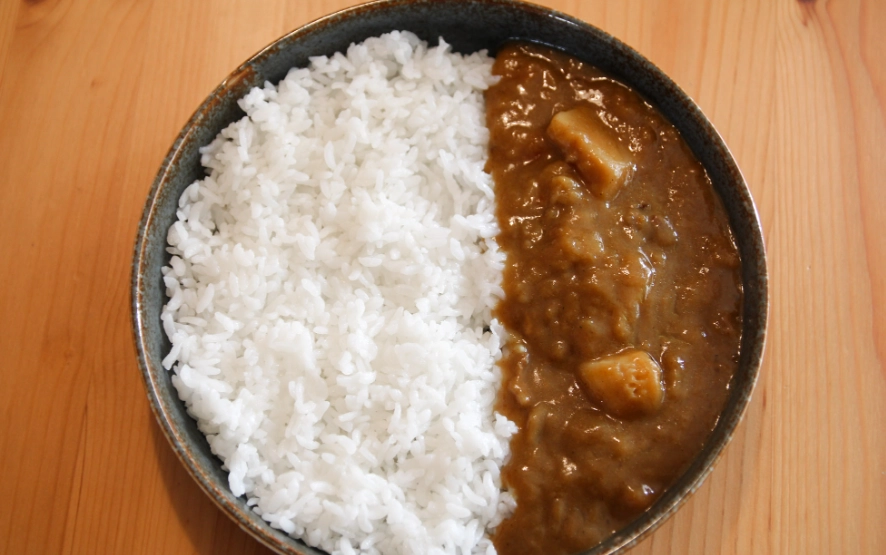
Beyond the Pot: Must-Try Japanese Curry in Tokyo
To truly understand Japanese curry, you need to taste its variations. If you're in Tokyo, these spots are worth a pilgrimage. They show how chefs elevate the humble home dish.
1. Ginza Kagari (銀座 篝) - The Soup Curry Specialist
This isn't your thick stew. Hailing from Hokkaido, soup curry is a lighter, broth-based version where each ingredient is meticulously cooked separately for perfect texture.
- Address: 4-4-1 Ginza, Chuo-ku, Tokyo (in the Ginza Six basement food hall).
- Signature Dish: Tori Paitan Soba Curry. A creamy chicken broth curry with a tender chicken leg and seasonal vegetables. It's served with thin noodles, not rice.
- Price: Around ¥1,500 per bowl.
- Why it's special: The broth is incredibly refined—aromatic, layered, and surprisingly light. It redefines what curry can be.
2. Coco Ichibanya (CoCo壱番屋) - The Customizable King
This is the McDonald's of Japanese curry—a massive chain where you build your own. It's the perfect lab to figure out your preferences.
- Multiple Locations: Everywhere. Shinjuku, Shibuya, you name it.
- The Gimmick: A paper menu where you choose spice level (1-10), rice amount, toppings (pork katsu, cheese, fried shrimp, boiled egg, etc.), and even the curry sauce type (regular, beef, seafood).
- Price: Starts around ¥800 for a basic plate.
- Why it's special: It's fast, reliable, and lets you experiment. Want a Level 5 spice with extra cheese and a tonkatsu? Go for it. It’s a fascinating study in mass-market Japanese taste.
Expert Troubleshooting & Pro Tips
These are the little things I've learned the hard way.
- Curry too thin? Simmer it uncovered. If desperate, make a slurry with 1 tsp cornstarch and 1 tbsp cold water, stir it in, and simmer for a minute.
- Curry too thick? Add a splash of hot water or broth and stir well.
- Lacks depth? Next time, add a tablespoon of tomato paste when cooking the onions, or a piece of kombu (dried kelp) to the simmering broth.
- Make it ahead: Curry tastes better the next day. The flavors meld. Just cool it quickly and store it in the fridge. Reheat gently with a splash of water.
- Freezing: It freezes beautifully for up to 3 months. Portion it into containers for instant future meals.
What's the biggest mistake people make when using store-bought Japanese curry roux?
The most common error is not sautéing the roux block properly. People often just drop it into the simmering broth. Instead, you should ladle a cup of the hot cooking liquid into a separate bowl, dissolve the roux blocks there completely until smooth and glossy, and then stir this mixture back into the main pot. This prevents lumpy curry and allows the roux's starches and fats to emulsify perfectly, creating a rich, velvety sauce rather than a grainy or separated one.
Can I make Japanese curry without the pre-made roux blocks?
Absolutely, and it gives you complete control over flavor. A homemade roux starts with equal parts butter and flour cooked together until it reaches your desired color (blond for a milder curry, brown for deeper flavor). Then, you stir in Japanese curry powder or garam masala, along with other spices like cumin, coriander, and turmeric. Finally, whisk in your broth. This method is more work but results in a brighter, more complex spice profile compared to the rounded, sweet-savory notes of store-bought blocks.
My Japanese curry always turns out too sweet. How can I fix this?
This is a frequent issue, especially with fruit-heavy or honey-based roux varieties. First, try balancing the sweetness with acidity: a splash of apple cider vinegar, a squeeze of lemon juice, or even a tablespoon of Worcestershire sauce can work wonders. Second, amp up the savory elements: add a spoonful of soy sauce, a dash of fish sauce (it won't taste fishy, promise), or simmer a piece of kombu (dried kelp) in the broth. Finally, consider using a less sweet roux brand next time, or mix a spicier block with a sweeter one.
How can I make my Japanese curry thicker and richer?
For a thicker consistency, let the curry simmer uncovered for the last 10-15 minutes of cooking; the evaporation will concentrate the sauce. For richness, incorporate umami boosters: a spoonful of miso paste dissolved in a little water, a tablespoon of tonkatsu sauce, or even a small piece of dark chocolate (70% cocoa) stirred in at the end. These add depth and a slight sheen to the curry without overpowering the core flavors.
So, there you have it. Japanese curry is less about strict recipes and more about understanding a process. Start with a good roux, take your time with the onions, and don't be afraid to tweak. It's forgiving. The goal is that perfect bowl of steamy rice topped with a rich, savory-sweet stew that makes everything feel right. Now go grab a pot. Your ultimate homemade Japanese curry is waiting.
Reader Comments