You know sushi, you love ramen. But have you ever sat down in a Tokyo diner, ordered "hambagu" and been served a juicy, saucy hamburger steak with no bun in sight? Or seen "omurice" on a menu and wondered why an omelette is such a big deal? Welcome to the world of yoshoku. It's not just "Western food" in Japan. It's a whole category of Japanese comfort food born from a fascinating, sometimes awkward, history of culinary adaptation. It's food that feels familiar yet distinctly foreign, and it's absolutely everywhere once you know what to look for.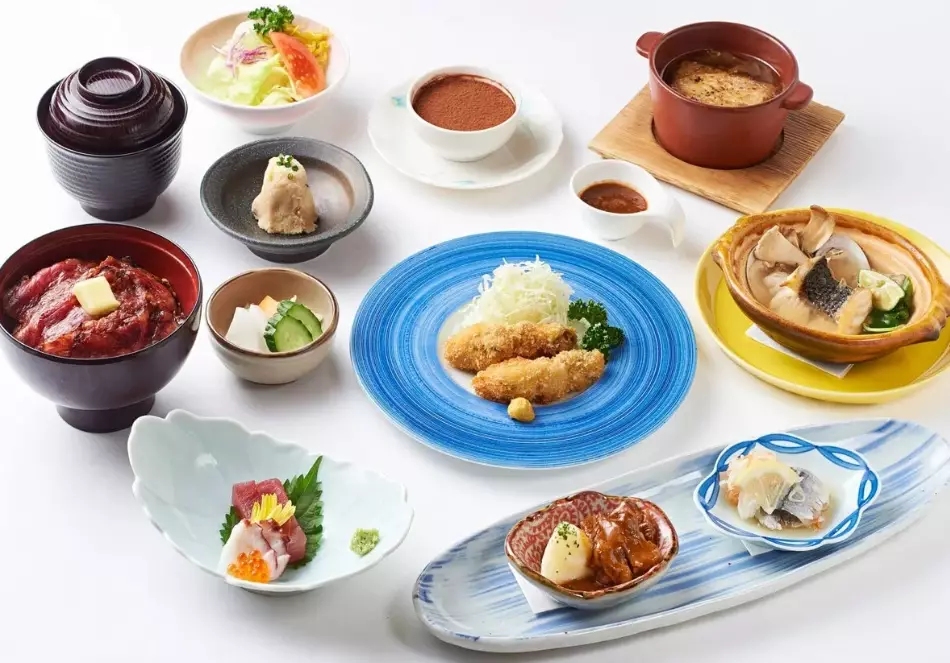
I remember my first real yoshoku experience wasn't in a fancy place. It was in a slightly worn, family-run restaurant near Shinjuku. The menu was a laminated sheet with pictures. I pointed to something that looked like a pork cutlet. What arrived was tonkatsu—crunchy, juicy, served with a mound of shredded cabbage and a thick, sweet-savory sauce I'd never tasted before. It was a revelation. This wasn't just a copy. It was a reinvention. That's yoshoku.
Your Quick Guide to Yoshoku
What Exactly Is Yoshoku? A Simple Definition
Let's clear this up first. Yoshoku literally means "Western food." But in practice, it refers specifically to a style of dishes that originated in the late 19th and early 20th centuries, when Japan reopened to the world after centuries of isolation. The Japanese chefs of the time encountered European (mostly French, British, and Portuguese) and American cooking. They didn't have all the ingredients or equipment, and more importantly, they were cooking for Japanese palates.
So they adapted. They swapped ingredients, simplified techniques, and added local flavors like soy sauce, mirin, and dashi. The result wasn't an attempt at authenticity. It was the creation of something new. Yoshoku is Japan's interpretation of Western food, now fully absorbed into its own culinary identity. If washoku is traditional Japanese cuisine, yoshoku is its modern, hybrid sibling. You eat washoku with chopsticks. You eat yoshoku with a spoon and fork.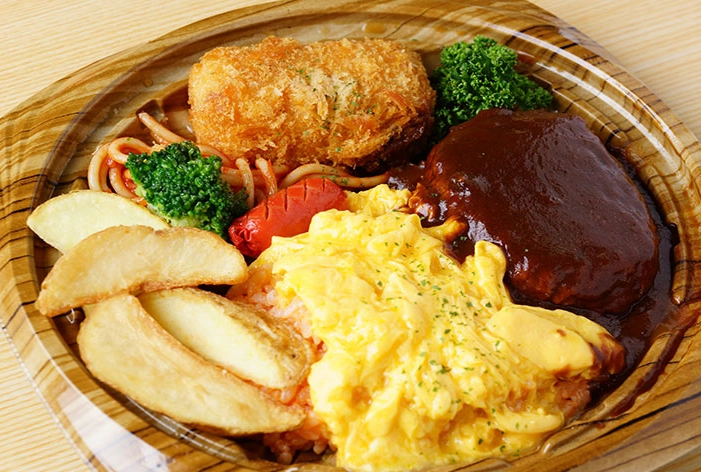
Key Takeaway: Don't call it "Japanese-style Western food" to a local. That's overcomplicating it. It's just yoshoku—its own category. Calling a perfect tonkatsu "Japanese schnitzel" misses the point entirely. It's tonkatsu.
The History: How Western Food Became Japanese
The story starts in the Meiji era (1868-1912). Japan was modernizing rapidly, and the government promoted Western culture, including food, as a symbol of progress. Eating meat (especially beef), which was largely taboo in Buddhist tradition, became encouraged.
Early yoshoku was served in expensive, exclusive restaurants like the legendary Grill Swiss in Tokyo's Ginza district, catering to the elite. Dishes were closer to their European origins. But after World War II, with influence from the American occupation, yoshoku democratized. Ingredients like wheat flour, potatoes, and tomatoes became more available. The dishes moved from high-end restaurants into yoshoku-ya (casual yoshoku diners) and family kitchens.
This is when it truly became comfort food. Kare raisu (curry rice) became a staple of the Japanese Navy and then the national home kitchen. Companies like S&B invented instant curry roux blocks in the 1950s, sealing its fate as the ultimate home-cooked meal. You can trace Japan's modern history through its yoshoku.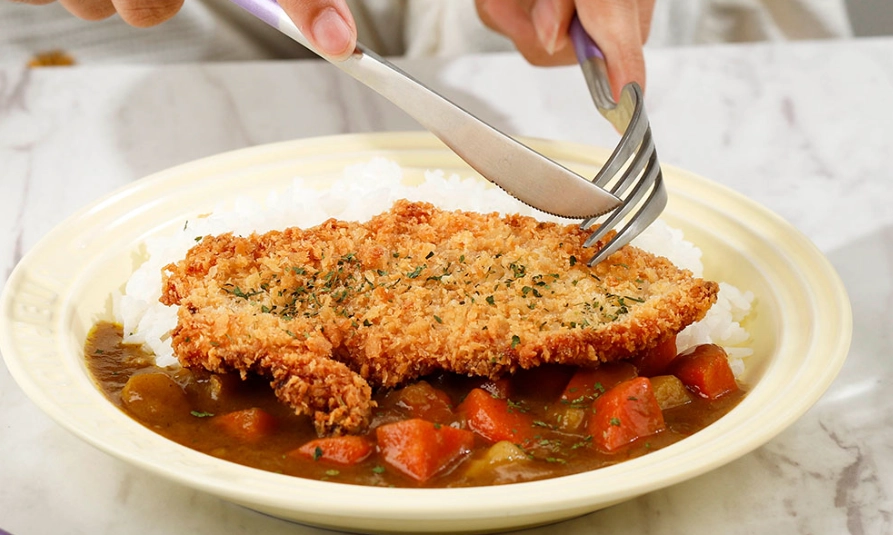
The Classics: 5 Must-Know Yoshoku Dishes
You've probably seen these, even if you didn't know their names. Here’s the essential lineup.
| Dish Name | What It Is (The Simple Version) | Key Thing to Know |
|---|---|---|
| Kare Raisu (Curry Rice) | Japanese curry stew with meat & veggies, served over rice. Thicker, sweeter, less spicy than Indian curry. | The #1 comfort food. Made with instant roux blocks. Often served with a pork cutlet (Katsu Curry). |
| Tonkatsu | Pork cutlet, breaded with panko and deep-fried. Served with shredded cabbage, rice, miso soup, and tonkatsu sauce. | Panko breadcrumbs are key for an extra-crispy, airy crust. The sauce is a fruity, Worcestershire-based condiment. |
| Omurice | Omelette wrapped around ketchup-flavored fried chicken rice, often topped with more ketchup or demi-glace sauce. | A lunchtime icon. The egg should be soft, slightly runny (toro-toro). A true test of a diner's skill. |
| Hambagu (Hamburg Steak) | A seasoned ground meat patty (beef/pork mix), pan-fried or grilled, served with a rich demi-glace or red wine sauce. | No bun. This is a knife-and-fork main dish, often with rice, veggies, and a sunny-side-up egg on top. |
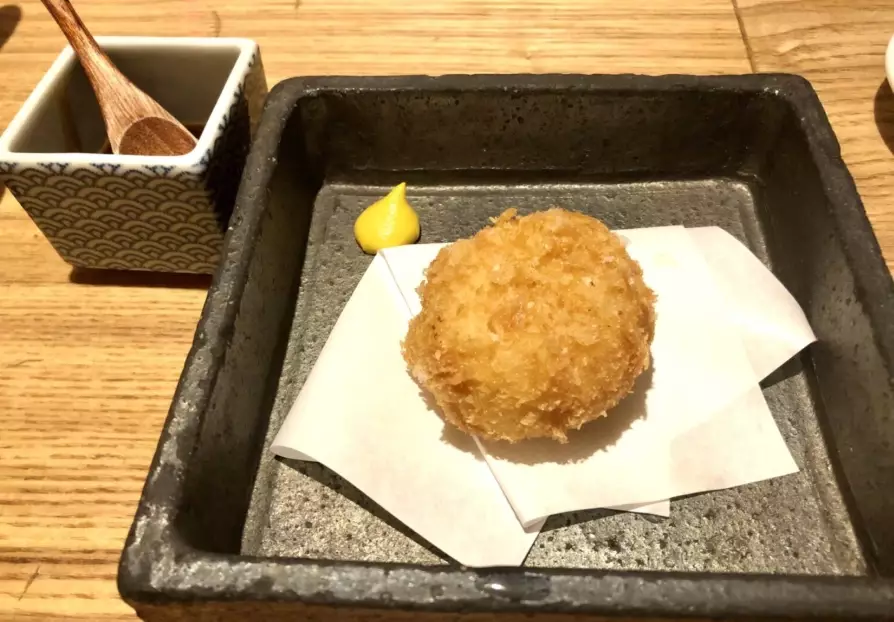
| Korokke | Croquette. Usually mashed potato with minced meat, coated in panko and deep-fried. | The ultimate street food and bento box staple. Creamy inside, crunchy outside. Eaten with tonkatsu sauce or just salt. |
There are dozens more: Napolitan pasta (ketchup-based spaghetti with sausage and green pepper), Hayashi Raisu (hashed beef stew), Doria (rice gratin). Once you see the pattern—familiar concept, Japanese ingredients and flavors, served as a teishoku (set meal) with rice and soup—you'll spot yoshoku everywhere.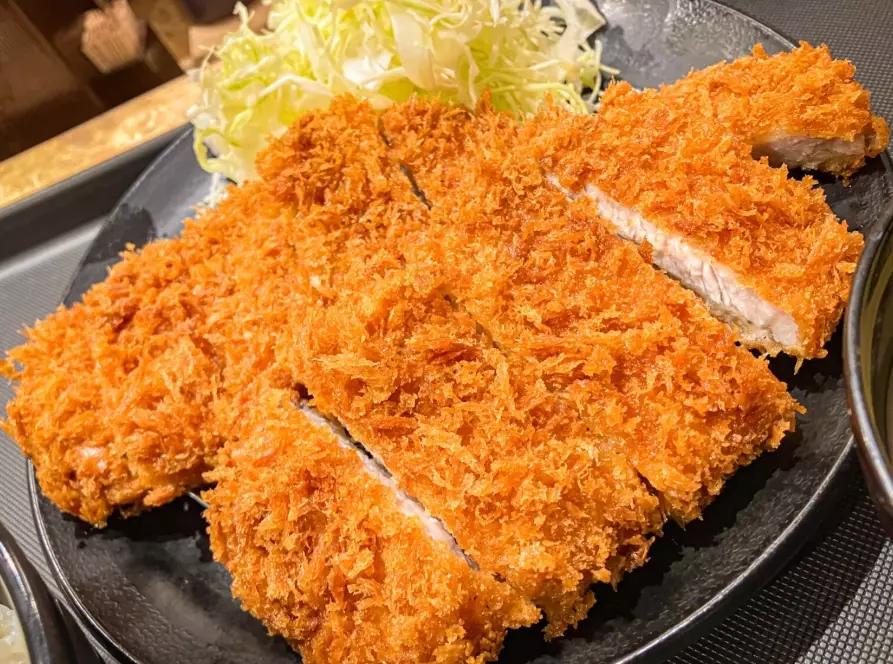
Where to Eat Yoshoku: From Diners to Fine Dining
Your yoshoku journey has different price points and atmospheres. Here’s where to go.
The Classic Yoshoku-ya (Diner)
This is the heart of the experience. Think wooden booths, plastic menus, the sound of sizzling plates. It's affordable, fast, and utterly genuine. Portions are huge. These places often specialize. One might be famous for its tonkatsu, another for its omurice.
My Recommendation: Taishoken in Hamamatsucho (Tokyo) is an institution for tonkatsu. It's been around since 1929. You're paying for history and technique. Expect to queue. A tonkatsu teishoku will run you about 1,500-2,000 yen. It's not the cheapest, but it's a masterclass.
The Family Restaurant (Famiresu)
Chains like Saizeriya, Gusto, or Jonathan's. This is where modern Japanese families go for a casual meal. The yoshoku here is reliable, cheap, and includes endless drink bars. It's a great, low-pressure place to try a wide range of dishes. A hambagu plate might be 800 yen. The quality is consistent, if not life-changing.
The High-End Yoshoku Restaurant
Yes, they exist. These places take the humble yoshoku dish and elevate it with premium ingredients and exquisite technique. We're talking tonkatsu made with rare-breed pork like Kurobuta (Berkshire), or hambagu using specific cuts of steak-grade beef.
Example: Tonkatsu Maisen (multiple locations in Tokyo) is famous for its high-quality pork selection. You can choose the breed and cut. It's still a casual setting, but the focus on ingredient quality puts it a tier above. A premium loin cutlet set can be 3,000+ yen.
For a truly refined experience, look for places in upscale hotel dining rooms or tucked away in Ginza. They might reinterpret classic yoshoku with French culinary precision.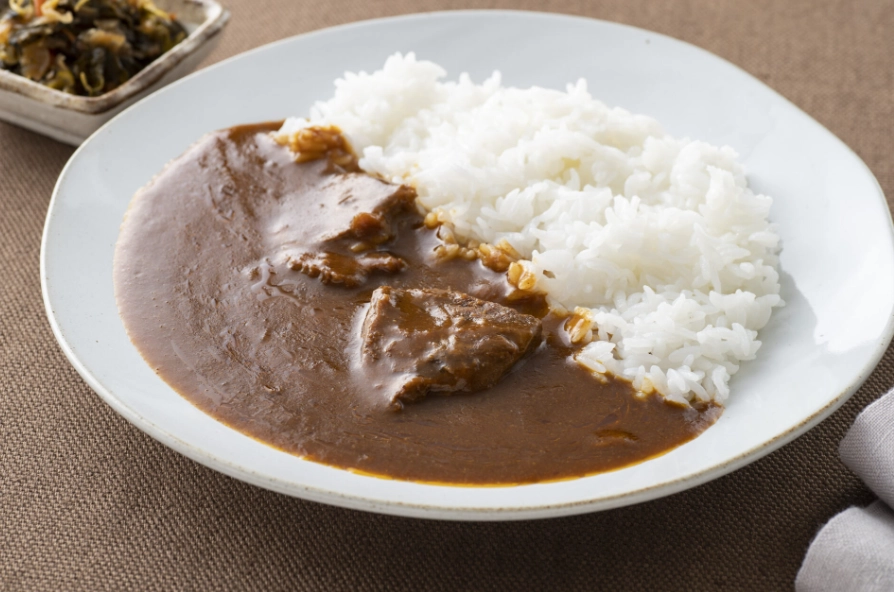
How to Start Making Yoshoku at Home
The beauty of yoshoku is its accessibility. You don't need special skills to make a satisfying version.
Start with Japanese Curry. This is the easiest gateway. Buy a box of Japanese curry roux blocks (S&B or House Foods are major brands). The instructions are on the box: sauté meat and onions, add water and veggies, simmer, add the roux. It's foolproof. The pro tip? Sauté your onions until they are deeply, deeply caramelized—almost a paste. This builds a flavor base most home cooks skip.
Then try Hambagu. Mix ground beef and pork with finely minced onions, panko soaked in milk, an egg, nutmeg, salt, and pepper. Form into oval patties. Make an indentation in the center—this prevents it from puffing up. Pan-fry, then make a simple sauce in the same pan with red wine, ketchup, Worcestershire, and demi-glace (or just use a store-bought demi-glace mix). Pour it over the patty. Serve with rice and buttered vegetables. Instant comfort.
The secret weapon for home yoshoku? Panko breadcrumbs for crunch, and a bottle of Bulldog Tonkatsu Sauce or Worcestershire sauce. They're the flavor anchors.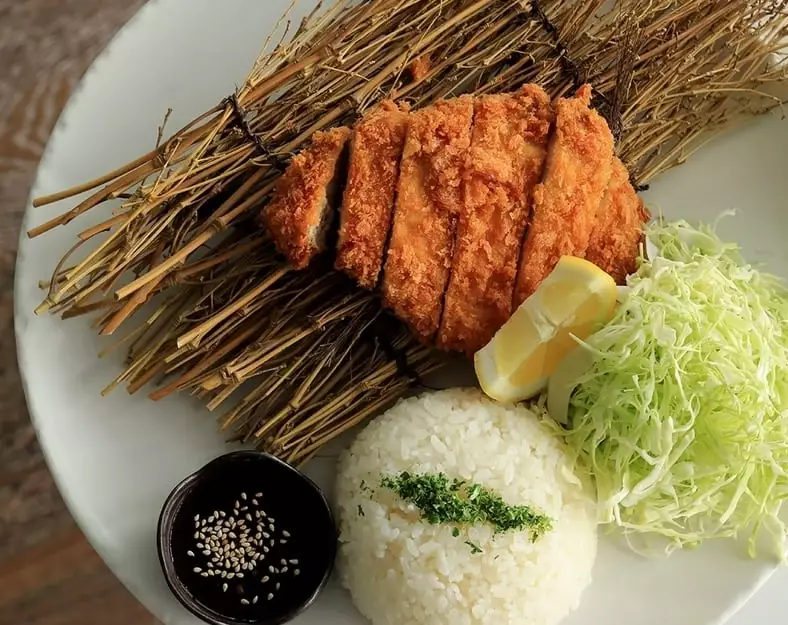
Your Yoshoku Questions, Answered
 So next time you're looking at a menu in Japan and see something that looks like a Western dish but feels a bit off, give it a try. That's yoshoku. It's a story of cultural curiosity, adaptation, and ultimately, the creation of something uniquely and deliciously Japanese. Start with a plate of katsu curry. You won't look back.
Reader Comments