What You’ll Learn
Let's talk about Buri fish size. It's one of those things you don't really think about until you're staring at a whole fish at the market or trying to figure out what size to order at a sushi bar. Is it big? Is it small? Does it even matter? Well, as someone who's spent more time than I'd like to admit researching this (and making a few questionable purchases along the way), I can tell you it matters a lot.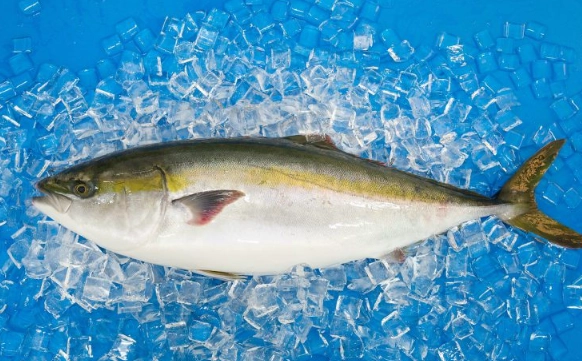
The whole naming thing with Buri, Hamachi, and Yellowtail is confusing enough, but throw size into the mix and it's a whole new level. You've got chefs arguing about the perfect size for sashimi, fishermen debating catch limits, and home cooks like me just trying not to buy more fish than will fit in the pan.
So, How Big Do Buri Fish Actually Get?
This is where it gets interesting. We're not talking about a goldfish here. Buri can grow to impressive sizes, but most of what you'll encounter falls within a specific range.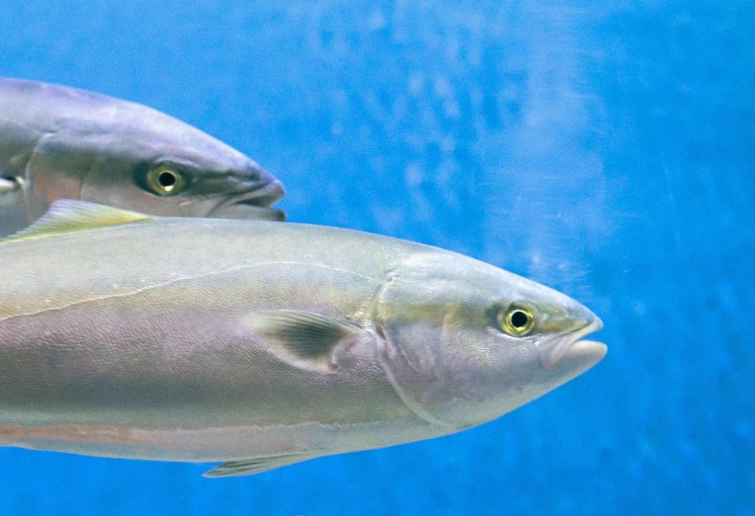
The absolute monsters – the record-breakers – can push past 1.5 meters (about 5 feet) and weigh over 40 kilograms (88 pounds). I saw a picture once from a fishing tournament in Japan, and let me tell you, that's a fish that could look you in the eye. But that's the exception, not the rule.
Most adult Buri caught commercially or found in better restaurants are in the 60 to 80 cm range (24 to 31 inches), weighing between 5 and 10 kg (11 to 22 lbs). That's a substantial fish. Big enough to feed a family, for sure.
But here's the kicker – the taste and texture change dramatically with size. A small Buri (what they'd call Hamachi) has a lighter, more delicate flavor. The big guys develop a richer, oilier, more pronounced taste. Some people love it, others find it too strong. Personally, I think the mid-sized ones hit the sweet spot.
The Buri Fish Size Chart: From Name to Plate
This is probably the most useful way to look at it. In Japan, they don't just call it "big fish" or "small fish." They have specific names for specific size ranges, and those names tell you exactly what you're getting in terms of flavor and best use. Forget the scientific names for a second – this is the practical stuff.
| Japanese Name | Approximate Length | Approximate Weight | Common Use & Notes |
|---|---|---|---|
| Wakashi | 15-20 cm (6-8 in) | Under 100g (3.5 oz) | Rarely sold commercially. Tiny juveniles. |
| Inada | 20-40 cm (8-16 in) | 100g - 1.5kg (3.5 oz - 3.3 lbs) | Often served as small sashimi portions or grilled whole. Mild flavor. |
| Warasa | 40-60 cm (16-24 in) | 1.5 - 3.5 kg (3.3 - 7.7 lbs) |
See what I mean? The size directly dictates the name. If you walk into a high-end sushi place in Tokyo and order "Buri," they're expecting you to want the larger, winter-caught adult fish with that robust flavor. Order "Hamachi" and you'll get the smaller, younger, more buttery-textured fish. It's not just tradition – it's a precise culinary language based on Buri fish size.
What Affects How Big a Buri Grows?
It's not just about age. You could have two Buri born on the same day that end up wildly different sizes. Why? A few key factors are at play.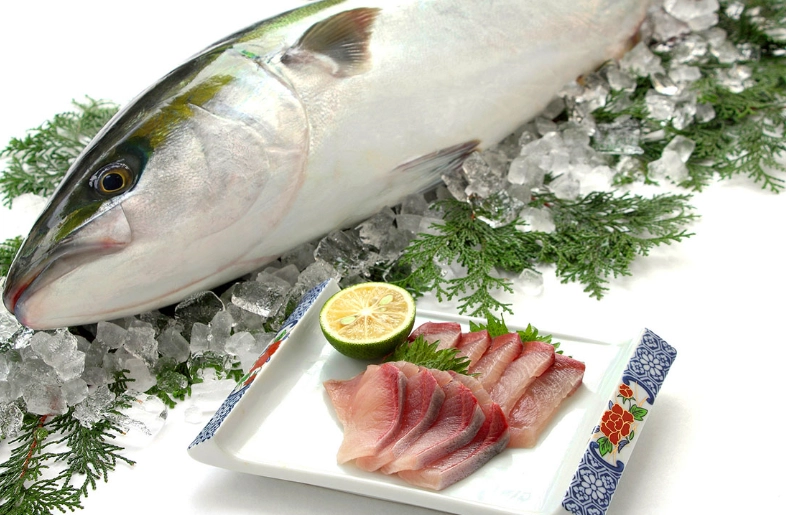
Food Supply is Everything
Buri are opportunistic predators. They eat smaller fish, squid, crustaceans – basically whatever they can catch. A Buri living in a nutrient-rich current with abundant sardines or anchovies is going to pack on the pounds much faster than one in a sparse environment. It's the difference between an all-you-can-eat buffet and occasional snacks.
I remember talking to a fish farmer who said they carefully control the feed protein and fat content to optimize growth rates for their farmed Buri. In the wild, it's a much tougher life.
Water Temperature and Migration
Buri are partially migratory. They follow the warm currents. Warmer waters generally mean faster metabolism and, if food is available, faster growth. Their seasonal movements up and down the coast of Japan are directly tied to finding the optimal temperature for feeding. Colder waters might slow them down. This migration pattern is a big reason why wild Buri caught in different seasons have different fat contents and, consequently, different perceived qualities related to their size and condition.
Farming vs. Wild: A Size and Growth Race
This is a major point of discussion. Farmed Buri (often sold as "yellowtail" in the US) are raised in net pens. Their growth is managed.
- Farmed Buri: Growth is accelerated. They're fed a high-energy diet consistently, protected from most predators, and often harvested at a younger age but at a target Buri fish size that's ideal for the market (often in the Hamachi or early Buri range). The result is a more predictable, often fattier fish, but some argue it lacks the complex flavor of a wild fish that worked for its meals.
- Wild Buri: Growth is slower and less predictable. They face predators, competition, and seasonal food shortages. A wild Buri of the same length as a farmed one is almost always older. This slower life often leads to a firmer texture and a flavor that changes with the seasons and its diet. The maximum Buri fish size records are always held by wild fish.
Which is better? That's a endless debate. For consistent, rich sashimi, high-quality farmed is hard to beat. For a unique, seasonal experience, wild is king. But you'll usually pay more for the wild one, especially at a larger size.
Choosing the Right Buri Fish Size: A Practical Guide
Okay, so you're sold on trying Buri. How do you choose? It depends entirely on what you're doing with it.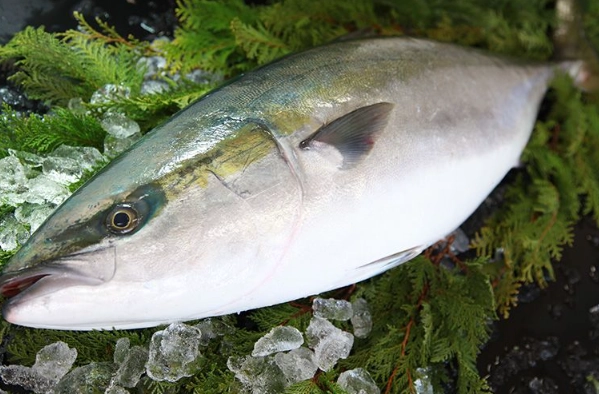
For Sashimi and Sushi (The most common question)
This is where the Buri fish size and fat content are critical. Most sushi chefs prefer fish in the upper Hamachi to mid-sized Buri range.
- Hamachi (smaller, younger): The fat is softer, more integrated. The flavor is mild, buttery, and sweet. It's incredibly approachable and melts in your mouth. Perfect for someone new to yellowtail or who prefers a delicate flavor.
- Buri (larger, mature, especially winter Buri): The fat is more pronounced, almost marbled. The flavor is robust, rich, and complex, sometimes with a slightly "meatier" finish. This is for people who love bold fish flavors. The texture can be slightly firmer.
If you see "Buri" on a sushi menu in winter, order it. That's considered the peak season for flavor in the larger fish.
For Grilling or Baking (Buriyaki, Teriyaki)
You have more flexibility here. Steaks or fillets from a medium-sized fish (say, 3-5 kg) work great. They're thick enough to stay juicy but will cook through evenly. Very large fish can have sections that are almost too oily for some people's taste when grilled. A smaller, whole Inada-sized fish grilled with salt is a classic and fantastic dish – the bones get crispy, and the meat stays moist.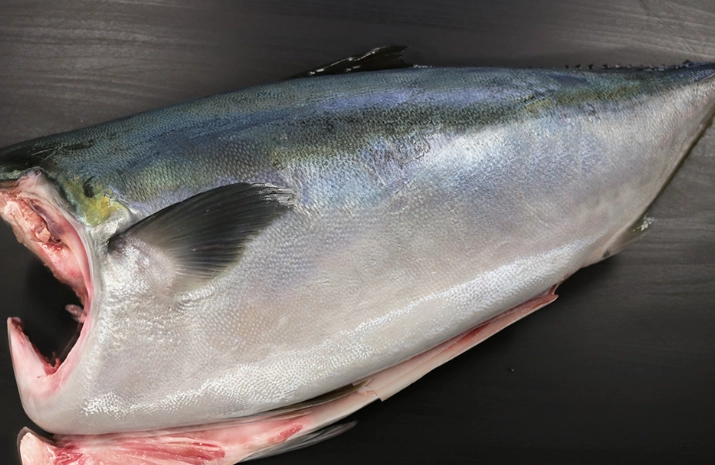
For Buying Whole at the Market
First, ask if it's farmed or wild. Then, look at the eyes (should be clear, not cloudy) and gills (bright red, not brown). Smell it – it should smell like the ocean, not fishy. For a Buri fish size recommendation, a 4-6 lb whole fish will yield nice fillets for a family meal. Anything over 10 lbs whole is a commitment – you'll need to know how to break it down or have a plan for a lot of fish.
Understanding the Life Cycle and Growth Rate
To really grasp Buri fish size, it helps to know their journey. They start as tiny larvae, almost invisible. Within their first year, if conditions are good, they can grow to that Inada size (around 30cm). That's rapid growth. By year 2-3, they hit the Warasa stage. The transition to the full adult "Buri" name typically happens around 3-4 years and 60cm+.
Growth slows down as they get bigger. Adding another kilogram to a 15kg fish takes a lot more energy than adding it to a 1kg fish. A truly giant, 20kg+ Buri is likely 8-10 years old or more. The Food and Agriculture Organization (FAO) has detailed species profiles that confirm these growth patterns, noting the rapid early growth phase common to many amberjack species.
That's why those giant catches are so celebrated – they represent a survivor, a fish that has outsworn predators, nets, and hooks for a long time.
FAQs: Your Buri Fish Size Questions, Answered
Is Buri the same as Hamachi?
Yes and no. It's the same species (*Seriola quinqueradiata*), but Hamachi refers to a younger, smaller fish, typically farmed and harvested under 60cm. Buri is the name for the larger, mature wild fish. In the US, "yellowtail" or "Hamachi" is often used for all of it, which adds to the confusion. So when considering Buri fish size, remember: all Hamachi is potentially a future Buri, but not all Buri are sold as Hamachi.
What is the largest Buri fish ever recorded?
Official records are hard to pin down, but credible sport fishing reports and historical accounts mention wild Buri (Japanese amberjack) exceeding 1.5 meters (59 inches) and 50 kilograms (110 lbs). The FishBase entry, a key scientific resource compiled in collaboration with institutions like the NOAA, lists a maximum published weight of 40.8 kg (around 90 lbs). These giants are rare and are the result of a long life in ideal conditions.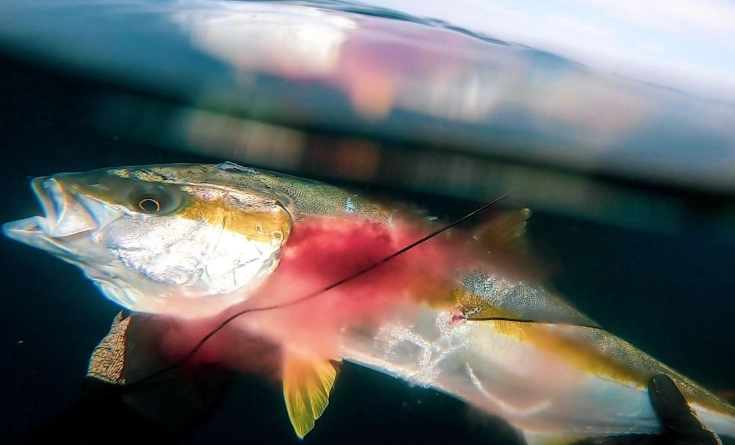
Does a bigger Buri taste better?
"Better" is subjective. It tastes *different*. Larger Buri, especially those caught in winter ("Kan Buri"), have a higher fat content and a much richer, more intense flavor. Sushi connoisseurs prize this. However, many people prefer the lighter, sweeter, and more delicate taste of younger Hamachi. It's not a quality hierarchy, but a flavor spectrum. I recommend trying both side-by-side if you get the chance.
How much meat can I expect from a whole Buri?
A rough estimate for a whole, gutted fish is a 60-70% yield. So, a 5 kg (11 lb) whole Buri will give you about 3 to 3.5 kg (6.6 to 7.7 lbs) of skinless, boneless fillets. The head and bones are fantastic for making a rich fish stock (dashi), so don't throw them away!
Are there legal size limits for catching Buri?
Yes, in many regions. Japan has local regulations, and other countries may set minimum size limits for amberjack species to protect juvenile populations and ensure sustainable fisheries. These limits are crucial for maintaining healthy stocks. Always check the local regulations before you go fishing. The goal is to enjoy this resource for years to come, not just for one season. Ignoring size limits is a quick way to ruin a fishery for everyone.
The Final Take on Buri Fish Size
So, after all this, what's the bottom line on Buri fish size?
It's a defining characteristic. It tells you the fish's life stage, predicts its flavor and texture, and guides how you should cook it. From the petite, plate-sized Inada to the formidable, meter-long winter Buri, this one species offers a stunning range of culinary experiences.
The next time you see it on a menu or at the counter, you'll know that the name and the size are giving you important clues. You can choose the younger, buttery Hamachi for a light treat, or seek out the larger, richer Buri for a more profound taste of the sea. You'll understand why a farmed fish might be more consistent in size, and why a wild one is a seasonal treasure.
Knowing about Buri fish size turns you from a passive consumer into an informed one. And in the world of seafood, where quality and sustainability matter, that knowledge is power. It helps you ask the right questions, make better choices, and ultimately, enjoy this incredible fish to the fullest.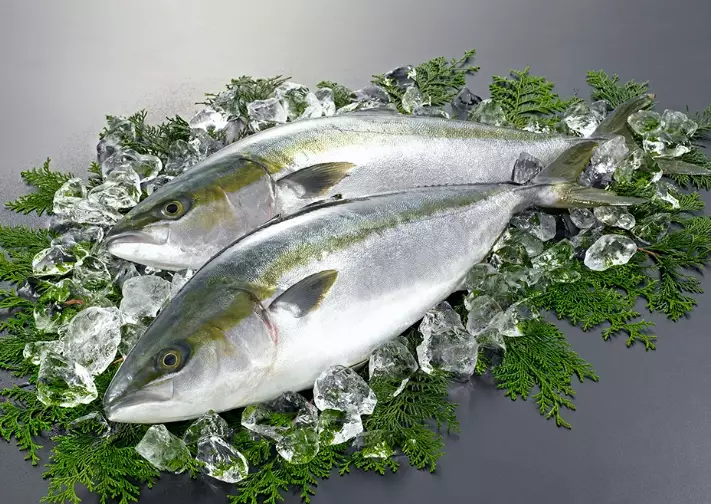
Hope this deep dive helped clear things up. It definitely helped me make sense of my own hits and misses at the fish market. Now go enjoy some Buri, at whatever size strikes your fancy.
Reader Comments