Japanese food doesn't have to be complicated. When I first moved to Tokyo, I was overwhelmed by the intricate dishes at restaurants. But after chatting with neighbors and experimenting in my tiny kitchen, I realized that easy Japanese meals are all about simplicity and smart shortcuts. Let's cut through the noise and get straight to what works: recipes you can actually make on a Tuesday night, with ingredients you might already have.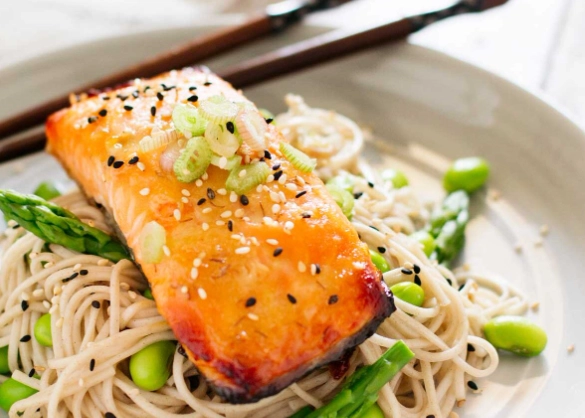
Your Cooking Roadmap
What Are Easy Japanese Meals?
Easy Japanese meals are dishes that require minimal effort, common ingredients, and short cooking times. Think miso soup that simmers while you chop veggies, or teriyaki chicken that cooks in one pan. The goal isn't to replicate restaurant perfection but to capture the essence of Japanese flavors—umami, balance, and freshness—without spending hours. Many people assume Japanese cooking needs special tools like a rice cooker, but I've made do with a simple pot for years. It's about technique, not gadgets.
Here's the thing: if you can stir-fry or boil water, you can handle these meals. They're designed for real life, not culinary school.
Essential Pantry Ingredients for Japanese Cooking
You don't need a fully stocked Asian market. Start with these five staples, which I always keep on hand. They last months and form the base for countless dishes.
Mirin: This sweet rice wine is key for glazes. If you're in a pinch, a mix of sugar and white wine can work, but it's not the same.
Miso paste: White miso is milder and versatile. Store it in the fridge after opening.
Dashi stock: Instant dashi granules are a lifesaver. They dissolve in hot water for soup base in seconds.
Rice vinegar: A splash brightens up salads and rice dishes.
I made the mistake of buying expensive artisanal miso early on. It didn't make my soup taste better—just wasted money. Stick to basics.
How to Cook Easy Japanese Meals in Under 30 Minutes
Let's get practical. These three recipes are my go-to for busy nights. Each serves two, and you can scale up easily.
1. 10-Minute Miso Soup with Tofu and Wakame
Steps: Boil water, dissolve dashi. Reduce heat, add tofu and wakame (they hydrate quickly). Simmer for 5 minutes. Turn off heat, stir in miso paste—never boil miso or it loses flavor. Garnish with green onion. Done.
This soup is forgiving. Forget the seaweed? Use spinach. No tofu? Skip it. The core is the dashi and miso.
2. One-Pan Teriyaki Chicken Stir-Fry
Steps: Heat oil in a pan, cook chicken until browned. Add veggies and stir-fry for 5 minutes. Mix soy sauce, mirin, sugar, and ginger in a bowl, pour over. Simmer until sauce thickens, about 3 minutes. Serve over rice.
I used to burn the sauce by cooking it too long. Now I pull it off the heat as soon as it coats the chicken—stickiness without scorching.
3. 15-Minute Salmon Donburi (Rice Bowl)
Steps: Pan-fry salmon for 4 minutes per side. In the same pan, add soy sauce, sake, and sugar to make a quick glaze. Flake salmon over rice, drizzle with glaze and mayo. Top with nori if you have it.
This dish feels fancy but takes no time. The mayo adds creaminess—a trick I picked up from a Osaka home cook.
Common Mistakes to Avoid in Japanese Cooking
After teaching friends, I've seen the same errors pop up. Here's how to sidestep them.
Overcooking fish: Japanese meals often feature fish like salmon. Cook it just until opaque; residual heat finishes the job. Dry salmon ruins the dish.
Using low-quality soy sauce: That generic bottle might be too salty or thin. Invest in a decent one—it makes a noticeable difference in sauces.
Ignoring umami boosters: Things like bonito flakes or dried mushrooms can be added to stocks for depth. But if you're short on time, instant dashi is fine. Don't skip it entirely.
One friend always boiled her miso soup. It turned bitter. Now she knows: miso goes in at the end.
Easy Japanese Meals for Different Occasions
Tailor these ideas to your schedule. They're flexible.
Breakfast: Tamagoyaki (rolled omelette) sounds hard, but a simple version with eggs, sugar, and soy sauce cooks in 5 minutes. Serve with rice.
Lunch: Leftover rice? Make onigiri (rice balls). Mix rice with a bit of salt, shape by hand, and wrap with nori. Fill with tuna mayo if you're feeling fancy.
Dinner: The teriyaki chicken above, plus a side of quick-pickled cucumbers (slice cucumbers, toss with rice vinegar and salt, let sit 10 minutes).
For guests, I do a build-your-own donburi bar: rice, various toppings like edamame, avocado, and fried eggs. It looks impressive but requires minimal cooking.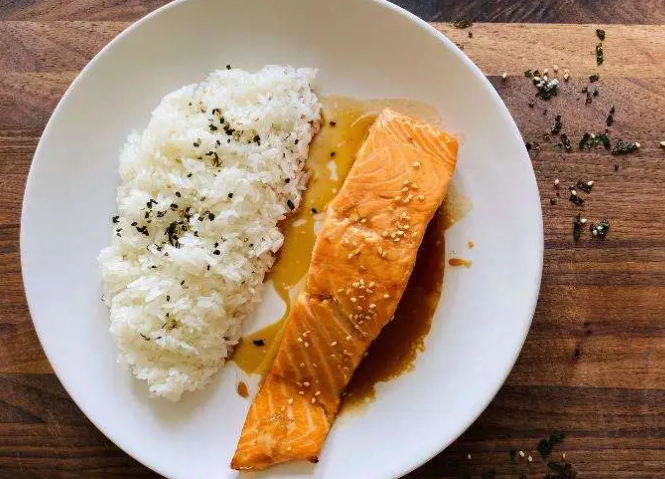
FAQ: Your Questions Answered
Remember, easy Japanese meals are about making your life simpler, not more stressful. Start with one recipe, tweak it to your taste, and build from there. Happy cooking!
Reader Comments