In This Guide
- Why Steamed Gyoza Deserve a Spot in Your Kitchen Repertoire
- Gathering Your Arsenal: The Non-Negotiable Ingredients
- The Art of the Fold: It's Easier Than It Looks
- The Main Event: How to Steam Gyoza Perfectly, Every Time
- The Supporting Cast: Dipping Sauces and Sides
- Troubleshooting Your Steamed Gyoza
- Answering Your Steamed Gyoza Questions
- Taking It Further: Advanced Tips & Variations
- The Final Verdict
Let's be honest. There's something almost magical about a perfectly steamed gyoza. That delicate, slightly chewy wrapper giving way to a juicy, savory explosion of pork, cabbage, and garlic. You know the one. The kind you get at a good izakaya where the chef has been folding them for thirty years. For the longest time, I thought that magic was locked away in restaurant kitchens. My own early attempts were, to put it kindly, a disaster. Soggy bottoms, torn skins, fillings that tasted bland. I almost gave up.
But then I got stubborn. I asked questions, I experimented, I made a lot of bad dumplings. And slowly, the secrets unraveled. The truth is, making authentic steamed gyoza isn't about fancy techniques or secret ingredients. It's about understanding a few core principles. This guide is everything I wish I'd known when I started. We're going to walk through it all, from choosing the right wrapper to mastering the steam. No prior experience needed.
Why Steamed Gyoza Deserve a Spot in Your Kitchen Repertoire
Before we dive into the how, let's talk about the why. Why go through the effort? For me, it started as a cost thing. Ordering a plate of six at a restaurant adds up fast. Making them at home is ridiculously cheap. But the benefits go way beyond your wallet.
First, control. You control the quality of every single ingredient. Prefer less salt? No problem. Want to pack in more veggies? Go for it. Trying to eat less pork? Ground chicken or turkey works beautifully. This level of customization is impossible when you're ordering out.
Then there's the health angle. Steaming is one of the gentlest cooking methods. It preserves nutrients that boiling can leach out and doesn't require the oil that frying does. A plate of steamed gyoza feels like a complete, balanced meal—protein, veggies, and carbs all in one neat package. It's a weeknight dinner hero that doesn't leave you feeling heavy.
But the real reason, the one that keeps me making them year after year, is the experience. There's a quiet, almost meditative joy in folding dumplings. It's a chance to slow down, to create something tangible with your hands. And the look on someone's face when they bite into a homemade steamed gyoza you made? Priceless.
Gathering Your Arsenal: The Non-Negotiable Ingredients
Great steamed gyoza start with great ingredients. You can't hide poor-quality stuff under a blanket of steam. Let's break down what you actually need.
The Wrapper: Store-Bought vs. Homemade
This is the biggest decision you'll make. For 95% of home cooks, including me on a busy Tuesday, high-quality store-bought gyoza wrappers are the way to go. Look for round, thin wrappers specifically labeled for gyoza or potstickers. The square wonton wrappers are thicker and won't give you the right texture. Brands like Twin Marquis or Wei-Chuan are widely available in the frozen section of Asian grocery stores.
Making wrappers from scratch is a fantastic project for a rainy Sunday. It's just flour and hot water. The result is a more robust, chewier skin that can handle heavier steaming. But it's time-consuming. My advice? Start with store-bought to master the filling and folding. Graduate to homemade wrappers when you're feeling ambitious.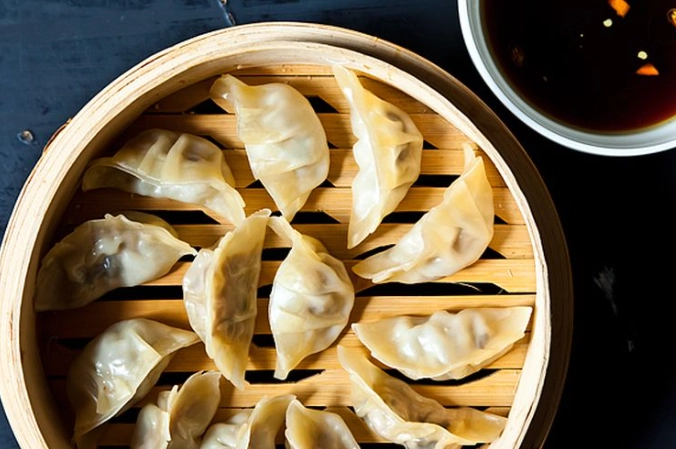
The Heart of the Matter: Crafting the Perfect Filling
The filling is where your personality shines. While pork and cabbage is the classic, think of it as a formula, not a prison.
Here’s the classic blueprint, scaled for about 40-50 dumplings (because let's face it, you'll want leftovers):
- Protein: 1 lb ground pork (with a bit of fat, like 80/20). The fat is crucial for juiciness after steaming.
- Vegetable Base: 4-5 large Napa cabbage leaves, finely chopped. Salt them, let them weep for 20 minutes, then squeeze out ALL the water. This is the single most important step to prevent soggy, watery steamed gyoza.
- Aromatics: 3-4 finely minced green onions, 2 cloves of grated garlic, 1 tsp of grated fresh ginger.
- Seasoning: 2 tbsp soy sauce (I use Japanese usukuchi for a lighter color), 1 tbsp sesame oil, 1 tbsp sake or mirin, 1 tsp sugar, a good pinch of white pepper.
Mix it all in a bowl. Not with a spoon. Use your hands. You want to work the meat just enough so it starts to bind and look a bit pasty. This helps the filling stick together inside the wrapper. Cover and let it rest in the fridge for at least 30 minutes. The flavors need to get to know each other.
Now, what if you don't eat pork? No problem. Ground chicken (thigh meat, not breast) works wonderfully. For a vegetarian steamed gyoza, try a mix of finely chopped shiitake mushrooms, firm tofu (pressed and crumbled), shredded carrots, and glass noodles. You'll need to up the seasoning a bit, as tofu is a flavor sponge.
The Art of the Fold: It's Easier Than It Looks
This is the part that intimidates people. All those pretty pleats. Listen, your first ones will be ugly. My first batch looked like they'd been folded by a toddler wearing mittens. It doesn't matter. An ugly steamed gyoza that's sealed properly tastes just as good as a beautiful one. We'll start simple.
The Basic Half-Moon Seal: Place a wrapper in your palm. Put about a teaspoon of filling in the center. Dip your finger in water and run it around half the wrapper's edge. Fold it over into a half-moon shape and press the edges firmly to seal. Boom. Done. That's a perfectly serviceable dumpling. Place it on a tray. The flat side should be down.
Adding Pleats (The Fun Part): Once you're comfortable sealing, try one pleat. After you fold the wrapper over, before you press it shut, pinch one small pleat into the top layer of wrapper, then press it to the bottom. Next time, try two pleats. There's no right number. Some styles have five delicate pleats, others have a bunch of rustic ones. The goal is to create a bit of a curved shape, like a little crescent moon, which gives the dumpling structure and makes it sit nicely for steaming.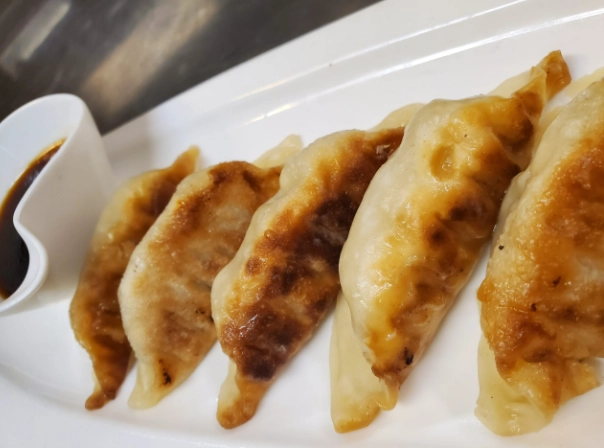
What do you do with the assembled dumplings? If you're cooking immediately, just keep them on a lightly floured tray. If you want to freeze them (and you should, it's a lifesaver), freeze them on the tray first until solid, then toss them into a freezer bag. They'll cook straight from frozen, just add a few extra minutes to the steam time.
The Main Event: How to Steam Gyoza Perfectly, Every Time
This is where the magic happens. The method is simple, but the details matter.
Equipment: You don't need a fancy bamboo steamer, though they are beautiful and work excellently. A metal steamer basket that fits in a pot works perfectly. Even a colander set over a pot of boiling water can work in a pinch. The key is to line whatever you're using with something to prevent sticking. Parchment paper with holes poked in it, cabbage leaves, or even lightly oiled lettuce leaves are all great options.
The Process:
- Bring your water to a vigorous boil in the pot below your steamer. The steam needs to be aggressive and constant.
- Arrange your gyoza in the steamer, leaving a little space between them. They expand slightly as they cook.
- Cover with a tight-fitting lid. If your lid is loose, wrap a kitchen towel around it to trap the steam. You want a sauna in there, not a light mist.
- Steam over high heat for 8-10 minutes. For frozen gyoza, make it 10-12 minutes. Don't peek too often! Every time you lift the lid, you lose precious heat and steam.
How do you know they're done? The wrapper will turn from opaque white to a slightly translucent, glossy white. They'll look plump and feel firm to the touch. If you're unsure, sacrifice one. Cut it open. The pork should be cooked through with no pink.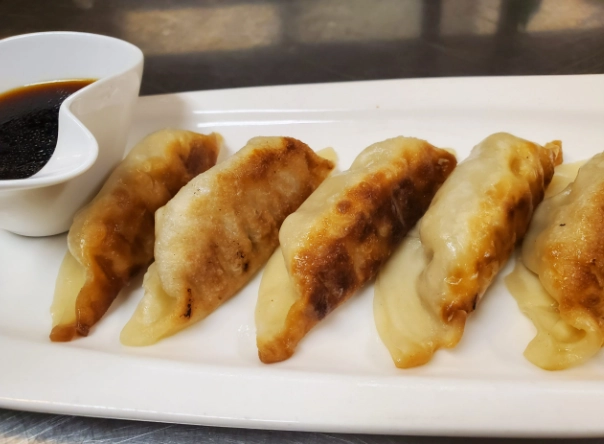
Here’s a quick reference table for steaming times based on your setup:
| Steamer Type | Heat Level | Fresh Gyoza Time | Frozen Gyoza Time | Key Tip |
|---|---|---|---|---|
| Bamboo Steamer | High | 8-9 minutes | 10-11 minutes | Soak the lid in water first to prevent burning. |
| Metal Steamer Basket | High | 9-10 minutes | 11-12 minutes | Ensure water isn't touching the bottom of the basket. |
| Improvised (Colander/Plate) | High | 10-12 minutes | 12-14 minutes | Wrap the lid tightly with a towel to seal gaps. |
The Supporting Cast: Dipping Sauces and Sides
A steamed gyoza is a blank canvas for sauce. The classic is simple: equal parts soy sauce and rice vinegar, with a few drops of chili oil or rayu (chili sesame oil). I like to add a tiny bit of grated ginger or a sprinkle of sesame seeds. Some people add a touch of sugar or a splash of ponzu. Mix it in a small bowl and taste as you go.
What to serve with them? A simple cucumber salad with a rice vinegar dressing cuts through the richness perfectly. A bowl of miso soup is the traditional companion. For a full meal, I often pair them with a big pile of simply seasoned rice and some quick-pickled vegetables.
Troubleshooting Your Steamed Gyoza
Things will go wrong. It's part of the process. Here are the common issues and how to fix them.
Problem: Soggy, Wet Wrappers.
Cause: Not enough heat/steam, or water dripping from the lid back onto them.
Fix: Crank the heat to ensure a rolling boil. Wrap your lid in a towel to absorb condensation. Make sure your filling is dry (you squeezed that cabbage, right?).
Problem: Wrappers Sticking to the Steamer.
Cause: Inadequate lining.
Fix: Use parchment paper with holes, cabbage leaves, or a very light brush of oil on the steamer surface. Don't use flour—it turns into glue.
Problem: Bland Filling.
Cause: Underseasoning or not letting it rest.
Fix: Be bold with the soy sauce, sesame oil, and aromatics. Always let the mixed filling rest in the fridge for at least 30 minutes. Steam a tiny tester patty in a spoon to check seasoning before you wrap a whole batch.
Problem: Dumplings Falling Apart During Cooking.
Cause: Poor seal or overfilling.
Fix: Use that water seal on the wrapper edge. Press firmly. And for the last time, use less filling!
Answering Your Steamed Gyoza Questions
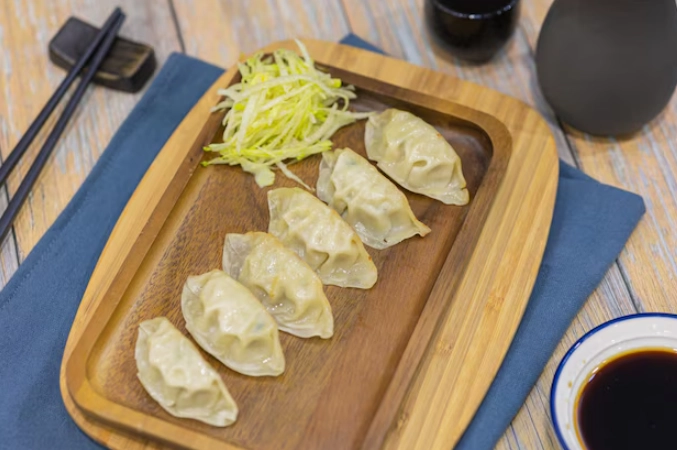
Taking It Further: Advanced Tips & Variations
Once you've mastered the basic steamed pork gyoza, the world is your oyster (or, perhaps, your dumpling).
Try a shrimp and chive filling for a lighter, sweeter flavor. Combine finely chopped raw shrimp with minced garlic chives, a bit of ground pork for fat, ginger, and white pepper.
For a soup-filled xiao long bao style gyoza, it's an advanced project. You make a savory gelatin (from chicken feet or pork skin) that you dice and mix into the filling. When steamed, the gelatin melts into a glorious soup broth inside the dumpling. It's tricky but incredibly rewarding.
Experiment with colored wrappers. Add a bit of spinach juice for green, beet juice for pink, or squid ink for black. It's a fantastic way to impress guests.
Remember, the history of dumplings like these is deep and fascinating, tracing trade routes across Asia. For a deep dive into the culinary history of dumplings in Japan, resources from the Japan National Tourism Organization often feature cultural insights into dishes like gyoza.
The Final Verdict
Making steamed gyoza at home is a project, but it's one of the most satisfying kitchen projects there is. It's tactile, creative, and the results are something you can literally hold in your hand and taste. It demystifies a restaurant favorite and turns it into a humble, achievable home-cooked meal.
Start simple. Buy the wrappers. Make the classic pork filling. Master the half-moon fold. Nail the steaming process. Don't get discouraged by the first batch. My "cabbage-filled rags" eventually turned into dumplings my friends now request by name.
The journey to perfect steamed gyoza is a delicious one. Each batch gets better. You'll develop your own little tweaks, your preferred pleat, your signature dipping sauce. And before you know it, you'll be the one explaining to a friend how to get that wrapper just right, passing on the simple magic of a perfectly steamed dumpling.
Now, go set some water to boil. It's time to start steaming.
Reader Comments