Your Curry Cooking Companion
- The Non-Negotiables: The Foundation of Every Pot
- The Heart of the Matter: Understanding Curry Roux
- The Flavor Amplifiers: Secret Japanese Curry Ingredients
- Navigating the Store-Bought Aisle: A Quick Guide to Brands
- Putting It All Together: A Simple Framework, Not a Rigid Recipe
- Answering Your Curry Questions (The FAQ You Actually Need)
Let's be honest. The first time you tasted Japanese curry, it probably didn't feel like you were eating "curry" in the global sense. It wasn't explosively spicy like a Thai green curry, or fiercely complex like an Indian Madras. It was something else entirely—a deep, savory, slightly sweet, and profoundly comforting stew that hugged you from the inside. That unique character, that umami-rich warmth, doesn't happen by accident. It's a direct result of a very specific set of Japanese style curry ingredients and how they're treated. I remember my first attempt at making it from scratch, years ago, throwing in what I thought were "curry" spices. The result was... confusing. It tasted like a soup that wanted to be a curry but got lost. That failure sent me down a rabbit hole, and what I learned completely changed how I see this dish.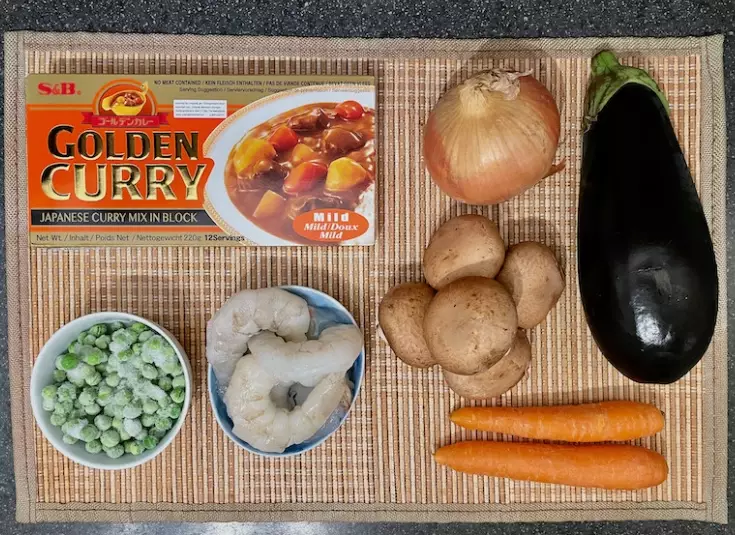
So, what exactly goes into a proper pot of Japanese curry (or kare raisu)? It's more than just opening a box of store-bought roux, though that's a fantastic shortcut. To truly own the recipe, to tweak it to your heart's content, you need to understand its building blocks. We're talking about the holy trinity of vegetables, the protein choices that matter, the foundation of the broth, and of course, the soul of the dish: the curry roux itself, whether you buy it or dare to make it. This guide is for anyone who's looked at a bubbling pot of Japanese curry and wondered, "How do I make this magic happen?" We'll strip it down to its essentials and build it back up.
The Non-Negotiables: The Foundation of Every Pot
These are the Japanese curry ingredients you simply cannot skip. They form the base flavor and texture that defines the dish. Omitting one is like building a house without a foundation wall—it might stand, but it won't be right.
The Vegetable Holy Trinity: Onions, Carrots, Potatoes
This trio is so fundamental it's almost cliché, but there's a reason it's in every single recipe. Each vegetable plays a distinct chemical and textural role.
- Onions (Lots of them): This is the number one flavor builder. You don't just chop an onion; you slowly caramelize a mountain of them. I'm talking two or three large onions, sliced thin and cooked over medium-low heat for a good 20-30 minutes until they melt into a soft, golden, jammy mess. This process isn't just about sweetness; it develops deep umami and forms the flavor backbone of your entire curry. Skimp here, and your curry will taste flat. The Japan Ministry of Agriculture, Forestry and Fisheries even highlights the importance of staple vegetables like onions in forming the base of many traditional washoku dishes, a principle curry adapts beautifully.
- Carrots: They add a touch of natural sweetness and a vibrant color. More importantly, they provide a firm bite that contrasts with the soft potato. Cut them into irregular, rolling wedges (rangiri cut) if you want to be traditional—it increases surface area for flavor absorption and makes them less likely to turn to mush.
- Potatoes: Typically waxy potatoes like Yukon Gold are preferred. They hold their shape after long simmering and thicken the sauce slightly as they break down at the edges. The soft, starchy bite of a potato chunk soaked in curry sauce is a quintessential part of the experience.
The Protein: More Than Just an Afterthought
While you can make a great vegetarian curry, the classic versions feature meat, which adds another layer of savoriness to the broth.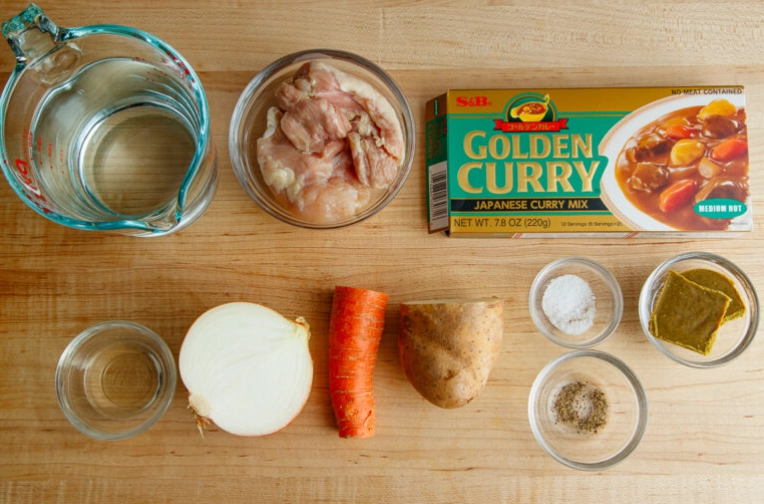
- Chicken Thighs: The undisputed champion for a reason. Thighs stay juicy and tender through the long simmer, and their higher fat content enriches the sauce. Cut into bite-sized chunks, bone-in or boneless.
- Pork Loin or Shoulder (Buta): Very common in Japan. Shoulder (buta bara) is fattier and more flavorful, while loin is leaner. Pork pairs wonderfully with the sweetness of the curry.
- Beef Chuck or Stewing Beef: For a richer, deeper flavor. Requires a longer, slower cook to become tender, so it's perfect for making curry in a slow cooker or pressure cooker.
- Seafood & Vegetarian: Prawns added at the very end, or firm tofu that's been pan-fried first. These are less common but delicious variations.
The key with meat is to brown it well in the pot before setting it aside. Those browned bits (fond) left in the pot are pure flavor gold. Deglaze with a bit of your cooking liquid later to get every last bit of that taste into your sauce.
The Liquid Foundation: Broth Matters
Water is acceptable, but broth is transformative. Using a good dashi (Japanese soup stock) is the secret many home cooks swear by. Dashi, made from kelp (kombu) and bonito flakes, injects a subtle, oceanic umami that elevates the curry without making it taste fishy. You can use instant dashi granules (like hondashi), which are perfectly fine. A good chicken or vegetable broth works great too. The point is to start with a flavorful liquid, because everything you add later will be infused into it.
The Heart of the Matter: Understanding Curry Roux
This is what most people think of when they think of Japanese curry ingredients. The block of ready-made curry roux is a modern miracle, invented by companies like S&B and House Foods in the post-war era to make curry accessible at home. But what's actually in it?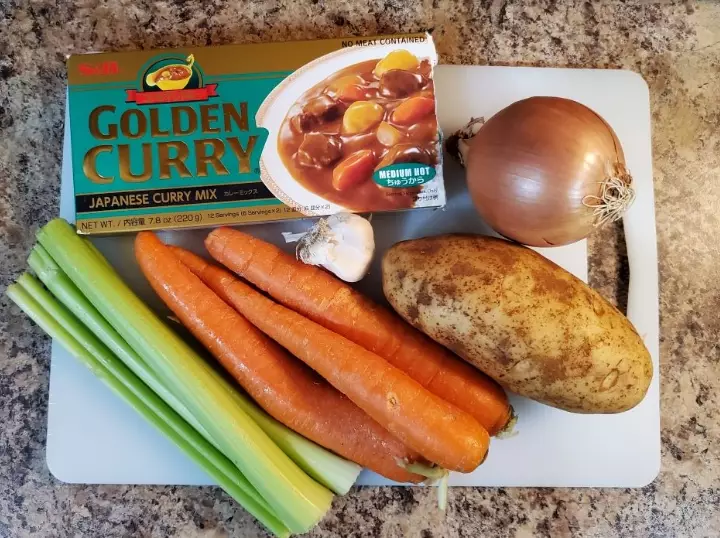
At its core, a curry roux is a mixture of fat (usually oil or butter), flour, and a complex blend of spices that have been cooked together into a paste and solidified. When you whisk it into your simmering stew, it thickens the liquid into that iconic, velvety gravy and delivers the signature spice profile.
Deconstructing the Spice Blend
The spice mix in Japanese curry is distinct. It's based on curry powder (which itself is a British interpretation of Indian spices), but with a Japanese twist. The dominant notes are often:
- Turmeric & Coriander: For earthiness and base flavor.
- Cumin: Warmth and depth.
- Fenugreek: That subtle, maple-like, slightly bitter note that is oddly essential.
- Cardamom, Cinnamon, Clove, Nutmeg: The "sweet" spices that give Japanese curry its warmth and complexity, differentiating it from other curries.
- Black & White Pepper: For a gentle heat.
But here's the thing about store-bought roux: it also contains a lot of other stuff—salt, sugar (or apple pulp, honey), hydrolyzed vegetable protein, yeast extract, and various oils and emulsifiers. This is what creates the consistent, addictive flavor, but it's also why some find it too salty or processed-tasting.
Homemade Roux: Is It Worth the Effort?
Absolutely, if you want complete control and a less processed taste. Making your own roux is surprisingly simple. You melt butter (or use oil), stir in an equal amount of flour, and cook it gently until it's a light brown color (this is a blond roux). Then, you stir in your own custom blend of curry spices and let it cook for another minute to wake them up. The beauty? You control the salt, the sweetness (add a grated apple or a spoon of honey directly), and the spice heat level. It feels more "cooked" than "assembled."
I won't lie, my first homemade roux was a bit gritty because I didn't cook the flour long enough. Practice makes perfect. Now, I prefer it for special occasions, but I still keep a box of the store stuff for weeknight emergencies. No shame in that game.
The Flavor Amplifiers: Secret Japanese Curry Ingredients
This is where home cooks get creative and where you can really make the dish your own. These add-ins are common in Japanese households and address specific flavor goals.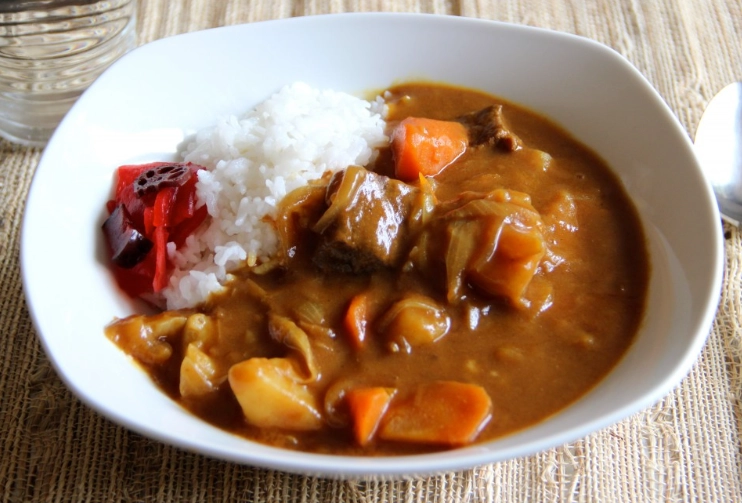
| Ingredient | What It Does | When & How to Add It |
|---|---|---|
| Grated Apple or Applesauce | Adds a natural, fruity sweetness and helps tenderize meat. A classic "secret" ingredient. | Add with the broth at the beginning of simmering. Half a grated apple or 1-2 tbsp of unsweetened applesauce. |
| Tomato Paste or Ketchup | Adds a touch of acidity and umami depth, rounding out the flavor. | Tomato paste can be cooked with the onions for a minute. Ketchup can be stirred in with the broth. Start with 1 tbsp. |
| Soy Sauce or Worcestershire Sauce | Boosts savory, salty umami. Worcestershire adds a more complex, spiced tang. | Add at the very end, after the roux is dissolved and you've tasted. A teaspoon or two can make a huge difference. |
| Milk, Yogurt, or Cream | Creates a milder, creamier, more "European-style" curry. Cuts the spice and adds richness. | Stir in a few tablespoons after adding the roux, off the heat, to prevent curdling. |
| Coffee or Chocolate | Sounds weird, works wonders. Adds a deep, bitter complexity that balances sweetness. | A teaspoon of instant coffee or a small square of dark chocolate (70%+) stirred in with the roux. |
| Honey or Maple Syrup | For direct sweetness adjustment if your curry tastes too sharp or bitter. | A drizzle at the end, to taste. |
Navigating the Store-Bought Aisle: A Quick Guide to Brands
If you're using a boxed roux, your choice matters. Different brands and lines cater to different tastes. Here's a brutally honest breakdown from my own tastings.
- S&B Golden Curry: The classic. Well-balanced, medium spice (even the "hot" is mild by global standards), reliable. It's the benchmark. A bit salty for my taste now, but it's what most people expect.
- House Vermont Curry: Known for incorporating apple and honey. Sweeter, milder, and creamier. Great for kids or those who prefer no heat. Sometimes I find it a bit one-note sweet.
- House Java Curry: My personal favorite for store-bought. It uses Indonesian spices, is less sweet, and has a more aromatic, complex flavor with a subtle kick. It feels more "grown-up."
- Zeppin & Kokumaru (Premium Lines): These are the more expensive, often paste-based (not solid blocks) curries. They have more nuanced spice blends, less filler, and a more restaurant-quality taste. Worth trying if you're a curry enthusiast.
The key is to experiment. Buy a few small boxes and see which flavor profile you and your family like best. You can even mix two different brands together to create your own blend.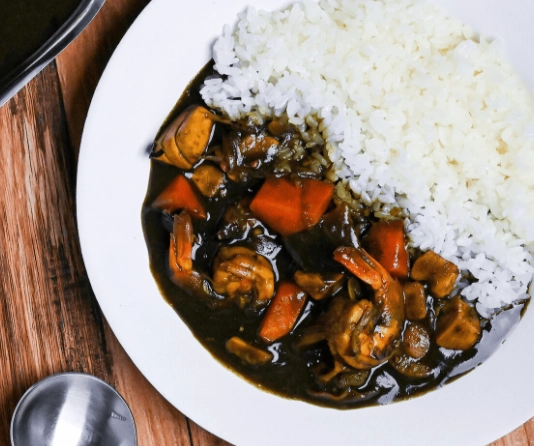
Putting It All Together: A Simple Framework, Not a Rigid Recipe
Armed with knowledge of all these Japanese style curry ingredients, you don't need to follow a recipe slavishly. You need a framework.
- Brown your protein in a large pot. Remove.
- Caramelize a huge pile of sliced onions in the same pot (add a little more oil if needed). Low and slow is the mantra.
- Add your carrots and potatoes, stir for a minute.
- Return the meat to the pot. Add broth (and any secret ingredients like grated apple) to just cover everything. Bring to a boil, then simmer, covered, for 20-40 minutes until vegetables and meat are tender.
- Turn off the heat. Break your curry roux blocks into the pot and stir until completely melted and dissolved. If making homemade roux, you would melt your prepared spice paste into the stew here.
- Simmer gently for another 5-10 minutes until the sauce thickens to a creamy, gravy consistency. Stir occasionally to prevent sticking.
- Taste and adjust. Need more savory? A dash of soy sauce. Too sharp? A hint of honey. Too thick? A splash of hot water or broth.
- REST. Seriously, let it sit for as long as you can bear it.
- Serve over a mound of steaming white rice, with a side of fukujinzuke (pickled vegetables) if you have it.
Answering Your Curry Questions (The FAQ You Actually Need)
Over the years, I've gotten the same questions from friends trying to make this at home. Here are the real answers.
Can I use different vegetables?
Of course! The trinity is traditional, not law. Sweet potatoes instead of regular potatoes are amazing. Mushrooms (shiitake, king oyster) add fantastic umami. Eggplant, green beans, bell peppers—all work. Just adjust cooking times. Add delicate veggies like peas or spinach at the very end.
My curry is too thin / too thick. Help!
Too thin: Simmer it uncovered to reduce and concentrate. You can also make a small slurry of 1 tbsp cornstarch mixed with 2 tbsp cold water and stir it in, then simmer for a minute. Too thick: Simply add hot water or broth, a little at a time, until it's your desired consistency. It happens to everyone.
Can I make it gluten-free or vegan?
Gluten-free: The roux is the problem, as it's made with wheat flour. Use a GF all-purpose flour to make your own roux, or seek out certified gluten-free curry roux blocks (some brands like S&B offer them). Vegan: Use vegetable oil instead of butter for the roux, vegetable broth, and load up on veggies, tofu, or chickpeas for protein. Check roux labels for dairy or animal products (some contain animal fat or lactose).
Why does my curry taste bland?
Three likely culprits: 1) You didn't caramelize the onions enough. 2) You didn't brown the meat properly. 3) You used water instead of broth. Go back and master those foundational steps—they build 80% of the flavor.
How do I store and reheat leftovers?
Japanese curry keeps beautifully. Cool it completely and store in an airtight container in the fridge for up to 5 days. The flavor gets better. It also freezes perfectly for up to 3 months. Thaw in the fridge overnight and reheat gently on the stovetop, adding a splash of water if needed to loosen the sauce.
Look, at the end of the day, Japanese curry is forgiving. It's home cooking. It's meant to be adapted. Start with the classic formula—the holy trinity, some chicken thighs, a box of Golden Curry—and you'll get a fantastic meal. But once you understand the role each component plays, you can start tinkering. You can make it your own. You can adjust the sweetness, boost the umami, play with the spices. You're no longer just following instructions; you're composing a flavor. And that's when cooking becomes truly satisfying. So grab a pot, chop those onions, and get started. Your perfect bowl of kare raisu is waiting.
Reader Comments