Salmon is everywhere in Japan. It's in your morning donburi, your convenience store onigiri, and your fancy multi-course kaiseki meal. But when most people search for a "Japanese salmon recipe," they're usually thinking of two iconic dishes: teriyaki and miso. I get it. Those glazes are magical. But there's a world of nuance between a sticky-sweet slab of fish and something that truly tastes like it came from a Japanese kitchen. I've spent years cooking in and out of Japan, and I've made every mistake so you don't have to. This guide isn't just a list of recipes. It's about understanding the why behind the techniques, so you can cook Japanese salmon with confidence, any night of the week.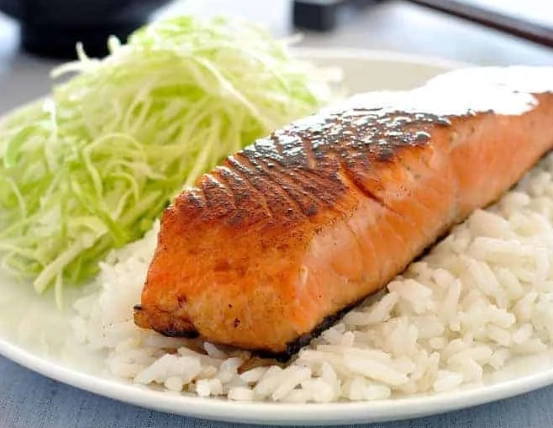
What's Inside This Guide?
Why Salmon is a Star in Japanese Cuisine
It wasn't always this way. For a long time, salmon in Japan was primarily eaten salted and cooked well-done due to parasite concerns. The game-changer? The rise of modern aquaculture in places like Norway and Chile, combined with advanced freezing techniques that made raw salmon safe to eat. Now, salmon (sake or shake) is a beloved import, prized for its rich, fatty flesh that stands up to bold flavors like soy and miso.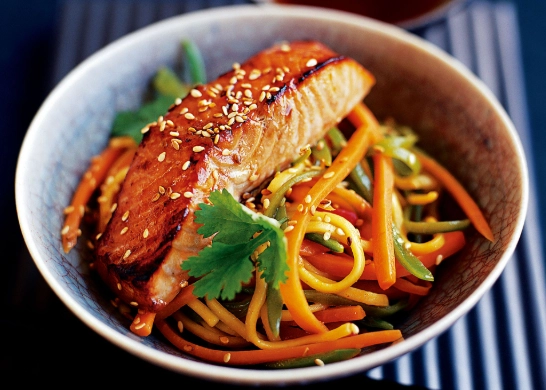
Nutritionally, it's a powerhouse—loaded with omega-3s and protein. Culturally, it's versatile. You'll find it grilled (yaki), simmered (nimono), in soups (shirumono), and of course, raw as sashimi or in sushi. For the home cook, its forgiving nature and quick cooking time make it a perfect weeknight protein that feels special.
Essential Ingredients and Tools
Before you start cooking, let's talk gear and groceries. You don't need a fancy kitchen, but a few key items make a huge difference.
The Flavor Foundation
- Soy Sauce (Shoyu): Use a Japanese brand like Kikkoman or Yamasa. The all-purpose koikuchi shoyu is what you want for these recipes. Don't use dark soy sauce or tamari unless specified—it's thicker and saltier.
- Mirin: This sweet rice wine is non-negotiable for teriyaki. It adds a glossy sheen and complex sweetness. Hon-mirin (real mirin) is best, but aji-mirin (seasoned mirin) is widely available and works fine. A common rookie mistake is skipping it or substituting just sugar. The flavor is flat without it.
- Sake: Cooking sake (ryorishu) is fine. It tenderizes the fish and adds depth. If you only have drinking sake, that's even better.
- Miso Paste: For salmon, go with a red miso (aka miso) or a yellow miso (shinshu miso). Red miso is saltier and more intense, yellow is mellower. White miso (shiro miso) is very sweet and mild—it's not my first choice here, as it can make the glaze too sweet.
- The Salmon Itself: This is where I see the biggest quality gap. Look for fillets with firm, bright flesh and a pleasant sea smell. Avoid fillets that look dried out or have a grayish tinge. Skin-on is preferable for most grilled recipes—it protects the flesh and gets deliciously crispy.
| Salmon Cut | Best For | Notes |
|---|---|---|
| Center-Cut Fillet (skin-on) | Teriyaki, Shioyaki, Pan-frying | Even thickness, cooks uniformly, perfect for beginners. |
| Tail-End Fillet | Miso Marinade, Simmered Dishes | Thinner, cooks faster, can be less expensive. Watch for overcooking. |
| Steak (with bone) | Grilling (BBQ), Broiling | The bone adds flavor and helps retain moisture. Impressive presentation. |
Helpful Tools
A good non-stick or well-seasoned cast iron skillet is your best friend for pan-frying. For broiling, a wire rack set over a baking sheet allows heat to circulate for even cooking. Have tongs and a fish spatula handy. And keep a stack of paper towels ready—drying the salmon thoroughly before cooking is the secret to getting that beautiful sear instead of a steam.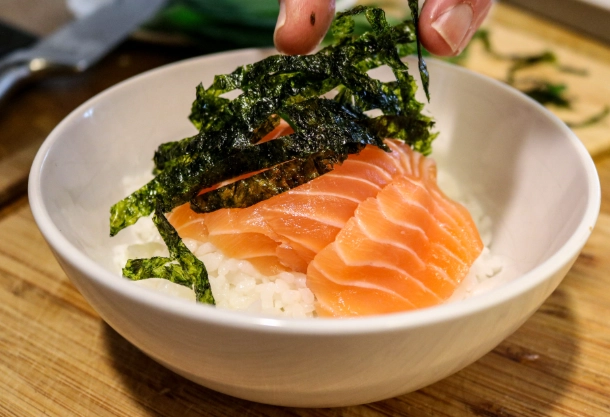
Classic Japanese Salmon Recipes: A Step-by-Step Guide
Let's get cooking. Here are three foundational recipes, each showcasing a different Japanese flavor profile.
Teriyaki Salmon (照り焼き鮭)
The iconic sweet-and-savory glaze. The goal is a glossy, caramelized coating that doesn't burn.
My Pro Tip: Cook the sauce separately. Most recipes tell you to simmer the sauce around the fish in the pan. This almost always leads to a broken, greasy glaze because the fish releases liquid and fat. Cook your salmon cleanly, set it aside, then make the glaze in the empty pan. You get perfect control.
Ingredients (for 2): 2 salmon fillets (skin-on), salt, 2 tbsp soy sauce, 2 tbsp mirin, 1 tbsp sake, 1 tbsp sugar, 1 tsp grated fresh ginger, 1 tsp neutral oil.
Steps:
- Pat the salmon extremely dry. Season the flesh side lightly with salt.
- Heat oil in your skillet over medium-high. Place salmon skin-side down. Press gently for 10 seconds to prevent curling. Cook for 4-5 minutes until skin is super crispy. Flip and cook flesh-side for 1-2 minutes until just cooked through. Remove to a plate.
- Reduce heat to medium. In the same pan, add soy sauce, mirin, sake, sugar, and ginger. Stir and simmer for 2-3 minutes until it thickens slightly and becomes syrupy.
- Return salmon to pan, flesh-side down, and spoon the glaze over it for just 20-30 seconds to coat. Don't leave it in the bubbling sauce—it'll overcook.
- Serve immediately with the extra glaze drizzled on top.
Miso Salmon (味噌鮭)
This is a marinated dish, not a quick glaze. The miso paste tenderizes and infuses the fish with an incredible umami depth. The first time I made this, I marinated it for two days thinking "more is better." The result was a salty, mushy disaster. Learn from me.
Ingredients (for 2): 2 salmon fillets, 3 tbsp red or yellow miso paste, 1 tbsp mirin, 1 tbsp sake, 1/2 tbsp sugar.
Steps:
- Mix the miso, mirin, sake, and sugar into a smooth paste.
- Coat the salmon fillets thoroughly in the paste. Place in a sealed container or zip-top bag.
- Marinate in the refrigerator for 12 to 24 hours. Overnight is perfect. Do not exceed 48 hours.
- Before cooking, scrape off the excess marinade with a spoon or your fingers. You want a thin, even layer left on the fish.
- Broil on a wire rack set 6 inches from the heat for 6-8 minutes, or pan-fry skin-side down until caramelized and cooked through. The sugar in the marinade will burn easily, so keep an eye on it.
Shioyaki Salmon (塩焼き鮭)
The simplest, purest form. It's just salmon and salt. This recipe tests the quality of your fish and your technique. If your salmon is bland or watery, it will be obvious. I prefer wild sockeye or coho for this.
Ingredients: Salmon fillets, coarse sea salt.
Steps:
- An hour before cooking, generously salt both sides of the salmon. Place on a wire rack set over a plate. This "dry-brine" draws out moisture, firms up the flesh, and seasons it throughout.
- After an hour, you'll see beads of moisture on the surface. Pat the salmon completely dry with paper towels.
- Cook skin-side down in a lightly oiled pan over medium heat until the skin is crackling crisp and the flesh is opaque about two-thirds of the way up. Flip and finish for a final minute.
- Serve with a wedge of lemon and maybe a dab of grated daikon. The flavor of the salmon itself is the star.
Common Mistakes and How to Avoid Them
Let's troubleshoot. After teaching dozens of friends, these are the hiccups I see most often.
- Mistake 1: Not Drying the Salmon. Wet fish steams instead of sears. You lose that beautiful browning. Paper towels are your most important tool.
- Mistake 2: Moving the Fish Too Soon. When you place salmon skin-side down in the pan, it will stick at first. Leave it alone! After a minute, it will release naturally. If you try to force it early, you'll tear the skin.
- Mistake 3: Overcooking. Salmon continues to cook after you take it off the heat. Aim for it to be just opaque in the thickest part when you remove it from the pan. It will be perfect by the time it hits the plate. Overcooked salmon is dry and chalky.
- Mistake 4: Using the Wrong Pan Heat. Too high, and the outside burns before the inside cooks. Too low, and you won't get a sear. Medium-high to start, then adjust.
Beyond the Basics: Creative Twists
Once you've mastered the classics, play around.
Got leftover teriyaki salmon? Flake it and mix it with a little mayonnaise and green onions for an incredible salmon onigiri filling. Crumble miso salmon over a bowl of hot rice, pour over some green tea or dashi, and you have instant Sake Chazuke. You can also flake cooked salmon into tamagoyaki (Japanese rolled omelette) or add it to a spinach and mushroom salad with a sesame-soy dressing.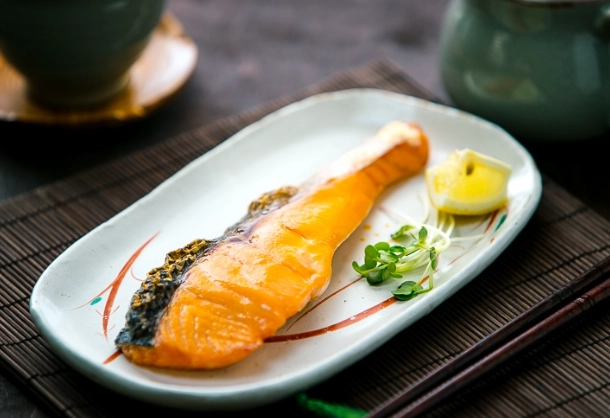
The principles are the same: quality fish, controlled heat, and balanced flavors.
Your Japanese Salmon Questions, Answered
Can I use frozen salmon for Japanese recipes?
You can, but it requires careful handling. Thaw it slowly in the refrigerator overnight. Pat it completely dry with paper towels before cooking. Frozen salmon often releases more water, which can prevent proper browning and dilute your glaze or marinade. For best results, especially with delicate dishes like shioyaki, fresh, high-quality salmon is worth the investment.
What can I use if I don't have mirin for teriyaki sauce?
A common hack is to mix 1 tablespoon of sake or dry white wine with 1/2 teaspoon of sugar for every tablespoon of mirin the recipe calls for. It mimics mirin's sweetness and alcohol content. Avoid using only sugar or honey alone, as you'll miss the complex, rounded flavor and the alcohol's role in tenderizing the fish.
How long can I marinate salmon in miso paste?
This is a critical point many get wrong. For miso-marinated salmon, 12 to 24 hours is the sweet spot. Overnight is perfect. Marinating longer than 48 hours will make the fish texture mushy and far too salty, as the miso's enzymes and salt aggressively break down the proteins. Set a reminder on your phone.
What are other popular Japanese salmon dishes besides teriyaki and miso?
Look for "Sake no Sashimi" (salmon sashimi), "Sake Chazuke" (salmon and rice in green tea broth), and "Sake Oyako Don" (a rice bowl with salmon and salmon roe). Salmon is also a staple in "bento" lunch boxes, often simply grilled with salt (shioyaki) or in a sweet soy glaze. Regional specialties like Hokkaido's "Ishikari Nabe" (salmon miso hot pot) are also fantastic.
Mastering these Japanese salmon recipes is more than following steps. It's about paying attention to the details—the dryness of the fish, the heat of the pan, the balance of the sauce. Start with the teriyaki. Get comfortable with it. Then try the miso marinade and experience how it transforms the texture. Finally, test your ingredients with the simple shioyaki. You'll not only have three incredible dishes in your repertoire, but you'll also understand the heart of Japanese home cooking: highlighting quality ingredients with precise, thoughtful technique.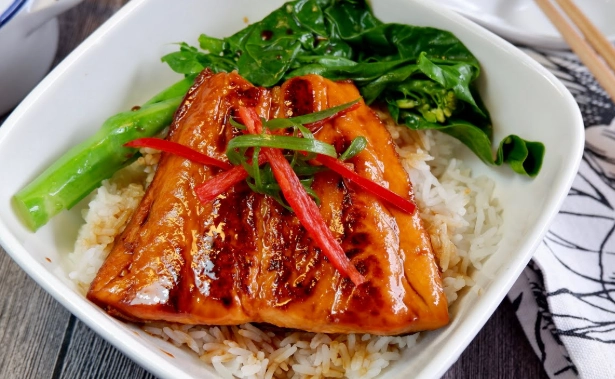
Reader Comments