Let's be honest, the first time you saw "Tekkadon" on a menu, you probably did a double-take. Tekka...what? Is it a typo? Some new tech gadget? Nope. It's one of the most satisfying, simple, and downright delicious things to come out of the Japanese kitchen, and it's been hiding in plain sight for a while. I stumbled upon it in a tiny Osaka eatery years ago, expecting chirashi, and got something that felt both familiar and completely new. That's the magic of tekkadon.
In This Tekkadon Guide
This isn't just another sushi bowl. Calling it that would be a massive disservice. It's a focused, minimalist masterpiece where tuna isn't just an ingredient; it's the entire point. The name itself gives it away: "Tekka" (鉄火) refers to the red-hot color of iron, painting a vivid picture of the deep red tuna, and "don" (丼) is the bowl it all comes in. Simple, right? But the devil, and the delight, is in the details.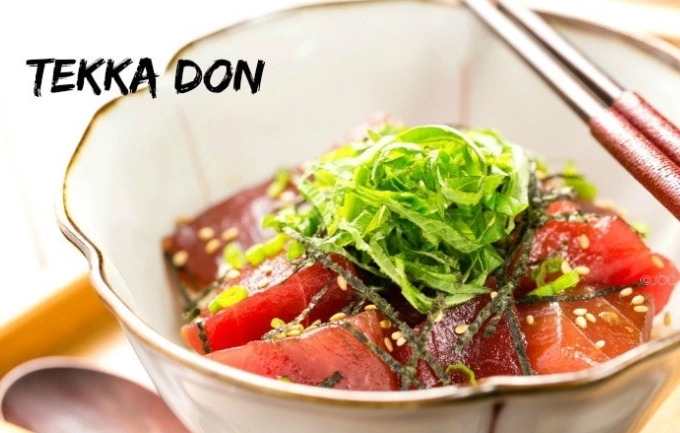
So, What Exactly Is Tekkadon? Let's Clear the Confusion
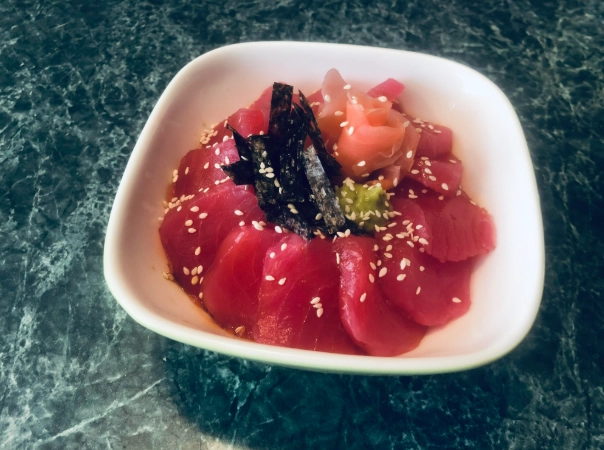
At its absolute core, tekkadon is a Japanese rice bowl dish featuring sashimi-grade raw tuna as the sole or primary topping. The tuna is typically sliced into small cubes or strips (not thin slices like you'd see on nigiri) and marinated briefly in a savory-sweet sauce, usually based on soy sauce and mirin. This marinated tuna is then artfully piled over a bowl of warm, perfectly seasoned sushi rice.
That's the classic version. But here's where things get interesting, and where a lot of confusion seeps in. Walk into ten different Japanese restaurants, and you might see ten slightly different interpretations. Some chefs add a whisper of grated ginger or a sprinkle of chopped scallions. Others might include a dab of wasabi on the side or a sheet of crispy nori. The foundation, however, remains untouched: premium tuna + seasoned rice.
I think the biggest point of confusion is its relationship to chirashi-zushi. People use the terms interchangeably, and while they're cousins, they're not twins.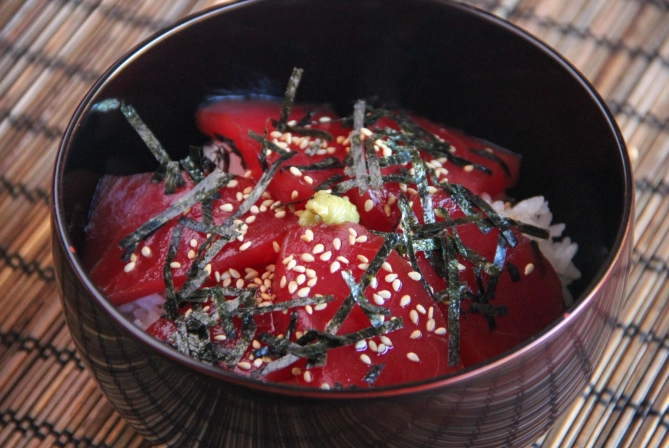
Tekkadon vs. Chirashi: The Showdown
This is probably the most common question I get. "Aren't they the same thing?" Not quite. Imagine chirashi as a vibrant, colorful garden—a little bit of everything. Tekkadon is a focused, powerful spotlight on one superstar. Let's break it down because it matters when you're ordering or trying to make it.
| Aspect | Tekkadon | Chirashi-zushi (Scattered Sushi) |
|---|---|---|
| Primary Focus | Solely on tuna (maguro). The star is undeniable and undiluted. | A variety of sashimi (tuna, salmon, shrimp, egg, etc.). It's an ensemble cast. |
| Preparation of Fish | Tuna is almost always marinated or seasoned (soy-based tare). It's pre-flavored. | Fish is usually left plain, fresh sashimi. You season it yourself with soy and wasabi. |
| Philosophy | Minimalist, deep dive into one flavor and texture. It's about purity and intensity. | Celebratory, abundant, and varied. It's about enjoying multiple flavors in one bowl. |
| Common Garnishes | Minimal. Maybe shredded nori, scallions, or a quail egg. The tuna is the decoration. | Often includes colorful garnishes like shredded omelette, snow peas, lotus root, etc. |
| When to Crave It | When you have a specific, powerful craving for tuna. It's a comfort food. | When you want a bit of everything, a "sushi sampler" in bowl form. |
See the difference? I love a good chirashi for its festive feel, but when I know exactly what I want—that rich, meaty, umami-packed taste of tuna—nothing else hits the spot like a proper tekkadon. The marination is key; it slightly "cooks" the surface of the tuna in the soy sauce, enhancing its flavor and giving it a firmer, more satisfying texture against the rice.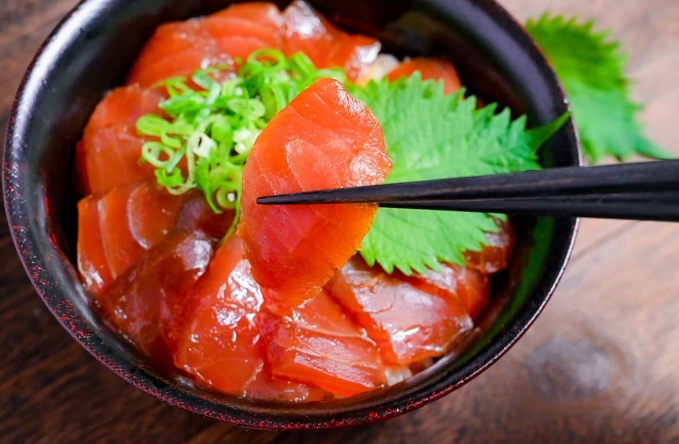
How to Make Authentic Tekkadon at Home (It's Easier Than You Think)
The best part about tekkadon? Its simplicity translates beautifully to the home kitchen. You don't need years of sushi training. You need good ingredients and about 30 minutes. I've messed this up before—using the wrong rice or over-marinating the tuna until it became chewy—so learn from my mistakes.
The Non-Negotiable Ingredients
This dish fails or succeeds based on two things: the rice and the tuna. Skimp here, and you'll just have a sad fish bowl.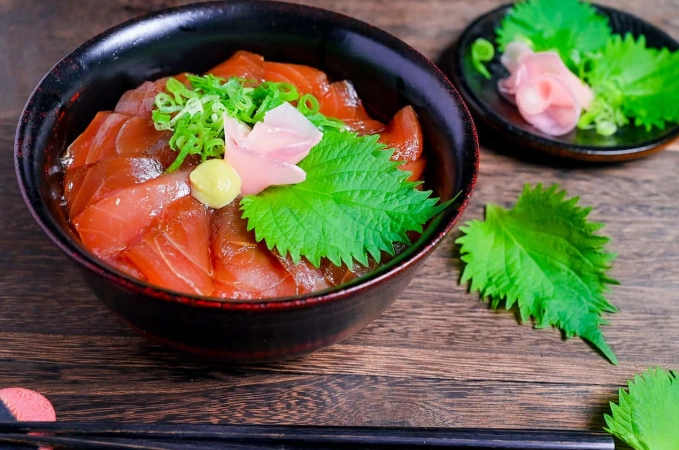
Step-by-Step: Building Your Bowl
- Prep the Rice: Cook your rice. While it's hot, season it with the vinegar mixture. Fan it gently to cool it to room temperature and give it a beautiful gloss. It should be slightly warm or room temp, not cold.
- Cut the Tuna: Pat your beautiful tuna block completely dry. Slice it against the grain into strips, then cube it into bite-sized pieces. Not too small—you want to taste it.
- The Quick Marinade: Mix your soy sauce and mirin (and ginger if using) in a bowl. Add the tuna cubes and gently toss to coat. Let it sit for 5-10 minutes only. This is crucial. Any longer and the acid in the soy will start to chemically "cook" the tuna too much, turning it grey and giving it a chalky texture. You're looking for flavor infusion, not a cure.
- Assemble: Pack your seasoned rice into a nice deep bowl. Using a slotted spoon or your hands, lift the tuna out of the marinade (let excess drip off) and mound it generously on top of the rice. You can drizzle a tiny bit of the remaining marinade over the top if you like, but be careful—it's salty.
- The Finishing Touches: This is where you personalize. A sprinkle of thinly sliced scallions (negi). A small pile of shredded nori seaweed (kizami nori). Maybe a sprinkle of toasted white sesame seeds. A single, perfect raw quail egg yolk in the center is a classic, rich addition that mixes into the rice and tuna beautifully.
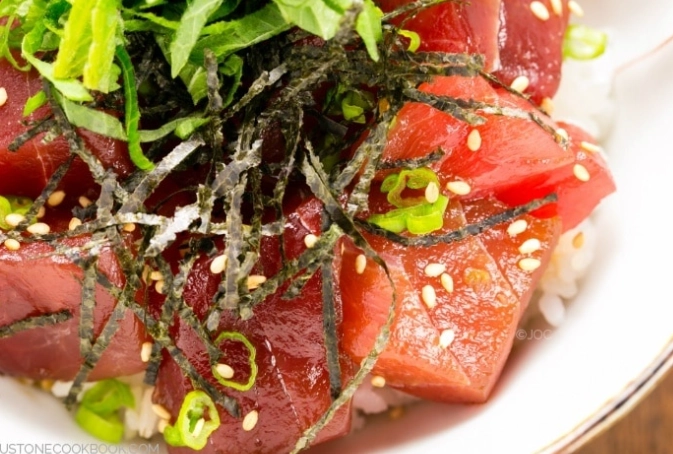
And that's it. You've made tekkadon. The first time I got it right, I was shocked at how restaurant-quality it felt. The warm rice slightly warmed the edges of the marinated tuna, the flavors melded, and each bite was pure harmony.
Beyond the Classic: Tekkadon Twists and Variations
While the classic is king, the concept of tekkadon is a playground for creativity. Once you have the rice + marinated protein formula down, you can run with it. Here are some popular spins you might encounter, ranked by how much I personally enjoy them.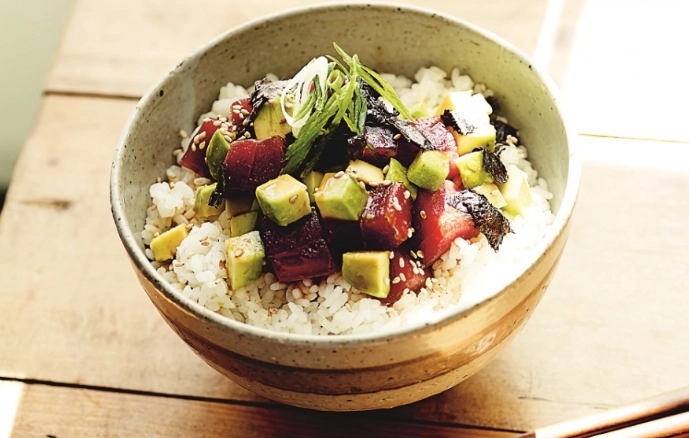
Top 3 Modern Tekkadon Twists
1. Spicy Tekkadon (Karami Tekkadon): This is arguably the most popular variation now. The tuna is mixed with a spicy mayo sauce (often a blend of Japanese mayo, sriracha or chili oil, and a bit of soy). It's creamy, spicy, and incredibly addictive. It loses a bit of the purity of the original but makes up for it in bold flavor. Perfect for those who find straight sashimi a bit too plain.
2. Yukhoe-Style Tekkadon: A Korean-Japanese fusion that's mind-blowing. Here, the tuna is seasoned like Korean yukhoe (beef tartare) with soy, sesame oil, sugar, garlic, and pear. It's topped with a raw egg yolk and pine nuts. The flavors are complex, sweet, savory, and nutty. A fantastic bridge between two culinary traditions.
3. Aburi Tekkadon (Seared/Searched): For those hesitant about fully raw fish. The tuna is quickly seared with a blowtorch or very hot pan just on the surface, leaving the inside rare. It's then sliced and marinated as usual. The smoky, charred notes add a whole new dimension. I find this method really enhances the flavor of leaner cuts of tuna.
You also see salmon versions (sake-don), but purists might argue that's a different dish altogether. The beauty is, once you understand the core principle, you can create your own signature tekkadon at home.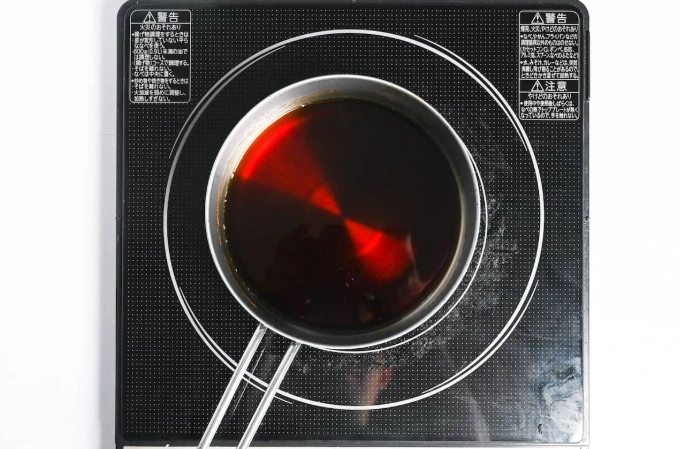
Your Tekkadon Questions, Answered (FAQ)
Is Tekkadon Healthy?
Generally, yes, it can be a very healthy meal. You're looking at lean protein (tuna), complex carbs (rice), and minimal added fats. Tuna is rich in omega-3 fatty acids, high-quality protein, and vitamins like B12 and D. However, watch the sodium in the soy-based marinade. You can use a low-sodium soy sauce or simply use less. Also, be mindful of mercury content in large, predatory fish like tuna. The FDA recommends 2-3 servings of lower-mercury fish per week. For regular consumption, alternating your tekkadon with bowls featuring salmon or other seafood is a smart move.
Can I Use Frozen Tuna for Tekkadon?
Absolutely. In fact, for safety, most "sashimi-grade" tuna has been frozen. The key is how it's thawed. Thaw it slowly in the refrigerator overnight. Never thaw it at room temperature or in warm water, as this will ruin the texture and compromise safety. A properly frozen-and-thawed block of high-quality tuna can be excellent.
What's the difference between Tekkadon and a Poke Bowl?
Great question, and they do look similar! Poke (pronounced poh-kay) is Hawaiian. The fish is cubed and marinated, yes, but the marinade is often simpler (soy, sesame oil, green onions) and the bowl includes a lot of other ingredients: rice or greens, edamame, avocado, seaweed salad, cucumber, etc. It's more of a deconstructed, customizable salad. Tekkadon is more Japanese in its minimalist philosophy—fewer ingredients, more focused flavor. Poke is a vibrant mix; tekkadon is a dedicated duet.
Where Can I Find Good Tekkadon?
Your best bet is authentic Japanese restaurants, especially those that specialize in donburi or have a strong sushi counter. Donburi-ya (rice bowl specialty shops) in cities with a Japanese diaspora are a safe bet. Look for places that source their fish well—it's usually mentioned on the menu. I've had disappointing versions at pan-Asian fusion spots where the tuna was low-quality and the rice was bland. It's worth seeking out the real deal.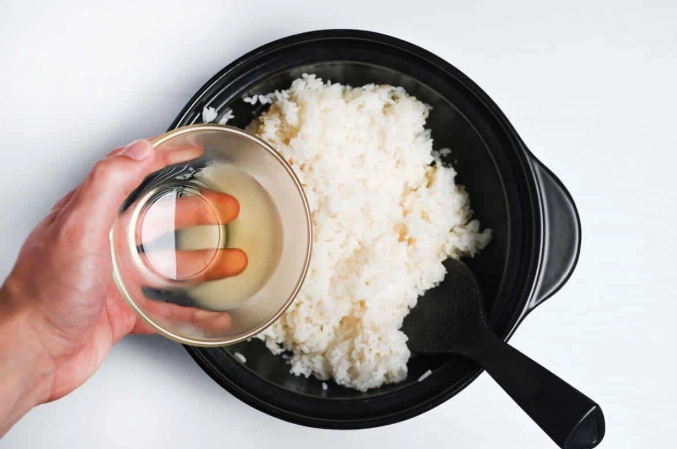
The Cultural Side: More Than Just a Bowl of Food
While tekkadon might seem like a simple fast food, it sits within a rich culinary tradition. The donburi, or rice bowl dish, is a cornerstone of Japanese home and casual cooking. It's a format designed for comfort, convenience, and showcasing a single premium ingredient—be it tempura (tendon), beef and egg (gyudon), or in this case, tuna. Understanding this context makes you appreciate the dish more. It's not just thrown together; it's a specific category with its own rules and expectations.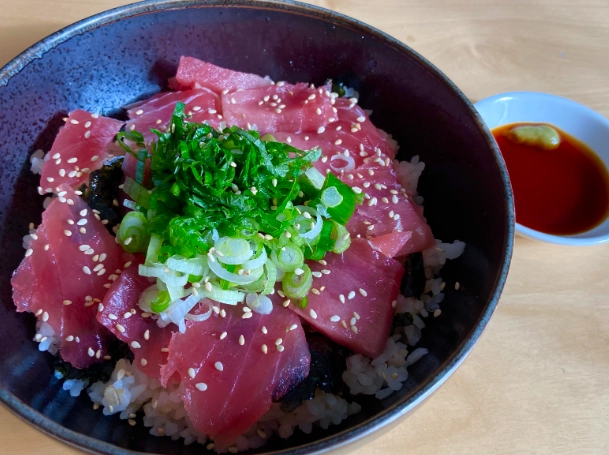
For those looking to dive deeper into the world of Japanese cuisine and its principles, resources like the official site of the Japan National Tourism Organization often have excellent food guides that provide cultural context. Similarly, exploring content from established culinary institutions or publications, such as the food section of The New York Times (which frequently covers global food trends with authority), can offer insights into how dishes like tekkadon fit into wider dining movements.
So, the next time you see tekkadon on a menu, you'll know exactly what you're getting into. You'll understand its focused beauty, its simple requirements for greatness, and its place at the table. It’s a dish that proves sometimes, the most powerful statements are made with the fewest words—or in this case, ingredients. Give it a try, or better yet, make it yourself. You might just find your new favorite bowl.
Reader Comments