Let's be honest. Most attempts at homemade udon soup end in disappointment. The broth tastes like salty water. The noodles are either rubbery or mushy. It lacks that deep, savory, soul-warming quality you get from a good Japanese restaurant. I've been there. For years, my udon was just... fine. Not great. The turning point came from a chef in Osaka who watched me make it and winced. He showed me the tiny things I got wrong—things most recipes don't even mention.
This isn't about a single perfect recipe. It's about understanding the components so you can build your own perfect bowl, anytime. Forget the instant packets. Let's make real udon soup.
Your Udon Soup Roadmap
How to Choose and Cook the Perfect Udon Noodle
This is mistake number one. You grab any thick noodle from the Asian aisle. The noodle is the star. Get this wrong, and nothing else matters.
Fresh, Frozen, or Dried? Here’s the real breakdown:
- Fresh (Chilled): The gold standard for home cooks. Found in the refrigerated section of Japanese markets. They're par-cooked, chewy, and have a wonderful wheat flavor. Sanuki-style is my favorite for its firm, square shape. Use within a few days.
- Frozen: Surprisingly excellent. Often the same quality as fresh, flash-frozen for longevity. Don't thaw them; boil straight from frozen. A fantastic pantry staple.
- Dried: The most accessible. Look for thick, white udon. They require a longer boil (8-12 mins) and can vary in quality. Some stay too hard, others go soft fast. I keep a pack for emergencies, but I prefer frozen.
The cooking step is non-negotiable. Bring a large pot of unsalted water to a rolling boil. Salt the water for pasta, but not for udon—it'll affect the broth later. Cook according to package time, but start testing a minute early.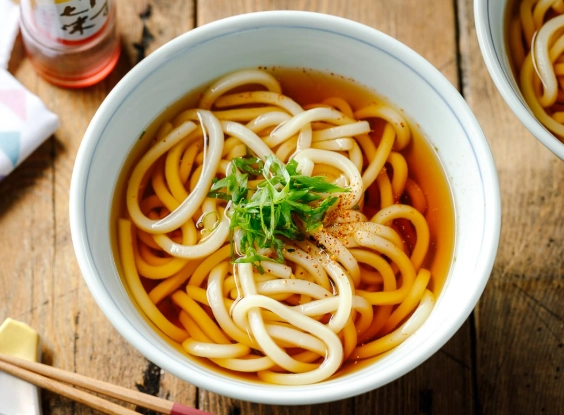
Now, the step every pro does and most home cooks skip: shocking and rinsing.
Do not, under any circumstances, drain your noodles and leave them sitting in a colander. They'll stick together in a giant, gummy lump.
As soon as they're done, drain them and immediately rinse under cold running water, using your hands to gently separate the strands. You're washing off the surface starch that makes them gluey. This also stops the cooking dead, locking in that perfect chewy texture (the "koshi"). They should feel cool, slick, and separate. Set them aside in a colander. Yes, they'll be cold. That's intentional. We'll fix it later.
The Three Types of Udon Soup Broth You Need to Know
Not all udon soup is the same. The broth defines its character. Think of these as your foundational options.
1. Kakejiru (The Clear, Classic Broth)
This is your standard, light-colored soup. It's delicate but packed with umami. The base is dashi. Real dashi isn't complicated. Soak a 4x6 inch piece of kombu (dried kelp) in 4 cups of cold water for 30 minutes. Then heat it slowly until it's just about to boil—remove the kombu the second you see tiny bubbles. If you let it boil, it gets slimy and bitter. Then add a handful of bonito flakes (katsuobushi), let it simmer for 30 seconds, and turn off the heat. Let it steep for 10 minutes, then strain. That's it. You now have liquid gold.
2. Creamy Miso Udon Broth
Hearty and rich. Don't just dissolve miso paste in hot dashi. You'll kill the probiotics and get a flat taste. Make your dashi (or use a good instant one). Take a ladleful of hot dashi into a small bowl, whisk in your miso paste until it's a smooth slurry, then stir it back into the main pot off the heat. White miso (shiro) is sweet and mild, red miso (aka) is salty and robust. I like a 50/50 blend.
3. The 15-Minute Shortcut Broth
No kombu? No time? This works shockingly well. Sauté a smashed garlic clove and a few thin slices of ginger in a teaspoon of sesame oil. Add 4 cups of low-sodium chicken or vegetable broth and a big pinch of dried shiitake mushroom powder (grind dried shrooms in a coffee grinder). Simmer for 10 minutes. Strain if you want. It's not traditional, but it's deeply savory and ready in a flash.
Pro Tip: Make a big batch of dashi and freeze it in ice cube trays or 1-cup portions. Having homemade dashi on hand changes everything. The Ministry of Agriculture, Forestry and Fisheries of Japan notes that dashi is the fundamental flavor pillar of washoku (Japanese cuisine).
The Tare: The Seasoning Secret You're Missing
This is the whisper that makes the broth sing. Tare is a concentrated seasoning mix added to the bowl before the broth. It creates layers of flavor instead of one-dimensional saltiness.
My basic all-purpose tare: Equal parts soy sauce, mirin, and sake (about ¼ cup each). Throw in a small knob of peeled ginger. Simmer in a small pot for 5 minutes to cook off the alcohol and meld the flavors. Let it cool. Store it in a jar in the fridge for weeks.
When assembling your bowl, you'll add about 1 to 1.5 tablespoons of this tare first. Then pour the hot broth over it. Taste and adjust. This control is what separates a good bowl from a great one.
Toppings That Actually Add Something
Skip the decorative carrot flower. Choose toppings that add texture, flavor, or richness.
| Topping | Prep Needed | What It Adds |
|---|---|---|
| Tempura Shrimp or Veggies | Make ahead or use store-bought quality frozen. | Crunch, richness, a main protein. |
| Soft-Boiled Egg (Ajitsuke Tamago) | Marinate soft-boiled eggs in a mix of soy, mirin, water overnight. | Creamy yolk, savory-sweet flavor, protein. |
| Thinly Sliced Green Onions | Just slice. Use both white and green parts. | Fresh, sharp bite and color. |
| Narutomaki (Fish Cake) | Slice thinly from the package. | A classic, slightly sweet note and fun pink swirl. |
| Fresh Shichimi Togarashi | Buy a small jar. Don't use old, dusty spice. | Citrusy, spicy, numbing heat to finish. |
| Kakiage (Mixed Tempura Bits) | Buy frozen or make from leftover tempura batter bits. | Amazing crunch and flavor in every spoonful. |
How to Assemble a Perfect Bowl of Udon Soup
The order of operations is sacred. Mess this up, and you undo all your good work.
- Warm Your Bowl: Fill your serving bowl with very hot water. Let it sit while you do the final prep. Dump it out just before assembling. A cold bowl cools the soup instantly.
- Season the Bowl: Add your 1-1.5 tbsp of tare to the warm, empty bowl.
- Noodles In: Grab a handful of your cold, rinsed noodles. You can quickly dunk them in hot water for 5 seconds to take the chill off, but don't re-cook them. Shake well and place them in the bowl.
- Hot Broth Over: Ladle your piping hot broth directly over the noodles. The hot broth will warm the noodles through perfectly without making them soft.
- Toppings Last: Arrange your toppings artfully on top. This keeps them crisp (like tempura) or distinct (like the egg).
- Finish & Serve Immediately: A final sprinkle of green onion and shichimi togarashi. Serve right away, with a spoon and chopsticks.
Your Go-To Weeknight Udon Soup Recipe Template
This isn't a rigid recipe. It's a formula. Use what you have.
Serves 2
What You'll Need:
- 2 portions frozen or fresh udon noodles
- 4 cups of your chosen broth (dashi, miso-dashi, or shortcut broth)
- 2-3 tbsp of your prepared tare
- Toppings of choice: e.g., 1 soft-boiled egg (halved), 2 tbsp sliced green onion, 4 shrimp tempura
- Shichimi togarashi for serving
What You'll Do:
1. Get your broth heating in a pot. Keep it at a gentle simmer, not a rolling boil.
2. Cook your udon noodles in unsalted boiling water according to package directions. Rinse under cold water thoroughly and set aside.
3. Warm your bowls with hot water.
4. Dump water from bowls. Add 1 tbsp (or more) of tare to each bowl.
5. Divide the cold noodles between the bowls. If you want, give them a 5-second hot water dip first.
6. Ladle the simmering broth over the noodles in each bowl.
7. Top with your prepared ingredients.
8. Finish with a pinch of shichimi togarashi. Serve immediately.
Total active time? Maybe 20 minutes if your broth is ready.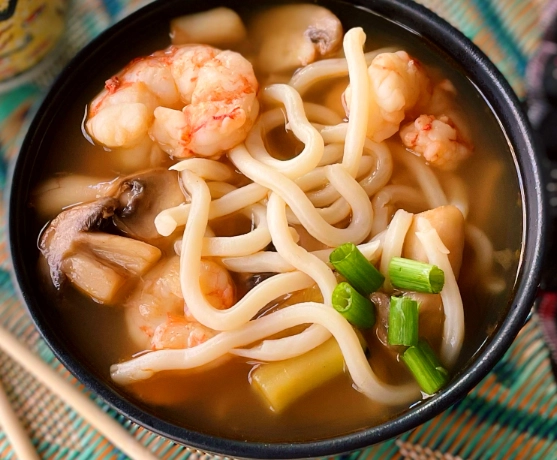
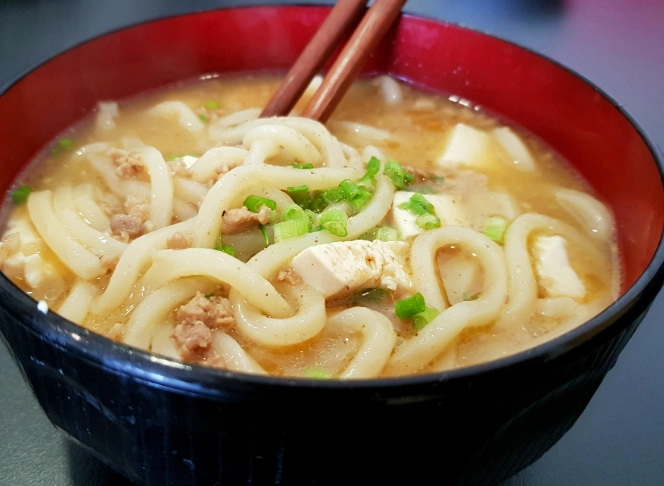
The beauty of udon soup is in its simplicity and its depth. Once you understand the framework—noodle care, broth choice, the tare, and proper assembly—you stop following recipes and start creating your own perfect bowl. It becomes a quick, satisfying dinner, not a weekend project. Give the cold rinse a try. Make that little jar of tare. You'll taste the difference immediately.
Reader Comments