Quick Navigation
Let's be honest. The first time you see a bowl of tantanmen ramen, you might think it's just another spicy noodle soup. A red broth, some ground meat, maybe a swirl of chili oil on top. It looks delicious, sure, but what's the big deal?
Then you take a bite.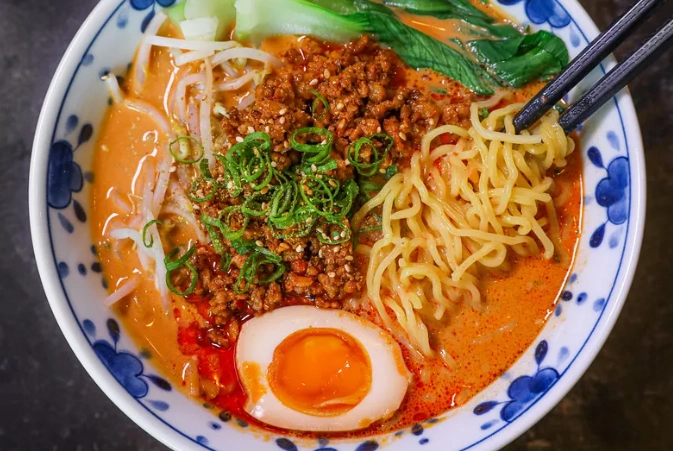
The richness hits you first—a deep, savory, almost creamy broth that coats your tongue. Then comes the nutty, toasty flavor from the sesame paste, followed by a building, tingling heat that warms you from the inside out. It's not just heat for heat's sake; it's a complex, layered experience. The noodles, springy and substantial, carry all that flavor perfectly. And the ground pork? It's not just a topping; it's a flavor bomb of umami and texture, salty, slightly sweet, and incredibly savory.
That, my friend, is the magic of tantanmen ramen. It's Japan's brilliant, soul-satisfying reinterpretation of a Chinese classic, and it's taken the world by storm. But what exactly is it? How do you make a great one at home without spending all day? And where can you find a truly mind-blowing bowl?
Stick with me. We're going to get into all of it.
So, What Is Tantanmen Ramen, Really?
At its heart, tantanmen (坦々麺) is a Japanese ramen dish featuring a spicy, nutty broth (usually made with chicken or pork, or a combination), topped with ground meat (traditionally pork, but sometimes chicken or beef), chopped scallions, and often bok choy or spinach. The "tantan" part comes from the Chinese "dandan," referring to the carrying pole (dan) street vendors used to haul their noodles and sauce. The Japanese version, however, took a sharp turn.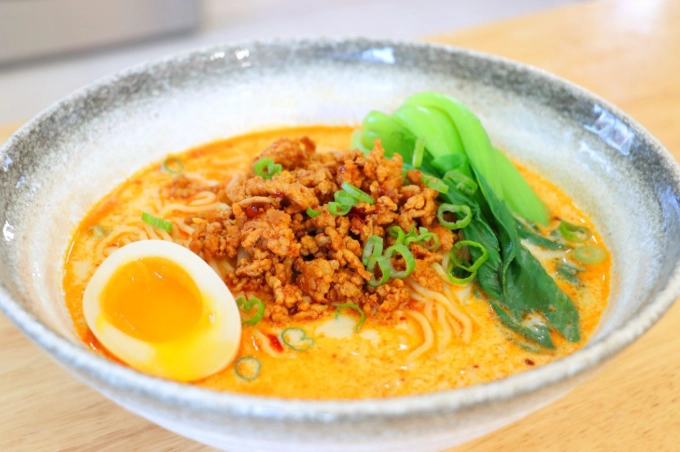
The history is a bit fuzzy, but most food historians point to its introduction in Japan in the 1950s or 60s by Chinese immigrants. Japanese chefs and home cooks started adapting it, toning down the intense Sichuan peppercorn numbing sensation (the "ma la") and amplifying the creamy, nutty elements with generous amounts of tahini (sesame paste) or Japanese nerigoma (ground sesame). The result is a dish that feels distinctly Japanese while honoring its Chinese roots. The Japanese Ministry of Agriculture, Forestry and Fisheries (MAFF) even highlights how foreign dishes like this are "yōshoku"-ified, becoming a unique part of Japan's culinary landscape.
What defines a great tantanmen ramen for me? It's a balance. The broth needs body—it shouldn't be watery. The sesame flavor should be prominent but not overwhelming, like eating a jar of peanut butter. The chili oil needs to provide a warming glow, not a punishing inferno. And that ground meat topping? It's gotta be cooked down until it's almost crispy, infused with garlic, ginger, and doubanjiang (fermented broad bean paste), so it adds a salty, umami-packed punch with every spoonful.
I've had bowls where the broth was bland, or the sesame paste just sat in a lump at the bottom. Not good.
Deconstructing the Bowl: The Five Pillars of Tantanmen
To understand tantanmen ramen, you gotta break it down. Think of it like building a house. If one part is weak, the whole thing feels off.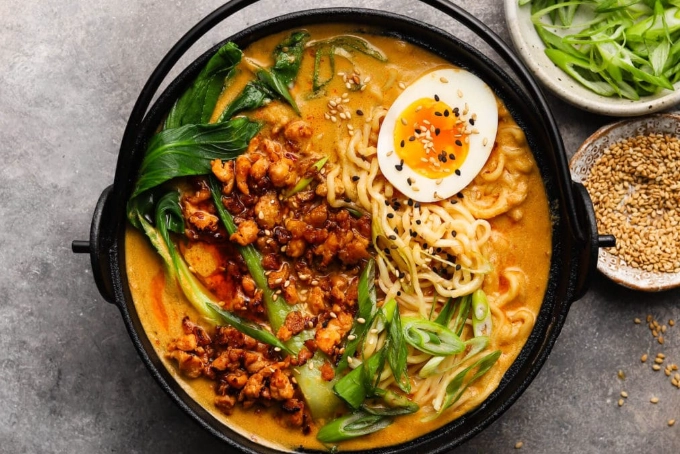
The Broth: The Soul of the Dish
This isn't your typical clear shoyu or milky tonkotsu broth. A tantanmen broth is its own beast. Most shops start with a rich chicken paitan (white broth) or a light tonkotsu as a base. This provides the underlying savoriness. Then, the magic happens: they blend in a tare (seasoning sauce) that's heavy on sesame paste, soy sauce, vinegar (often black vinegar for a touch of sweetness and acidity), and chili oil.
You can also find vegetarian or vegan tantanmen ramen broths made from rich mushroom or kombu dashi, blended with sesame paste. They can be incredibly flavorful if done right.
The Meat Topping: The Flavor Bomb
Forget the chashu slices. In tantanmen, the star protein is almost always ground meat. Pork is the classic, but I've seen chicken and even plant-based crumbles. The key is in the cooking method. It's not just browned; it's stewed and fried in a wok or pan with aromatics until the fat renders out and the meat gets a bit crispy and deeply caramelized.
The seasoning mix for the meat is non-negotiable: minced garlic, ginger, doubanjiang (this is essential for that deep, fermented kick), sweet bean sauce or hoisin, soy sauce, and sugar or mirin. This creates a complex, salty-sweet-spicy mince that seasons the entire bowl as you eat.
The Noodles: The Workhorse
Tantanmen ramen typically uses medium-thick, wavy noodles. The waves are important—they trap the thick, flavorful broth better than straight noodles. They need to have a good chew, a real "koshi" (firmness), to stand up to the rich soup. Thin, delicate ramen noodles would just get lost.
The Chili Oil & Sesame: The Heart and Heat
This is the duo that makes tantanmen, well, tantanmen. The sesame (tahini or Japanese sesame paste) provides the creamy, nutty base note and body. The chili oil (rayu) provides the heat and a beautiful red hue. But not all chili oils are created equal. A good one is infused with aromatics like garlic, ginger, and maybe a star anise or two. It's about flavor, not just Scoville units.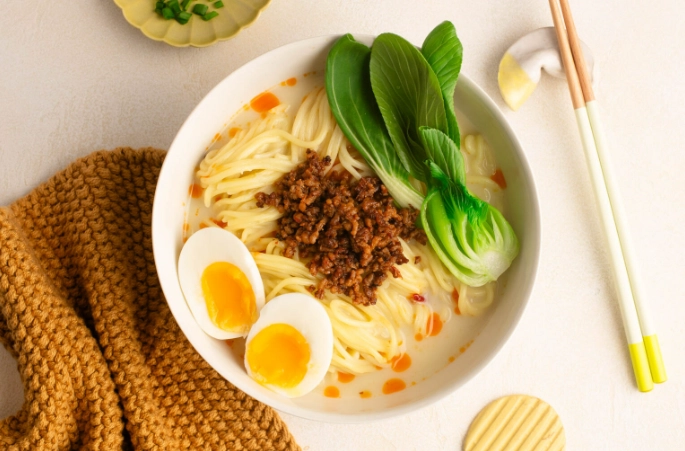
The Toppings: The Supporting Cast
The usual suspects: finely chopped scallions (a ton of them), blanched bok choy or spinach, maybe some menma (bamboo shoots), and a soft-boiled or ajitsuke tamago (marinated egg) if you're lucky. Sometimes you'll see a sprinkle of crushed peanuts or sesame seeds for extra crunch and nuttiness. A few leaves of cilantro can be a game-changer, adding a bright, fresh counterpoint.
See? It's a system. Every part has a job.
Your Home Kitchen Project: Making Tantanmen Ramen from Scratch
Okay, you're sold. You want to make this at home. Is it a weekend project? It can be, but I've also cobbled together a pretty darn good "cheater" version on a weeknight. Let's look at both approaches.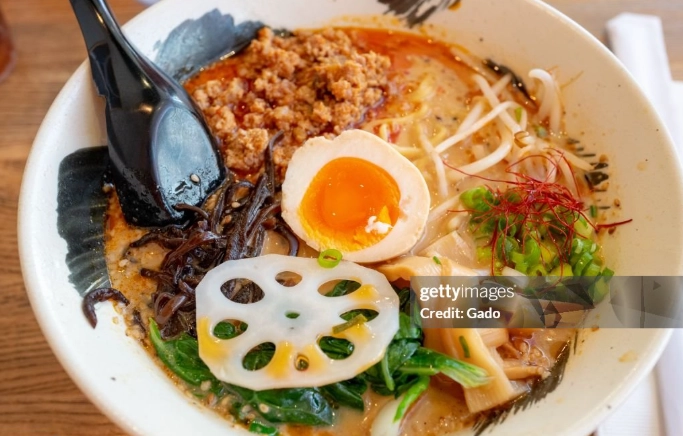
The "From-Scratch" Purist's Method
This is for when you want to go all in. You'll need a few hours, but the payoff is huge.
Start with a good chicken paitan broth. Simmer chicken bones (backs, necks, wings) with an onion, a whole garlic head (halved), a knob of ginger, and green onion whites for at least 4-5 hours, aggressively skimming scum at the start. You want it to be opaque, creamy, and rich. Strain it well. This forms your flavor canvas.
This is where the tantanmen flavor is concentrated. In a bowl, mix together:
- 1/2 cup tahini (good quality, runny)
- 1/4 cup soy sauce
- 2 tbsp black vinegar (or rice vinegar in a pinch)
- 2 tbsp mirin
- 1-2 tbsp doubanjiang (start with 1, it's potent!)
- 1-2 tbsp of your homemade chili oil (see below)
- 1 tsp sesame oil
- A pinch of sugar
Whisk until smooth. This paste will be intensely flavorful.
Heat 1 cup of neutral oil (like canola) with 3-4 crushed garlic cloves, a few slices of ginger, and a star anise until the garlic is just starting to turn golden. Remove from heat. In a heatproof bowl, have 1/2 cup of Korean gochugaru (flakes) or Chinese chili flakes ready. Carefully pour the hot oil over the flakes. It will sizzle and become fragrant. Let it cool completely. Strain if you want it clear, or leave the bits in for more flavor.
Heat a tablespoon of oil in a wok or skillet. Add 250g of ground pork. Break it up and cook until it loses its pink color. Add 2 minced garlic cloves, 1 tbsp minced ginger, and 1.5 tbsp doubanjiang. Stir-fry for a minute until incredibly fragrant. Add 1 tbsp each of soy sauce, sake, and sugar. Cook, stirring, until the liquid is gone and the meat is slightly crispy. Set aside.
Cook your wavy ramen noodles according to package directions. In each serving bowl, put 3-4 tbsp of your tare mixture. Ladle in about 1.5 cups of your hot chicken broth and whisk to combine. Drain noodles and add to broth. Top with a generous scoop of the ground pork, blanched bok choy, a soft-boiled egg halved, a mountain of scallions, and a final drizzle of chili oil and sesame oil.
The "Weeknight Warrior" Cheat's Method
No time for bone broth? No problem. We can still make a killer tantanmen ramen.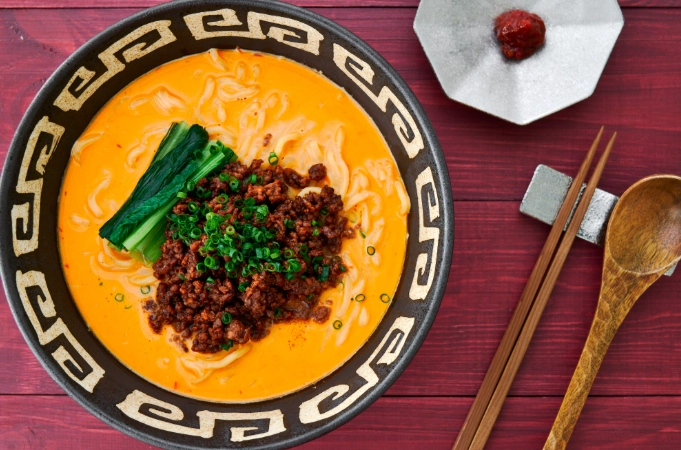
Your secret weapon: good-quality store-bought chicken broth (the concentrated liquid kind, not cubes) or even a rich unsalted vegetable broth. We're going to fortify it.
- Supercharge the Broth: In a pot, simmer 4 cups of store-bought broth with a 2-inch piece of ginger (smashed), 2 garlic cloves (smashed), and the white parts of 2 scallions for 20 minutes. Strain. This adds a ton of fresh flavor.
- Use a Simplified Tare: Mix 1/3 cup tahini, 3 tbsp soy sauce, 1.5 tbsp rice vinegar, 1 tbsp chili oil (store-bought is fine, like Lao Gan Ma), 1 tbsp sesame oil, and 1 tsp sugar.
- The Meat Topping: Follow the same steps as above. This is the part you shouldn't skip—it's the biggest flavor contributor.
- Assembly: Same as before. 2-3 tbsp of tare per bowl, hot fortified broth, noodles, toppings.
Is it exactly like the shop version? Maybe 90% there. And for a Tuesday night, that's a massive win. The core experience of a rich, spicy, nutty tantanmen ramen is completely intact.
Is Tantanmen Ramen Actually Healthy?
Let's get real for a second. We're talking about a dish with a rich, fatty broth, ground pork, oily toppings, and a heap of noodles. Tantanmen ramen is not a salad.
A typical restaurant bowl can easily clock in at 700-1000 calories, with a significant amount of that coming from fat (from the broth, sesame paste, and meat) and refined carbohydrates (the noodles). It's also usually very high in sodium.
But! It's not all bad news. There are redeeming qualities and ways to make it better.
- Protein: The ground meat and egg provide a solid hit of protein, which helps with satiety.
- Vegetables: The scallions, bok choy, and spinach add vitamins, fiber, and antioxidants.
- Sesame: Tahini is a source of healthy fats, calcium, and magnesium.
How to make a healthier tantanmen ramen at home?
- Broth: Use a light chicken or vegetable broth as a base. Skim all visible fat.
- Sesame: Use a lighter hand with the tahini, or thin it with a bit of broth before adding.
- Meat: Use lean ground turkey or chicken instead of pork. Drain any excess fat after cooking.
- Noodles: Consider using whole wheat ramen noodles or even spiralized zucchini for a lower-carb option (though it won't be the same, admittedly).
- Veggie Boost: Double the vegetables! Add shredded carrots, bean sprouts, or mushrooms to the bowl.
- Sodium: Use low-sodium soy sauce and be cautious with the doubanjiang.
At the end of the day, it's comfort food. Enjoy it mindfully, don't make it an everyday meal, and balance it out with lighter eating the rest of the day. The Harvard Healthy Eating Plate is a good reminder that these rich, complex dishes are part of a broader diet.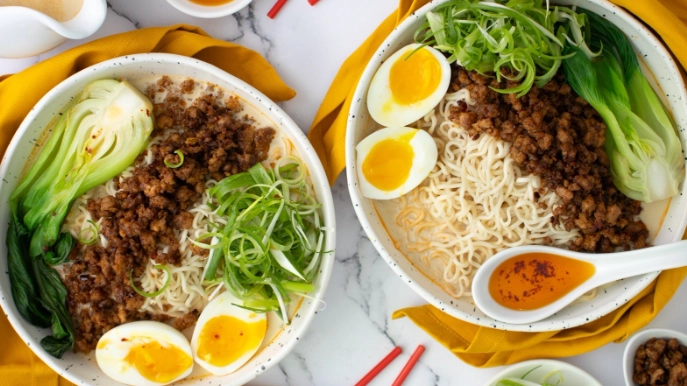
Where to Find the Best Bowls: A Tantanmen Ramen Tour
Sometimes, you just need the pros to do it. If you're hunting for an incredible bowl of tantanmen ramen, here are some legendary spots and styles to look for. This isn't an exhaustive list, but it hits the highlights.
| Shop Name / Style | Location | What Makes It Special | Personal Note |
|---|---|---|---|
| Nakiryu (Michelin-Starred) | Tokyo, Japan | Famous for its tantanmen. A refined, perfectly balanced broth that's creamy, spicy, and deeply umami without being heavy. Expect long lines. | The hype is real. It's exceptionally smooth and elegant. Worth the wait once, but the line is a commitment. |
| Kikanbo | Tokyo, Japan | The opposite of subtle. Known for its "Oni" (demon) levels of spiciness and numbing sensation from Sichuan peppers. A massive, intimidating bowl. | I tried the medium spice and it kicked my butt. It's a spectacle and an experience, but not for flavor subtlety. |
| Menya Shi-Shi Do | Los Angeles, CA, USA | Pioneered high-quality tantanmen in the US. Rich, complex broth with a strong sesame punch and excellent noodles. | A consistent favorite. Their broth has a wonderful texture and their chashu-don is also amazing. |
| Ramen Ishida | New York, NY, USA | Offers a superb, creamy chicken-based tantanmen that's less oily than some versions. Topped with minced chicken. | A cleaner, more refined take that highlights the chicken flavor. Their shio ramen is also world-class. |
| "Sapporo-style" Tantanmen | Hokkaido, Japan | Often incorporates miso into the rich broth, adding another layer of fermented flavor. Can be incredibly hearty. | Perfect for cold Hokkaido winters. It's like a spicy, nutty hug in a bowl. Look for shops in Susukino. |
| Vegan / Veggie Tantanmen | Various (e.g., T's Tantan in Tokyo Station) | Uses a rich mushroom-kombu dashi base with plant-based meat and dairy-free sesame. Proves the dish's versatility. | Shockingly good. The depth from the mushrooms compensates for the lack of animal fat beautifully. |
How to spot a good tantanmen ramen joint? Look at the photos. The broth should look emulsified and creamy, not like red oil floating on clear soup. The meat should look dark and crumbly, not like a pale, wet lump. And if a shop specializes in it or has it as a signature item, that's always a good sign.
Don't be afraid to ask for customization! Most places will let you adjust the spice level. I usually go for medium—enough to feel it, but not so much that I can't taste the other flavors.
Tantanmen Ramen: Your Questions, Answered
I get a lot of the same questions about this dish. Let's tackle the big ones.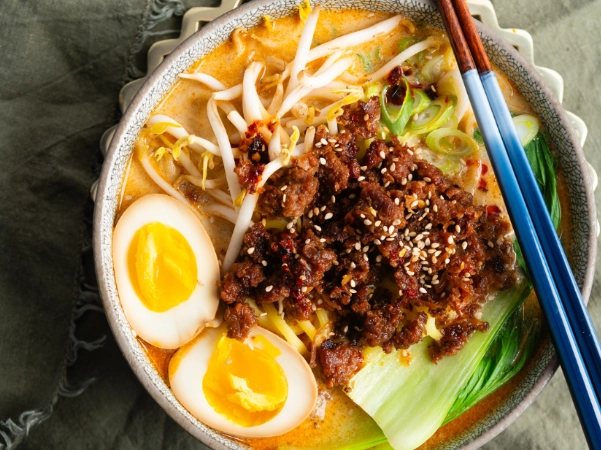
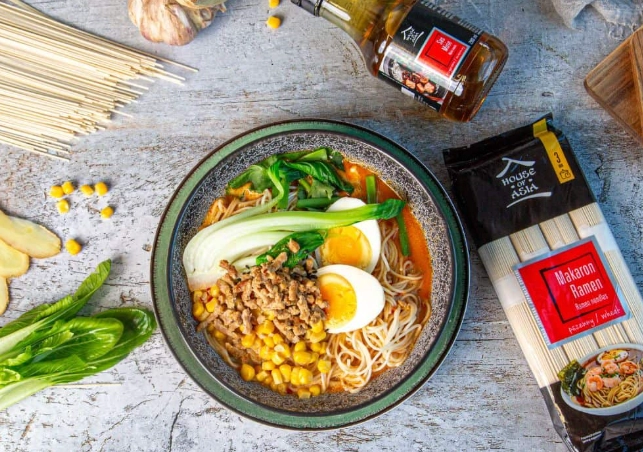
So there you have it. From its cross-cultural history to the last slurp of noodles, tantanmen ramen is a dish that rewards a closer look. It's more than a trend; it's a staple that has earned its place in the ramen pantheon. Whether you seek out a legendary bowl in Tokyo, master the recipe in your own kitchen, or just finally understand what you're ordering from the menu, I hope this deep dive makes your next encounter with tantanmen ramen that much more satisfying.
Now, if you'll excuse me, all this writing has made me crave a bowl. I think I know what I'm having for dinner.
Reader Comments