You see them at the market—those long, slender, deep purple eggplants. They look elegant, sure. But then you get them home, slice them up, and... they turn into a greasy, mushy mess in the pan. I've been there. I've served oily eggplant slices that made my guests politely push them around the plate. It took me years of trial, error, and talking to a chef friend in Kyoto to realize I was approaching Japanese eggplant (nasu) all wrong. It's not a vegetable you just chop and fry. It's a delicate fruit that rewards a specific touch.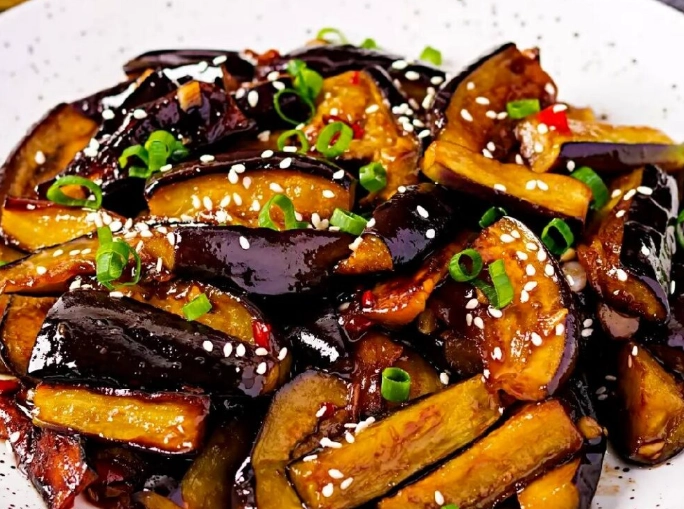
This isn't just another list of recipes. It's a manual for understanding the ingredient itself. When you know how to choose, prep, and apply the right heat, Japanese eggplant transforms. It becomes sweet, creamy, and capable of carrying complex flavors like miso, soy, and ginger without falling apart. Let's fix the common mistakes and cook it right.
In This Article
Choosing and Preparing Your Eggplant: The First Step Most People Skip
Picking the right eggplant is 50% of the battle. That shiny, firm, heavy-for-its-size eggplant you grab? Perfect. A dull, lightweight, or soft one will be bitter and seedy. The stem should be green and fresh-looking.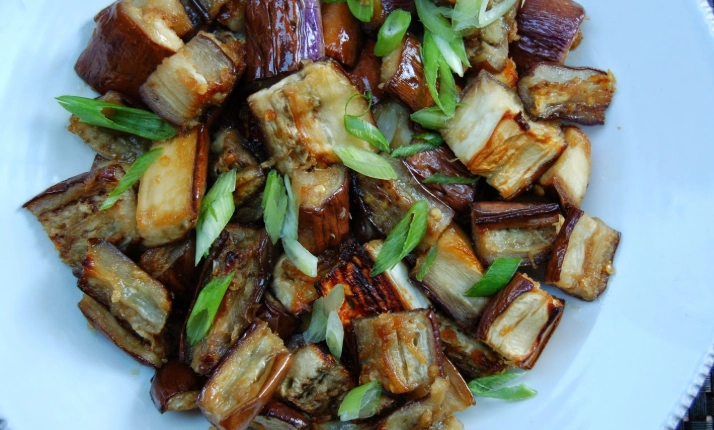
Now, about that famous salting step. Recipes love to insist on it. For globe eggplants, it's crucial to draw out bitterness. For Japanese eggplant? It's optional, and we use it for a different reason: texture control. Salting pulls out moisture, which firms up the flesh and prevents it from becoming a sponge for oil. If you're planning to deep-fry or pan-fry with a lot of oil, salt it. For grilling, roasting, or steaming, you can often skip it.
Here’s a quick guide to cutting styles and their best uses:
| Cut | Best For | Why It Works |
|---|---|---|
| Lengthwise Halves | Grilling, roasting, miso-glazing (Nasu Dengaku) | Maximizes surface area for browning and sauce absorption. The skin keeps it intact. |
| "Rangiri" (Rolling Cut) | Stir-fries, braises (like Nimono) | Creates uneven edges and angles, so each piece soaks up more broth and cooks evenly. |
| Thick Rounds | Tempura, pan-frying | Provides a good ratio of crispy exterior to soft interior. Easy to flip. |
| Small Cubes | Curries, pasta sauces, rice dishes | Distributes the creamy texture throughout the dish without dominating. |
3 Essential Japanese Eggplant Cooking Techniques (Beyond Frying)
Frying is fine, but it's only one tool. To really appreciate Japanese eggplant, you need to try these methods.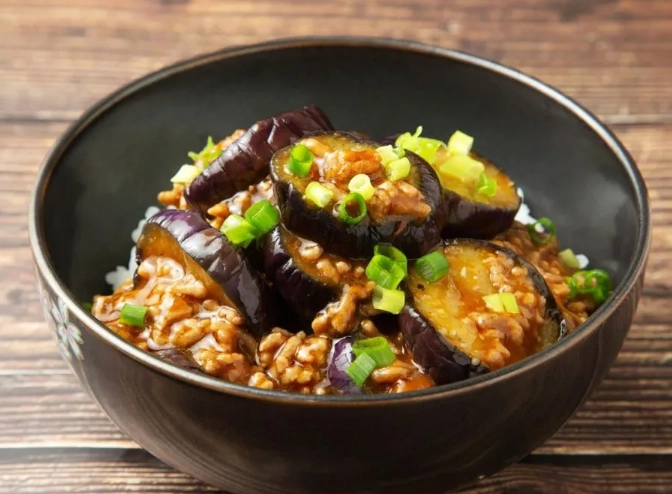
1. The Grill or Broiler Method: For Smoky Depth
This is my absolute favorite. High, direct heat chars the skin, caramelizes the natural sugars, and smokes the flesh. No oil needed at the start. Just place halved eggplants (skin-side down if using a broiler) under intense heat until the skin blisters and blackens and the inside collapses into a custard. You then scoop it out. This is the base for dishes like Yakinasu—simply dressed with a drizzle of soy, a dab of grated ginger, and maybe a few bonito flakes. The flavor is unbelievable.
2. The Steam-Sear Combo: For Foolproof Tenderness
This is the secret technique for stir-fries. People throw raw eggplant into a hot wok and wonder why it's raw in the middle or soaked in oil. Instead, steam or microwave the cut pieces for 2-3 minutes until just pliable. Then sear them in a hot pan. The eggplant is already mostly cooked, so it just needs a quick caramelization. It stays tender, not greasy, and absorbs sauce beautifully.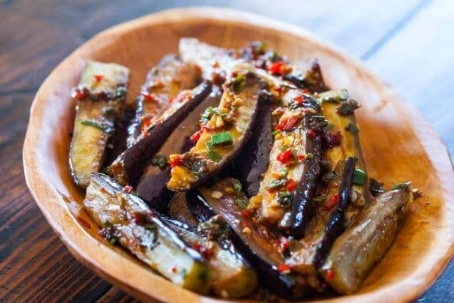
3. The Slow Simmer (Nimono): For Umari Infusion
Japanese simmered dishes (nimono) are a masterclass in umami. Eggplant is cut into the rangiri style and gently cooked in a broth of dashi, soy, mirin, and a touch of sugar. The key is a otoshibuta (a drop-lid). If you don't have one, a circle of parchment paper with a vent hole works. This lid keeps the eggplant submerged and allows the flavors to penetrate evenly without the pieces jostling and breaking. The result is eggplant that is savory-sweet and infused to its core.
Classic Japanese Eggplant Recipes You Can Actually Master
Let's apply what we've learned. These recipes focus on technique as much as ingredients.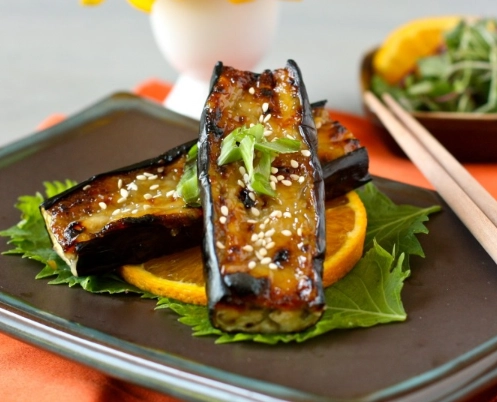
1. Nasu Dengaku (Miso-Glazed Eggplant)
The iconic dish. Sweet, savory miso caramelized under a broiler. The challenge? Avoiding a burnt topping and raw underneath.
What you'll need: 2 Japanese eggplants (halved lengthwise), 3 tbsp white miso paste, 1.5 tbsp mirin, 1 tbsp sake, 1-2 tsp sugar, 1 tsp sesame oil, sesame seeds, green onion.
The Method:
- Score the flesh of the eggplant halves in a cross-hatch pattern, cutting deep but not through the skin. This helps them cook evenly and hold sauce.
- Broil or grill the eggplants, flesh-side up first, for 5-7 minutes until the flesh softens and starts to brown. Flip and cook skin-side up for another 3-4 minutes until the skin wrinkles.
- While they cook, mix miso, mirin, sake, and sugar in a small pan. Heat gently for 2-3 minutes until slightly thickened. Stir in sesame oil.
- Flip eggplants back to flesh-side up. Spread the miso glaze thickly over each half. Return to the broiler for 1-2 minutes ONLY—watch it like a hawk until the glaze bubbles and caramelizes.
- Sprinkle with sesame seeds and sliced green onion. Serve immediately.
Expert Tip: Par-cook the eggplant first. If you put the miso on raw eggplant, the topping will burn before the inside is tender. The initial broiling step is non-negotiable.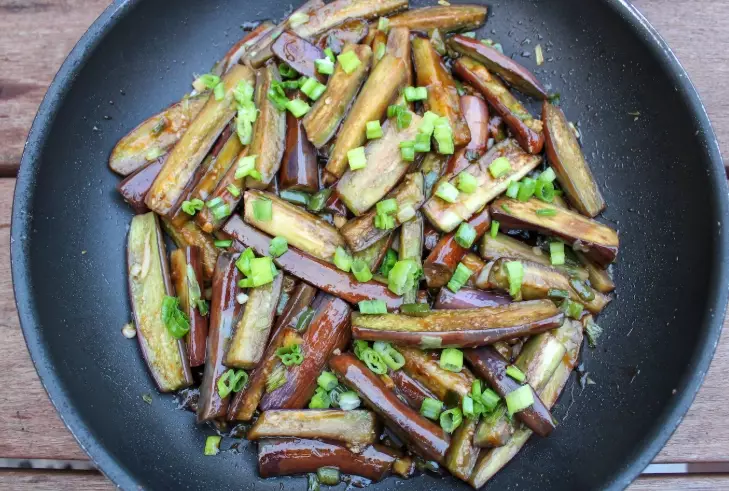
2. Yakinasu (Grilled Eggplant with Simple Dressing)
This celebrates the pure flavor of the eggplant. It's deceptively simple and relies entirely on the quality of your grilling.
What you'll need: 3-4 Japanese eggplants, 2 tbsp soy sauce, 1 tbsp rice vinegar, 1 tsp grated fresh ginger, 1 tsp sesame seeds, optional: katsuobushi (bonito flakes), shiso leaves.
The Method:
- Prick the whole eggplants a few times with a fork to prevent bursting. Grill over direct high heat (or under a broiler on a rack) until the skin is completely charred and blackened all over and the eggplant has collapsed, about 10-15 minutes, turning occasionally.
- Let them cool until you can handle them. Peel off the charred skin (it should come off easily) or simply slit them open and scoop out the soft, smoky flesh.
- Arrange the flesh on a plate. Gently mix the soy sauce, rice vinegar, and grated ginger. Drizzle over the eggplant.
- Top with sesame seeds, bonito flakes (they'll dance in the steam), and thinly sliced shiso if using.
Expert Tip: Don't be afraid of the char. The blackened skin is what gives the flesh its incredible smoky flavor. Embrace it.
3. Nasu no Agebitashi (Fried Eggplant in Dashi Broth)
This solves the "greasy eggplant" problem. You fry it, then soak it. The result is a cool, savory, deeply flavored appetizer perfect for summer.
What you'll need: 2 Japanese eggplants (cut into thick rounds), 1 cup dashi stock, 3 tbsp soy sauce, 2 tbsp mirin, 1 tbsp sake, oil for frying, grated daikon radish, ginger.
The Method:
- Salt the eggplant rounds and let drain for 30 minutes. Rinse and pat extremely dry.
- Heat oil to 340°F (170°C) – not too hot. Fry the eggplant in batches until lightly golden and tender. Drain on a rack, not paper towels (to keep them crisp).
- Combine dashi, soy, mirin, and sake in a container. Let the fried eggplant cool slightly, then submerge it in the broth.
- Chill in the fridge for at least 2 hours, or overnight. The eggplant will absorb the broth and become incredibly flavorful.
- Serve chilled or at room temperature, topped with a small mound of grated daikon and a dot of ginger.
Expert Tip: The frying temperature is critical. Too high, and the outside burns before the inside cooks. Too low, and they become oil-saturated. Use a thermometer. The goal is a tender interior with just a hint of a shell to hold the broth.
Your Japanese Eggplant Questions, Answered
The real joy of Japanese eggplant recipes comes from respecting the ingredient. It's not a blank canvas; it has its own sweet, creamy personality. Master the techniques of controlling moisture and applying the right heat, and you'll move beyond soggy stir-fries. You'll be pulling blistered, miso-glazed, smoky-sweet masterpieces out of your oven. Start with the grilled Yakinasu. It's simple, it's stunning, and it might just change how you see this humble fruit forever.
Reader Comments