Let's be honest. A great bowl of ramen isn't just about the noodles and broth. It's the toppings that turn a simple soup into a personalized masterpiece. They add texture, bursts of flavor, color, and that essential "wow" factor. But walk into a grocery store or look at a restaurant menu, and the choices can be overwhelming. Do you stick with the classics? Go wild with fusion ideas? How do you even start?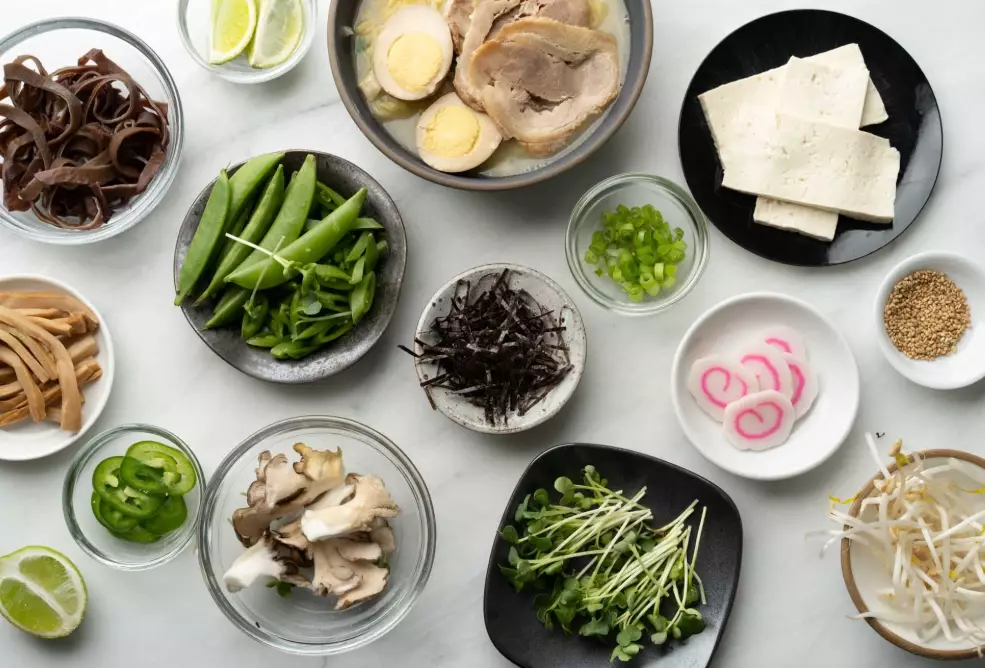
I've spent years obsessing over ramen, from hole-in-the-wall shops in Tokyo to my own messy (and sometimes brilliant) kitchen experiments. The biggest lesson? Toppings are a language. Once you learn the basic vocabulary, you can compose your own poetry.
Your Topping Roadmap
What are the Classic Ramen Toppings?
These are the pillars. The ones you'll see in reputable ramen shops from Sapporo to Fukuoka. Mastering these is step one.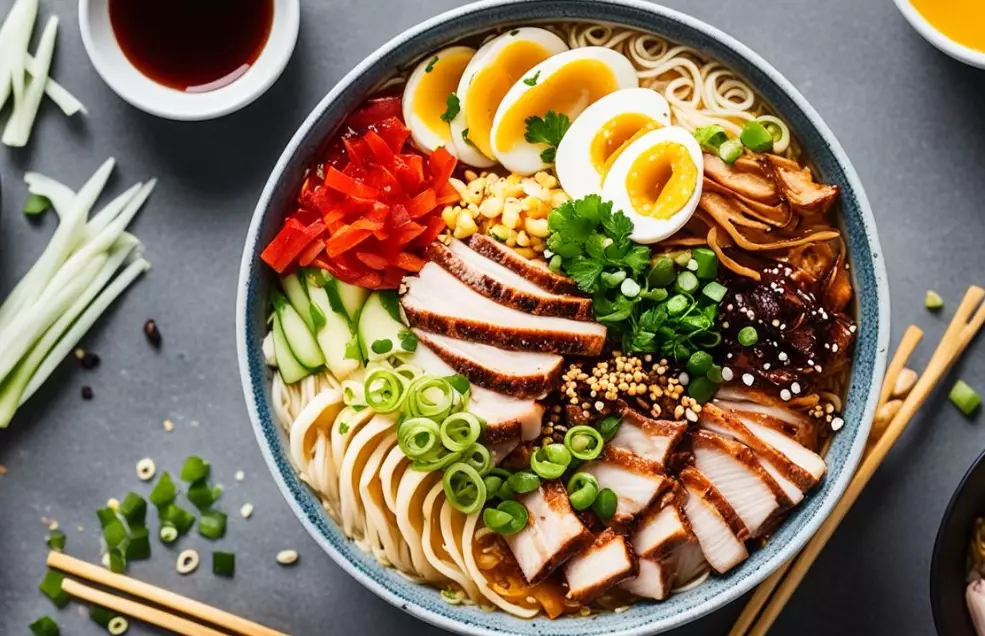
Chashu (Braised Pork Belly or Shoulder)
The king of ramen toppings. It's not just "some pork." Proper chashu is tender, fatty, and infused with soy, mirin, and sugar. The fat melts into the broth, enriching it. A common home cook mistake? Slicing it too thin straight from the fridge. Let it warm up slightly, and cut thicker chunks—you want to taste the meat, not just a sliver.
Ajitsuke Tamago (Marinated Soft-Boiled Egg)
The holy grail. A jammy, custardy yolk surrounded by firm white, all soaked in a sweet-savory marinade. The secret nobody talks about? Pricking the fat end of the egg before boiling prevents it from cracking and makes peeling infinitely easier. Marinate for exactly 4-6 hours for that perfect flavor penetration without over-salting.
A Symphony of Aromatics & Texture
This is where balance happens.
- Negi (Green Onions): Finely chopped for tonkotsu, long strips for shoyu. They're not just garnish; they add a sharp, fresh bite.
- Menma (Fermented Bamboo Shoots): Provides a crucial crunchy, slightly funky contrast. The store-bought stuff is fine, but a quick rinse under hot water tones down the preservative taste.
- Nori (Seaweed): Adds umami and a subtle ocean flavor. Don't let it sit in the broth too long unless you like it soggy.
- Narutomaki (Fish Cake): That pink-swirled white disk. It's mild, bouncy, and mostly for visual appeal and tradition.
Pro Tip: In a proper ramenya, toppings are placed with intention. Chashu fanned over one side, egg halved and yolk facing up, nori tucked against the bowl. It's edible geometry that matters for the eating experience.
Beyond Tradition: Creative & Fusion Toppings
Now for the fun part. Once you respect the rules, you can break them. These ideas borrow from other cuisines and personal cravings.
| Topping Idea | Flavor/Texture Profile | Best Paired With |
|---|---|---|
| Seared Scallops | Sweet, tender, delicate. A luxury touch. | Clear shio (salt) or shoyu broths. Keep it simple. |
| Crispy Roasted Brussels Sprouts | Charred, bitter, crunchy. A veggie powerhouse. | Rich miso or spicy tantanmen broth. |
| Spicy Ground Pork (Tantan-style) | Savory, spicy, umami-rich meat sauce. | Almost any broth. Creates a instant tantanmen. |
| Slice of American Cheese | Controversial, but melts into a creamy, rich layer. A Korean army stew influence. | Super spicy broths (like kimchi ramen). |
| Avocado Slices | Creamy, cool, buttery. A modern California twist. | Light, chicken-based broths. Adds healthy fat. |
I once threw some leftover pulled pork from a BBQ into a tonkotsu broth. The smokiness played off the pork bone richness in a way that was honestly magical. Don't be afraid to raid your fridge.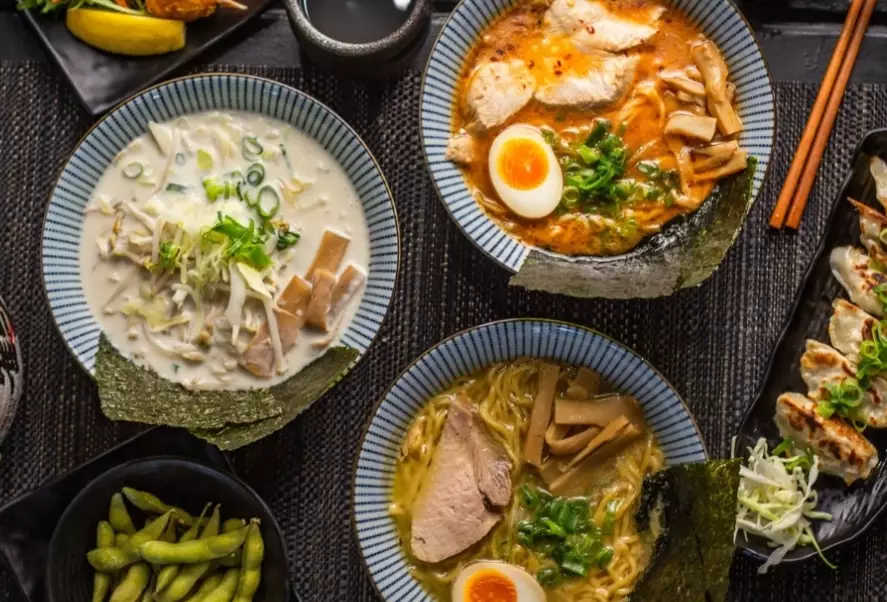
How to Choose and Pair Ramen Toppings
Throwing everything in the bowl is a recipe for chaos. Think like a chef.
The Golden Rule of Three to Five: Pick a protein (chashu, egg, chicken), one or two vegetables/textures (menma, corn, spinach), and an aromatic/finisher (negi, nori, garlic oil).
Consider Your Broth:
- Rich Tonkotsu (Pork Bone): Can handle bold, fatty toppings. Chashu, spicy ground meat, garlic. Cut through richness with sharp negi or pickled ginger.
- Clear Shoyu (Soy) or Shio (Salt): More delicate. Highlight quality with seafood (scallops, shrimp), lean chicken, simple greens.
- Hearty Miso: A robust canvas. Great with sweet corn, butter, bean sprouts, ground pork. It's the most forgiving broth for experimentation.
Texture is Non-Negotiable. You need crunch (menma, beansprouts, fried onion), chew (noodles, chashu), and creaminess (egg yolk, melted fat). If all your toppings are soft, the bowl falls flat.
Making Your Own Show-Stopping Toppings
Store-bought is convenient, but homemade elevates your ramen to another level. Here’s where to focus your energy.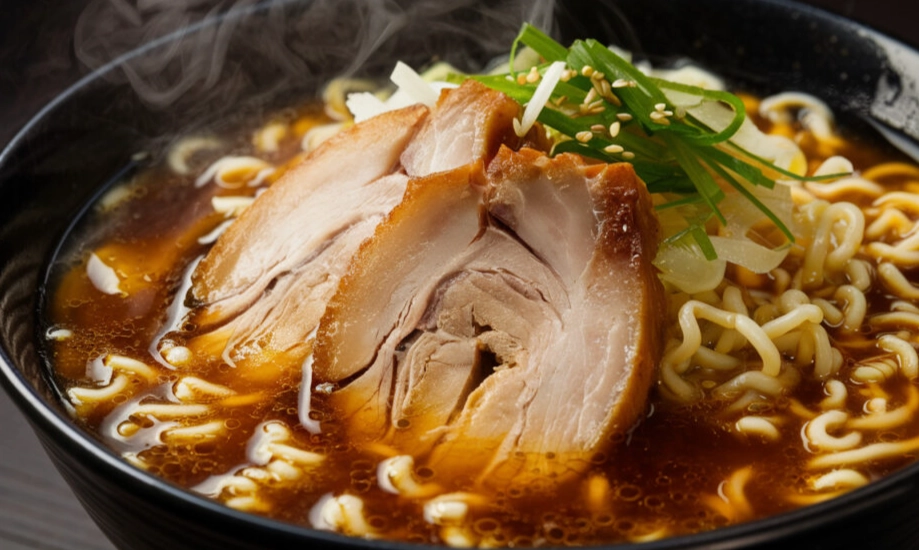
1. The 72-Hour Egg (It's Easier Than It Sounds)
Forget 6 hours. For a deeper, more complex egg, try a low-heat marinade. Soft-boil your eggs, peel them, and submerge in a mix of 1 part soy sauce, 1 part mirin, and 3 parts water. Add a smashed garlic clove and a slice of ginger. Let them sit in the fridge for 2-3 DAYS. The result? An egg where the marinade subtly seasons the yolk itself. It’s a game-changer.
2. Simple Chashu at Home
You don't need a whole pork belly. Use pork shoulder (butt) slices from the supermarket.
Method: Sear the slices, then simmer in a pot with 1 cup water, ½ cup soy sauce, ½ cup sake, ¼ cup sugar, some ginger and garlic for about 90 minutes until tender. Let it cool in the liquid. The leftover braising liquid? That's "tare" gold—use a spoonful to season your broth.
3. The Aromatic Oil Finish
This is the ramen shop secret weapon. Heat neutral oil, then pour it over aromatics to infuse.
- Garlic Oil: Pour hot oil over minced garlic.
- Rayu (Chili Oil): Hot oil over chili flakes and sesame seeds.
A teaspoon drizzled on top just before serving adds fragrance and a professional sheen.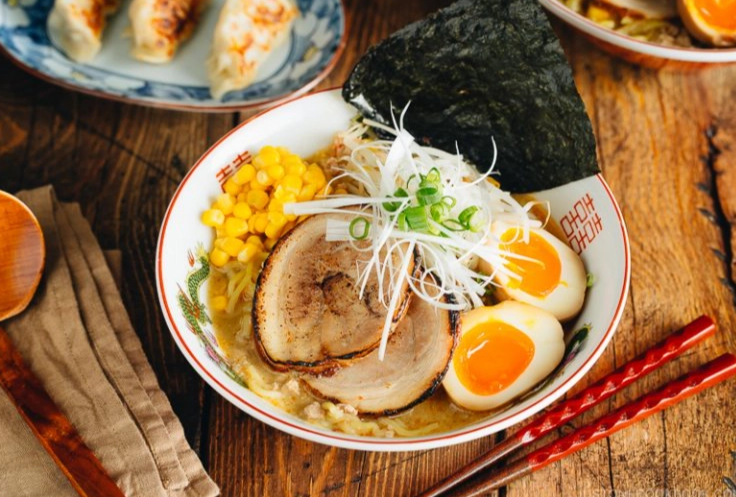
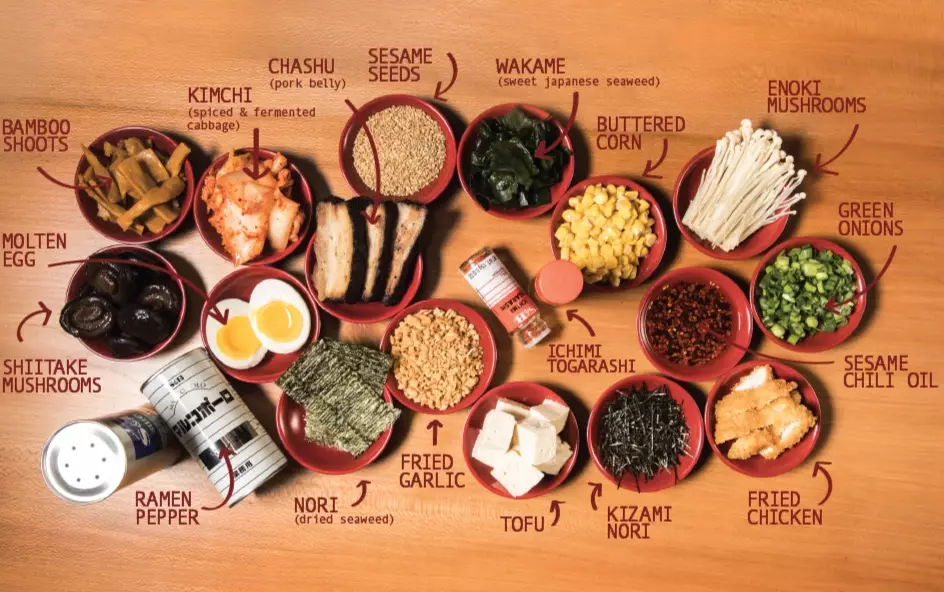 The world of ramen toppings is vast, but it doesn't have to be intimidating. Start with a classic combination to understand the balance. Then, treat your next bowl like a playground. Got some roasted sweet potato? Try it. Leftover roast chicken? Absolutely. The best bowl of ramen is often the one that reflects exactly what you're craving right now.
Remember, the broth and noodles are the stage. Your toppings are the stars you choose to put on it. Now go build your masterpiece.
Reader Comments