Quick Guide
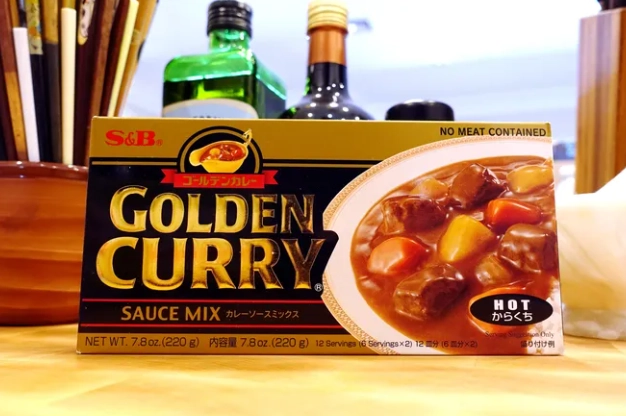
Let's be honest. The first time you saw that bright yellow box of S&B Golden Curry on an international grocery store shelf, you probably had questions. Is it Japanese curry from a box... actually good? How is it different from Thai or Indian curry? And most importantly, can someone who burns toast manage to make something edible with it?
I had the exact same thoughts. My first encounter was in a cramped Asian market aisle, feeling utterly lost. I bought it out of curiosity, followed the basic instructions on the back, and had one of those rare "wait, I made this?" moments. It was rich, savory, deeply comforting, and nothing like the powdered curry from my childhood. That little yellow box became a gateway.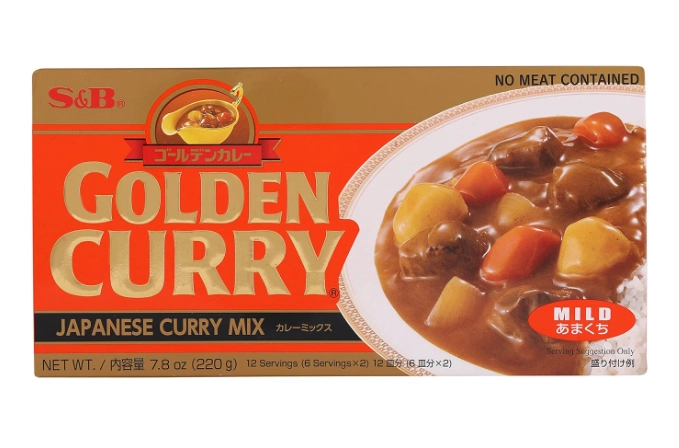
This isn't just another recipe post. Think of this as your all-access backstage pass to the world of Japanese curry, with Golden Curry as our star. We're going to dig into what makes it tick, why it's so beloved, and how you can move from simply following the box to truly making it your own. Whether you're a complete newbie or someone who's gone through a few boxes already, there's something here for you.
So, What Exactly Is S&B Golden Curry? It's Not Just a Spice Mix.
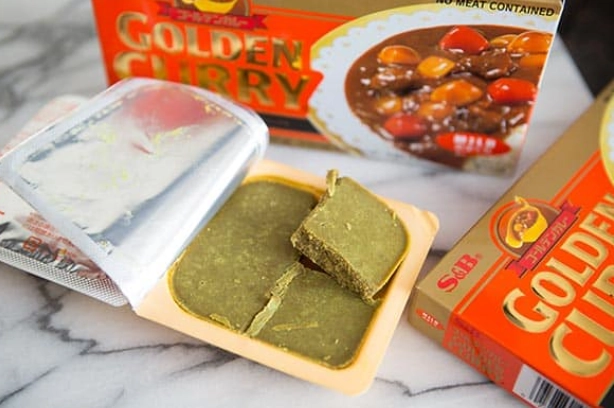
This is the core of it all. Understanding what you're working with is half the battle. Golden Curry is a curry roux. That's a key term. Unlike Indian curry which often builds flavor by frying individual spices, or Thai curry that uses a wet paste, a roux is a pre-cooked, solidified block of flavor.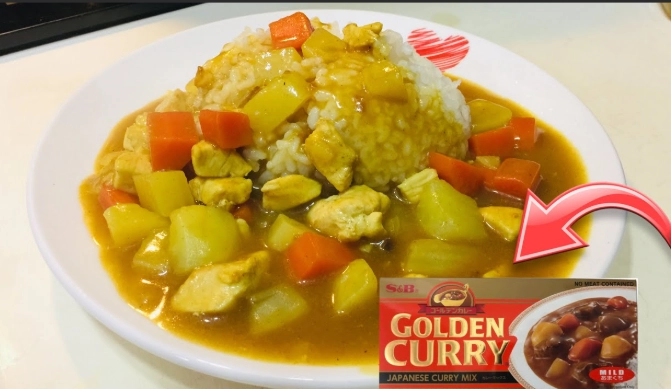
Imagine someone took flour and butter, cooked it until it was a base, then loaded it up with a meticulously balanced blend of spices like turmeric, coriander, cumin, fenugreek, and others (the exact blend is a closely guarded secret!), plus seasonings, oils, and flavor enhancers. Then they let it harden into convenient squares. That's your Golden Curry roux block. Your job isn't to build flavor from scratch, but to dissolve and incorporate this powerhouse of pre-made flavor into your stew.
It's genius, really. It standardizes the most complex part of the process, guaranteeing a consistent, familiar taste that millions of Japanese people grew up with. The S&B Foods company actually pioneered this format in the 1950s, revolutionizing home cooking in Japan. They turned a once-time-consuming dish into a feasible weeknight meal. You can read about their long history on their official site—it's a fascinating bit of food industry history.
Fun Fact: The "Golden" in the name isn't just about the color of turmeric. It was marketed as a "golden" opportunity for families to enjoy a delicious, nutritious meal easily. The marketing worked—it's arguably the most recognized curry roux brand in the world.
The Golden Curry Lineup: Mild, Medium Hot, Hot, and Extra Hot
This is where people often grab the wrong box. The spiciness levels aren't about adding more chili heat in a linear way; they adjust the entire spice profile. Here’s the breakdown from my own, somewhat subjective, taste-testing over the years:
| Spice Level | Who It's For | Flavor Profile & My Take | Best Paired With |
|---|---|---|---|
| Mild | Kids, spice-averse adults, first-timers. | Very sweet, mellow, heavy on the fruit and honey notes. Honestly, I find it a bit one-dimensional and too sweet for my taste if used alone. It lacks the savory depth I crave. | Sweet potatoes, apples, pork cutlets (katsu). |
| Medium Hot | The Sweet Spot for Most. The best seller for a reason. | Perfect balance. The sweetness is tempered by a noticeable, but gentle, warmth and a more robust savory backbone. This is the one I recommend people start with 90% of the time. | Classic beef/pork/chicken, carrots, potatoes, onions. |
| Hot | Those who like a kick but not pain. | The savory, spiced elements really shine here. The sweetness is a background player. The heat is present and builds slightly, but it's more about complexity than burn. My personal go-to. | Beef, lamb, mushrooms, a dash of black coffee for depth. |
| Extra Hot | Heat seekers. It means what it says. | This one brings significant chili heat. It overshadows some of the subtle spice nuances for me, but if you want your Japanese curry to have a real punch, this is your box. | Lean meats, extra onions to balance, a cooling side like cucumber salad. |
See? It's not just about Scoville units.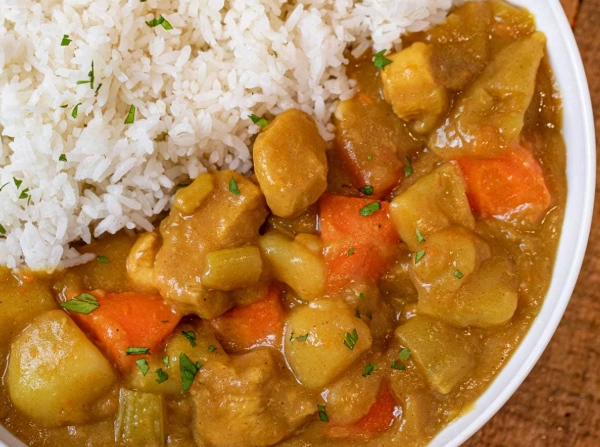
A pro tip I picked up from a chef friend in Osaka? Mix boxes. Don't be afraid to combine half a pack of Mild with half a pack of Hot. You get the rounded sweetness and the savory depth without extreme heat. It's a game-changer for customizing your perfect Golden Curry bowl.
Your Foolproof, No-Stress Golden Curry Cooking Method
The box instructions are fine. They work. But they're the bare minimum. Let's walk through the method that will give you truly great results, explaining the "why" behind each step. I promise it's still easy.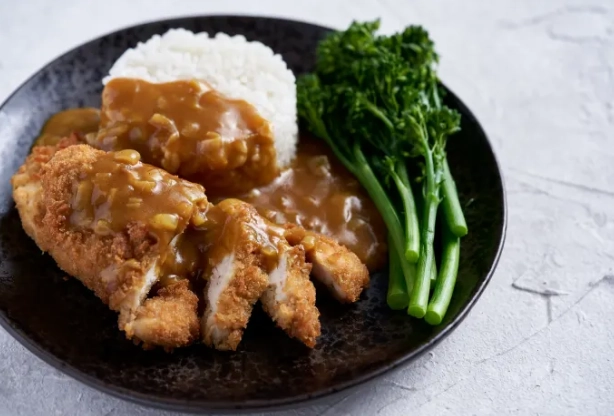
You need onions, carrots, and potatoes. This is non-negotiable for a classic curry. But how you treat them matters.
Onions: Don't just chop and throw them in. Slice them thinly and sauté them low and slow until they're deeply golden brown and sweet—this can take 15-20 minutes. This caramelization is single-handedly the biggest flavor upgrade you can make. It adds a profound sweetness and umami that the roux alone doesn't provide.
Carrots & Potatoes: Cut them into hearty, bite-sized chunks. If you cut them too small, they'll disintegrate into the sauce. You want them to hold their shape and provide texture.
Add your protein (chicken thighs, beef stew meat, pork shoulder—all great) to the caramelized onions and brown it. Then, add water. The box says 4 cups (for 1 box of roux). I use 3.5 cups. Why? A slightly thicker sauce clings to the rice better. You can always add a splash more water later if it's too thick, but you can't easily take it out.
Bring it to a simmer, skim off any gray foam that rises (this makes for a cleaner-tasting sauce), then let it cook until your meat and carrots are tender. Potatoes go in about 10 minutes before the end so they don't turn to mush.
Turn off the heat. This is crucial. Break the Golden Curry roux blocks into small pieces and whisk them into the hot broth until fully dissolved. If you add the roux while boiling, the sauce can become grainy or separate.
Once the roux is melted in, return it to the lowest possible heat and let it simmer gently for 5-10 minutes. This allows the flavors to marry and the sauce to thicken to its final, glorious consistency. This is also the time for secret ingredients: a tablespoon of tonkatsu sauce, a teaspoon of soy sauce, a small grating of apple or a spoonful of fruit jam, or even a square of dark chocolate. These don't change the core flavor; they just add a layer of complexity that makes people ask, "What did you put in this?"
Pro Storage Tip: Japanese curry always tastes better the next day. The flavors deepen and mellow. Make a big pot, let it cool, and store it in the fridge. Reheat it gently with a splash of water. It's a meal prep dream.
Leveling Up: How to Make Your Golden Curry Truly Shine
Okay, you've mastered the basic pot. Now let's get creative. The beauty of the Golden Curry roux is that it's a fantastic base you can build upon.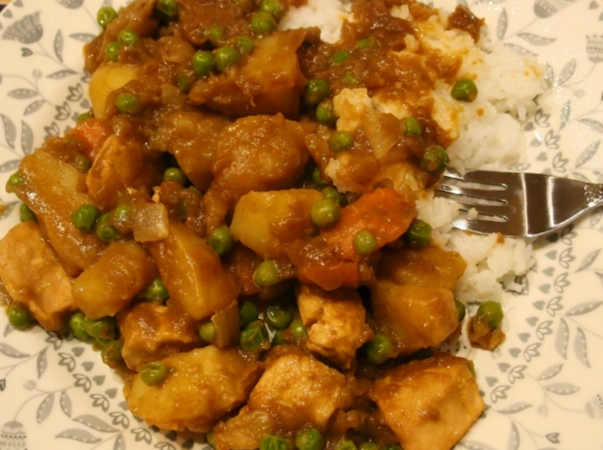
The Flavor Boosters (My Favorite Hacks)
- Coffee or Red Wine: Swap out 1/2 cup of the water for strong brewed coffee or a dry red wine. It doesn't taste like coffee/wine; it adds a rich, roasted depth that cuts the sweetness beautifully. This is my #1 hack for beef curry.
- Umami Bombs: Add a tablespoon of tomato paste when sautéing the onions, or stir in a tablespoon of miso paste when you add the roux. Anchovy paste? Sounds weird, works wonders (just a teaspoon).
- Dairy for Creaminess: A splash of milk or cream, or a dollop of plain yogurt stirred in at the very end, adds a lovely velvety texture and rounds out the spices. It's a common restaurant trick.
- Extra Spices: Toast a teaspoon of garam masala or add a pinch of smoked paprika to the onions. It complements the roux's own spice blend without fighting it.
Beyond the Classic Stew: Other Ways to Use the Roux
The roux blocks are versatile. Grate a small amount over fried rice as you cook it for instant curry flavor. Make a quick sauce for noodles by dissolving a square in a bit of hot dashi or broth. Use it as a seasoning rub for roasted potatoes or cauliflower before they go in the oven. Once you start thinking of it as a concentrated flavor paste, the possibilities open up.
Common Pitfall Alert: Don't overload your curry with too many ingredients. The classic combo works because the flavors are clean. Adding broccoli, bell peppers, peas, corn, and green beans all at once turns it into a murky vegetable stew where no flavor stands out. Stick to a core set of 2-3 veggies plus your protein.
Golden Curry FAQ: Answering Your Real Questions
The Final Simmer: Why This Humble Box Deserves a Spot in Your Pantry
In a world of complicated recipes and niche ingredients, S&B Golden Curry is a beautiful anomaly. It delivers a complex, satisfying, and deeply comforting flavor with minimal effort and maximum reliability. It's the culinary equivalent of a warm hug on a stressful day.
It democratized a beloved dish, and that's something special. Whether you stick religiously to the classic recipe or start experimenting with coffee and chocolate, that little yellow box is a gateway to creating something truly delicious and sharing a bit of everyday Japanese food culture.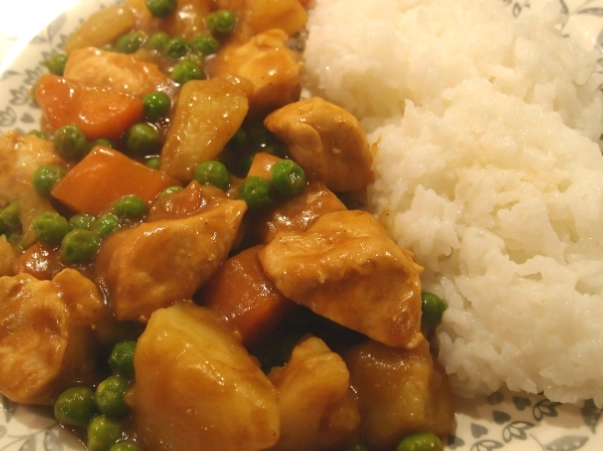
So, go grab a box. Caramelize those onions. Take your time. And get ready for one of the coziest, most rewarding meals you can make with a single pot and a bit of patience. Your future self, especially on a busy Wednesday night, will thank you.
Reader Comments