I ruined my first batch of homemade gyoza. Not the dumplings themselves—they were fine, if a little lopsided. It was the sauce. I dumped equal parts soy sauce and vinegar into a bowl, thinking that was the trick. The result was a mouth-puckering, salty assault that completely buried the delicate pork and cabbage flavors I'd worked so hard to create. It was a humbling lesson: the sauce isn't just a sidekick; it's the conductor of the entire meal.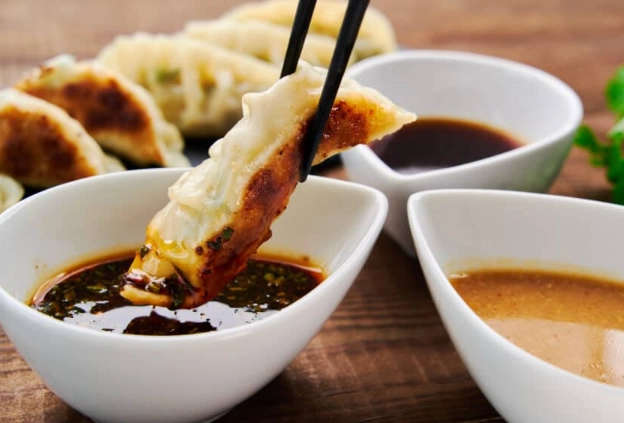
The good news? Mastering a stellar gyoza dipping sauce is simpler than folding a perfect pleat. It's about understanding a balance, not memorizing a rigid formula. This guide will walk you through that balance, from the non-negotiable base to the expert tweaks that make it yours.
What You'll Find in This Guide
- The Simple Philosophy Behind a Great Sauce
- The Four Core Ingredients (And Why They Matter)
- How to Make the Ultimate Gyoza Dipping Sauce (Step-by-Step)
- 3 Common Mistakes Everyone Makes (And How to Avoid Them)
- Beyond the Basics: Regional Twists & Flavor Variations
- What to Serve With Your Sauce (It's Not Just Gyoza)
- Your Gyoza Sauce Questions, Answered
The Simple Philosophy Behind a Great Sauce
Think of the ideal gyoza sauce as a flavor bridge. Its job is to connect the rich, savory, sometimes fatty filling of the dumpling to your palate without overpowering it. It should provide contrast (acid, a touch of heat), complement (umami, aroma), and cleansing (the liquid helps refresh your mouth between bites).
Most recipes get this wrong by being one-dimensional. Too much soy sauce and you're just adding salt. Too much vinegar and it becomes a salad dressing. The magic is in the 1:1 ratio of soy sauce to vinegar as a starting point, with the other elements working to round out and personalize that core.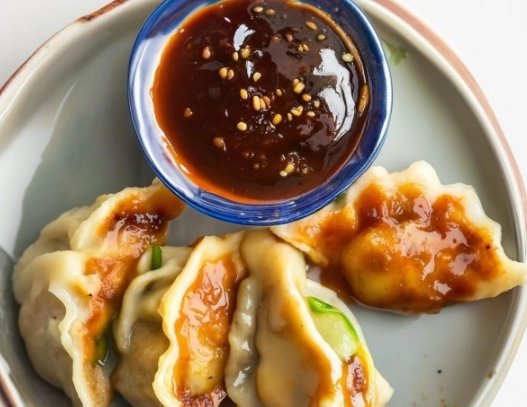
The Four Core Ingredients (And Why They Matter)
Let's break down the team. Each player has a specific role.
Soy Sauce: The Umami Anchor
This is your foundation. Don't just grab the first bottle you see. A good, naturally brewed Japanese soy sauce (shoyu) like Kikkoman or Yamasa makes a world of difference compared to overly harsh or sweet generic brands. It provides deep, complex saltiness and that essential savory umami. For a gluten-free version, tamari is a perfect 1:1 substitute, often with a richer, slightly milder flavor.
Vinegar: The Bright Counterpoint
This is where personal preference shines. The classic choice is unseasoned rice vinegar—it's mild, slightly sweet, and clean. For a deeper, more aromatic complexity, many chefs (and myself) prefer Chinese black vinegar (Chinkiang vinegar). It has malty, almost smoky notes. I keep both in my pantry.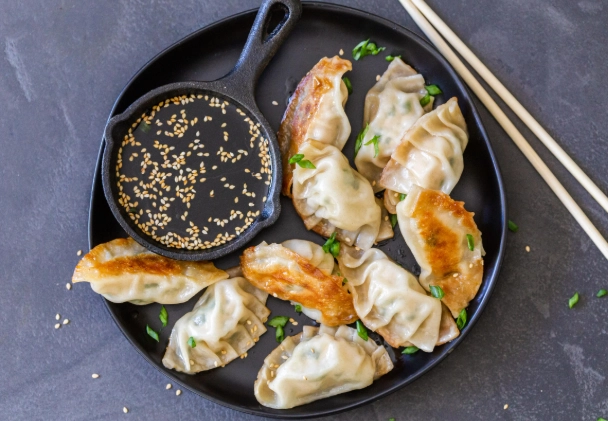
Quick Tip: Never use "seasoned" rice vinegar. It already contains sugar and salt, which will throw your careful balancing act completely off.
Toasted Sesame Oil: The Aromatic Finisher
A few drops are all you need. This isn't a main ingredient; it's a fragrance. It adds a nutty, warm aroma that ties everything together. The key word is toasted. Regular sesame oil is bland in comparison. Add it last, and don't cook it.
Rayu (Chili Oil) or Fresh Chili: The Optional Spark
Heat is customizable. A drizzle of rayu (Japanese chili oil with crunchy bits) adds both spice and texture. Alternatively, a finely sliced fresh red chili or a pinch of chili flakes works. Start small—you can always add more.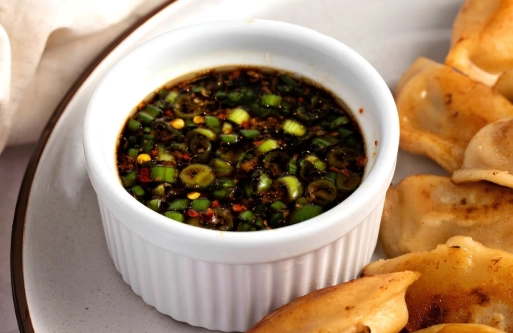
How to Make the Ultimate Gyoza Dipping Sauce (Step-by-Step)
Here is my go-to, endlessly adaptable recipe. It takes 2 minutes.
The Basic, Foolproof Ratio:
- 2 tablespoons Japanese soy sauce
- 2 tablespoons unseasoned rice vinegar (or 1 tbsp rice + 1 tbsp black vinegar)
- 1/2 teaspoon toasted sesame oil
- 1/4 teaspoon rayu or a few thin slices of fresh red chili (optional)
Optional Enhancers: A tiny pinch of sugar (to soften sharp edges), a sliver of finely grated ginger, a minced garlic clove, or a sprinkle of toasted white sesame seeds.
The Method:
- In a small bowl or, better yet, a small jar with a lid, combine the soy sauce and vinegar.
- If using sugar, ginger, or garlic, add it now and stir or shake until dissolved.
- Add the toasted sesame oil and chili element (rayu or fresh chili).
- Stir gently or give the jar a few shakes. Taste immediately, but know the flavors will meld and improve if you let it sit for 15-20 minutes.
That's it. Seriously. The "work" is in the tasting and adjusting.
3 Common Mistakes Everyone Makes (And How to Avoid Them)
I've made these so you don't have to.
- Mistake 1: Using low-quality or the wrong type of soy sauce. This is the backbone. A harsh, chemical-tasting soy sauce ruins everything. Invest in a decent bottle of Japanese shoyu.
- Mistake 2: Adding the sesame oil too early or too much. Its flavor is volatile. Stir it in at the end. And treat it like a perfume—half a teaspoon is usually plenty for a small batch.
- Mistake 3: Not tasting and adjusting. Your palate is different from mine. Is it too sharp? Add a tiny pinch of sugar. Too salty? A splash of water or a bit more vinegar. Too flat? A dash more soy sauce. Make it yours.
Beyond the Basics: Regional Twists & Flavor Variations
The base recipe is your canvas. Here’s how different styles play with it.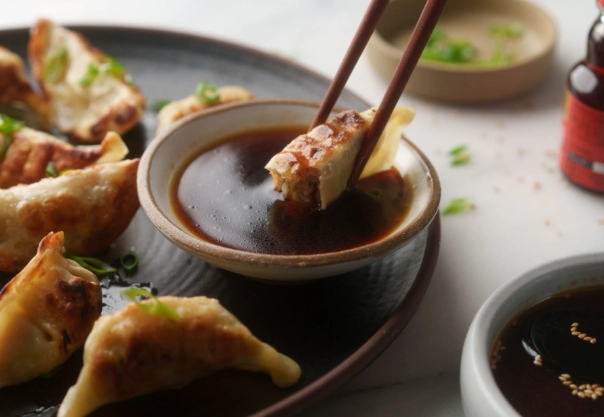
| Style / Variation | Key Adjustment | Best Paired With |
|---|---|---|
| Classic Japanese (Kanto-style) | Strict 1:1 ratio of soy sauce to rice vinegar. Clean and bright. | Pork gyoza, vegetable gyoza. |
| Rich & Aromatic | Use all Chinese black vinegar or a 50/50 mix with rice vinegar. Add a few drops of sesame oil. | Pan-fried (potsticker) gyoza, beef dumplings. |
| Sweet & Tangy (Yakitori-inspired) | Add 1/2 tsp of honey or mirin to the base. Great for cutting through fat. | Chicken gyoza, deep-fried wontons. |
| Allium-Powered | Add a tablespoon of very finely sliced scallions (green onions) or a teaspoon of grated ginger. | Any gyoza, but especially seafood fillings. |
What to Serve With Your Sauce (It's Not Just Gyoza)
This sauce is a kitchen workhorse. Once you have a jar in the fridge, you'll find excuses to use it.
- Cold Noodle Salads: Toss it with somen or soba noodles, shredded cucumber, and chicken.
- Steamed Vegetables: Drizzle over broccoli, green beans, or bok choy.
- Protein Dip: Excellent with grilled tofu, chicken satay, or shrimp.
- Other Dumplings: Works wonders with shumai, potstickers, or even steamed bao buns.
I often double or triple the batch. It keeps for about two weeks, refrigerated.
Your Gyoza Sauce Questions, Answered
The best part about this whole process? It's forgiving. Unlike baking, there's no precision required, just intention. Start with the 1:1 ratio, taste fearlessly, and adjust until it makes your dumplings sing. Before long, you'll be whipping up your signature sauce without a second thought—and the packet that comes with the frozen gyoza will forever gather dust in your drawer.
Reader Comments