In This Guide
If you've ever stared at a sushi menu or the fish counter and wondered, "What does buri fish taste like?" you're in the right place. That question has popped into my head more times than I can count, especially before trying something new. Let's cut straight to the chase and then dive into the delicious details.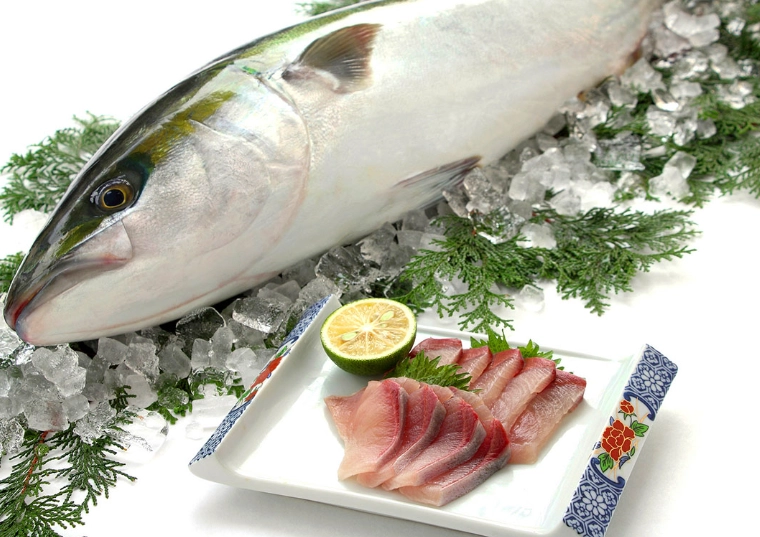
So, what does buri taste like? In its most prized form—served raw as sashimi or sushi—buri (also widely known as hamachi or Japanese yellowtail) offers a rich, distinctly buttery flavor with a clean, mild sweetness. It's not fishy at all. The texture is firm yet incredibly tender, with a satisfying, almost meaty bite that melts as you chew. It's this luxurious combination that makes it a superstar in Japanese cuisine.
But here's the thing that most quick answers miss: the taste of buri isn't a single note. It's a whole symphony that changes dramatically depending on the fish's age, how it's prepared, and even the time of year you eat it. Calling it simply "buttery" is like describing wine as just "grapey"—it's true, but it doesn't begin to cover the depth.
I remember the first time I had truly exceptional buri sashimi at a tiny counter in Tokyo. The chef, with a proud smile, simply said "Buri, today very good." He was right. It was unlike any yellowtail I'd had before—deeper, more complex, with a lingering umami that made me pause. That experience sent me down a rabbit hole trying to understand why. This guide is the result of that curiosity, conversations with chefs, and yes, eating a lot of fish.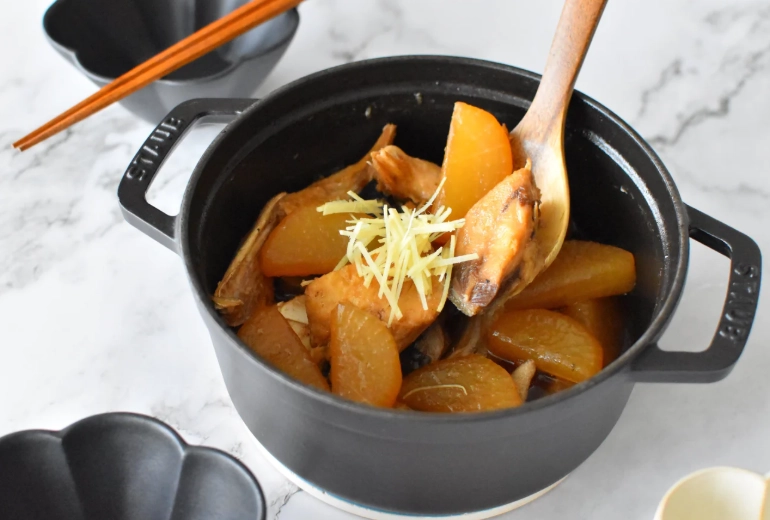
The Flavor and Texture of Buri: A Deep Dive
Let's unpack that initial "rich and buttery" description. When people ask "What does buri fish taste like?" they're usually imagining the raw version. That's where its character shines brightest.
The Core Flavor Profile
The primary flavor notes of fresh, raw buri are:
- Buttery Richness: This is the headline act. It comes from the fish's high fat content, especially in winter when buri fatten up for the cold. This isn't a greasy fat, but a luxurious, coating fat that carries flavor.
- Mild Sweetness: A clean, subtle sweetness sits underneath the richness. It's not sugary, but more like the natural sweetness found in very fresh scallops or crab.
- Clean, Oceanic Umami: This is the savory "fifth taste." It's that mouthwatering, deeply satisfying quality that makes you go back for another piece. It's pronounced but never aggressive.
- Remarkable Lack of Fishiness: A high-quality, fresh buri should have zero "fishy" odor or taste. Any strong fish smell is a red flag for age or poor handling.
The Texture: More Than Just Firm
Texture is half the experience, and buri's is iconic.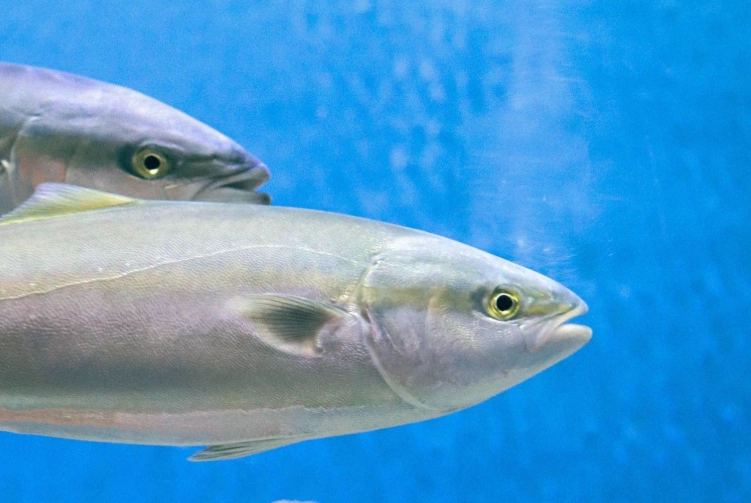
It has a substantial, meaty firmness when you first bite into it—you know you're eating something substantive. But then, almost magically, it yields and begins to melt on your tongue. It's never rubbery, chewy, or flaky like some white fish. This unique texture is why it stands up so well to being sliced for sashimi; it holds its shape beautifully but dissolves pleasurably.
Some people compare it to a firmer version of high-grade tuna (toro), but with its own personality. I find buri has a more distinct "bite" before the melt.
How Age and Size Change Everything
This is the secret most generic guides don't tell you. In Japan, the name "buri" changes based on the fish's age and size, and so does its flavor. This naming system, called "shusse uo," reflects its growing prestige.
| Japanese Name | Approx. Size/Age | Flavor & Texture Profile | Best For |
|---|---|---|---|
| Wakashi / Inada | Young, under 35cm | Lighter, milder flavor. Less fat, so leaner and a bit more chewy. A clean, straightforward taste. | Grilling (shioyaki), smaller sushi pieces. |
| Hamachi | Medium, 35-60cm | The sweet spot for many. Good fat content developing, leading to that classic rich, buttery flavor and tender-firm texture. Balanced. | This is the stage most often served as "hamachi" in sushi restaurants worldwide. Ideal for sashimi and nigiri. |
| Buri | Adult, over 60cm (Winter) | The pinnacle. Maximum fat content, especially in winter. Intensely rich, deeply flavorful, supremely tender. The most complex and prized version. | Premium sashimi, luxury dining. The answer to "what does buri fish taste like" at its absolute best. |
So when you see "hamachi" on a menu, it often refers to the medium-sized fish prized for sushi. "Buri" typically denotes the larger, mature, winter-caught fish. This isn't always strict outside Japan, but knowing the difference explains why two experiences labeled "yellowtail" can taste so distinct. The Japanese Fisheries Agency provides resources on these traditional naming conventions, highlighting their cultural significance.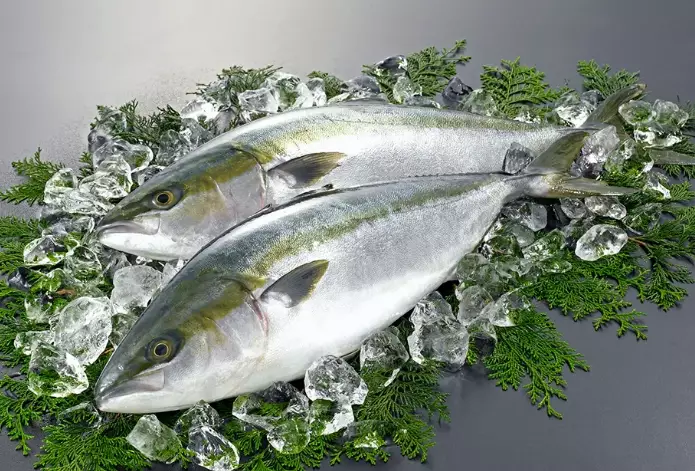
Buri in Sushi and Sashimi: The Raw Truth
This is where most people's curiosity about buri fish taste begins. At a sushi bar, it's a revelation.
The chef's skill matters immensely. A perfect slice, cut across the grain, maximizes tenderness. It's often served with just a dab of nikiri (a sweetened soy glaze) or a touch of grated ginger and scallion to complement, not mask, its flavor. The rice in nigiri should be slightly warm, creating a fantastic contrast with the cool, rich fish.
What does buri taste like as nigiri? The experience is layered. First, you get the warmth and slight vinegar tang of the rice. Then, the cool, silky fish hits. The fat coats your palate, the umami spreads, and the clean finish makes you ready for the next piece. It's incredibly moreish.
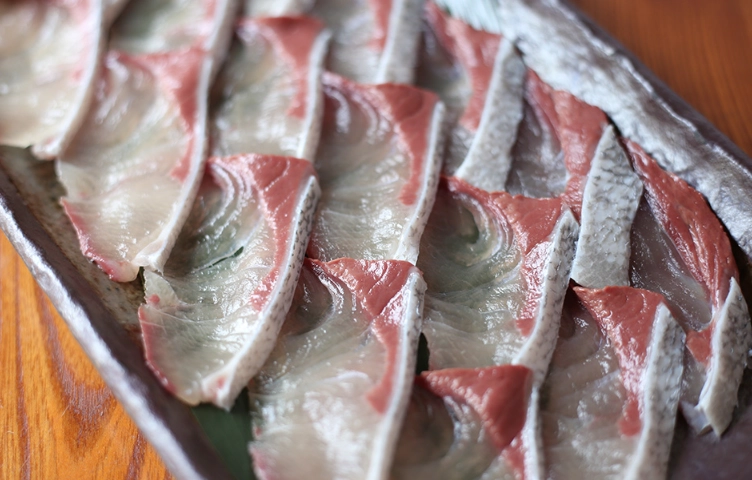
As sashimi, without rice, you get the pure, unadulterated flavor. This is the best way to truly judge its quality. Pay attention to the sheen on the slice—it should glisten with fat, not look dry.
I've had mediocre hamachi before—slices that were bland and a bit stringy. It happens. It taught me that the fish's diet (often farmed fish are fed to produce consistent fat) and handling post-catch are everything. The best stuff has a vibrancy that mediocre versions completely lack.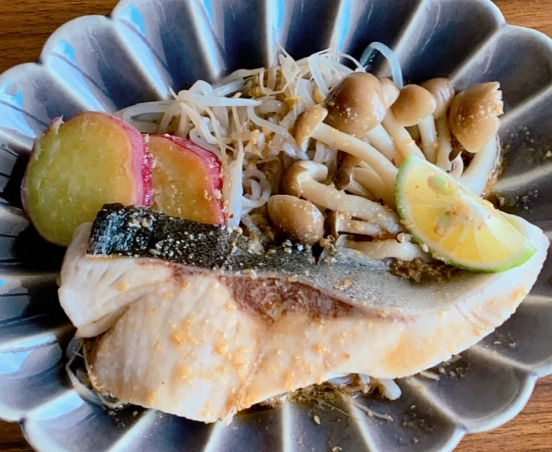
How Cooking Transforms the Taste of Buri
While sublime raw, buri is also a versatile cooked fish. Heat changes its character completely, answering the question "what does buri taste like?" in a whole new way.
- Grilled or Broiled (Shioyaki): This is a classic preparation. Salted and grilled over high heat, the skin becomes crispy and delicious, while the high heat renders some fat. The flavor concentrates, becoming more savory and nutty. The richness remains but feels warmer, smokier. The texture firms up more but stays moist inside. It's fantastic with a squeeze of sudachi or lemon.
- Simmered (Nitsuke): Braised in a mix of soy sauce, mirin, sake, and sugar, buri becomes something else entirely. The flesh soaks up the sweet-salty sauce, becoming incredibly tender and flaky. The inherent richness balances the strong flavors. It's a homey, comforting dish where the fish's flavor mingles with the broth.
- Fried (Karaage): Bite-sized pieces, marinated and deep-fried. The exterior is shatteringly crisp, the interior stays juicy and rich. It's a popular pub food (izakaya) in Japan. The frying adds a whole new dimension of texture and flavor, making it incredibly approachable.
- Sauteed or Pan-Seared: A simple cook in a hot pan with oil. You get a beautiful crust, and the quick cook preserves moisture. The taste is pure, highlighting the fish's natural oils with a toasted note from the sear.
One of my favorite winter dishes is buri daikon—simmered yellowtail with radish. The daikon absorbs the fish's fats and the braising liquid, becoming unbelievably sweet and savory. The fish itself almost falls apart. It's the ultimate comfort food on a cold day and shows how buri can be the heart of a hearty meal, not just a delicate raw bite.
Your Buri Taste Questions, Answered
Buying and Enjoying Buri: A Practical Guide
So you want to try it for yourself. Here's what to look for.
At a sushi restaurant, ordering "hamachi" or "yellowtail" will usually get you the medium-grade, rich fish perfect for nigiri or sashimi. If you see "buri" on a seasonal menu, especially in winter, jump on it—it's likely the premium, mature version.
Buying it to cook? Look for fillets with a glossy, translucent sheen. The flesh should look moist and have a consistent pinkish-beige color. Avoid any fillets that look dry, dull, or have any grayish discoloration. Smell it—it should smell fresh and clean, like the ocean, not fishy. If you're buying a whole fish, clear eyes and bright red gills are good signs.
For cooking at home, start simple. Try pan-searing a fillet with just salt and pepper, finishing with lemon and a drizzle of good olive oil. Let the ingredient speak for itself. Or, if you're feeling adventurous, look up a recipe for "buri daikon" or "buri teriyaki."
At the end of the day, describing what buri fish tastes like is helpful, but it's no substitute for the real thing. It's one of those foods that has to be experienced. Its luxurious texture and clean, rich flavor have made it a cornerstone of Japanese cuisine for a reason. Whether you encounter it as a delicate slice of sashimi, a hearty grilled fillet, or a piece of crispy karaage, you're in for a treat. Just remember to seek out quality, and pay attention to the season. Your taste buds will thank you.
Now, the next time someone asks you, "Hey, what does buri taste like?" you can give them the full story—from the buttery first bite of winter sashimi to the savory comfort of a simmered winter stew. It's all part of the journey.
Reader Comments