You've probably had it. That golden-brown, impossibly juicy piece of Japanese fried chicken at an izakaya, a festival stall, or even a convenience store in Tokyo. It looks simple, right? Chicken, batter, fry. But the first time I tried to make karaage chicken at home, it was a disaster. Soggy coating, bland meat, grease everywhere. It tasted nothing like the one I had in Shinjuku. That failure sent me down a rabbit hole—talking to chefs in Japan, testing dozens of recipes, and even messing up a few more batches. What I learned is that karaage is a deceptively simple dish with a few non-negotiable rules. Get them right, and you'll have the most crave-worthy fried chicken of your life.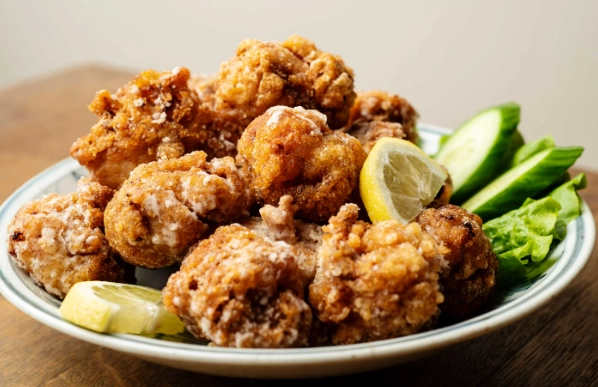
What's in This Guide?
What Exactly Is Karaage Chicken?
Let's clear something up first. Karaage (唐揚げ) is a Japanese cooking technique where ingredients are lightly coated in flour or starch and deep-fried. It can be applied to fish or vegetables, but when we say "karaage," we almost always mean chicken—tori no karaage. It's not tempura (that's a lace-thin batter). It's not Southern fried chicken (that's a thick, seasoned crust). Karaage sits in a beautiful middle ground. The chicken is marinated in a savory-sweet blend of soy sauce, sake, and ginger, coated lightly in potato starch (or sometimes wheat flour), then fried until it's shatteringly crisp on the outside and bursting with juice inside.
The magic is in the marinade. It's a quick brine that seasons the meat all the way through. Many Western recipes skip this or make it too simple. The ginger and garlic aren't just for flavor; their enzymes help tenderize the chicken. The sake (or mirin) adds a subtle sweetness and helps eliminate any gamey odors. According to resources from Japan's Ministry of Agriculture, Forestry and Fisheries, this use of sake and soy is a foundational element of Japanese home cooking, or washoku.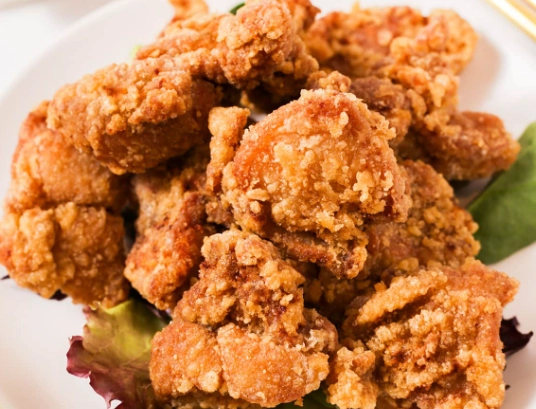
Quick Fact: The term "karaage" is believed to have roots in the Chinese cooking method "chǎo" (stir-fry), which was adapted in Japan. Over time, it evolved to mean deep-frying with a light coating. So while it's a staple of Japanese cuisine, its history shows a fascinating culinary exchange.
The 3 Secrets No One Tells You About Perfect Karaage
After ruining enough chicken, I figured out where most home cooks (including me) go wrong. It's rarely the recipe itself. It's these three things.
1. The Potato Starch Gambit
Everyone says to use potato starch (katakuriko). It creates a lighter, crisper, and more delicate crust than wheat flour. But here's the secret they don't mention: you must let the coated chicken sit for 5-10 minutes before frying. This "resting" period allows the starch to fully hydrate from the marinade's moisture. It forms a better seal and results in those iconic, craggy, ultra-crisp bubbles. If you fry immediately, the coating can slide right off.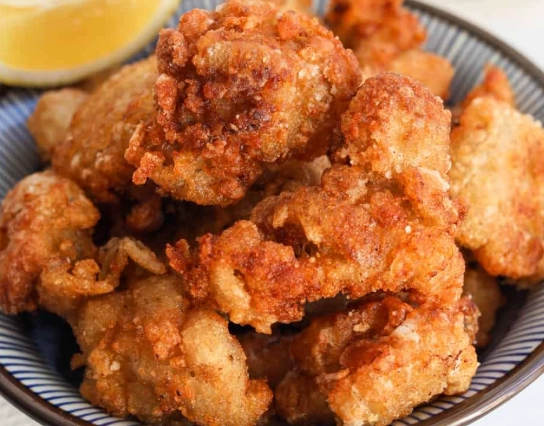
2. The Double-Fry Fallacy
Many recipes preach the gospel of double-frying for extra crispiness (a technique common in Korean fried chicken). For classic karaage, I find it's overkill and often dries out the smaller pieces. The real pro move is controlling your oil temperature in a single, perfect fry. Start at 340°F (170°C) to cook the chicken through without burning the coating. Then, as the batch finishes, you can briefly crank the heat to 375°F (190°C) for a final 30-second blast to extra-crisp the exterior. It's more about temperature management than two separate dunks.
3. The Cut That Makes a Difference
Thighs are king. They have more fat and connective tissue, which means they stay juicy and forgiving even if you slightly overcook them. Breast meat can work, but it's a high-wire act—dryness is one mistake away. But the cut size matters more than you think. Cut into 1.5-inch (4cm) bite-sized pieces. Too big, and the inside won't cook before the outside gets too dark. Too small, and you're just eating fried coating. The ideal piece should be a one- or two-bite wonder.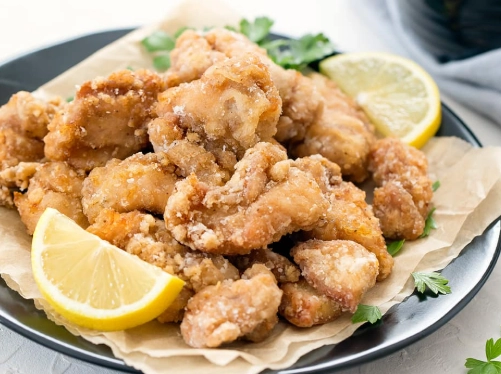
How to Make Karaage Chicken: A Step-by-Step Guide
Let's get practical. Here's my battle-tested method, honed from a decade of trial and error.
Ingredients (Serves 4):
- 1.5 lbs (700g) boneless, skin-on chicken thighs (the skin is non-negotiable for flavor and texture)
- 2 tbsp soy sauce (use a standard Japanese soy sauce like Kikkoman)
- 2 tbsp sake (drinking sake is fine; mirin adds more sweetness if you prefer)
- 1 tbsp grated ginger (fresh, please. The juice is key)
- 2 cloves garlic, grated
- 1/2 tsp salt
- A pinch of black pepper
- 1 cup potato starch (katakuriko) for coating
- Neutral oil for frying (canola, peanut, or rice bran oil)
- Lemon wedges and shredded cabbage for serving
The Process:
- Marinate. Cut the chicken into chunks. Mix everything except the starch and oil in a bowl. Massage it into the chicken. Cover and refrigerate. 30 minutes is okay. 4 hours is good. Overnight is transformative. This is the single biggest flavor lever you can pull.
- Coat. Drain any excess marinade from the chicken (but don't pat it bone-dry). Put the potato starch in a tray or bag. Dredge each piece thoroughly, pressing the starch on. Shake off the excess. This is crucial: let them sit on a wire rack for 5-10 minutes. You'll see the coating turn from pure white to a slightly grey, patchy look. That's what you want.
- Fry. Heat 2 inches of oil in a heavy pot (I use a Dutch oven) to 340°F (170°C). Use a thermometer. Fry in small batches—don't crowd the pot. Fry for about 3-4 minutes, turning occasionally, until golden and cooked through. For the final batch, after removing the chicken, heat the oil to 375°F (190°C) and return all the chicken for a quick 30-45 second fry. This revives the crispiness.
- Drain. Drain on a wire rack, not on paper towels. Paper towels trap steam and make the bottom soggy. A rack keeps air circulating around the entire piece.
- Serve. Immediately, with lemon wedges, a pile of thinly sliced cabbage, and maybe a cold beer. Karaage waits for no one.
Where to Find the Best Karaage Chicken: A Shortlist
To truly understand karaage, you need a benchmark. Here are a few legendary spots in Japan and one standout abroad. This isn't just a list; it's a pilgrimage map for the crispy chicken obsessed.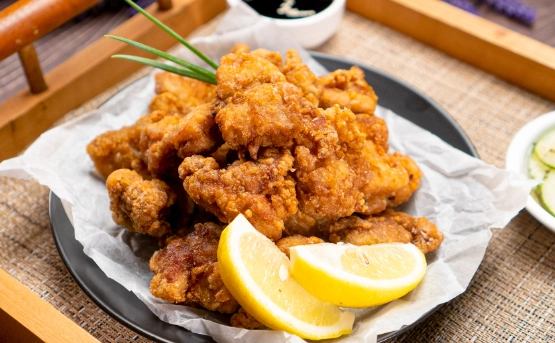
| Shop Name / Location | City | What Makes It Special | Price Range (per order) |
|---|---|---|---|
| Karaage-ya Osho (Multiple locations) | Tokyo (and nationwide) | The McDonald's of karaage, in the best way. Consistent, cheap, and surprisingly excellent. Their classic "Osho Karaage" is juicy and perfectly seasoned. Open late, often near stations. | ¥300 - ¥500 |
| Karaage Shinjuku Horumon Daruma | Tokyo (Shinjuku) | A tiny, standing-only bar in the Omoide Yokocho alley. Their karaage is dark, almost black from a heavy soy marinade, and incredibly savory. Paired with whiskey highballs. | ¥500 - ¥700 |
| Torikizoku (Multiple locations) | Osaka / Nationwide | An izakaya chain where everything is ¥350. Their karaage is a crowd-pleaser—reliable, always hot, and comes with a spicy mayo dip. Great for trying it in its natural izakaya habitat. | ¥350 |
| Karaage Kun (Convenience Stores) | Everywhere | Yes, a convenience store (Lawson) item. Don't scoff. For a pre-packaged, room-temperature snack, it's a minor miracle of food science. The pepper flavor is iconic among travelers. | ¥150 - ¥200 |
| Karaage Setsuko (Pop-up/Online) | New York City | Chef Setsuko Sasaki's omakase-style karaage boxes are an event. She uses organic chicken and meticulous techniques, elevating it to gourmet levels. Orders often sell out instantly. | $25 - $40 |
Visiting these places taught me about regional styles. Tokyo styles can be lighter, while in Osaka, you might find a bolder, sweeter marinade. The convenience store version shows the dish's deep integration into daily life.
Pro Tip: When in a Japanese izakaya, look for "nama karaage" on the menu. It means "fresh fried," as opposed to pre-fried and reheated. It's always worth the wait.
Your Karaage Questions, Answered
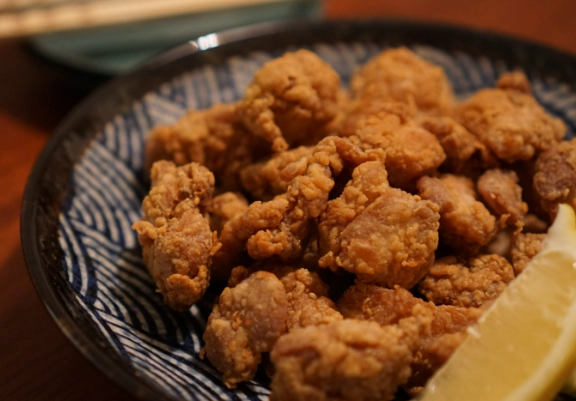
So there you have it. Karaage isn't just another fried chicken recipe. It's a specific technique with a history, a set of rules, and a culture around it. Skip the shortcuts, respect the marinade time, master your oil temperature, and you'll be rewarded. It might take a couple of tries. My first successful batch felt like a minor miracle. Now, it's my most requested dish when friends come over. That's the power of getting it right.
What will you pair it with? Just a lemon wedge? A dab of Japanese mayo? Or maybe a cold, dry lager? That's the beautiful part—once you've got the perfect karaage, the rest is just personal preference. Go make some.
Reader Comments