Quick Navigation
You’re sitting at the sushi bar or staring at a menu packed with colorful photos. There’s one wrapped in bright orange fish eggs, another drizzled with spicy mayo, and a third that looks like it’s covered in thin slices of avocado. You point and think, "What are those sushi rolls called?" I’ve been there. Honestly, it can feel like you need a secret decoder ring just to order dinner.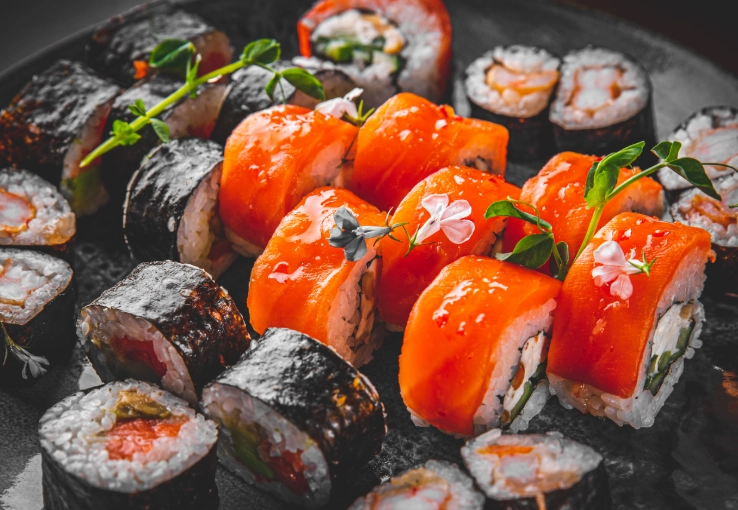
Well, you don’t. Most of those rolls have standard names, and once you learn them, the whole sushi experience gets a lot more fun and less intimidating. This isn’t about becoming a sushi snob—far from it. It’s about having the confidence to know what you’re ordering and maybe even discovering a new favorite.
I remember my first time in a proper sushi restaurant. I just kept pointing at things. The chef was nice, but I felt a bit silly. After working in one for a summer (best job ever for a food lover), the mystery vanished. Let’s make that happen for you.
The Basics: Maki, Uramaki, and the Whole Roll Family
Before we dive into specific names, let’s clear up some terminology. When you ask "what are those sushi rolls called?", you’re usually talking about maki or uramaki.
Maki means "roll." It’s sushi rice and fillings wrapped in a sheet of nori (seaweed). You slice the long roll into bite-sized pieces. Simple.
Uramaki is the "inside-out" roll. This is where things get interesting for Westerners. Here, the rice is on the *outside* of the nori, with the fillings and nori on the inside. This style was actually popularized in the United States (Los Angeles, to be precise) and is the canvas for a lot of the creative, topping-heavy rolls you see. Why? It’s easier to put tasty things like fish roe or sesame seeds on the outside when it’s rice.
Then you have temaki, the hand roll. It’s a cone of nori filled with rice and ingredients, meant to be eaten with your hands like an ice cream cone. Delicious, but a different beast altogether.
So when you’re puzzling over the menu, you’re usually looking at a list of uramaki and maki creations. Now, let’s put names to faces.
The Classic Roll Line-Up (The Must-Knows)
These are the rolls you’ll find on virtually every sushi menu in the Western world. They’re the foundation. Knowing these answers the "what are those sushi rolls called?" question about 80% of the time.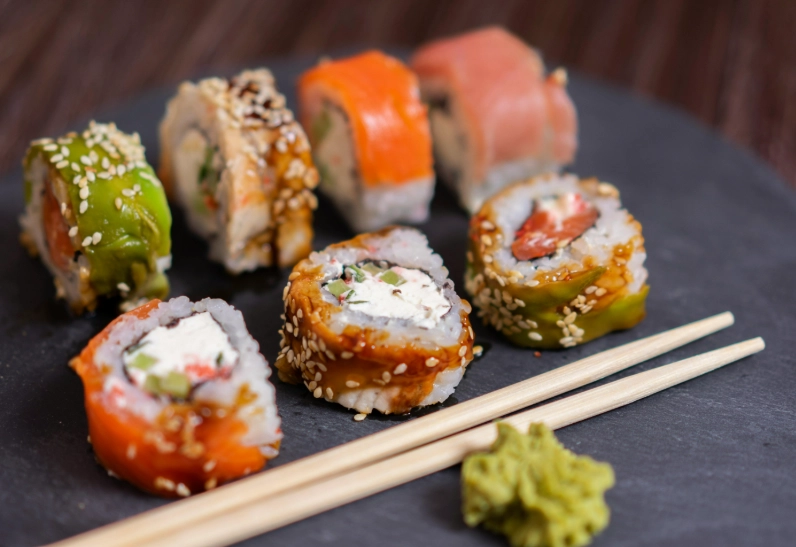
California Roll (Uramaki)
The gateway roll. Invented in… you guessed it, California (likely Los Angeles in the 1960s). It was a genius move to introduce Americans to sushi using familiar ingredients. The classic version is crab stick (imitation crab), avocado, and cucumber, with the rice on the outside often rolled in toasted sesame seeds or tobiko (flying fish roe).
Why it’s everywhere: It contains no raw fish, making it approachable. It’s creamy, crunchy, and slightly sweet. A perfect start.
Spicy Tuna Roll (Uramaki or Maki)
This is a huge favorite. It’s made with chopped raw tuna mixed with a spicy mayo sauce (usually sriracha and mayonnaise). It’s sometimes inside-out, sometimes not. The filling is a vibrant orange-pink and packs a gentle, creamy heat.
My personal take: This is my go-to roll. It’s consistently good, flavorful, and feels substantial. Be aware, the "spicy" mix helps use leaner cuts of tuna, which isn’t a bad thing—it makes it affordable and tasty.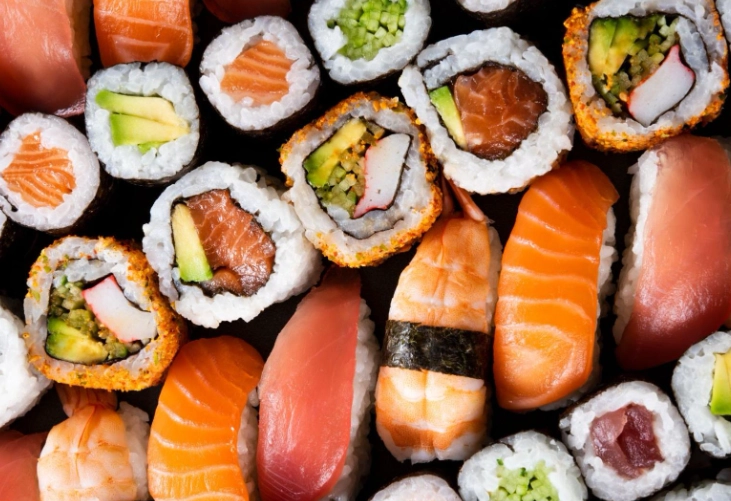
Philadelphia Roll (Uramaki)
No, it doesn’t always have Philly cream cheese, but it often does. The classic combo is smoked salmon, cream cheese, and cucumber. Sometimes avocado. The creamy, salty, smoky flavors are irresistible to many (though purists might scoff).
It’s rich. I find half an order is often enough because that cream cheese is filling. But if you like bagels and lox, you’ll understand the appeal immediately.
Spider Roll (Uramaki)
One of the best-named rolls. It contains a whole soft-shell crab, deep-fried, with lettuce, cucumber, and avocado. The crab’s legs often poke out from the ends of the roll, making it look like a spider. It’s crunchy, savory, and has fantastic texture contrast.
A word of caution: Eat this one quickly if it’s served fresh. The fried crab loses its wonderful crunch if it sits too long under sauce or in a takeout box.
Rainbow Roll (Uramaki)
This one is a visual stunner. It’s usually a California roll (as a base) topped with a thin layer of several different kinds of sashimi—typically tuna, salmon, yellowtail, and sometimes avocado. The multicolored topping arranged in stripes gives it its name. It’s a great way to sample a variety of fish in one roll.
The Modern Showstoppers (The "What IS That?" Rolls)
These rolls are where sushi chefs get creative. They’re often large, sauced, and topped with all sorts of delicious things. They’re the ones that really make you ask, "What are those sushi rolls called?"
Dragon Roll (Uramaki)
A dramatic-looking roll. The base is often shrimp tempura or eel (unagi) and cucumber. The magic is on top: thin slices of avocado are fanned out over the entire roll to look like green dragon scales. It’s frequently drizzled with eel sauce (a sweet, thick soy-based glaze) and may have a "head" and "tail" made of decorations. It’s creamy, crunchy, sweet, and savory all at once.
Caterpillar Roll (Uramaki)
The Dragon Roll’s cousin. Instead of avocado scales, the entire top is covered with a single, continuous layer of sliced avocado, making it look like a green caterpillar. The filling is almost always grilled eel (unagi) and cucumber. Also topped with eel sauce. If you like the rich, sweet flavor of unagi, this is your roll.
Volcano Roll (Uramaki)
This one can vary a lot, but the theme is consistent: it looks like it’s erupting. The roll itself might be a spicy tuna or California roll. The "volcano" is a pile of baked or mixed seafood (like chopped scallops, crab, or more tuna) in a spicy mayo mixture, piled on top of the roll and sometimes briefly broiled. It’s served warm, rich, and very indulgent.
I find these can be hit or miss. When done well, the warm topping is amazing. When done poorly, it’s just a gloopy, heavy mess. Check reviews for the restaurant’s version.
Dynamite Roll (Uramaki)
Similar spirit to the Volcano, but the "dynamite" usually refers to a specific spicy mayo mixture. It often contains yellowtail, shrimp tempura, or other fillings, and is topped with that spicy mix and sometimes tempura flakes for crunch. The name promises a kick, but it’s usually more flavorful than brutally hot.
The Straightforward & Traditional (Maki)
These are the simpler, nori-on-the-outside rolls. They’re often less adorned but highlight clean, direct flavors.
Tekka Maki
This is the classic tuna roll. Just raw tuna and sushi rice wrapped in nori. It’s simple, elegant, and all about the quality of the tuna. If you want to taste the fish itself, this is a great choice.
Kappa Maki
Just cucumber and rice. It’s refreshing, crunchy, and often used as a palate cleanser during a meal. The name comes from a Japanese water spirit (kappa) said to love cucumbers.
Negitoro Maki
A personal favorite of mine. It’s fatty tuna belly (toro) scraped from the bones, mixed with finely chopped green onion (negi), and rolled up. It’s incredibly rich, flavorful, and umami-packed. Not as common everywhere, but a real treat if you see it.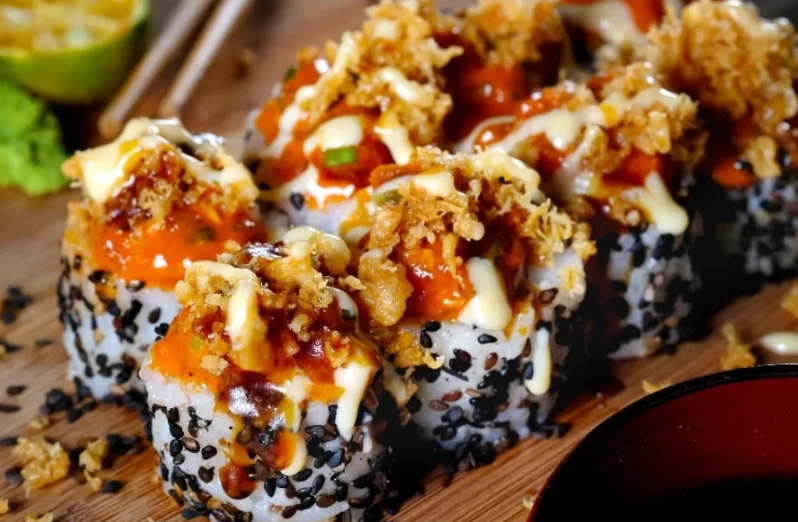
Unagi Maki
Grilled freshwater eel with a sweet glaze, rolled with rice. It’s always cooked, has a soft, almost melt-in-your-mouth texture, and that distinctive sweet-savory sauce. Don’t knock it till you’ve tried it.
A Handy Roll Identifier Table
When you’re in a rush, this might help. Next time you see a beautiful plate go by and wonder, "What are those sushi rolls called?", glance at this cheat sheet.
| What You See | Likely Name | Key Ingredients | Flavor Profile |
|---|---|---|---|
| Orange roe on the outside, pale filling | California Roll | Imitation crab, avocado, cucumber | Sweet, creamy, crunchy |
| Bright pink-orange filling, spicy mayo drizzle | Spicy Tuna Roll | Chopped raw tuna, spicy mayo | Spicy, creamy, savory |
| Whole fried crab legs poking out | Spider Roll | Soft-shell crab, avocado, cucumber, lettuce | Crunchy, savory, briny |
| Perfect avocado "scales" on top | Dragon Roll or Caterpillar Roll | Eel/shrimp tempura, avocado, cucumber, eel sauce | Rich, sweet, creamy, savory |
| A baked, messy, warm seafood pile on top | Volcano Roll | Base roll + baked spicy seafood mix | Rich, warm, creamy, savory |
| Multiple fish stripes on top (tuna, salmon, etc.) | Rainbow Roll | California roll base, assorted sashimi topping | Variety of fresh fish flavors, creamy |
| Simple dark green roll, orange inside | Tekka Maki (Tuna Roll) | Raw tuna, rice | Clean, fresh, all about the tuna |
Answering Your Real Questions (The FAQ Section)
Okay, so you know the names now. But I bet you have more questions. Here are the things people really want to know after they figure out what are those sushi rolls called.
Are fancy American-style rolls "real" sushi?
This is the big debate, isn’t it? From a traditional Japanese perspective, the elaborate uramaki with five sauces and fried toppings are a modern, Western adaptation. But here’s my take: who cares? Food evolves. In Japan itself, you find incredible innovation (as noted by culinary observers). If it’s delicious and made with care, it’s valid. The Japanese Ministry of Agriculture, Forestry and Fisheries even promotes sushi as part of Washoku, a UNESCO intangible cultural heritage, which acknowledges both tradition and the living nature of cuisine. Enjoy what you like without guilt.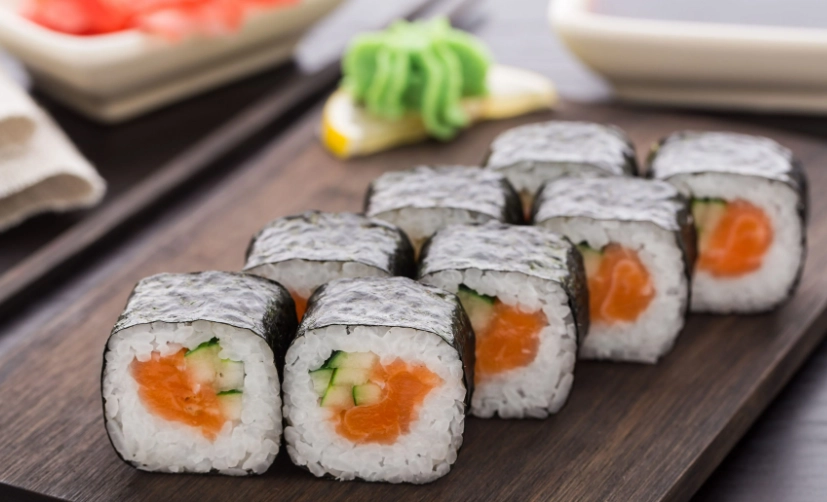
What’s the difference between a roll and sashimi?
Quick and clear: Sashimi is just slices of raw fish, served alone. No rice. It’s the purest expression of the fish’s quality. A sushi roll is a composed dish with rice, nori, and multiple ingredients. Different experiences, both wonderful.
I’m a beginner. What’s the best roll to start with?
Start with a California Roll or a Vegetable Roll. No raw fish, familiar textures. Then, maybe try a Spicy Tuna Roll—the sauce eases you into the raw fish experience. From there, the world is your oyster (or your uni).
Why are some rolls so expensive?
A few reasons: the quality and type of fish (bluefin tuna toro is pricey), the labor (some rolls are complex to assemble), and luxury ingredients (real crab, gold leaf, truffle). A simple tuna roll will always cost less than a Dragon Roll with eel and elaborate avocado work.
How do I eat a roll properly?
You can use your hands or chopsticks—both are perfectly acceptable. Try to eat a piece in one bite if you can. It’s designed that way so all the flavors hit at once. If it’s huge (some American rolls are), two bites is fine. Don’t dunk the rice part deep into soy sauce; lightly dip the fish or topping side to avoid the rice falling apart and over-salting. Need a primer on etiquette? Resources like Japan National Tourism Organization’s guide offer great insights from the source.
The Final Slice
So, the next time you’re faced with a menu or a passing platter, you won’t just wonder, "What are those sushi rolls called?" You’ll know. You’ll see the avocado scales and think "Dragon Roll." You’ll spot the crunchy legs and know it’s a Spider. You’ll recognize the simple, dark wrap of a Tekka Maki.
The world of sushi rolls is huge and constantly creative. New rolls are invented all the time, often named after local cities, celebrities, or the chef’s imagination. But the core group we’ve covered here forms the common language. Understanding them turns ordering from a stressful puzzle into part of the fun.
It’s not about memorizing a textbook. It’s about unlocking a more enjoyable meal. Start with one that sounds good, and branch out from there. Maybe you’ll discover you’re a Dragon Roll person, or maybe you’ll fall for the simple perfection of a Negitoro Maki.
For the latest trends and deep dives into specific ingredients like the tuna in your Spicy Tuna roll, you can always explore reputable food resources like Serious Eats’ sushi section. Now go forth, identify, and most importantly, enjoy. That’s the whole point.
Reader Comments