You've seen it at festivals, maybe ordered it from a questionable food court stall. Yakisoba, that glorious tangle of stir-fried noodles, crisp vegetables, and savory-sweet sauce, seems simple. But here's the thing most recipes won't tell you: the line between a good plate and a memory-making one is thinner than a yakisoba noodle. I've spent over a decade cooking it, eating it from Hokkaido to Okinawa, and screwing it up in my own kitchen more times than I care to admit.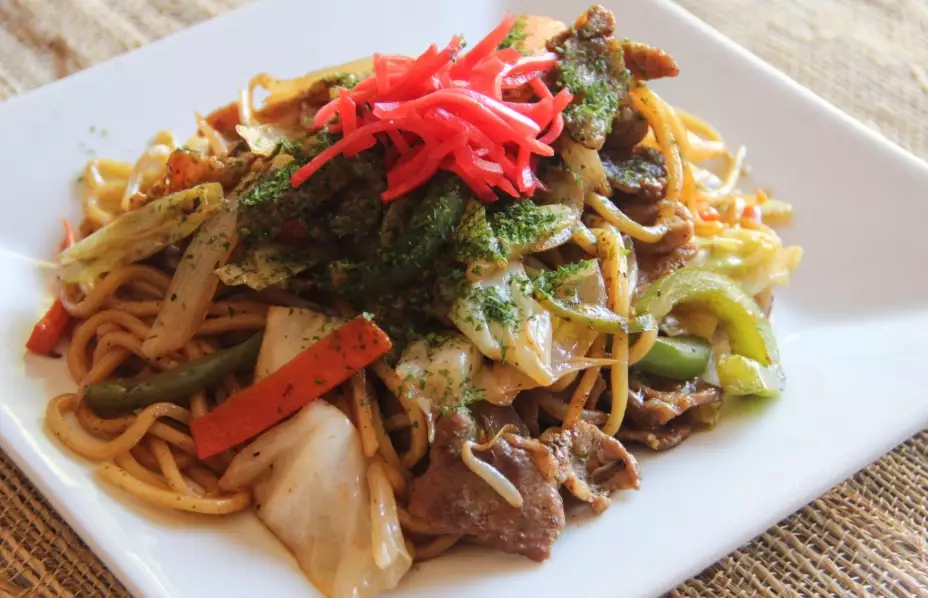
Let's cut past the basics. This isn't just a recipe. It's a breakdown of why your homemade version might taste flat, how to get that elusive street-food char, and the wild regional twists across Japan that most tourists never find.
What's Inside This Guide?
- What Exactly Is Yakisoba? (It's Not What You Think)
- The Non-Negotiable Ingredients & Smart Swaps
- The Foolproof Step-by-Step Yakisoba Recipe
- 3 Common Mistakes That Ruin Yakisoba
- Beyond the Basics: Japan's Regional Yakisoba Wars
- Where to Eat Legendary Yakisoba in Japan
- Your Yakisoba Questions, Answered
What Exactly Is Yakisoba? (It's Not What You Think)
First, a quick myth-buster. "Soba" usually means buckwheat noodles, right? Yakisoba uses zero buckwheat. The name is a historical relic. The noodles are actually Chinese-style steamed and oiled wheat noodles, similar to ramen noodles but made specifically for stir-frying. They're springy, yellow, and pre-cooked, which is why they work so well in a blistering hot pan.
It's a dish born from post-war ingenuity, using cheap, filling wheat noodles and whatever vegetables were around, lacquered in a sauce built from staples like Worcestershire sauce (yes, the British condiment, heavily Japanized), soy sauce, and ketchup. That sweet, tangy, salty, umami-rich sauce is the soul of the dish.
Think of it as Japan's answer to lo mein, but with a personality that's distinctly its own.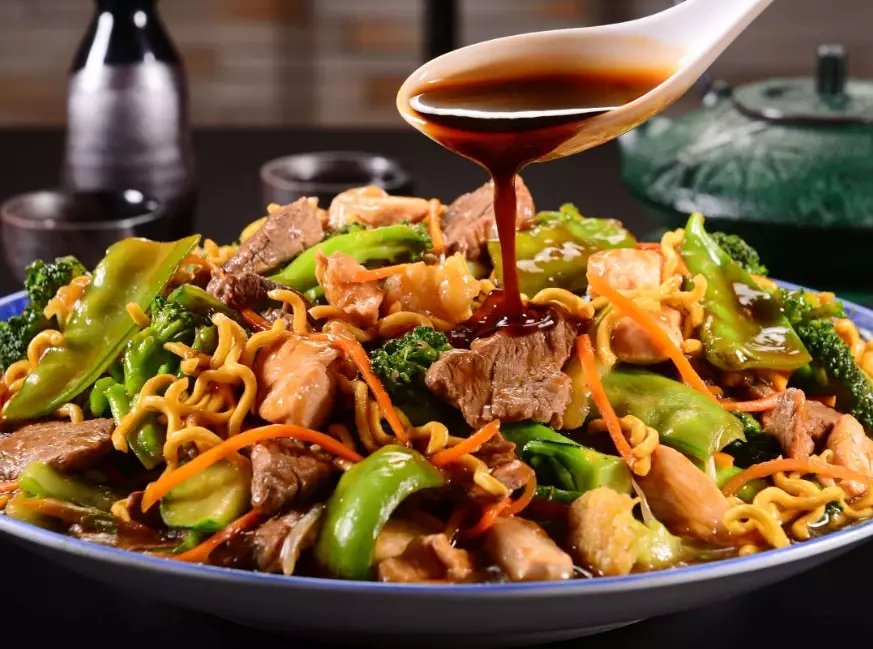
The Non-Negotiable Ingredients & Smart Swaps
You can throw anything into yakisoba, but these components are the backbone.
The classic veggie lineup is cabbage, carrots, and bean sprouts (moyashi). But don't be a slave to it. Onions, bell peppers, and mushrooms (shiitake or king oyster) are fantastic additions. For protein, thinly sliced pork belly is traditional, but chicken thigh, shrimp, or firm tofu work beautifully.
Now, the sauce. The pre-mixed "yakisoba sauce" bottles are convenient, but they're often one-note sweet. Making your own takes three minutes and lets you control the balance.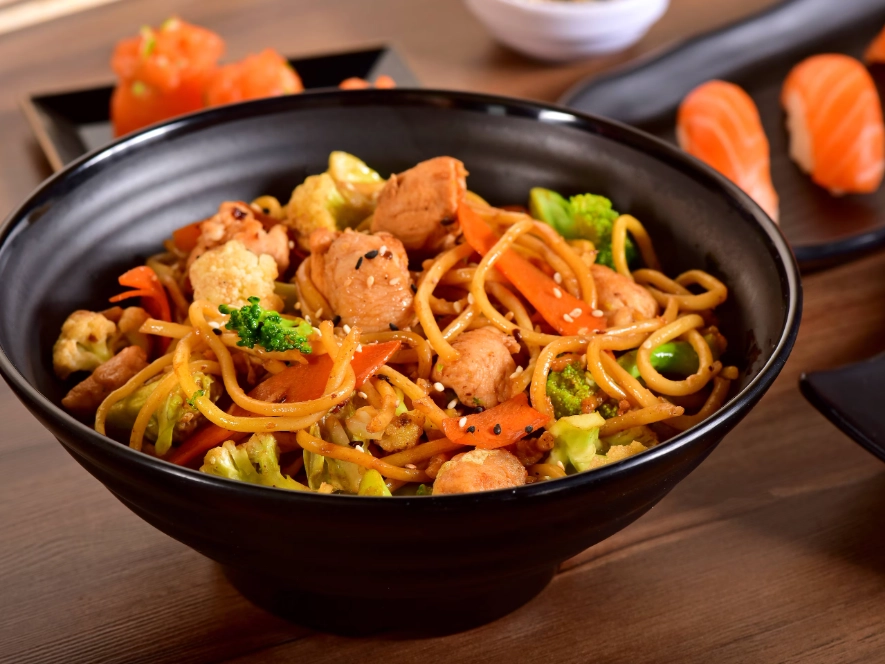
| Ingredient | Purpose & Pro Tip |
|---|---|
| Yakisoba Noodles (2 blocks) | Look for them in the refrigerated or frozen section of an Asian market. Rinse under warm water to separate strands. |
| Cabbage (1/4 head) | Cut into rough 1-inch squares. The core adds a nice crunch, don't discard it all. |
| Pork Belly (150g) | Thin slices. The fat renders and fries the veggies. For a lighter version, use pork loin or chicken. |
| Homemade Sauce Mix | 3 tbsp Worcestershire, 2 tbsp soy sauce, 1 tbsp oyster sauce, 1 tbsp ketchup, 1 tsp sugar. Whisk. |
| Aonori & Katsuobushi | Green seaweed powder and bonito flakes. The finishing sprinkle. Not optional for authenticity. |
The Foolproof Step-by-Step Yakisoba Recipe
This is the method I've refined after years of making it for hungry friends. The order of operations matters more than you'd think.
1. Prep is Everything
Have your sauce mixed, veggies cut, and noodles rinsed and separated. Once the heat is on, there's no time to chop. I lay everything out on a big plate like a mis en place puzzle.
2. Cook the Protein First
Heat a large flat pan or wok over medium-high. No oil needed if using pork belly—render its fat. Cook until just browned, then remove. If using chicken or tofu, add a tablespoon of neutral oil. This prevents overcrowding later.
3. The Vegetable Sauté
In the rendered fat (add a splash of oil if needed), toss in the harder veggies like carrots and onions. After a minute, add the cabbage. The goal isn't to wilt them into submission, but to get some browned edges and keep a bite. Push everything to the sides of the pan.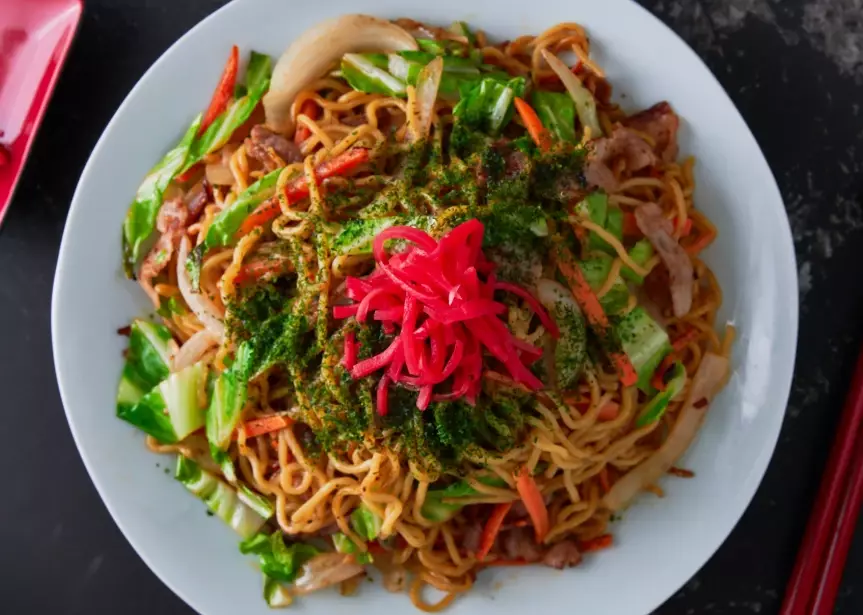
4. The Grand Toss
Now, toss the noodles with the veggies. Return the cooked protein to the pan. Give your sauce a final stir and pour it evenly over everything. Immediately start tossing and stirring vigorously. The sauce will sizzle, reduce, and glaze every strand. This should take no more than 2 minutes.
5. The Finishing Touches
Kill the heat. Sprinkle with aonori (green seaweed powder) and a small handful of katsuobushi (bonito flakes). The heat from the noodles will make the bonito flakes dance. Serve immediately with a side of pickled red ginger (beni shoga).
3 Common Mistakes That Ruin Yakisoba
I've tasted (and made) all these errors.
1. The Soggy Stir-Fry: Adding the sauce too early, or using wet, un-rinsed noodles. The noodles release steam, the sauce doesn't caramelize, and you get a watery, bland mess. Toast the noodles dry, then add the sauce.
2. The Sugar Bomb: Relying solely on store-bought sauce or overdoing the ketchup. The sauce should be a balance of sweet, salty, and tangy. Taste as you mix it. If it's cloying, add a dash more soy sauce or a squeeze of lemon juice at the end.
3. Overcrowding the Pan: This is the death of any stir-fry. If your pan isn't big enough, cook in two batches. You need space for evaporation and for ingredients to actually fry, not steam.
Beyond the Basics: Japan's Regional Yakisoba Wars
Travel Japan and you'll find yakisoba is not one dish. It's a canvas.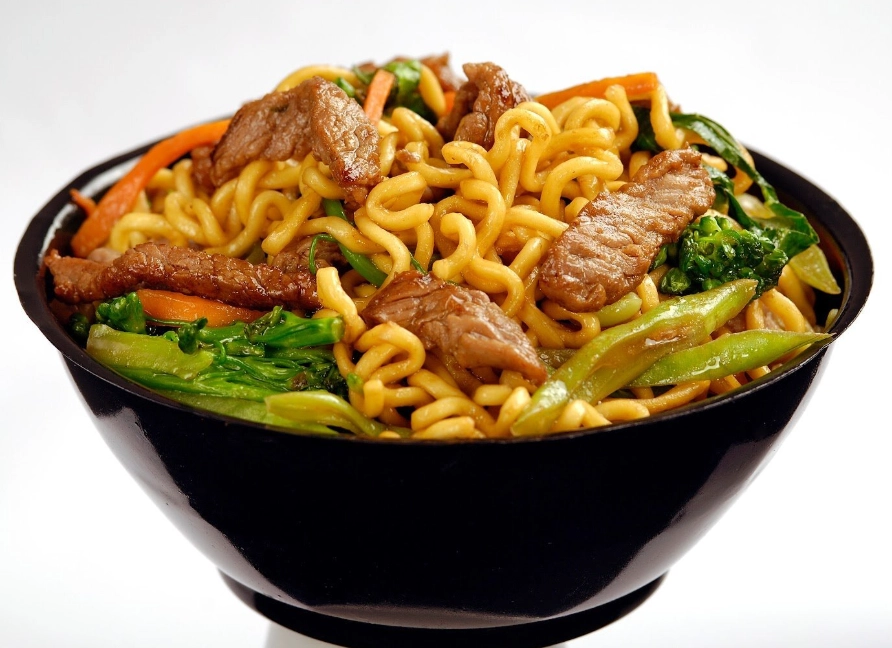
Yokote Yakisoba (Akita): This is the one that changed my mind. They use a thick, almost stew-like meat and vegetable sauce, poured over the stir-fried noodles. It's served with a raw egg on top. Rich, decadent, and nothing like the standard version.
Fujinomiya Yakisoba (Shizuoka): Known for using thick, hearty noodles and a generous amount of beef fat in the cooking. The result is a darker, more savory, intensely satisfying plate. They also top it with a powdered fish broth (sakura ebi powder) instead of aonori.
Hiroshima-style "Yakisoba": Okay, this is cheating, but it shows the spirit. In the famous Hiroshima okonomiyaki, a layer of yakisoba noodles is cooked into the savory pancake. It's a textural marvel—soft pancake, chewy noodles, crispy cabbage.
Each region argues theirs is best. They're all right.
Where to Eat Legendary Yakisoba in Japan
If you're planning a trip, skip the generic stalls. Seek these out.
Takadanobaba Yakisoba (Tokyo): A tiny, standing-only joint in a student district. Their sauce is a decades-old secret, slightly spicier than usual. It's cheap, fast, and the essence of Tokyo street food. Expect a line. Address: 2-1-1 Takadanobaba, Shinjuku City. Budget: ¥500-700.
Yakisoba Chiyo (Fujinomiya, Shizuoka): The temple of Fujinomiya yakisoba. They've been perfecting their recipe since 1953. The noodles are thicker, the flavor deeper, and the atmosphere is pure old-school Japan. Address: 3649-1 Kamiya, Fujinomiya. Budget: ¥800-1000.
Any Summer Festival (Matsuri): This is where the magic happens. Cooked on a giant teppan, the smoke, the sound, the sheer spectacle make it taste better. It's about 30% worse technically than a good restaurant version, and 100% more delicious because of the context.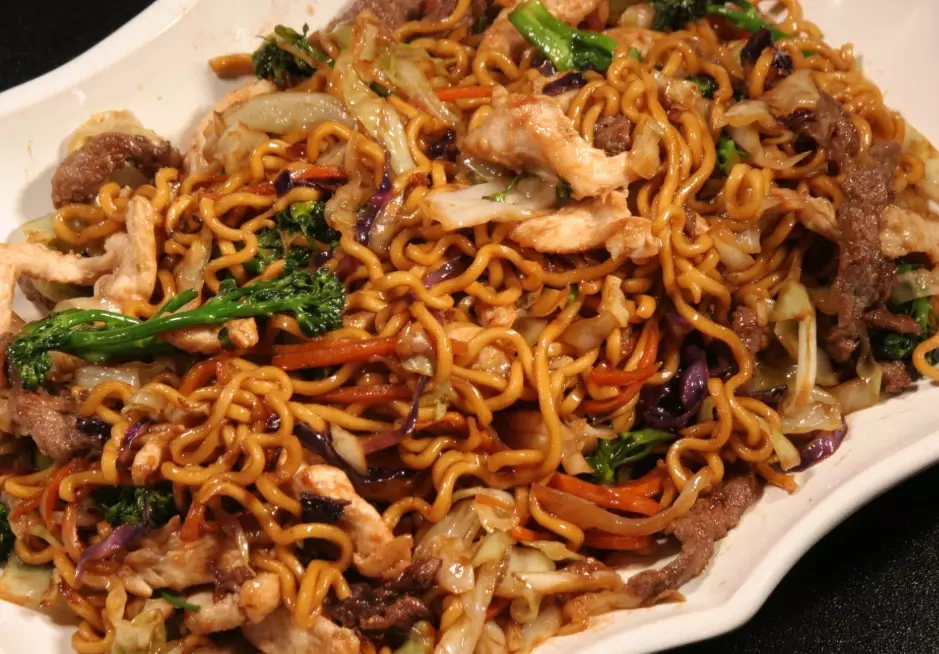
Your Yakisoba Questions, Answered
How can I make vegetarian yakisoba taste umami-rich without meat or fish?
The key is layering savory elements. Start by sautéing shiitake mushrooms until deeply browned; their natural glutamate is a powerhouse. Use a good quality, aged soy sauce as your base. Add a tablespoon of tomato paste or a splash of Worcestershire sauce (many brands are vegan) while cooking the vegetables. A final sprinkle of toasted sesame seeds or a drizzle of sesame oil adds a nutty depth that mimics the richness of meat.
What's the secret to getting the perfect char on yakisoba noodles without making them greasy?
High heat and patience. Most home cooks add oil with the noodles, which just fries them. Instead, get your pan or wickedly hot with just a film of oil for the veggies. Push them aside, add the noodles directly to the dry, hot surface of the pan. Let them sit for 60-90 seconds without touching them. You'll hear them start to sizzle and crackle. Then toss and repeat. This dry-toasting creates the 'wok hei' effect. Add the sauce only after this step—the sauce will deglaze the pan and coat the now-crispy noodles.
Can I use spaghetti or ramen noodles if I can't find yakisoba noodles?
You can, but the texture will be off. Spaghetti is too firm and absorbs sauce differently. Instant ramen noodles are too soft and crumbly. The best substitute is fresh Chinese egg noodles or even udon noodles, parboiled and rinsed in cold water to stop the cooking. Their chewiness is closer to the real thing. If you must use spaghetti, undercook it by 2 minutes and rinse it thoroughly in cold water to remove surface starch before stir-frying.
My yakisoba always turns out a bit bland. What am I missing?
You're likely under-seasoning or under-reducing the sauce. First, taste your sauce mixture before adding it—it should be strong and punchy on its own. Second, ensure you're cooking it on high enough heat. The sauce needs to hit the hot pan and reduce slightly, concentrating its flavor and allowing it to cling to the noodles. A final squeeze of lemon juice or a dash of rice vinegar at the very end can also lift and brighten all the other flavors.
Reader Comments