Let's be honest. We've all tried to make tempura at home, right? You follow some recipe online, mix up a batter, dip some shrimp and veggies, and fry. What comes out? Often, it's something... heavy. Soggy. A greasy coat that sits in your stomach, a far cry from the ethereal, crisp-as-air tempura you get at a good Japanese restaurant.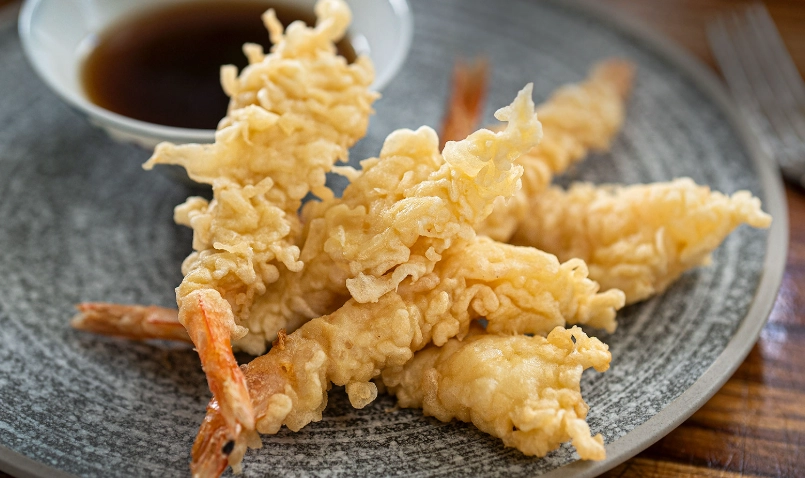
I was there. My early attempts were edible, sure, but they were disappointments. They lacked that magic. So, I went down a rabbit hole. I read old Japanese cooking texts, pestered a chef friend (who trained in Tokyo) with probably annoying questions, and made more batches of tempura batter than I care to admit. Some were total failures. A few were pretty good. One, finally, was a revelation.
This isn't just a list of ingredients. It's the why behind each step. Because knowing why you keep the water ice-cold is more important than just doing it. That's what makes a tempura recipe truly work.
Quick Navigation: What’s Covered
- What is Tempura, Really? (It's Not Just Fried Food)
- The Tempura Pantry: Choosing Your Weapons
- The Heart of the Matter: The Tempura Batter Recipe
- Frying Like a Pro: Temperature is Your Best Friend
- The Supporting Cast: Dipping Sauce & Garnishes
- So, What Can Go Wrong? (Troubleshooting Your Tempura)
- Answering Your Tempura Questions (The FAQ Bit)
- Wrapping It Up: The Mindset for Great Tempura
What is Tempura, Really? (It's Not Just Fried Food)
First, a quick reset. Tempura is a specific frying technique introduced to Japan by Portuguese traders in the 16th century. The Japanese refined it into an art form. The goal isn't just to cook food in hot oil. The goal is to create a lacy, delicate, and nearly translucent coating that shatters at the slightest touch, while the inside (a shrimp, a piece of sweet potato) remains perfectly steamed and tender.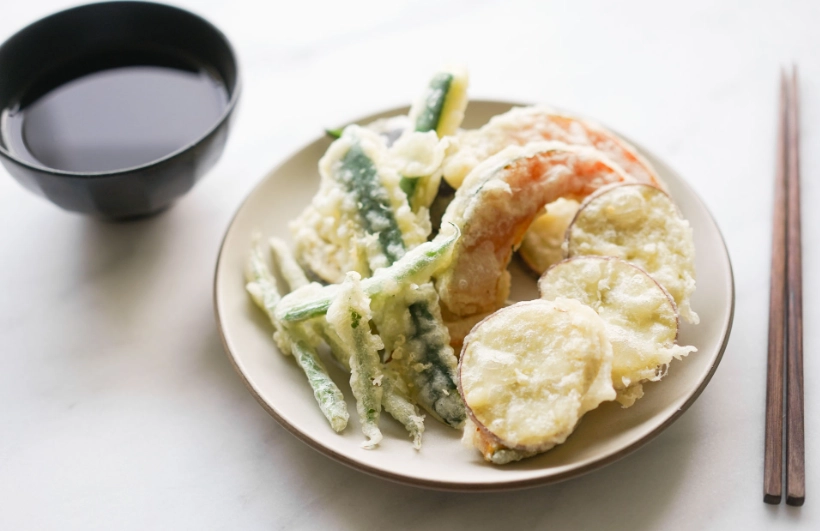
Think of the batter not as a thick blanket, but as a fragile, intricate web that holds just enough oil to become crisp. That's the dream. That's what we're after with this tempura recipe.
The Tempura Pantry: Choosing Your Weapons
You can't build a great house with bad bricks. The same goes for tempura. The quality and type of your ingredients set the foundation. Here’s what you need, and more importantly, why.
The Core Ingredients (Non-Negotiables)
- Flour: This is the biggest debate. All-purpose flour? Cake flour? Tempura flour? I've tested them all. For the authentic, lacy texture, a low-protein flour is key. Cake flour is great. Many Japanese home cooks use a mix. My go-to is a simple, fine pastry flour. It has less gluten-forming protein than all-purpose, which means a more tender, less chewy coating. If you only have all-purpose, it'll work, but your batter might be slightly tougher. The official Japanese government agricultural site has great info on wheat and flour classifications if you're curious about the science.
- Water: ICE COLD. I can't stress this enough. Some recipes say cold. I mean, water with actual ice cubes in it. The shock of cold batter hitting hot oil is part of what creates the explosive, irregular bubbling that forms the lacy structure. Cold also inhibits gluten development. Use filtered or bottled water if your tap water has a strong taste.
- Egg: Usually just the yolk. The egg yolk adds richness, a bit of color, and helps the batter adhere. Some super-traditional recipes use no egg at all, just flour and water. For a home cook, one egg yolk per cup of flour is a reliable sweet spot that adds flavor without making the batter heavy.
- Oil for Frying: You need a neutral oil with a high smoke point. Canola, peanut, safflower, or a good vegetable oil blend are perfect. Don't use olive oil (strong flavor, low smoke point) or butter (obviously). Sesame oil can be used in a tiny proportion (like 10%) blended with a neutral oil for a hint of fragrance, but it's not traditional.
The Best Things to Fry (A Tempura Hit List)
Almost anything can be tempura-ed, but some are classics for a reason. Here’s my personal ranking, from "must-try" to "adventurous."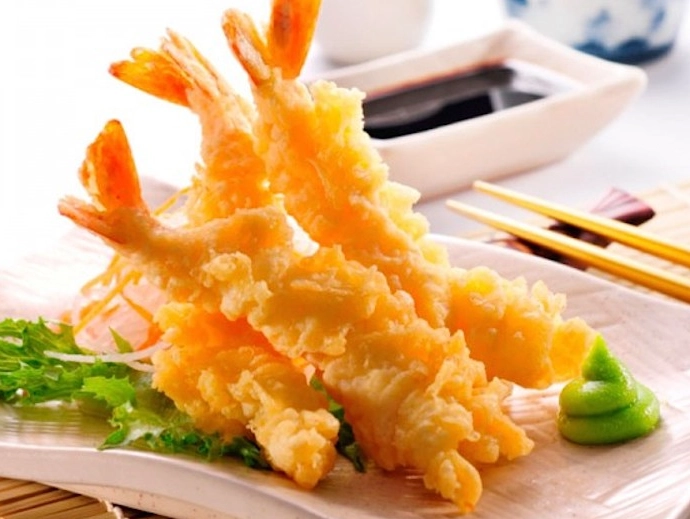
| Ingredient | Prep Tip | Why It's Great |
|---|---|---|
| Shrimp (Ebi) | Devein, make shallow cuts on the belly to prevent curling, and gently press to straighten. | The king of tempura. Sweet, succulent, and the texture contrast is sublime. |
| Sweet Potato (Satsumaimo) | Slice 1/4-inch thick, soak in water for 10 mins to remove excess starch. | Becomes creamy and caramel-sweet inside. A test of good frying—crisp outside, soft inside. |
| Green Beans / Asparagus | Just trim the ends. No need to blanch. | Cooks quickly, stays vibrant green. The batter clings to the ridges beautifully. |
| Shiitake Mushrooms | Remove stems (save for stock!). Keep the cap whole. | Absorbs the batter into the gills, creating amazing texture. Umami bomb. |
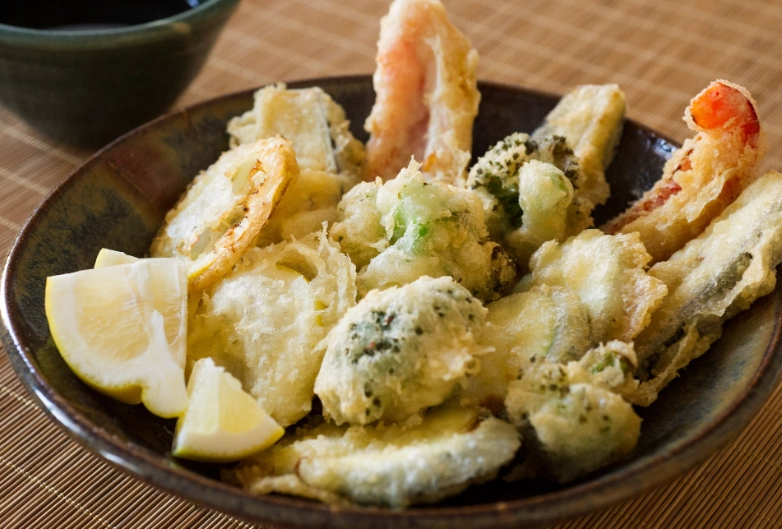
| Kabocha Squash | Slice thin (1/8-inch), skin on. It's edible and adds color. | My favorite vegetable for tempura. Nutty, slightly sweet, and fries up crisp. |
| Seaweed (Nori) | Cut sheets into strips, dip quickly in batter on one side only. | Super fast, super crisp. Salty and oceanic. A fantastic snack. |
See? It's not just shrimp. A good tempura recipe is a vehicle for the season's best produce.
The Heart of the Matter: The Tempura Batter Recipe
Alright, let's get to it. This is the method that finally worked for me. It’s simple, but the devil is in the details.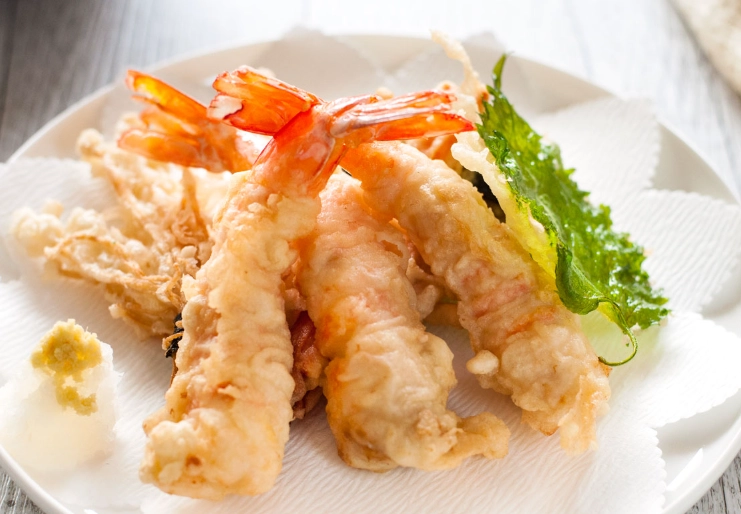
The "No-Fail" Tempura Batter Formula
Yields: Enough for about 1 lb of assorted ingredients.
- 1 large egg yolk
- 1 cup (240ml) ice-cold water (keep ice cubes in it until moment of use)
- 1 cup (120g) low-protein flour (cake or pastry flour), plus extra for dusting
- Pinch of salt (optional, I usually skip it as the dipping sauce is salty)
The Step-by-Step (Where Most Recipes Go Wrong)
1. Prep is EVERYTHING. Have all your ingredients prepped, dried thoroughly with paper towels (wet food = steam = soggy batter), and lined up. Your oil should be heating to 340-350°F (170-175°C). Use a thermometer. Guessing is a recipe for greasy food. I use a simple deep-fry thermometer clipped to the pot.
2. The Cold Bowl Trick. I sometimes nest my mixing bowl inside a larger bowl filled with ice water. This keeps everything frigid. Add the egg yolk to the ice-cold water and whisk just to combine. Don't make it foamy.
3. The Critical Mix. Sift your flour into a separate, wide bowl. Make a well in the center. Pour the cold water-egg mixture into the well. Now, with chopsticks or a fork (NOT a whisk), stir gently. Stir from the center outward, just until the flour is incorporated. LUMPS ARE GOOD. I'm serious. A lumpy batter is a light batter. Overmixing develops gluten, which makes it tough and bready. You want it to look uneven and shaggy, like a thin pancake batter with lumps. This takes less than 30 seconds.
My chef friend told me: "Think of mixing the batter like you're gently handling a sleeping baby. You don't want to wake it up (the gluten)." It's a weird analogy, but it stuck with me.
4. Dusting, Not Drenching. Lightly dust your prepared ingredients with a little dry flour. This helps the thin batter stick. Don't coat them heavily.
5. The Dip. One piece at a time, dip the floured item into the batter. Let the excess drip off for a second. You should still see the shape and color of the food underneath in places. If it's fully coated in a thick white layer, your batter is probably too thick or you're leaving it in too long.
Frying Like a Pro: Temperature is Your Best Friend
This is the other half of the battle. You've made a great batter; now don't ruin it in the oil.
The Two-Temperature Rule: This is the classic Japanese restaurant technique.
- 340-350°F (170-175°C): This is your starting temperature for most things. It's perfect for vegetables and seafood. It sets the batter quickly, allows the inside to cook through without burning the outside, and results in a lighter color.
- 360-375°F (180-190°C): This is your "finishing" or "second fry" temperature. For delicate things or a final crisp, you can do a quick dip here at the end. For denser items like sweet potato, you might start at the lower temp and finish at the higher to ensure they're cooked inside and crisp outside.
Don't crowd the pot. The oil temperature will plummet, and you'll get oily, sad tempura. Fry in small batches. Keep fried pieces on a wire rack set over a sheet pan, not on paper towels. Paper towels trap steam and make the bottom soggy. The rack lets air circulate all around, keeping everything crisp.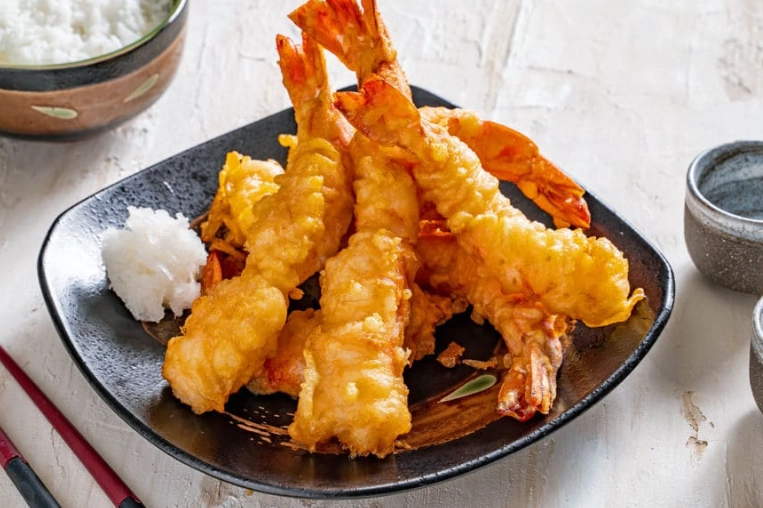
I like to use a spider skimmer to gently move the pieces around in the oil. It helps them fry evenly and promotes that lacy texture.
The Supporting Cast: Dipping Sauce & Garnishes
Tempura is often served with a simple tentsuyu (dipping sauce) and grated daikon radish.
Tentsuyu: Combine 1 cup dashi stock (you can use instant dashi, it's fine), 1/4 cup soy sauce, and 1/4 cup mirin in a small saucepan. Bring to a simmer, then let it cool. Serve in small bowls. That's it. The Japan External Trade Organization (JETRO) has resources on traditional Japanese ingredients like these if you want to dive deeper.
Grated Daikon: This is genius. The fresh, watery, slightly pungent daikon cuts through the oiliness perfectly. Grate it fresh for each serving. I put a small mound of it right in my dipping sauce.
So, What Can Go Wrong? (Troubleshooting Your Tempura)
We've all been there. Here's a quick fix guide based on my many, many mistakes.
| Problem | Likely Cause | How to Fix It Next Time |
|---|---|---|
| Batter is thick and doughy | Overmixed the batter; water wasn't cold enough; flour had too much protein. | Mix less. Use ice water. Try cake/pastry flour. |
| Tempura is greasy/oily | Oil temperature too low; food crowded in pot; food wasn't dry before dipping. | Use a thermometer. Fry in small batches. Pat ingredients DRY. |
| Batter falls off in the oil | Didn't dust with dry flour first; batter was too thin; oil wasn't hot enough. | Always do a light flour dusting. Measure flour correctly. Check oil temp. |
| Not crispy, turns soft fast | Placed on paper towels (steams); didn't eat immediately (it's meant to be eaten right away!). | Use a wire rack. Serve as soon as it's cool enough to eat. |
Answering Your Tempura Questions (The FAQ Bit)
I get asked these all the time when I make this for friends.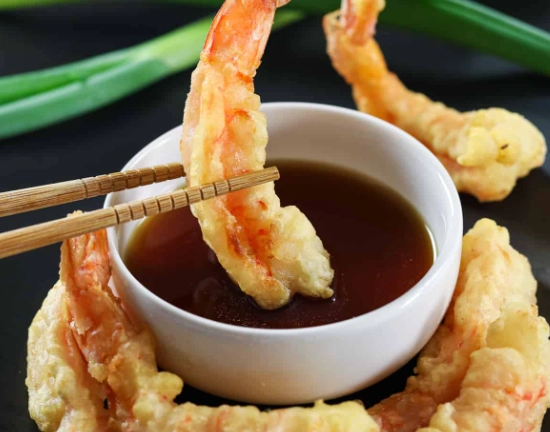
Wrapping It Up: The Mindset for Great Tempura
After all this, the biggest secret isn't in the ingredients list. It's in the approach. A great tempura recipe is about restraint, speed, and respecting the process. It's about cold, lumpy batter and precise heat. It's about enjoying the process of frying in small, attentive batches and eating everything immediately, standing around the kitchen with friends, dipping pieces into sauce.
Don't be intimidated. My first perfect batch felt like a victory. It was messy, my kitchen was warm, but that first bite of a shrimp with a coating that shattered like glass... that's the moment you get it. You realize why this simple dish is so revered.
So, grab some fresh shrimp and a sweet potato. Get your oil hot and your water icy. And just try it. Follow this tempura recipe, embrace the lumps, and don't look back. You might just amaze yourself.
Reader Comments