Let's be honest. Your first encounter with ramen was probably a plastic-wrapped brick of instant noodles. I get it. Mine was too. But stepping into a real ramen-ya (ramen shop) in Japan is like discovering color after a lifetime of black and white. The air is thick with the scent of simmering bones, the rhythmic chopping of scallions fills the silence, and the final bowl placed before you is a complex, steaming work of art. Authentic Japanese ramen isn't just a meal; it's a culinary ritual built on four pillars: the broth, the noodles, the tare (seasoning sauce), and the toppings. This guide will cut through the steam and show you exactly what makes it special, where to find the real deal, and how to enjoy it without looking like a tourist.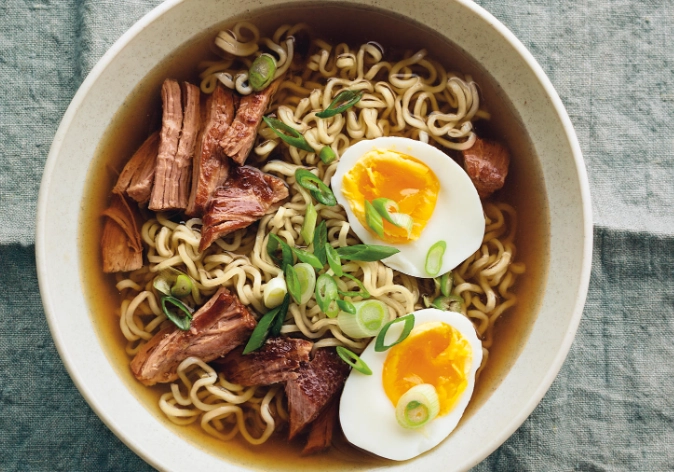
What's Inside This Ramen Guide
The Four Pillars of Authentic Ramen
Forget thinking of ramen as a single dish. It's a framework. The magic happens in the combination of these four elements, each endlessly variable.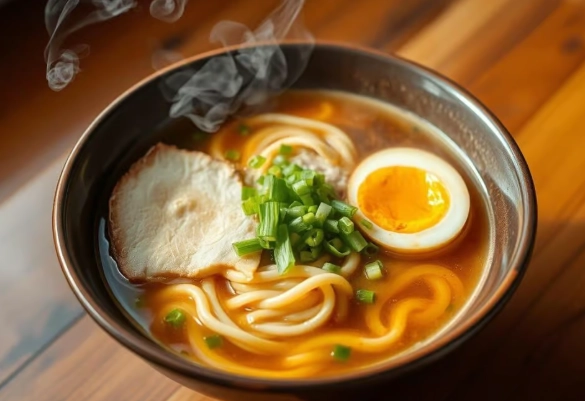
1. The Soul: The Broth (Dashi or Soup)
This is the foundation, often simmered for 12, 24, even 48 hours. The main types define the ramen's category:
Tonkotsu: The king of richness. Pork bones are boiled at a violent rolling boil until they emulsify into a creamy, opaque, white broth. It's deeply savory, almost meaty in its intensity. A common misconception is that it's always heavy. A well-made tonkotsu can be surprisingly balanced, with a clean finish.
Shoyu: Soy sauce-based. Usually a clear, brown chicken or seafood broth (sometimes mixed) infused with soy sauce. It's savory, salty, and aromatic—often considered the most "classic" Tokyo style. It's my personal favorite for its clarity and depth.
Miso: Hails from Hokkaido. Fermented soybean paste is blended into the broth, creating a complex, slightly sweet, and robust flavor with a fuller body. It stands up well to bold toppings like corn and butter.
Shio: Salt-based. The most delicate of the four. A clear, light-colored broth (chicken or seafood) seasoned primarily with salt. It requires top-quality ingredients, as there's nowhere for imperfections to hide. It's a test of a chef's skill.
Pro Tip: The color is a clue, but not a rule. A dark broth is usually shoyu or a rich miso. A white, milky one is almost certainly tonkotsu. A light amber or clear broth points to shio or a light shoyu.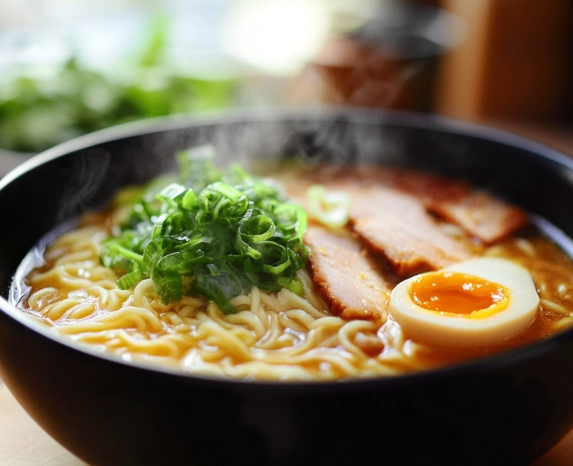
2. The Heart: The Noodles
Not all wheat noodles are created equal. They're made from wheat flour, water, salt, and kansui—alkaline mineral water that gives ramen noodles their signature yellow hue, firm texture, and unique flavor. Thickness, curl, and water content are tailored to the broth. Thin, straight noodles often pair with light shoyu or shio broths, while thicker, wavier noodles are made to cling to rich tonkotsu or miso.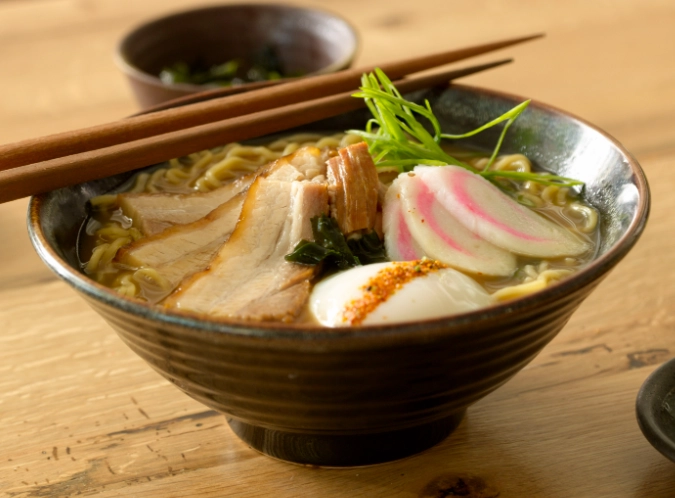
3. The Spirit: The Tare
This is the secret weapon. The tare is a concentrated seasoning sauce (shoyu, shio, or miso) added to the bowl first. The broth is then ladled over it. The tare determines the primary saltiness and umami base layer. A tonkotsu ramen can have a shoyu tare, making it "tonkotsu shoyu." This layering is what creates profound depth of flavor.
4. The Personality: The Toppings
The classics are non-negotiable for a reason:
Chashu: Slices of braised or roasted pork belly or shoulder. It should be melt-in-your-mouth tender, not dry.
Menma: Lacto-fermented bamboo shoots, providing a crunchy, savory contrast.
Negi: Finely chopped green onions for a fresh, sharp bite.
Nori: A sheet of dried seaweed.
Ajitsuke Tamago: The marinated soft-boiled egg. A perfect one has a custardy, jammy yolk that's been soaking in a sweet-salty marinade. This is my benchmark for a shop's attention to detail. If the egg is mediocre, I'm skeptical.
Where to Eat: Tokyo's Must-Visit Ramen Shops
Tokyo is the ramen capital of the world. Here are three iconic shops that represent different pillars of the craft. Be prepared to queue—it's part of the experience.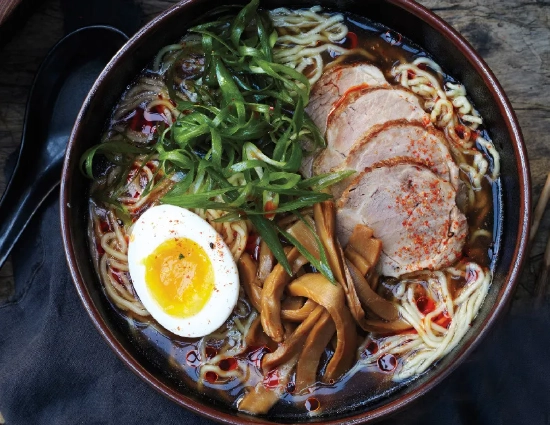
| Shop Name & Style | Address & Details | The Signature Bowl & Price | Why It's Special |
|---|---|---|---|
| Ichiran (一蘭) Tonkotsu Specialists |
Multiple locations. The most famous is in Shibuya. Open 24/7 at many spots. Solo dining booths only. | Classic Tonkotsu Ramen. You customize spice, richness, garlic, etc. on a paper slip. ~ 890-1,290 JPY |
The ultimate streamlined, focused experience. It's about the pure, customizable bowl without distraction. The broth is consistently excellent. It's a chain, but it's a masterclass in efficiency and quality control. |
| Nakiryu (鳴龍) Dandan Noodle Masters |
2-34-4 Minamiotsuka, Toshima City, Tokyo. Closed Tuesdays. Expect a long line. Michelin-starred. | Tantanmen. A Japanese take on Szechuan dandan noodles. Creamy sesame and peanut broth with a hint of numbing spice. ~ 1,100 JPY |
It shatters the "four types" model. Their tantanmen is legendary—rich, complex, and addictive. Their shoyu ramen is also sublime. This is where you go to see ramen as haute cuisine. |
| Ramen Hayashida (らぁ麺 はやし田) Chicken Paitan Innovators |
2-7-12 Shinjuku, Shinjuku City, Tokyo. Often has a queue. Closed some Wednesdays. | Chicken Paitan Ramen. A creamy, white broth made from whole chickens, not pork. Lighter than tonkotsu but incredibly flavorful. ~ 1,050 JPY |
Highlights the innovation in the scene. The chicken paitan broth is a revelation—silky, deep, and less greasy than heavy tonkotsu. Shows that authentic doesn't mean stuck in the past. |
For a deeper dive, the Japan National Tourism Organization website often features regional ramen guides, which are a great resource for planning.
How to Eat Ramen Like You Know What You're Doing
There's a rhythm to it. First, take in the aroma. Then, slurp. Yes, loudly. It cools the noodles, aerates them, and delivers the full flavor to your palate. It's expected, not rude.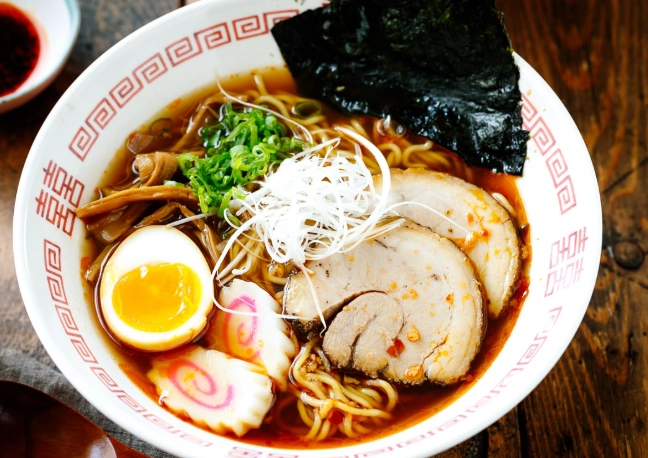
Try the noodles and broth together first. Then, feel free to add condiments: garlic, spicy paste (karashi), sesame seeds, or vinegar. They're there for a reason. Don't be shy with the nori; dip it in the broth to soften it.
You'll usually get a spoon (renge) and chopsticks. Use the spoon for broth, or cradle the noodles in it. It's okay to lift the bowl and drink the remaining broth directly. That's the ultimate compliment to the chef.
The Slurp and Other Subtleties: Common Mistakes to Avoid
I've seen these too many times. Avoid them, and you'll blend right in.
Mistake #1: Asking for a fork. Just don't. The noodles are designed to be eaten with chopsticks. Practice a little before you go.
Mistake #2: Not customizing your order. At many shops (like Ichiran), you'll get a paper order slip. You can choose broth richness, noodle firmness, garlic level, and more. Firm noodles (katame) are almost always better. They hold up in the hot broth and provide a satisfying chew. Soft noodles (yawarakame) can turn mushy fast.
Mistake #3: Drowning the flavor with sauce. Taste the broth as the chef intended before you start adding chili oil or vinegar. You might not need them.
Mistake #4: Taking forever. Ramen is fast food. It's meant to be eaten quickly, while the noodles are at their perfect texture and the broth is scalding hot. Lingering over a bowl for 30 minutes is a sure sign of an outsider. A 10-15 minute meal is typical.
Mistake #5: Leaving the egg for last as a "treat." The egg yolk is a sauce. Let it mingle with the broth halfway through. It enriches everything.
Your Burning Ramen Questions, Answered
Is it okay to drink all the broth from the bowl?
Not just okay—it's encouraged. Finishing the broth shows appreciation. In fact, many shops will offer a service called kaedama (noodle refill), but you usually only get it if you have enough broth left to enjoy with the new noodles. If you drink it all, you're signaling you're perfectly satisfied.
What's the difference between ramen and pho or other noodle soups?
It's in the core ingredients. Ramen uses wheat noodles with kansui (alkaline water) and is built on a meat/seafood broth seasoned with a specific tare. Pho uses rice noodles and a clear, spiced beef broth that's simmered but not emulsified. The flavors, textures, and eating philosophies are distinct. Comparing them is like comparing a hearty sourdough loaf to a delicate rice cake.
I'm traveling to Kyoto/Osaka/Hokkaido. Should I look for different ramen styles?
Absolutely. Ramen is hyper-regional. In Sapporo (Hokkaido), miso ramen reigns supreme, often served with corn, butter, and ground pork. In Hakata (Fukuoka), you'll find the purest, richest tonkotsu, often with ultra-thin noodles and a system for ordering additional noodle refills (kaedama) mid-bowl. Kyoto tends toward lighter, delicate shoyu broths. Part of the fun is tasting how the dish transforms across Japan.
How do I find good ramen shops that aren't full of tourists?
Look for lines of locals, not tourists. Check shops tucked away in business districts or near train stations (not the main tourist hubs). Use Japanese review sites like Tabelog (even with Google Translate) instead of just TripAdvisor. A score above 3.5 on Tabelog is usually excellent. Also, if the menu is only in Japanese and there's no picture menu, you're likely on the right track.
What's the biggest mistake a first-timer makes when tasting rich tonkotsu ramen?
They drink the broth too fast and overwhelm their palate. That first spoonful of tonkotsu is a massive umami bomb. Take a small sip, let it coat your mouth. Notice the layers—the initial porkiness, the deep savory notes, the slight sweetness from the bones, the clean finish (if it's well-made). Then have a bite of noodle with a piece of crunchy menma to reset. Treat it like a rich stew, not a light soup. Rushing it is a surefire way to miss the complexity and maybe even feel a bit queasy.
Reader Comments