Quick Guide
So you're sitting there, maybe scrolling through a menu or watching a food video, and you see this gorgeous bowl of noodles with a rich, creamy-looking broth and a swirl of red oil on top. It's called tan tan ramen (or tantanmen). It looks incredible. But then the question hits you, the one that's probably why you're here right now: is tan tan ramen spicy? I mean, that red oil looks pretty serious. Is this a meal that's going to leave you reaching for a gallon of milk, or is it all just for show?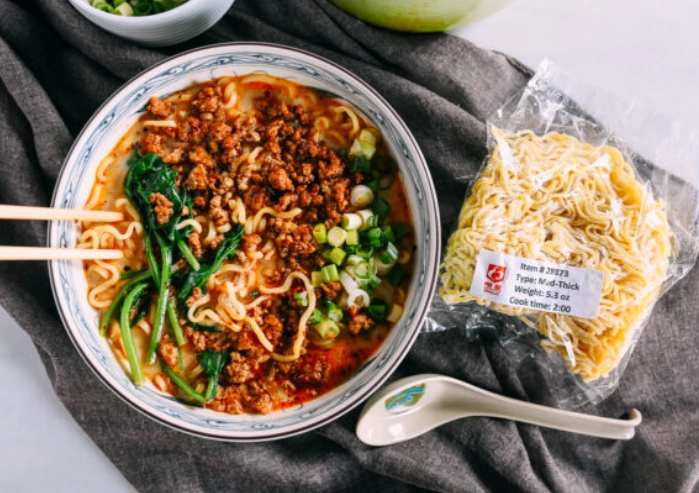
I've been there. I remember the first time I ordered it, completely unprepared. Let's just say I learned a lesson that day. The short, honest answer? Yes, tan tan ramen is generally meant to be spicy. It's a core part of its identity. But—and this is a huge but—the level of spice is a massive sliding scale. It can range from a gentle, tingling warmth that just wakes up your taste buds to a face-melting, sweat-inducing experience that challenges your very existence. The real question isn't just "is it spicy," but "how spicy is it going to be here, in this particular bowl?"
The Core Truth: Spiciness is a signature feature of tan tan ramen, derived primarily from chili oil (rayu) and sometimes doubanjiang (fermented broad bean and chili paste). However, the intensity varies wildly depending on the chef, the region, and the specific recipe. There is no single standard.
To really understand what you're getting into, we need to go beyond a simple yes or no. We need to dig into what creates that heat, how the dish traveled and changed, and most importantly, how you can navigate the spice to enjoy this fantastic noodle soup. Because when it's done right, it's one of the most satisfying bowls of food you can have.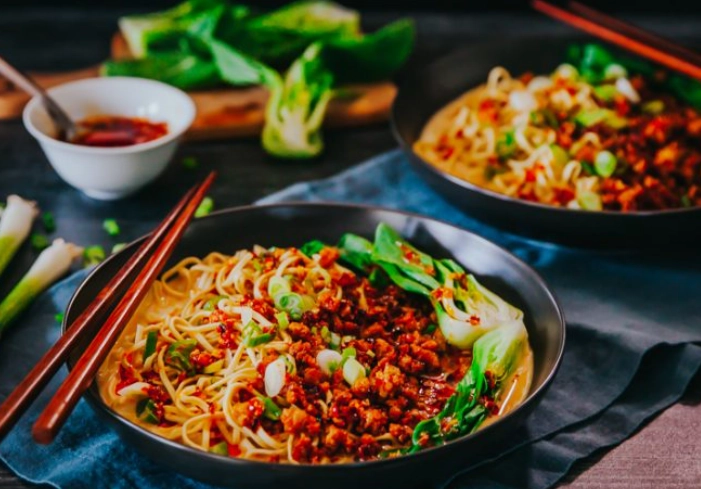
Where the Heat Comes From: The Spice Engine of Tan Tan Ramen
If you're wondering "is tan tan ramen spicy," you should know what's actually making it that way. It's not just one thing. It's a combination, and each element adds a different kind of kick.
The most obvious culprit is the chili oil (rayu or la-yu). This isn't just hot oil. Good chili oil is infused with aromatic spices—Sichuan peppercorns, garlic, ginger, star anise. It delivers a direct, upfront heat that coats your mouth. Then you have doubanjiang. This fermented paste is a deep, savory, and complex kind of spicy. It's less about instant fire and more about a lingering, rich warmth that builds. And we can't forget the Sichuan peppercorns. These guys are the tricksters. They don't add "heat" in the capsaicin sense. Instead, they create that unique tingling, numbing sensation known as "mala." Your lips and tongue might feel like they're vibrating. It's wild the first time you experience it.
The base of the soup plays a role too. Most tan tan ramen uses a rich, creamy broth made from sesame paste or tahini, and sometimes peanut butter, mixed with a chicken or pork broth. This creaminess is genius. It mitigates the spice. It coats your tongue and tempers the burn, allowing you to taste the complexity underneath instead of just suffering. A bowl with a thin, watery broth and the same amount of chili oil would feel much, much hotter.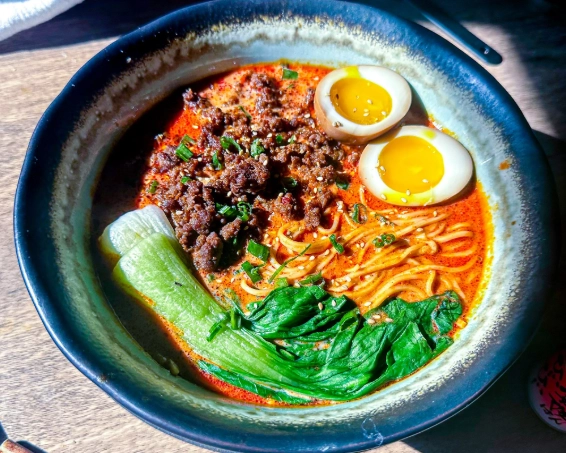
The Original vs. The Adaptation: A Spicy Journey
To really get why the spice level is so unpredictable, you have to know the story. Tan tan ramen didn't start in Japan. It's a Japanese adaptation of a Chinese Sichuan street food called dandanmian (担担面). The original is spicy, numbing, and typically served with a sauce (not a soup) featuring minced pork, preserved vegetables, chili oil, and Sichuan peppercorns.
When it crossed over to Japan, it underwent a transformation to suit local tastes. Japanese chefs added the soup base, making it a ramen. They often toned down the aggressive, mouth-numbing heat of the original Sichuan version. But here's the thing: there's no rulebook. Some restaurants in Japan aim for a more authentic, fierier version. Others create a completely mild, family-friendly interpretation where the spice is barely a whisper. The Japan National Tourism Organization has a great page on Japanese food culture that touches on how foreign dishes are adapted, which helps explain this phenomenon.
So when you ask "is tan tan ramen spicy," you're asking about a dish that exists in a spectrum between two culinary worlds. It's this history that creates the huge variation.
Navigating the Spice Spectrum: From Mild to Wild
This is the practical part. How do you know what you're going to get? While you can't be 100% sure until the bowl hits your table, you can make some very educated guesses. I've found it helpful to think of tan tan ramen in categories.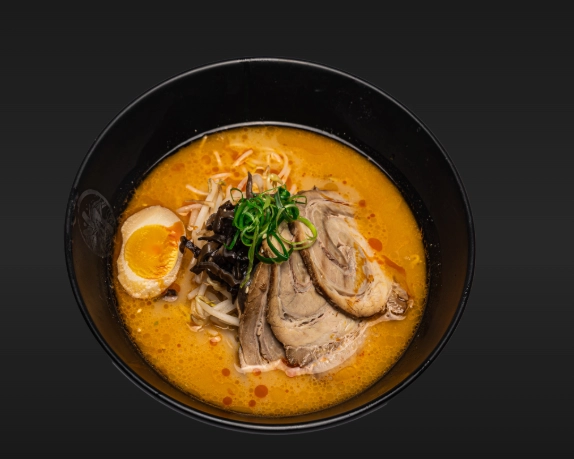
| Style / Indicator | Typical Spice Level | What to Expect & How to Identify |
|---|---|---|
| Japanese Mild / Creamy Style | Low to Mild | Focus is on the rich, nutty, savory sesame broth. The chili oil is used more for aroma and a hint of warmth than real heat. The broth is often very pale beige with just a swirl of red. Common in chain restaurants or family-style places. |
| Standard Restaurant Version | Medium | This is the most common "default" setting. It has a noticeable kick that builds as you eat, but it's balanced by the creamy soup. You'll see a clear layer of red oil on top. This is the safe bet for most people who enjoy some spice. |
| Sichuan-Inspired / "Authentic" | Medium-High to Very High | This is where the mala (numbing spice) comes in strong. The broth might be darker, oilier, and packed with ground pork and preserved vegetables. The menu might use words like "mala," "Sichuan style," or "authentic." Proceed with caution unless you're a spice seeker. |
| The Visual Clue: Broth Color | Good General Guide | Pale beige/tan: Likely mild. Orange-pink: Medium spice. Deep, opaque red: High spice. The more red oil floating on top, the hotter it's likely to be. |
Location matters too. A ramen shop in a trendy area of Tokyo known for bold flavors might serve a spicier bowl than a small-town shop catering to locals who prefer milder food. Ramen database sites like Ramen DB (in Japanese) often have user reviews that mention spice levels, which can be a goldmine of intel.
What If It's Too Spicy? Your Emergency Toolkit
Okay, let's say you took a risk, the bowl arrives, and one sip tells you you've made a terrible mistake. Your mouth is on fire. Don't panic. You have options. The goal is to dilute the capsaicin (the compound that causes the burning sensation).
- Dairy is your best friend. Order a side of milk, a glass of cold lassi, or even a spoonful of plain yogurt. The casein protein in dairy binds to capsaicin and washes it away. Water just spreads it around.
- Ask for extra broth. Most ramen shops are happy to provide a side of plain, unseasoned broth (like the plain tonkotsu or chicken broth they use as a base). Pour it into your bowl little by little to dilute the spice level to something tolerable.
- Add more sesame paste. If you have it on the table, or can ask for it, adding more of the creamy, fatty sesame element will coat your tongue and dampen the heat.
- Eat the noodles and toppings first. The noodles, pork, bamboo shoots, and vegetables will absorb some of the spicier broth. The liquid at the bottom of the bowl is often the most concentrated. You don't have to drink every last drop!
Beyond the Simple Question: What People Really Want to Know
The search "is tan tan ramen spicy" opens the door to a bunch of other related worries and curiosities. Let's tackle some of the most common ones head-on.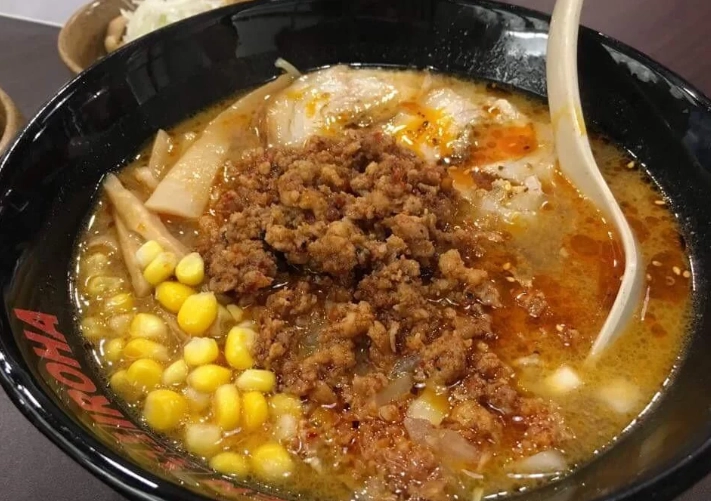
The Final Slurp: Embracing the Variable Heat
So, after all this, let's circle back. Is tan tan ramen spicy? The definitive answer is: it's designed to be, but its spiciness is a flexible, living element of the dish. It's not a fixed measurement like the weight of the noodles.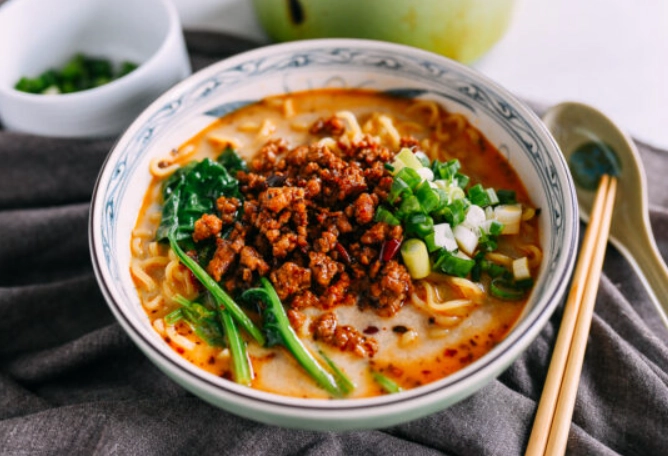
Embracing that variability is part of the adventure. Asking this question shows you're thinking about your meal, which is great. The key is to move from fear to strategy. Use the clues—the menu words, the broth color you see in photos, the style of the restaurant. Don't be shy about asking questions. And have a backup plan (extra milk, please!).
At its heart, a good tan tan ramen is about harmony. The spice shouldn't just be pain; it should elevate the nuttiness, highlight the savoriness of the minced pork, and make the creamy broth even more satisfying. When you find a bowl that gets that balance right for your palate, it's pure magic. It's worth the search, and now you're equipped with the knowledge to search wisely. Go find your perfect bowl.
Your Action Plan: 1) Decide your heat goal (mild, medium, adventure). 2) Scout menus/photos for keywords and broth color. 3) Ask the server for their honest opinion on spice level. 4) If in doubt, request spice on the side. 5) Enjoy one of the most uniquely delicious noodle soups in the world.
Reader Comments