Quick Guide to Teishoku
- The Anatomy of a Classic Teishoku: It's All About the Balance
- Teishoku vs. The Rest: How It Stands Apart in Japanese Cuisine
- Where and How to Experience a Real Teishoku
- Why You Should Seek Out Teishoku: The Real-World Benefits
- Common Teishoku Varieties You'll Actually Encounter
- Answering Your Burning Questions About Teishoku
- The Final Word: Why This Question Matters
You've probably seen the word on a menu, maybe next to a picture of a perfectly arranged tray with a bowl of rice, a piece of fish, some miso soup, and a few small side dishes. What exactly is teishoku? If you're thinking it's just a Japanese lunch plate, you're only scratching the surface. I used to think the same until I spent a month in Tokyo, eating at everything from cramped station counters to fancy department store restaurants. Teishoku is less about a single dish and more about a complete philosophy of eating, a rhythm and balance that feels fundamentally right once you experience it.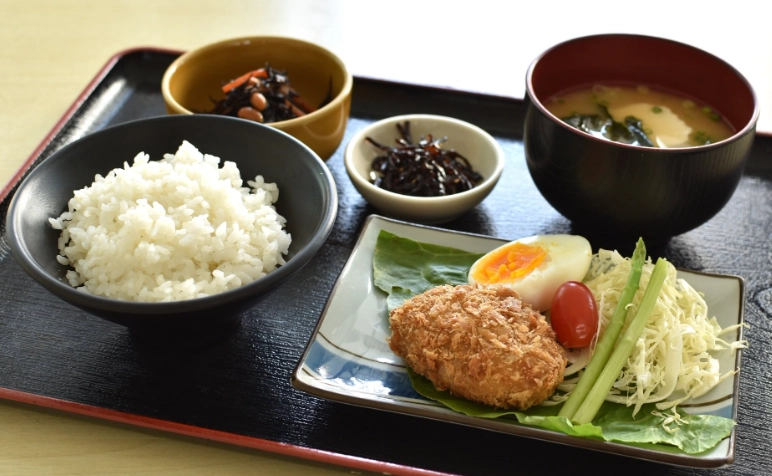
Let's get the direct translation out of the way first. "Teishoku" (定食) breaks down to "tei" (定), meaning fixed or set, and "shoku" (食), meaning meal or food. So, a set meal. But that's like calling a symphony a bunch of notes played together—technically true, but missing the entire point. The magic isn't in the definition, but in the execution and the thinking behind it.
The Core Idea: A teishoku is a complete, balanced meal served on a single tray (or sometimes multiple plates on a tray). Its primary goal is nutritional and sensory harmony. It's the everyday culinary workhorse of Japan, found in diners (shokudo), family restaurants, and even upscale establishments. It answers the question of "what exactly is teishoku?" with a practical demonstration: here is everything you need for a satisfying meal, in the right proportions, presented with care.
Why does this matter? In a world of endless choices and à la carte overload, the teishoku is a relief. It removes the mental labor of piecing together a meal. It guarantees you won't leave hungry or feeling like you missed something. For the visitor, it's a foolproof way to eat like a local. For the local, it's a dependable pillar of daily life.
The Anatomy of a Classic Teishoku: It's All About the Balance
To truly understand what teishoku is, you need to dissect one. While there are endless variations based on the main protein, the foundational structure is remarkably consistent. This isn't an accident; it's based on the traditional ichiju-sansai (一汁三菜) principle, which translates to "one soup, three dishes." This ancient framework for a complete meal is the DNA of modern teishoku.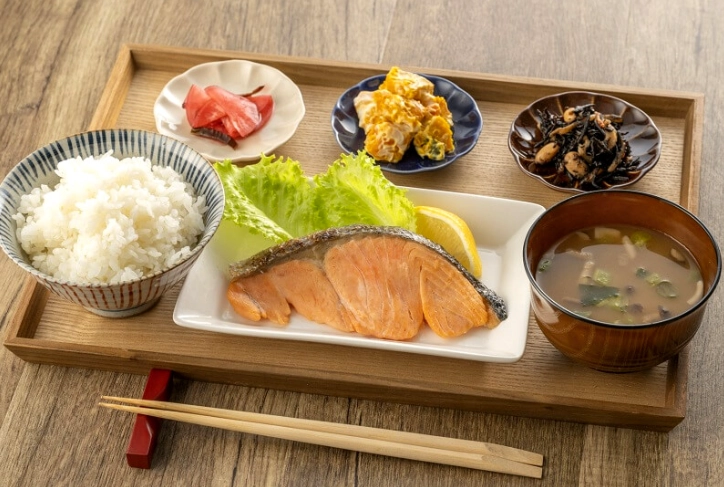
Let's break down a standard grilled fish teishoku, which is about as classic as it gets.
| Component | Role & Purpose | Common Examples | Why It's There |
|---|---|---|---|
| Shushoku (Main Staple) | The carbohydrate base, the fuel. | Steamed white rice (gohan), sometimes barley rice (mugimeshi). | Provides energy and satiety. The plain flavor cleanses the palate. |
| Shusai (Main Dish) | The protein star, the focal point. | Grilled salmon (sake), mackerel (saba), chicken teriyaki, pork cutlet (tonkatsu), hamburg steak. | Provides protein and key flavors. Often gives the teishoku its name (e.g., Sake Teishoku). |
| Fukusai (Side Dishes) | Vegetable-based accompaniments for nutrition and variety. | Simmered vegetables (nimono), pickles (tsukemono), potato salad, boiled spinach (ohitashi), bean sprouts. | Provides vitamins, fiber, and contrasting textures/flavors (sour, salty, crunchy). |
| Shirumono (Soup) | A warm, liquid element to start and aid digestion. | Miso soup (almost always), sometimes clear soup (osumashi) or tonjiru. | Hydrates, warms the stomach, and adds umami. Often contains tofu, seaweed, or vegetables. |
| Kōnomono (Pickles) | A pungent, acidic palate cleanser. | Takuan (daikon), umeboshi (pickled plum), cucumber pickles. | Cuts through richness, aids digestion, and provides a final flavor note. |
Looking at this table, you start to see the genius. It's a self-contained ecosystem. The rich, oily fish is balanced by the plain rice. The salty miso soup is balanced by the sharp pickles. The soft textures are broken up by crunchy vegetables. Every element has a job, and nothing is redundant. This is the practical answer to what exactly is teishoku—it's a designed eating experience.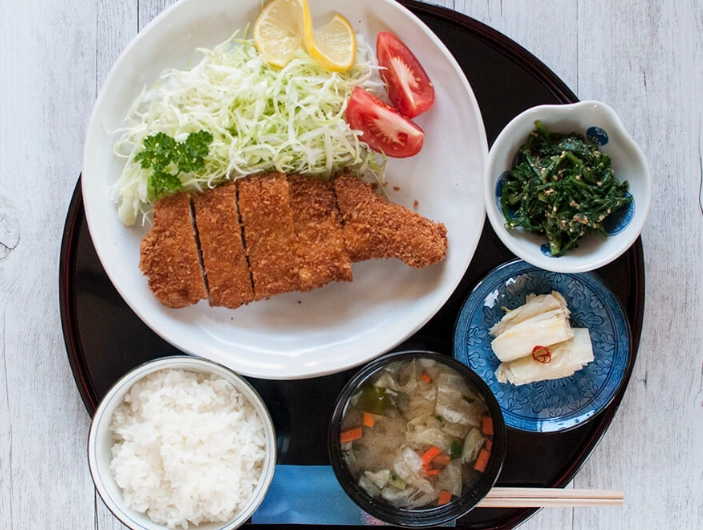
I remember my first real teishoku at a no-frills shop under Tokyo's train tracks. The salmon skin was crispy, the rice was steaming hot and perfectly sticky, the miso soup had little clams in it, and the pickled daikon was bright yellow and bracingly sour. It wasn't the fanciest meal, but it was profoundly satisfying in a way a random assortment of sushi or a single bowl of ramen never was. It felt complete.
The Unspoken Philosophy: More Than Just Food on a Tray
The structure reveals a deeper cultural mindset. Teishoku embodies values like harmony (wa), balance, completeness, and consideration. The chef or restaurant has considered your nutritional needs and taste journey. You are receiving a curated experience, not just ordering fuel. This is a key difference between teishoku and, say, a Western "combo meal." The latter is often about volume and value; the former is about composition and well-being.
It also reflects a practical, efficient approach to daily life. For busy salarymen, students, or families, it's a reliable, healthy, and quick option. You know exactly what you're getting, the price is clear, and it will be served promptly. In a society that values precision and order, the teishoku fits perfectly.
Teishoku vs. The Rest: How It Stands Apart in Japanese Cuisine
This is where confusion often sets in. Japan has many dining formats. How is teishoku different? Let's clear that up.
Teishoku vs. Bento: This is the biggest mix-up. Both are served in a box, right? Well, not always. A bento is primarily defined by its portable container. It's designed for eating elsewhere—at work, in the park, on a train (hence ekiben, station bento). While a bento can follow teishoku principles, it often prioritizes aesthetics and cold-food safety. A teishoku is almost always served fresh and hot (or appropriately cold) on a tray, for immediate consumption in the restaurant. Think of bento as the to-go version; teishoku is the dine-in experience.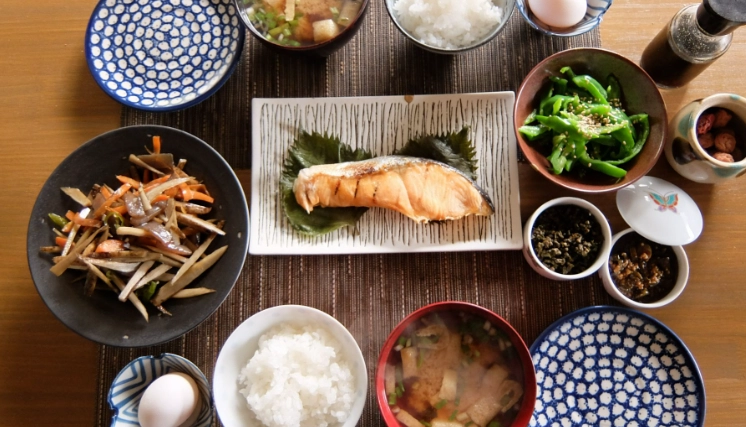
Teishoku vs. Kaiseki: Don't get it twisted. Kaiseki is the ultra-high-end, multi-course culinary art form, rooted in tea ceremony traditions. It's seasonal, poetic, and incredibly expensive. Teishoku is its humble, everyday cousin. While both value balance, kaiseki is an elaborate tasting menu of tiny, exquisite dishes. Teishoku is your hearty, satisfying, and affordable set lunch. If kaiseki is a symphony performance, teishoku is your favorite well-produced album.
Teishoku vs. À La Carte Noodles/Rice Bowls: Ordering a bowl of ramen, udon, or katsudon is a singular experience. You're getting one primary dish, often with immense depth of flavor in that one bowl. A teishoku offers variety and contrast. You might have a tonkatsu teishoku, which includes the cutlet, but also rice, soup, cabbage, and pickles separately. The experience is more rounded.
So, when someone asks "what exactly is teishoku?" in contrast to other Japanese meals, you can say: it's the complete, balanced, tray-based set meal designed for in-house dining, sitting comfortably between the portable bento and the luxurious kaiseki.
Where and How to Experience a Real Teishoku
You can find teishoku everywhere in Japan, but the vibe and quality vary wildly. Here’s a quick guide to the main venues, from my own trial and (mostly) error.
The Salaryman Haven (Teishoku-ya / Shokudo): These are often small, no-nonsense restaurants with plastic food models in the window. They're fast, cheap, and delicious. The menu is usually on a wall or a ticket vending machine. You might get yelled at if you're too slow. The tea is self-serve and probably barley tea (mugicha). This is teishoku in its purest, most utilitarian form. Don't expect ambiance; expect authenticity and value. A great resource for understanding the importance of these everyday meals in Japanese food culture is the Japan Gov's "Japanology" page on food, which touches on the role of set meals in daily life.
The Family Restaurant (Famiresu): Chains like Saizeriya, Jonathan's, or Gusto. These offer a huge variety of teishoku, often with free drink bars and dessert options. The quality is consistent—which is another way of saying sometimes it can be a bit bland and mass-produced. The hamburg steak teishoku is usually a safe bet. It's a comfortable, predictable experience.
The Department Store Restaurant (Depachika Resutoran): Head to the upper floors of stores like Isetan or Takashimaya. The teishoku here are often more refined, use higher-quality seasonal ingredients, and are priced accordingly. This is where you might find a beautiful kaiseki-style lunch teishoku for a fraction of the dinner price. The presentation is impeccable.
The Specialized Shop: Restaurants dedicated to one thing, like tonkatsu (fried pork cutlet) or unagi (eel). Their teishoku will focus on that main item, executed masterfully. The sides are usually classic and perfectly complement the star. If you want the best of one thing, go here.
A Word of Warning: The "Tourist Teishoku" Trap
In major tourist areas like Kyoto's Gion or Tokyo's Asakusa, you'll see places advertising "Traditional Teishoku" with English menus and high prices. Sometimes they're great. Often, they're overpriced and underwhelming, with soggy tempura and lukewarm rice, designed for volume over quality. How to avoid it? Look for places filled with locals, even if the menu is only in Japanese. Or, use the plastic food models—they're surprisingly accurate. If a place feels like it's trying too hard to look traditional for foreigners, it might be a trap.
How to Order and Eat It (Without Stress)
First, ordering. At a traditional shop, you might use a ticket machine. Look for the buttons with pictures or the kanji for the main dish you want (e.g., 鮭 for salmon). Insert money, press the button, take the ticket, and hand it to the staff. At other places, just point at the menu.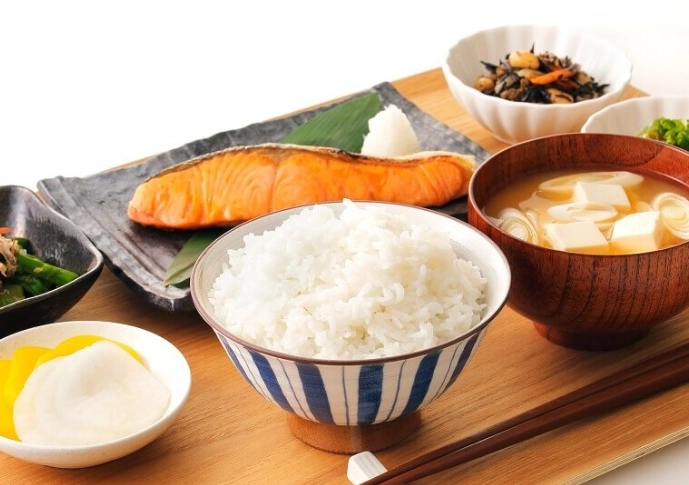
Now, eating. There's no strict rule, but there's a natural flow most people follow:
- Start with a sip of soup. It warms up your palate.
- Take a bite of the main protein with a bit of rice. This is the core combination.
- Intersperse with the side dishes. Use them to change the flavor profile. Eat a pickle to reset after a rich bite.
- It's perfectly fine, even encouraged, to pick up your rice bowl. Hold it close to your mouth and shovel the rice in with your chopsticks. It's not rude; it's practical.
- Finish everything. Leaving rice grains in your bowl is mildly frowned upon. It shows appreciation. That said, don't force yourself if you're full.
One personal gripe? Sometimes the rice-to-main-dish ratio is off. You get a huge pile of rice and a modest piece of fish. I often wish I could ask for a bit more protein, but that's not really the teishoku way. The balance is set.
The Teishoku Mindset: You're not just eating dishes in sequence; you're conducting an orchestra of flavors on your tray. A little saltiness from the fish, a bite of sweet simmered squash, a mouthful of plain rice, a sour punch from the plum—it's an interactive meal.
Why You Should Seek Out Teishoku: The Real-World Benefits
Beyond just understanding what exactly is teishoku, why should you actively look for one? Here are the compelling reasons, both practical and philosophical.
It's a Nutritionist's Dream (Usually). The ichiju-sansai model naturally promotes a balanced intake of carbs, protein, fiber, and vitamins. You get your grain, your protein, and your vegetables without even thinking about it. Compare that to grabbing a solo bowl of ramen (mostly carbs and fat) or just a plate of sushi (mostly carbs and protein). For a deep dive into the nutritional principles behind Japanese dietary patterns like this, the Japanese Ministry of Health's guidelines reference the importance of diverse, balanced meals, which the teishoku format exemplifies.
Decision Fatigue Vanishes. In a country where even ordering coffee can involve multiple choices (hot/ice, size, blend, milk type...), the teishoku is a blessed relief. You make one choice—salmon or pork cutlet—and the rest is handled. It's efficient and mentally relaxing.
It's Incredible Value. Ordering a main dish, rice, soup, and sides à la carte would almost always cost more. The teishoku bundles it at a discount. You get a full meal for the price of what might just be an entree elsewhere.
You Eat Like a Local. This is how millions of Japanese people eat lunch or a casual dinner. It’s an immersion into the daily rhythm of life, far removed from the tourist-focused sushi or kaiseki experiences.
It's a Flavor Journey. As I mentioned before, the interplay of flavors and textures keeps your palate engaged from start to finish. It prevents monotony. You never get tired of one taste.
Common Teishoku Varieties You'll Actually Encounter
While the structure is fixed, the main dish creates endless possibilities. Here are some of the most common ones you'll see, ranked by my personal frequency of encounter (and enjoyment).
Sake Teishoku (Grilled Salmon): The king of everyday teishoku. A simple, well-salted fillet of salmon, grilled until the skin is crispy and the fat has rendered. It's ubiquitous, reliable, and hard to mess up. If you're new to teishoku, start here.
Tonkatsu Teishoku (Pork Cutlet): A deep-fried, panko-breaded pork cutlet served with a thick, savory-sweet tonkatsu sauce, a mound of shredded cabbage, rice, and miso soup. It's hearty, crunchy, and deeply satisfying. The cabbage is crucial for cutting the grease.
Hambāgu Teishoku (Hamburg Steak): A Japanese-style Salisbury steak—a mix of ground meat (pork/beef) with onions and breadcrumbs, pan-fried and smothered in a demi-glace or red wine sauce. It's soft, juicy, and comforting. Often comes with a side of pasta or corn, which feels like a fun, slightly Western twist.
Karaage Teishoku (Japanese Fried Chicken): Bite-sized pieces of juicy, marinated chicken, lightly battered and deep-fried. It's less crunchy and more flavorful than Western fried chicken. Dangerously easy to eat too quickly.
Tempura Teishoku: An assortment of seafood and vegetables fried in a light, airy batter. The quality here varies the most. At a good shop, it's ethereal. At a bad one, it's oily and sad. Usually comes with a dipping sauce (tentsuyu) and grated daikon.
Unagi Teishoku (Grilled Eel): A more premium option. A fillet of freshwater eel, grilled and basted with a sweet-savory tare sauce, served over rice (sometimes in the same bowl, but the sides are separate). Rich, fatty, and full of umami. A summer specialty.
My Personal Favorite? It's a tie between a perfectly done Sake Teishoku on a rainy day and a Hambāgu Teishoku when I need comfort food. The salmon feels clean and healthy, while the hamburg steak feels like a hug.
Answering Your Burning Questions About Teishoku
Let's tackle some specific, practical questions that pop up when people are trying to figure out what exactly is teishoku and how to navigate it.
The Final Word: Why This Question Matters
So, after all this, what exactly is teishoku? It's more than a meal type. It's a lens into Japanese values of balance, completeness, and thoughtful design. It's the ultimate answer to the daily question of "what should I eat?" that prioritizes well-being over whim.
For the traveler, seeking out a local teishoku-ya is a better cultural investment than queueing for the most famous ramen joint. You'll get a complete, affordable, and authentic taste of everyday Japan. You'll see how people actually eat when they're not on holiday.
For anyone interested in food, it's a masterclass in meal composition. The principles of contrast, texture, and nutritional balance are all there on a single tray, executed with a quiet confidence that doesn't need to shout.
My advice? Next time you see "teishoku" on a menu, don't just see it as the "set meal." See it as an invitation to experience a deeply rooted, practical, and deeply satisfying pillar of Japanese food culture. Order one, appreciate the logic on the tray, and enjoy the simple, profound completeness of it all. You might just find, as I did, that it becomes the meal you crave long after you've left Japan.
And if you're looking to explore the incredible diversity of Japanese regional cuisine, many of which are presented in teishoku format, the Japan National Tourism Organization (JNTO) website is a fantastic starting point for discovering local specialties across the country.
Reader Comments