Quick Guide
- So, Where Did This Dish Even Come From? The History of Doria
- Breaking Down the Layers: What Makes a Doria a Doria?
- How to Make Japanese Doria at Home: A Realistic Recipe Walkthrough
- Beyond the Classic: Exploring Doria Variations
- Doria vs. The World: What's the Difference?
- Your Japanese Doria Questions, Answered (FAQ)
- The Final Scoop: Why Doria Deserves a Spot in Your Kitchen
Let's talk about Japanese Doria. If you've ever found yourself scrolling through food pics from Japan and stumbled upon a glorious, bubbling, cheese-covered dish that looks like a cross between a gratin and a risotto, you've probably met it. My first encounter was in a dimly-lit, family-run "yoshoku" (Western-style Japanese food) restaurant in Tokyo. The steam rising from the hot plate, the rich smell of béchamel and cheese, the satisfying first spoonful that mixed creamy sauce, tender rice, and a crispy cheese top—it was an instant love affair. But what is Japanese Doria, exactly? Is it just baked rice? Where did it come from? And why does it hold such a special place in Japanese hearts (and stomachs)?
That's what we're diving into today. No fluff, just the good stuff—the history, the how-to, the variations, and everything in between. Because understanding what Japanese Doria is goes beyond a simple definition; it's a window into how Japan adapts and perfects foreign cuisine, making it uniquely its own.
In a nutshell, Japanese Doria is a baked rice casserole. It typically consists of cooked rice (often pilaf or plain white rice) smothered in a creamy white sauce (béchamel), mixed with or topped with savory ingredients like chicken, seafood, or mushrooms, covered with a layer of cheese, and baked until the top is golden brown and bubbling. The result is the ultimate comfort food: rich, creamy, hearty, and incredibly satisfying. It's a staple of Japanese "yoshoku" cuisine, found in family restaurants, university cafeterias, and home kitchens across the country.
But calling it just "baked rice" feels like calling a symphony just "some notes." There's a whole story there.
So, Where Did This Dish Even Come From? The History of Doria
Here's a fun fact that often surprises people: Doria isn't originally Japanese. Not at all. Its origins are firmly European. The dish is named after the 16th-century Genoese admiral, Andrea Doria. The story goes that a Swiss chef named Émile Doria (perhaps a descendant?) working at the Yokohama Grand Hotel in the early 20th century (around the 1930s) created it. He supposedly served a baked rice dish to a Japanese guest who remarked it was "fit for an admiral," and the name stuck.
I find that story charming, though its absolute historical accuracy is debated by food historians. What's not debated is its classification as "yoshoku." Yoshoku refers to a whole category of Western-inspired dishes that were adapted to Japanese tastes during the Meiji era and beyond, as Japan opened up to the world. Think dishes like curry rice, tonkatsu, and korokke (croquettes). These aren't purely foreign nor purely Japanese—they're a delicious fusion.
The Japan Ministry of Agriculture, Forestry and Fisheries (MAFF) actually has pages dedicated to explaining the cultural significance of washoku and yoshoku, highlighting how foreign influences have been integrated into the Japanese foodscape. Doria fits perfectly into this narrative. It took the European concept of a gratin or a baked pasta dish and replaced the pasta or potatoes with rice—Japan's staple grain. The béchamel sauce was often made a bit milder and creamier than its intensely rich French counterpart, better suiting local palates.
From those hotel kitchen origins, Doria trickled down. It became popular in postwar Japan, as dairy products became more accessible. Its hearty, filling nature and the use of affordable ingredients made it a hit in casual dining spots and homes. Today, asking "what is Japanese Doria?" is like asking about mac and cheese in America—it's a foundational comfort food.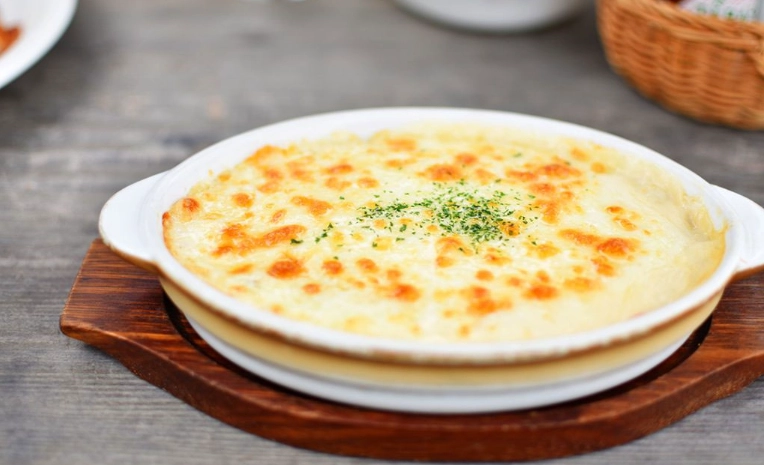
Breaking Down the Layers: What Makes a Doria a Doria?
To truly understand what Japanese Doria is, you need to dissect it. It's a layered creation, and each layer has its role. Get one wrong, and the whole experience changes.
The Foundation: The Rice
This is the base of everything. While you can use plain steamed Japanese short-grain rice, many recipes call for a lightly seasoned pilaf. The rice is usually sautéed briefly with onions and butter, then sometimes cooked in broth (chicken or consommé-style) instead of water. This gives it a deeper, savory flavor that stands up to the rich sauce. The texture is key—it should be separate grains, not mushy, so it doesn't turn into a porridge in the oven.
My personal take? I prefer a pilaf base. The plain rice version can sometimes feel a bit bland underneath all that sauce. That extra step of cooking the rice with aromatics makes a world of difference. It's the difference between a good Doria and a great one.
The Heart: The Sauce (The Big Decision: White or Red?)
This is where things get interesting. When most people imagine Doria, they think of the white sauce version. That's the classic Béchamel-based Doria. A simple roux of butter and flour, milk, seasoned with salt, pepper, and a hint of nutmeg. It's creamy, comforting, and coats the rice beautifully.
But there's another major player: Tomato Sauce Doria. Sometimes called "Red Doria" or "Napolitan Doria," this version uses a meat-and-tomato based sauce, similar to a Bolognese or a thick meat sauce, instead of béchamel. It's tangier, meatier, and just as beloved. Some places even offer a "half-and-half" option where both sauces are used side-by-side.
| Feature | White Sauce (Béchamel) Doria | Red Sauce (Tomato Meat) Doria |
|---|---|---|
| Flavor Profile | Creamy, mild, buttery, comforting. The cheese flavor shines through. | Savory, tangy, umami-rich from the tomatoes and meat. Heartier. |
| Common Add-Ins | Chicken, shrimp, scallops, crab, mushrooms, spinach. Lighter proteins and veggies. | Ground beef/pork, sausage, bacon, onions, bell peppers. Earthier, meatier ingredients. |
| Texture | Uniformly creamy and smooth. The sauce fully envelops the rice. | More varied texture from the chunky meat sauce. Can be slightly drier. |
| My Subjective Take | The ultimate comfort blanket in food form. Perfect for a cozy night. My go-to. | Feels more like a complete meal in one dish. Less rich, sometimes more satisfying. |
The Toppings: The Goodies Mixed In
This is the customizable part. What is Japanese Doria filled with? Almost anything, but some combinations are classics:
- Chicken Doria: The king of them all. Diced or shredded chicken, often with mushrooms. A safe, delicious bet.
- Seafood Doria: Shrimp, scallops, and crab are popular. It feels a bit more luxurious. A good seafood Doria is a thing of beauty.
- Mushroom Doria: Often a vegetarian option, using a mix of shiitake, shimeji, and eringi mushrooms for deep, earthy flavor.
- Ham & Corn Doria: A simple, sweet-and-salty combo that's wildly popular, especially for kids.
The proteins and veggies are usually cooked separately (sautéed or boiled) before being mixed into the sauce or layered with the rice.
The Crown: The Cheese
No discussion about what Japanese Doria is can ignore the cheese. This isn't a subtle sprinkle. This is a generous, often mixed-layer blanket. The most common cheese is a processed melting cheese, like what you might find on a pizza in Japan—it gives that perfect, elastic, golden-brown pull. Parmesan is often mixed in for a flavor boost. Some fancy places might use a blend of Gruyère and mozzarella.
The cheese does two jobs: it forms that irresistible crispy, browned top, and it melts down into the layers below, making everything even more unctuous.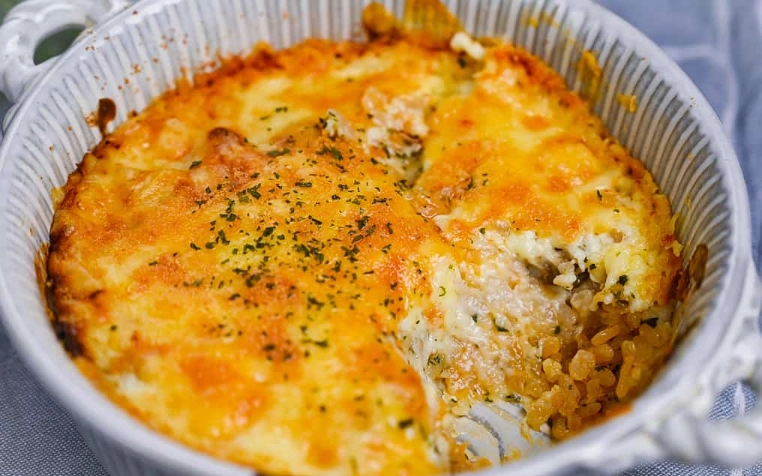
How to Make Japanese Doria at Home: A Realistic Recipe Walkthrough
Alright, theory is great, but let's get practical. Making Doria at home is totally doable. It's a project, sure, but a rewarding one. Here's my tried-and-true approach, with the pitfalls I've learned to avoid.
What You'll Need (for a standard 2-3 person dish):
- For the Rice/Pilaf: 2 cups cooked Japanese short-grain rice (day-old is best!), 1/2 onion (finely diced), 1 tbsp butter, 1/2 cup chicken or vegetable broth (if making pilaf).
- For the White Sauce (Béchamel): 2 tbsp butter, 2 tbsp all-purpose flour, 2 cups milk (whole is best), salt, white pepper, a tiny pinch of nutmeg.
- For the Filling: 200g chicken breast or thigh (diced), 100g mushrooms (sliced), salt & pepper, 1 tbsp oil for sautéing.
- For the Topping: 1.5 cups shredded melting cheese (mozzarella, Gouda, or Japanese "pizza cheese"), 2-3 tbsp grated Parmesan.
- Equipment: An oven-safe dish or individual gratin dishes.
The Step-by-Step Process
1. Prep the Rice Base: If making pilaf, melt butter in a pan, sauté the diced onion until soft and translucent. Add the day-old rice and stir to coat in butter. Pour in the broth, bring to a simmer, cover, and let the rice absorb the liquid on low heat for 10-15 minutes. Fluff with a fork and let it cool slightly. If using plain rice, just make sure it's not clumpy.
2. Cook the Filling: In another pan, heat oil. Season the chicken with salt and pepper, and cook until no longer pink. Add the mushrooms and cook until they've released their water and are browned. Set aside.
3. Make the Béchamel: This is the step that intimidates people, but go slow. Melt butter in a saucepan over medium heat. Whisk in the flour and cook for 1-2 minutes until it smells nutty but isn't brown. This cooks the raw flour taste out. Gradually, and I mean gradually, whisk in the milk, a big splash at a time, letting it fully incorporate and thicken before adding more. Once all the milk is in, keep whisking until it thickens to a creamy, gravy-like consistency. Season well with salt, white pepper, and that whisper of nutmeg. Stir in your cooked chicken and mushrooms.
My only small complaint about making Doria is the dishwashing. You'll use a few pans. But it's worth it. The biggest mistake here? Adding the milk all at once. You'll get lumps. Patience is your friend.
4. Assemble: Preheat your oven to 200°C (400°F). Spread your rice evenly in your oven-safe dish(es). Pour the creamy chicken and mushroom sauce over the rice, spreading it to cover completely. Now, the cheese. Pile it on! Mix your melting cheese and Parmesan, and cover the surface generously.
5. Bake: Place in the oven and bake for 15-20 minutes, until the cheese is fully melted, bubbly, and has those gorgeous golden-brown spots. If you want extra browning, you can switch to the broiler for the last minute or two—but watch it like a hawk! It burns fast.
6. The Crucial Rest: This is non-negotiable. Take it out of the oven and let it sit for 5-10 minutes. It's molten lava inside. This rest allows the sauce to set slightly so you get a perfect scoop, not a runny mess.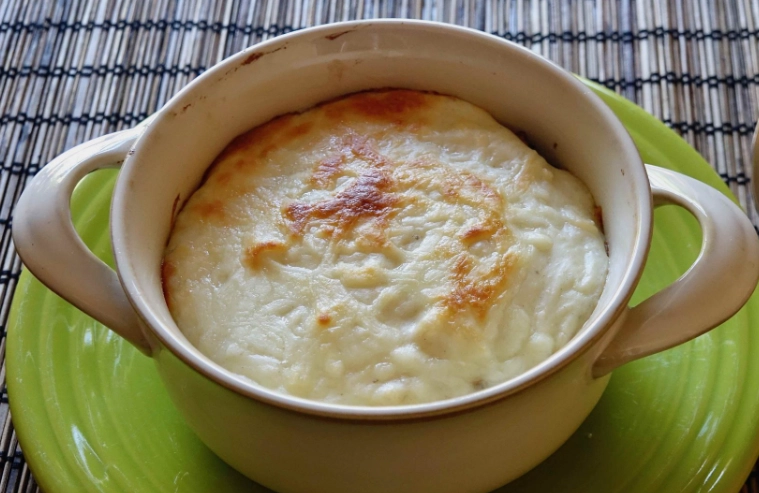
Beyond the Classic: Exploring Doria Variations
Once you grasp what Japanese Doria is at its core, you start seeing its variations everywhere. It's a incredibly adaptable template.
- Curry Doria: This might be my favorite spin-off. Instead of béchamel or tomato sauce, you use Japanese curry! It's a carb-on-carb dream. You layer rice, then a layer of thick, rich Japanese curry (with meat and potatoes), then top with cheese and bake. The Japan National Tourism Organization's food guide occasionally highlights such fusion dishes, showing how staples like curry have been reinvented in countless ways. Curry Doria is a prime example.
- Modern & Gourmet Takes: Upscale restaurants might use lobster or crab meat, wild mushrooms, or truffle oil in the béchamel. I've seen a "four-cheese Doria" that was incredibly decadent.
- Regional Twists: In Hokkaido, known for dairy, you might find an extra-rich, cream-laden Doria. Areas with great seafood will highlight local catches.
- Home-Style Shortcuts: Many Japanese home cooks use a instant white sauce mix ("white stew roux") or even a can of condensed cream soup (like cream of mushroom) as a base. It's not "gourmet," but it's fast, tasty, and real. No judgment here!
Doria vs. The World: What's the Difference?
This is a common point of confusion. How is Doria different from other baked dishes?
- Vs. Gratin: A gratin (like potato gratin) is defined by its browned cheese or breadcrumb topping. Doria is a type of gratin, but one where the main ingredient is rice. If it's pasta baked with sauce and cheese, that's a pasta gratin.
- Vs. Risotto: Risotto is cooked on the stovetop by slowly adding liquid to rice. The creaminess comes from the starch released by the rice. Doria's creaminess comes from an added sauce, and it's always baked. Totally different techniques.
- Vs. Casserole: A casserole is a broader term. Doria is a specific kind of rice casserole with a creamy/cheesy profile.
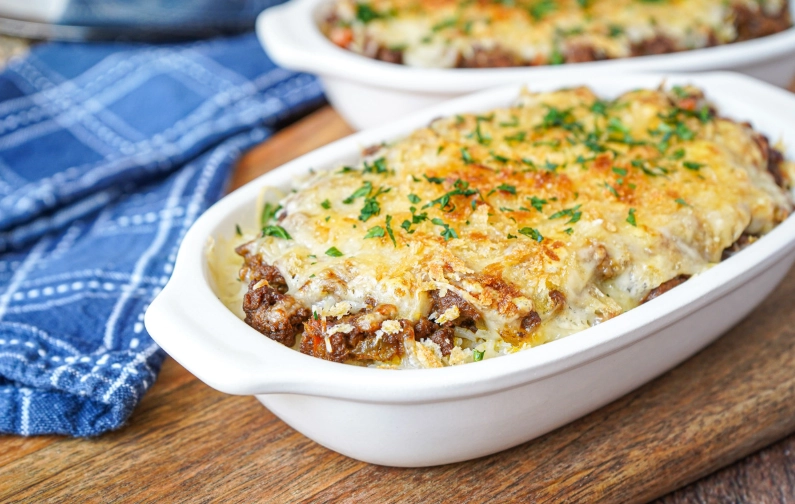
- Vs. Shepherd's Pie: Shepherd's Pie has a mashed potato topping, not cheese. Different continent, different concept!
So, when someone asks "what is Japanese Doria?", you can say it's Japan's unique, rice-based answer to the gratin.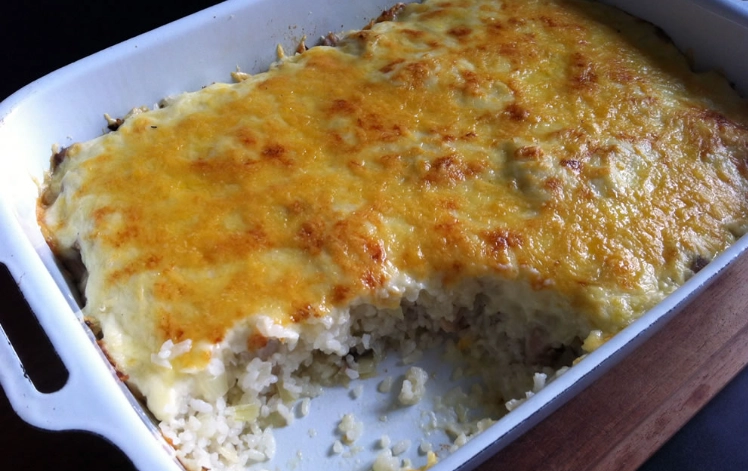
Your Japanese Doria Questions, Answered (FAQ)
Can I make Japanese Doria ahead of time?
Absolutely. You can assemble the whole thing—rice, sauce, cheese—cover it tightly, and refrigerate for up to a day. When ready, bake it straight from the fridge; you'll just need to add 5-10 extra minutes to the baking time. The rice might absorb a bit of the sauce, but it's still delicious.
What kind of rice is best for Doria?
Japanese short-grain rice (like Japonica) is ideal because of its sticky, chewy texture that holds up well. Medium-grain works too. I'd avoid long-grain varieties like Basmati or Jasmine for this—they stay too separate and don't give that comforting, cohesive feel.
Can I freeze Doria?
You can, but with a caveat. The texture of the béchamel sauce can sometimes separate or become a bit grainy upon thawing and reheating. It's edible, but not optimal. If you must freeze, do it before baking. Assemble, wrap very well, and freeze. Thaw in the fridge overnight before baking as usual.
What's a good cheese substitute if I can't find Japanese melting cheese?
A mix is your best bet. Combine a good melting cheese like whole-milk, low-moisture mozzarella or Gouda with a sharper cheese for flavor, like a mild cheddar or, of course, Parmesan. The pre-shredded bags of "Italian blend" or "pizza blend" often work perfectly fine for a home cook.
Is Japanese Doria considered an everyday meal or a restaurant dish?
Both! It's a common home-cooked meal because it's a great way to use leftover rice and feed a family. But it's also a permanent fixture on the menus of family restaurants like Saizeriya, Gusto, or Jonathan's. It sits comfortably in that space between humble home food and reliable restaurant fare.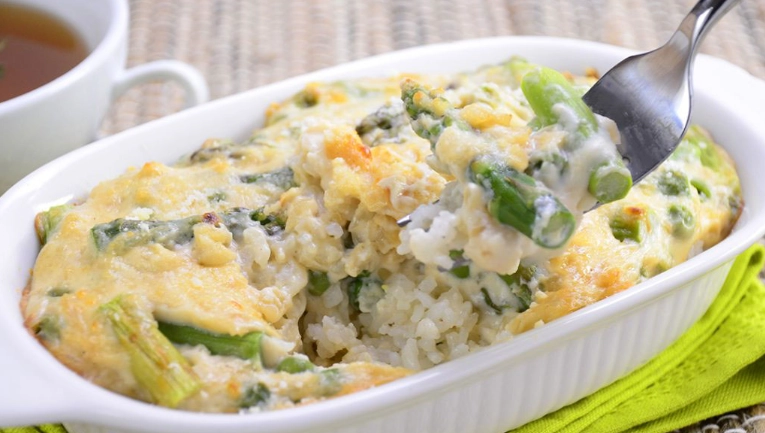
The Final Scoop: Why Doria Deserves a Spot in Your Kitchen
So, what is Japanese Doria? It's more than just a recipe. It's a story of culinary adaptation, a testament to the genius of yoshoku cuisine. It's the perfect solution for leftover rice. It's a crowd-pleaser that feels special without requiring chef-level skills. It's creamy, cheesy, carb-y comfort in a baking dish.
Whether you seek out the classic white sauce version with chicken, experiment with a spicy curry Doria, or whip up a simple ham and corn version for a quick dinner, you're participating in a little piece of Japan's modern food history. It's unpretentious, deeply satisfying, and once you've had a properly made one, you'll understand exactly why it's remained a favorite for decades.
Give it a try. Make your own. And the next time someone asks you, "What is Japanese Doria?" you'll have a whole lot more to say than "baked rice." You'll have the story, the layers, and hopefully, a delicious personal experience to share.
Reader Comments