You're home, it's getting late, and the question "what's for dinner?" is looming. You want something satisfying, maybe a bit different from the usual rotation, but you don't have hours to spend in the kitchen. That's where Japanese home cooking shines. Forget the complex sushi rolls you see on TV. Real Japanese dinner recipes are about balance, simplicity, and incredible flavor from a few key ingredients. I've been cooking this way for over a decade, and I can tell you that mastering a handful of these dishes will transform your weeknight dinners.
The best part? You don't need a fancy pantry. With some soy sauce, mirin, and dashi stock, you're already halfway there. Let's move beyond takeout and learn how to make authentic, healthy Japanese meals right at your table.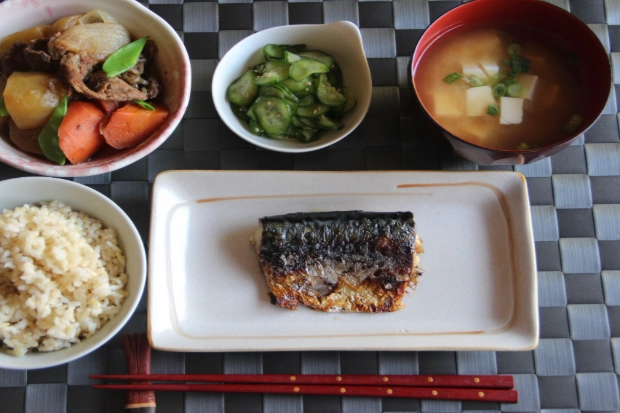
What's Inside This Guide?
What Makes a Great Japanese Dinner?
Japanese home cooking, or washoku, follows a simple principle called "ichi-ju san-sai" (一汁三菜). It translates to "one soup, three dishes." This isn't a rigid rule for every single night, but it's a fantastic blueprint for a balanced meal.
Think of it this way:
- The Main Dish (Shusai): This is your protein centerpiece. Grilled fish, chicken teriyaki, simmered pork belly (buta no kakuni). Something with substance.
- Two Side Dishes (Fukusai): These are usually vegetables. A quick stir-fry, a simple salad with a sesame dressing, or simmered greens like spinach with soy sauce (ohitashi).
- The Soup (Shirumono): Almost always miso soup. It's light, savory, and rounds out the meal.
And of course, a big bowl of perfectly steamed rice is the foundation. This structure ensures you get a variety of nutrients, flavors, and textures. It feels complete.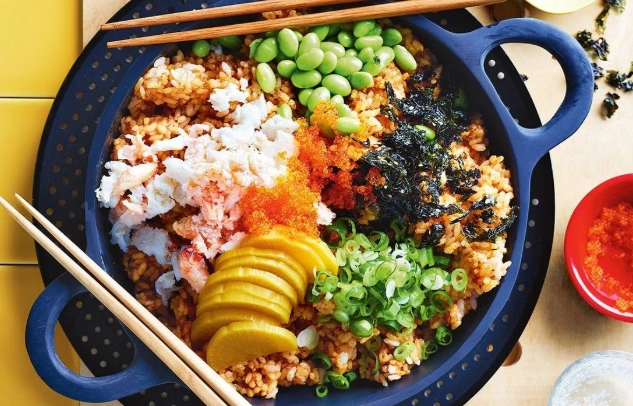
Here's the secret most recipes won't tell you: the rice is non-negotiable. If your rice is soggy or undercooked, the whole meal feels off. Spend the $20 on a simple Japanese rice cooker. It's a game-changer. I used to think my stovetop method was fine until I got one. The difference in texture and consistency is night and day.
Top 3 Japanese Dinner Recipes to Master
Let's get practical. You don't need to learn fifty recipes. Master these three, and you'll have a repertoire that covers busy weeknights and relaxed weekend dinners.
1. The Weeknight Hero: Miso-Glazed Salmon (Sake no Misozuke)
Why This Recipe Works
This is my absolute go-to on a Tuesday night. It's ready in under 20 minutes, uses one baking sheet, and the sweet-salty miso glaze caramelizes into something magical. The most common mistake? Using a miso paste that's too dark and salty. For fish, go with white miso (shiro miso). It's milder and slightly sweet, perfect for glazing.
The Method: Pat your salmon fillets dry. Mix equal parts white miso, mirin, and a tiny bit of sake or water to make a paste. Slather it on the salmon and let it sit for 10 minutes if you have time (or just bake it right away). Bake at 400°F (200°C) for 12-15 minutes until the top is bubbly and the fish flakes easily. While it bakes, you can quickly sauté some bok choy or broccoli with garlic. Dinner is served.
2. The Comfort Food Classic: Chicken Teriyaki (Tori no Teriyaki)
Forget the thick, syrupy, neon-orange sauce from the bottle. Real teriyaki is about a glossy, balanced glaze. The word "teriyaki" comes from "teri" (shine) and "yaki" (grill/broil). You want that shine.
The Expert Tip: Most home cooks add cornstarch to thicken the sauce. Don't. It makes it gloopy. The authentic method is to reduce the sauce naturally. Cook your chicken thighs (they stay juicier than breasts) until nearly done. Then add a mix of soy sauce, mirin, and sake (a 1:1:1 ratio is a great start) with a spoon of sugar. Let it bubble and reduce until it thickens enough to coat the back of a spoon. It will glaze the chicken perfectly. Serve with a mountain of shredded cabbage for crunch.
3. The One-Pot Wonder: Japanese Curry (Kare Raisu)
This is Japan's ultimate comfort food, and it's easier than you think. It's a stew, not a spice-heavy Indian curry. The base is a roux—butter, flour, and curry powder—simmered with meat and vegetables.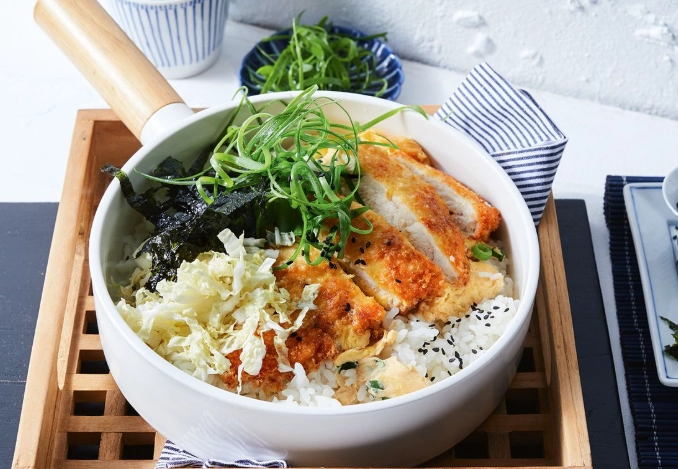
You can buy excellent Japanese curry roux blocks (like S&B or House Foods), which is what 90% of Japanese households do. It's a fantastic shortcut. But here's my non-consensus advice for the next level: grate an apple into it. Seriously. A lot of box roux hints at "fruit and honey." Grating half a Fuji apple directly into the pot as it simmers adds a subtle sweetness and depth that cuts through the richness. It's the home cook's secret. Serve it over rice, and maybe with a side of fukujinzuke pickles if you can find them.
Essential Japanese Pantry Staples
You don't need to buy out the Asian aisle. Start with these five. Look for them at any well-stocked supermarket or an Asian grocery store.
| Ingredient | What It Is | Why You Need It |
|---|---|---|
| Soy Sauce (Shoyu) | Fermented soybean sauce. Get a regular koikuchi type. | The fundamental salty-umami base for almost everything. |
| Mirin | Sweet rice wine. Not the same as rice vinegar. | Adds sweetness and a beautiful gloss to sauces and glazes. |
| Miso Paste | Fermented soybean paste. Start with white (shiro) miso. | For soups, marinades, dressings. Packed with umami. |
| Dashi | Umami broth. Instant granules or packets are fine. | The soul of miso soup and the secret background flavor in many simmered dishes. |
| Rice Vinegar | Mild, slightly sweet vinegar. | For sushi rice, salad dressings, and to add a bright note to dishes. |
Store these in a cool cupboard (except miso, which goes in the fridge), and you're set to make hundreds of dishes. A bottle of toasted sesame oil is a fantastic bonus for finishing stir-fries.
How to Plan Your Japanese Dinner Menu
Let's put it all together. Here are two sample menus, from super simple to slightly more elaborate for when you have guests.
The 30-Minute Weeknight Dinner:
- Main: Miso-Glazed Salmon (bakes in 15 mins)
- Side 1: Quick Cucumber Sunomono Salad (sliced cucumber tossed with rice vinegar, sugar, salt)
- Side 2: Steamed green beans (toss with a drop of soy sauce after)
- Soup: Instant miso soup (just add hot water to a packet)
- Foundation: Rice from your cooker
Everything comes together almost simultaneously. The salad can be made while the salmon bakes.
The Weekend "I'm Impressing Someone" Dinner:
- Main: Chicken Teriyaki (made the proper reducing-sauce way)
- Side 1: Spinach Gomaae (blanched spinach with a nutty sesame paste dressing)
- Side 2: Simmered Kabocha Squash (kabocha no nimono)
- Soup: Homemade miso soup with wakame seaweed and tofu
- Foundation: Perfect steamed rice
This menu shows off a range of techniques—grilling, simmering, dressing—and has beautiful colors on the plate. The kabocha can be made ahead, which is a huge stress-saver.
The key is to read through the recipes first and see what can be prepped in advance. Chop vegetables for the soup and sides while the rice is cooking. Multi-tasking is your friend.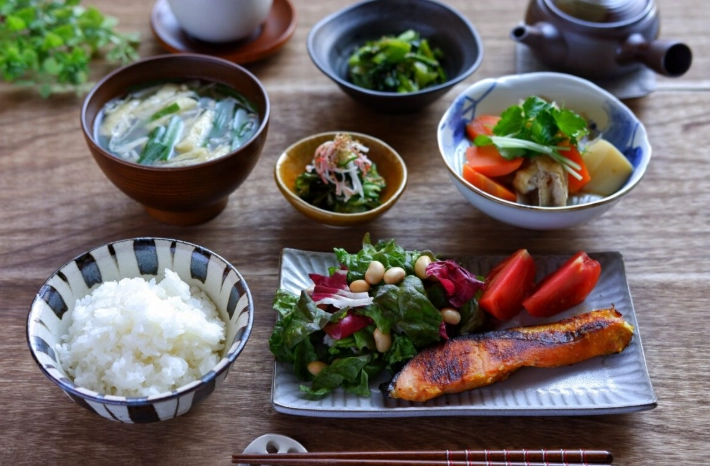
Reader Comments