Let's be honest. We've all had that instant ramen packet at 2 a.m. It hits the spot in a pinch, but it's a world away from the rich, complex, soul-warming bowl you get at a good ramen shop. The good news? You don't need a chef's hat or a kitchen full of exotic equipment to make amazing ramen noodles at home. You just need to understand a few key principles. This guide will walk you through the entire process, from building a deeply flavorful broth to assembling the perfect bowl. Forget the mystery—let's make real ramen.
What's Inside This Guide?
- The Ramen Mindset: It's All About the Broth
- Essential Ingredients for Homemade Ramen
- How to Make Rich Ramen Broth from Scratch
- Cooking the Noodles: The Most Common Mistake
- Toppings and Final Assembly
- Quick Variations for Busy Weeknights
- Pro Tips from a Decade of Trial and Error
- Your Ramen Questions, Answered
The Ramen Mindset: It's All About the Broth
Most beginners think ramen is about the noodles. It's not. The soul of the dish is the broth. A great ramen broth is a layered, umami-bomb built from patience and good ingredients. According to a report by Japan's Ministry of Agriculture, Forestry and Fisheries, the pursuit of the perfect broth is what defines regional ramen styles across the country. Think of it as building a flavor foundation. We'll start with a simple, incredibly effective chicken-based broth (tonkotsu-style, but simpler) that forms the base for countless variations.
I used to rush this part. Big mistake. Simmering for a few hours isn't optional—it's where the magic happens. The collagen breaks down, flavors concentrate, and you get that silky, mouth-coating texture.
Essential Ingredients for Homemade Ramen
You don't need a hundred things. Focus on these core components. I've broken them down by their role in the final bowl.
| Component | Key Ingredients | Why It Matters |
|---|---|---|
| The Broth | Chicken bones (wings, backs, feet), pork bones (optional), onion, garlic, ginger, green onion whites, kombu (dried kelp), dried shiitake mushrooms. | Bones provide collagen for body. Kombu and shiitake add a deep, savory umami that salt alone can't achieve. |
| The Tare (Seasoning Sauce) | Soy sauce, mirin, sake, a bit of sugar. (Alternative: miso paste or salt-based shio tare). | This is the flavor powerhouse added to each bowl. It seasons the broth. Never skip making a proper tare. |
| The Noodles | Fresh or dried ramen noodles (look for "alkaline noodles" or "kansui" in ingredients). Chukamen-style works great. | Alkaline water (kansui) gives ramen its signature springy, yellow texture. Don't use Italian pasta or soba. |
| The Toppings | Chashu (braised pork belly), soft-boiled egg (ajitsuke tamago), menma (bamboo shoots), nori (seaweed), corn, bean sprouts, green onions. | Toppings add texture, flavor bursts, and visual appeal. They're the customizable fun part. |
| The Aroma Oil | Rendered chicken fat, garlic oil, or toasted sesame oil. | A thin layer of flavored oil on top seals in heat and adds a final aromatic punch. Often overlooked by home cooks. |
You can find most of these at a well-stocked Asian supermarket. For online sourcing, sites like The Ramen Rater's recommended shops or Serious Eats often have guides to reputable vendors.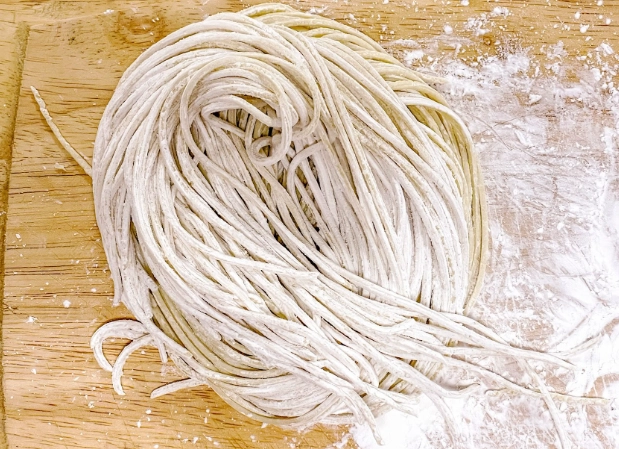
How to Make Rich Ramen Broth from Scratch
Here's my go-to method for a clear, flavorful chicken paitan-style broth. It's forgiving and delivers fantastic results.
Step 1: Blanch the Bones. This is non-negotiable. Put 2-3 lbs of chicken bones (wings are perfect) in a large pot, cover with cold water, and bring to a boil. Let it roll for 5-10 minutes. You'll see greyish scum rise. Drain, rinse the bones and the pot thoroughly. This step removes impurities and ensures a clean-tasting, clear broth. Skipping it gives you a murky, funky soup.
Step 2: The Long Simmer. Return the cleaned bones to the pot. Add a halved onion, a knob of smashed ginger, 4-5 crushed garlic cloves, the white parts of 2-3 green onions, and one piece of kombu (about 4x4 inches). Cover with about 4 quarts of fresh water. Bring to a bare simmer—just a few lazy bubbles breaking the surface. Do not let it boil vigorously. Cover partially and let it go for at least 4 hours. 6-8 is even better. Top up with hot water if it reduces too much.
Step 3: Strain and Season. Carefully strain the broth through a fine-mesh sieve or cheesecloth. Discard the solids. You now have your master stock. Season it lightly with salt, but remember, the intense seasoning comes from the tare added to each bowl.
Making the Tare (Soy Sauce Seasoning)
While the broth simmers, make the tare. In a small saucepan, combine 1 cup soy sauce, 1/2 cup mirin, 1/4 cup sake, and 2 tablespoons sugar. Bring to a gentle simmer for 10 minutes to cook off the alcohol and meld flavors. Let it cool. This keeps in the fridge for weeks.
Cooking the Noodles: The Most Common Mistake
This is where I see even ambitious home cooks fail. They treat ramen noodles like spaghetti.
Do not cook the noodles in the broth. Ever. You'll cloud your beautiful, clear broth with starch and overcook the noodles by the time you eat. Always cook noodles separately in a large pot of rapidly boiling, unsalted water. Fresh noodles take 1-2 minutes. Dried noodles take 3-4. Check the package, but start tasting 30 seconds before the suggested time.
The goal is al dente with a firm, springy bite. They will continue to soften slightly in the hot broth. Immediately drain and give them a quick shake. Some people rinse briefly to stop cooking, but I prefer a light toss in a drop of neutral oil to prevent sticking if I'm not assembling bowls immediately.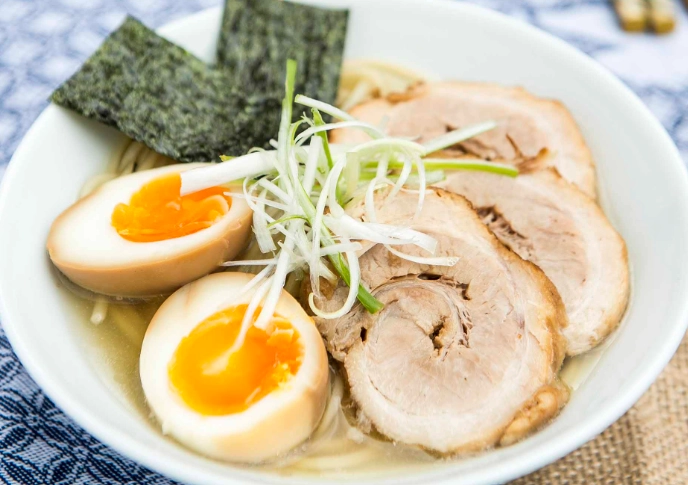
A Pro's Noodle Trick
When your water is boiling, before adding noodles, scoop out a ladleful and set it aside. This "noodle water" is starchy and slightly alkaline. If your final assembled broth is too strong or salty, a splash of this noodle water can perfect the consistency and flavor, mimicking how ramen shops adjust bowls. It's a game-changer.
Toppings and Final Assembly
Assembly is sequential and matters for temperature and texture.
- Warm Your Bowl. Pour hot water into your serving bowl, swirl, and empty it. A cold bowl cools the soup too fast.
- Add the Tare. Put 2-3 tablespoons of your homemade tare in the bottom of the warm bowl. This is your flavor base.
- Ladle the Broth. Pour in about 1.5 to 2 cups of your piping hot broth. Use a whisk or chopsticks to quickly mix it with the tare.
- Add the Noodles. Gently place your cooked, drained noodles into the broth. Don't stir them in completely; let them sit partly submerged.
- Arrange Toppings. Place your toppings neatly on one side of the bowl. Classic arrangement: 2 slices of chashu, a halved soft-boiled egg (marinated in soy-mirin if possible), a few pieces of menma, a rectangle of nori pressed against the side of the bowl, a small pile of chopped green onions.
- The Finishing Touch: Drizzle about a teaspoon of your aroma oil (like garlic-infused chicken fat) over the surface. This is the final aroma hit.
Serve immediately. Eat the noodles quickly while they're still firm, and drink the broth with a spoon.
Quick Variations for Busy Weeknights
Don't have 6 hours? Here are legitimate shortcuts that don't sacrifice all flavor.
The Pressure Cooker Broth: Follow the blanching step, then put everything in an Instant Pot or pressure cooker. Cover with water (about 3 quarts). Cook on high pressure for 1.5 to 2 hours. Natural release. The result is incredibly rich and milky in a fraction of the time.
The Supercharged Store-Bought Base: Start with a good-quality, low-sodium chicken stock (like the ones from the refrigerated section). Simmer it with a piece of kombu, a dried shiitake, and some smashed ginger for 30 minutes. Strain. It's not as deep as a bone broth, but it's miles ahead of plain stock and works in a pinch. The tare is still essential here.
Miso Ramen in 20 Minutes: Sauté some ground pork with minced garlic and ginger. Add a big spoonful of red or white miso paste and cook for a minute. Pour in your shortcut broth. Let it simmer for 10 minutes. Cook noodles separately, assemble with quick toppings like corn and green onion. This is my weeknight savior.
Pro Tips from a Decade of Trial and Error
- Eggs are a project. For the perfect ajitsuke tamago (marinated egg), steam eggs for 7 minutes for a runny yolk, not boil. Immediate ice bath. Peel and marinate in a 1:1:1 mix of soy sauce, mirin, and water for 6-12 hours. Overnight is perfect.
- Chashu doesn't need to be perfect. Instead of rolling and tying pork belly, just braise slabs of it in soy, sake, sugar, and water for 1.5 hours. Slice after chilling. It's easier and just as delicious.
- Fat is flavor, not the enemy. Don't skim all the fat from your broth. That fat carries flavor and creates the essential aroma oil layer. A lean ramen broth is often a sad one.
- Your biggest tool is patience. Letting the broth do its thing, not rushing the simmer, is what separates good from great. Put on a movie, check it occasionally.
Your Ramen Questions, Answered
Can I make ramen broth in a slow cooker?
You can, but with a caveat. A slow cooker often doesn't get hot enough to achieve a vigorous simmer, which is needed to properly break down collagen and emulsify fats into the broth (for a tonkotsu-style creamy result). For a clear chicken broth, it works on high for 8-10 hours after blanching. For pork bone broth aiming for creaminess, a stovetop simmer or pressure cooker is more reliable.
What's the one topping I shouldn't skip if I'm short on time?
The marinated soft-boiled egg. It takes minimal active time (mostly marinating in the fridge) and adds a luxurious, rich element that makes the bowl feel complete. A bowl with a perfectly runny, soy-seasoned yolk feels restaurant-quality. Second place goes to a simple scallion garnish—it adds necessary freshness.
My homemade broth tastes bland even after hours. What did I do wrong?
You probably under-salted or didn't use enough umami builders. Remember, the unseasoned broth is just a base. Its power is unlocked by the concentrated tare. Before declaring it bland, mix a spoonful of broth with a few drops of your tare and taste. It should transform. If it's still weak, next time add more dried mushrooms, a second piece of kombu, or even a small handful of bonito flakes during the last 10 minutes of simmering for an extra flavor layer.
Can I use spaghetti or udon noodles in a pinch?
I wouldn't recommend spaghetti—the flavor and texture are all wrong. Udon is a better emergency substitute in a miso or shoyu broth because it's also a wheat noodle, but it's thick, chewy, and neutral-tasting. It won't be ramen, but it can be a tasty noodle soup. For something closer, look for "wonton noodles" or fresh alkaline Chinese egg noodles in the refrigerated section of an Asian market—they're often a closer cousin to ramen noodles.
How do I store leftover broth and how long does it last?
Strain and cool the broth completely, then store it in airtight containers. In the fridge, it'll last 4-5 days. For longer storage, freeze it. I freeze mine in 2-cup portions (about one bowl's worth) in freezer bags laid flat. The fat will rise and solidify; just remelt it all together when reheating. The flavor often improves after a day in the fridge.
Reader Comments