Quick Navigation
Let's be honest, most of us have a bottle of soy sauce tucked away in the pantry. For years, mine was just that—a generic, salty condiment I'd splash into stir-fries without a second thought. It wasn't until I ruined a delicate chawanmushi (savory egg custard) by using my dark, heavy all-purpose soy sauce that I realized there was a whole world I was missing. That moment sent me down a rabbit hole, talking to chefs, reading old texts from the Japan Soy Sauce Brewers Association, and tasting more soy sauce than I thought possible.
What I found changed my cooking. Japanese soy sauce, or shoyu, isn't a single product. It's a spectrum of flavors, from light and sweet to dark and intense, each with a specific purpose and history. This isn't about making things complicated; it's about unlocking a layer of flavor that can make the difference between a good dish and a great one. So, if you've ever wondered why your homemade teriyaki doesn't taste like the restaurant's, or what that "tamari" bottle next to the regular soy sauce is for, you're in the right place.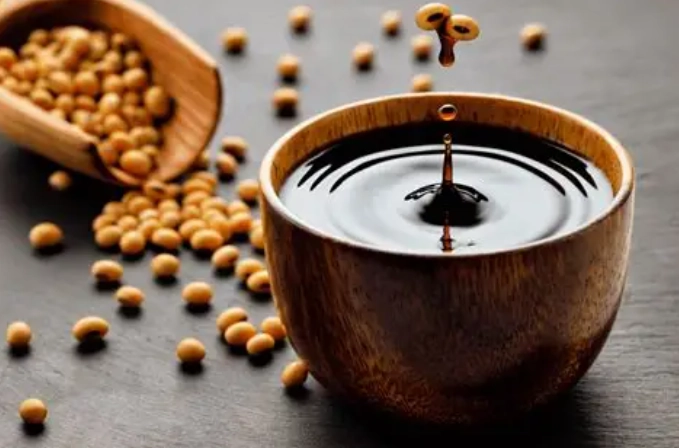
The Big Five: Understanding the Main Types of Japanese Soy Sauce
Walk down the aisle of an Asian grocery store, and the variety can be paralyzing. I remember just grabbing the one with the most familiar label. But knowing these five main types is your cheat sheet. They're categorized mainly by color, flavor, and how they're made.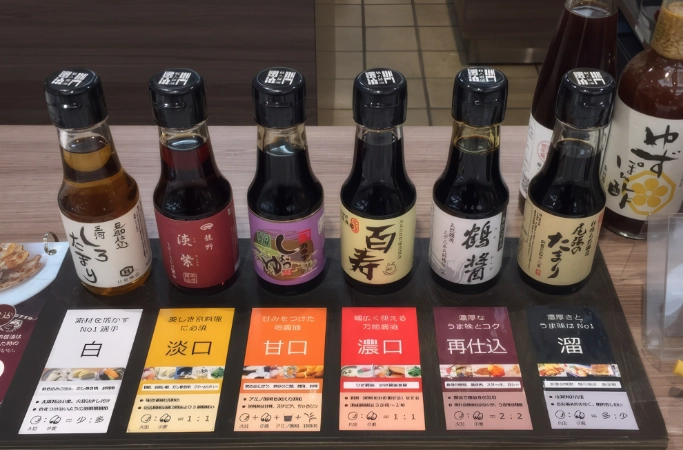
| Type (Japanese Name) | Color & Consistency | Flavor Profile | Best Uses | My Go-To Brand* |
|---|---|---|---|---|
| Koikuchi (Dark Soy Sauce) | Deep brown, translucent | Well-balanced salty & umami, slight sweetness | All-purpose: marinades, stews, dipping, cooking. Your "default." | Kikkoman (Honjozo) |
| Usukuchi (Light Soy Sauce) | Thinner, lighter amber | Saltier (!), less umami, designed to season without darkening | Clear soups, simmered dishes, pickles, seafood, anything where color matters. | Yamasa |
| Tamari | Very dark, slightly thicker | Rich, deep umami, less salty, often little to no wheat | Dipping sauce for sashimi/sushi, glazes, for those with wheat sensitivities. | San-J (Organic Tamari) |
| Saishikomi (Twice-Brewed) | Very dark, viscous, syrupy | Intensely rich, sweet, complex umami | Finishing sauce, premium dipping (like for high-grade sashimi), not for general cooking. | Higashimaru Shiro Shoyu |
| Shiro (White Soy Sauce) | Very light yellow, thin | Sweet, mild, delicate umami | Delicate dishes like chawanmushi, dressings for white veggies, clear broths. | Higashimaru Shiro Shoyu |
*These are personal preferences based on availability and taste, not sponsored endorsements. Your favorite might be different!
The big surprise for most people is usukuchi. It's called "light" because of its color, but it's actually saltier than koikuchi! Brewers use more salt and sometimes add sweet rice wine (mirin) to prevent darkening, resulting in a high-salt, light-color sauce. I made the mistake of using it like regular soy sauce once and nearly blew out my taste buds. Lesson learned.
Tamari is the other one that causes confusion. It originated as the liquid byproduct of making miso paste and traditionally had little wheat. Today, many brands market it as a gluten-free Japanese soy sauce alternative. While it's great for that, its flavor is distinct—less sharp, more rounded and mellow. It's my secret weapon for adding depth to vegan mushroom gravies.
What's the Deal with "Honjozo" vs. "Chemical" Soy Sauce?
This is where quality diverges sharply. The label is your friend.
- Honjozo (本醸造): This is the traditional, naturally fermented method. The process takes months. The flavor is complex, layered, and worth the price. Look for this word on the label.
- Aminosanekikongou (アミノ酸液混合) or just "Amino Acid": This indicates a chemically hydrolyzed sauce. Proteins are broken down with acids in days, not months. The result is a one-dimensional, harshly salty liquid often blended with some real brew. It's cheap and common in budget brands or packets from takeout. The taste is flat, and honestly, it can give Japanese soy sauce a bad name.
How to Actually Use Japanese Soy Sauce in Your Kitchen
Knowing the types is half the battle. Using them right is the other half. It's not just "add soy sauce for salt." Think of it as adding umami, color, and a specific fermented note.
1. Cooking (The Heat Zone)
This is where most of us start. A splash in a stir-fry, a glug in a stew.
- Koikuchi is your safe, all-purpose workhorse here. It provides a balanced base. Add it during cooking to let its flavor meld.
- Usukuchi is for when you want seasoning but need to keep things pale. Think potato stew, white fish poaching liquid, or a clear chicken soup. Don't be heavy-handed!
- Tamari works well in hearty, long-cooked dishes like braises where its deep umami can shine.
A chef friend once told me, "Soy sauce is not just an ingredient; it's a timer." Adding it at the end of cooking gives a brighter, saltier punch. Adding it earlier allows the flavor to deepen and integrate. Try it both ways.
2. Dipping & Finishing (The No-Heat Zone)
This is where premium soy sauces earn their keep. Since heat isn't dulling the flavor, you taste every note.
- For sushi and sashimi, a light, high-quality koikuchi or tamari is perfect. Some purists even dilute it slightly with dashi or water. Never drown the fish!
- Saishikomi is a luxury here. A few drops on a piece of fatty tuna is a revelation. It's too rich and sweet for cooking but sublime as a finisher.
- Shiro shoyu makes an incredible dressing for a delicate cabbage salad or steamed asparagus.
3. Marinating & Curing
The salt and enzymes in soy sauce make it a brilliant meat and fish tenderizer.
- Koikuchi is classic for teriyaki marinades (mixed with mirin and sake).
- For a quicker, lighter marinade on fish like salmon, a mix of usukuchi and citrus works wonders without turning the surface grey.
- Be careful with marinating times. Japanese soy sauce is powerful. Thirty minutes to an hour is often enough for chicken or fish. Overnight can make meat taste cured and overly salty.
How to Choose a Good Bottle: A Practical Guide
Faced with a wall of options, here’s what I look at, in order of importance.
- The Label - "Honjozo" is Key: This is my non-negotiable first filter. I want naturally brewed flavor.
- Ingredient List: It should be short: soybeans, wheat, salt, water. Maybe koji (aspergillus oryzae). Avoid bottles with additives like caramel color (カラメル色素), flavor enhancers (like glycine), or preservatives (sodium benzoate).
- Salt Content: This varies! Koikuchi is usually around 16% sodium. Usukuchi can be 18-19%. Lower-sodium versions exist (減塩), but taste them first—they can be bland. The official Japanese Agricultural Standard (JAS) information, which you can often find referenced on brewery sites or through the Japanese Ministry of Agriculture, Forestry and Fisheries (MAFF), sets these categories.
- Packaging: Dark glass bottles are best to protect from light. Avoid clear plastic if you can. Once opened, it's all about how you store it (more on that below).
- Price Point: A very cheap large bottle is almost certainly chemically hydrolyzed. A mid-range, honjozo bottle from a known brewer like Kikkoman, Yamasa, or Higashimaru is a fantastic everyday choice. The super-expensive artisanal ones are for special occasions.
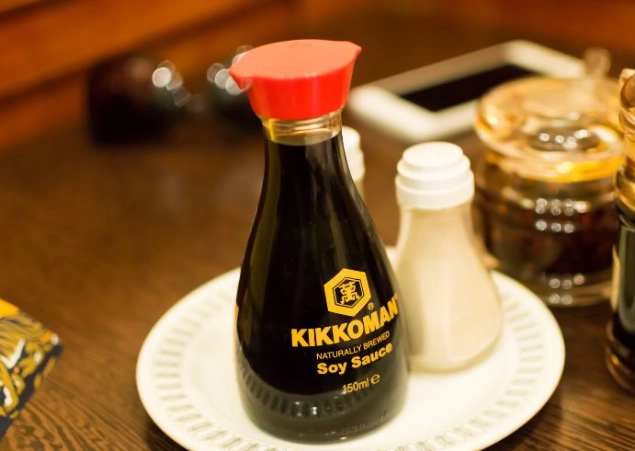
Storing Your Soy Sauce: Don't Just Leave It on the Counter
This matters more than you think. Soy sauce is a live, fermented product. Heat and light are its enemies.
- After opening, store it in the refrigerator. Full stop. This dramatically slows down oxidation and flavor degradation. It might get a little thicker when cold, but that's fine.
- Keep it in its original dark bottle or transfer it to a dark glass container.
- It won't "spoil" in a dangerous way if left out, but it will lose its vibrant flavor, darken excessively, and eventually taste stale and flat. I learned this after a bottle left by the stove for months turned into a harsh, one-note shadow of its former self.
Answering Your Soy Sauce Questions (FAQ)
These are the things people actually search for, based on forums, questions I get, and my own initial confusion.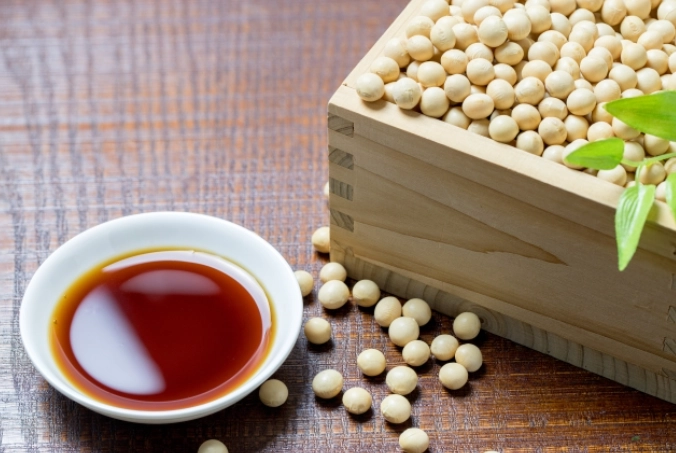
Can I substitute Chinese soy sauce for Japanese?
You can, but expect a different result. Chinese light soy sauce is closer to Japanese usukuchi (salty, light color). Chinese dark soy sauce is thicker, sweeter, and used primarily for color. They have different flavor profiles due to different brewing traditions and ingredients. In a pinch, for cooking, you can swap, but for dipping or a Japanese-specific dish, try to get the real thing. The flavor of a true Japanese soy sauce is distinct.
Is Japanese soy sauce healthier?
Not necessarily "healthy," as it's high in sodium. However, naturally fermented honjozo soy sauce contains antioxidants and beneficial compounds formed during fermentation that the chemical version lacks. Some studies, like those referenced by the Japan Soy Sauce Brewers Association, highlight these. But it's still a condiment to be used in moderation. The health benefit is in choosing a product with simpler, natural ingredients over a chemical-laden one.
What's the best gluten-free option?
Authentic tamari is your best bet, as it's traditionally made with little or no wheat. However, you must read the label carefully. Some modern tamari brands include wheat. Look for bottles explicitly labeled "gluten-free." San-J is a widely available and reliable brand for certified gluten-free tamari.
Can kids eat food with soy sauce?
The primary concern is the high sodium content. It's fine to use small amounts in family cooking, but be mindful of the total salt in the dish. Avoid letting them use it as a free-pouring dipping sauce. Also, soy is a common allergen, so introduce it with care for young children.
Does light soy sauce have less sodium?
This is the biggest trick! No. As we covered, usukuchi (light color) soy sauce typically has MORE sodium than regular koikuchi. It's designed that way. If you want less sodium, look for bottles specifically labeled "low-sodium" or "減塩 (gen'en)."
Taking It Further: Beyond the Supermarket Shelf
If you get hooked (like I did), there's a deeper world out there.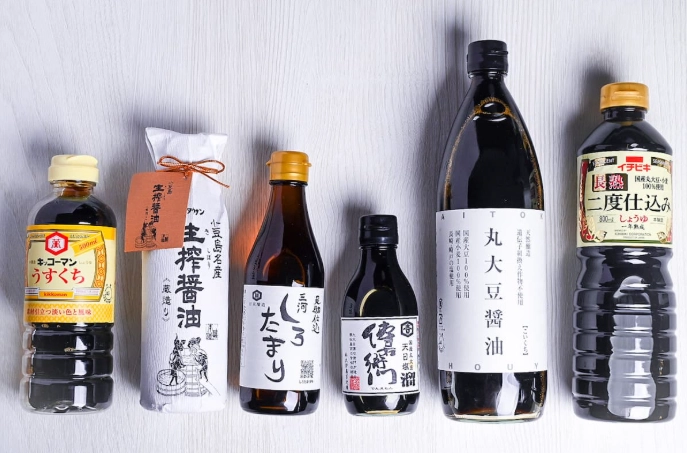
Artisanal & Regional Soy Sauces: Just like wine has terroir, so does soy sauce. Different regions of Japan have microbreweries (jizake breweries, but for soy sauce) that use local ingredients and methods. A soy sauce from Shodo Island tastes different from one made in Chiba. These are sipping sauces, often aged for years, with price tags to match. A drop on vanilla ice cream? Surprisingly amazing.
Visiting a Brewery: If you ever travel to Japan, a visit to a traditional shoyu brewery is unforgettable. The smell of the koji rooms, the sight of giant cedar vats, and the taste of freshly pressed shoyu is an experience. It cements why this stuff is so special.
So, the next time you reach for that bottle, take a second to look at it. Is it koikuchi or usukuchi? Is it honjozo? Storing it in the fridge? Using it at the right time? These small shifts in knowledge and practice are what elevate home cooking. It transformed mine from a salty afterthought to one of the most valued and versatile players in my kitchen. Give one new type a try this week—maybe a tamari for dipping or a usukuchi for a clear soup—and taste the difference for yourself.
Reader Comments