Let's be honest. The plastic-packaged instant miso soup mix you get at the grocery store? It's a sad, salty ghost of the real thing. And your own attempts might end up tasting like warm, vaguely soy-sauce flavored water with floating tofu cubes. I've been there. For years, my miso soup was missing that deep, soul-warming, savory heart that you get from a good Japanese restaurant. It wasn't until I spent a summer helping in a Kyoto ryokan's kitchen that I realized I was missing the entire foundation. This isn't just soup; it's a lesson in umami.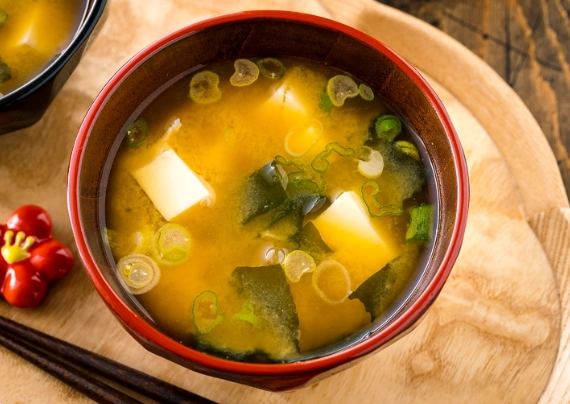
What's Inside This Guide
The One Step You're Probably Skipping (The Dashi Foundation)
This is the non-negotiable secret. If you use plain water, you've already lost. Dashi is the clear, aromatic broth that forms the backbone of nearly all Japanese savory cooking. It's the source of that elusive fifth taste, umami. Think of it as the stage on which the miso performs.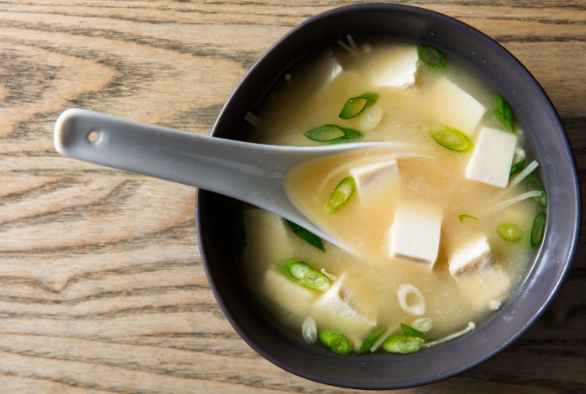
There are a few types, but for authentic, everyday miso soup, you want Awase Dashi (combined dashi). It uses two main ingredients:
- Kombu: Dried kelp. It lends a subtle, oceanic sweetness and glutamates for umami.
- Katsuobushi: Shaved, fermented, and smoked skipjack tuna bonito flakes. This adds a smoky, deeply savory, slightly fishy punch (in the best way).
Making it is surprisingly simple, but the timing is everything. It's about infusion, not boiling.
Quick Awase Dashi Recipe
For about 4 cups of broth: Wipe a 4x6 inch piece of kombu with a damp cloth (don't wash off the white powder—that's flavor!). Combine it with 4.5 cups of cold water in a pot. Let it soak for 30 minutes if you have time. Then, heat it on medium-low until small bubbles form at the edges—just before a full boil. Remove the kombu immediately. Now, add 1 cup (about 10g) of loosely packed katsuobushi flakes. Bring it to a bare simmer, then immediately turn off the heat. Let the flakes sink to the bottom (about 10 minutes). Strain gently through a fine-mesh sieve lined with cheesecloth or paper towel. Don't squeeze the flakes, or the broth will turn bitter.
Yes, you can use instant dashi granules or packets. Brands like Hondashi are ubiquitous in Japanese homes for a reason—they're fast and reliable. Purists might scoff, but on a busy Tuesday night, they're a lifesaver and miles better than water. Just watch the sodium content and choose one without MSG if you're sensitive.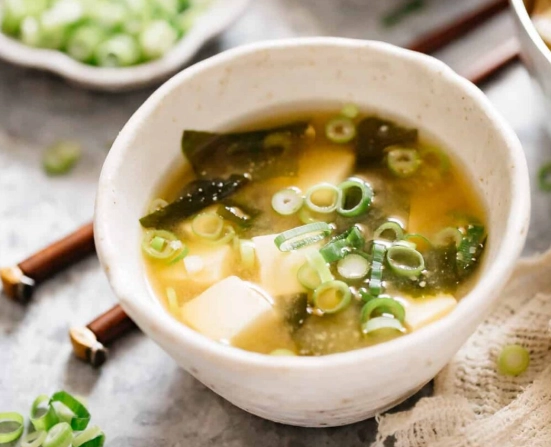
Navigating the Miso Aisle: Choosing Your Flavor Anchor
Walk into an Asian grocery store, and the miso selection can be paralyzing. It's not just "miso." It's a spectrum of fermented soybean paste, and the type you choose dictates the soup's personality.
| Miso Type (Color) | Key Characteristics | Fermentation Time | Best For |
|---|---|---|---|
| White Miso (Shiromiso) | Mild, sweet, slightly fruity. Made with more rice. | Shorter (weeks to months) | Light soups, dressings, marinades for fish. |
| Yellow Miso (Shinshu Miso) | Moderate saltiness, versatile, balanced umami. | Medium (several months to a year) | Great all-purpose miso for everyday soup. |
| Red Miso (Akamiso) | Deep, robust, salty, pungent. Made with more soybeans. | Long (1-3 years) | Hearty soups, stews, rich glazes. |
Here's the pro tip nobody tells beginners: Blend them. My go-to is a 3:1 ratio of yellow miso to red miso. The yellow gives a friendly, approachable base, and the red adds a complex, fermented depth that keeps you coming back for another sip. It's the difference between a flat note and a chord.
Look for unpasteurized, refrigerated miso in tubs. The shelf-stable stuff in plastic tubes is often pasteurized, which kills off the live, gut-friendly probiotics (those beneficial bacteria we want).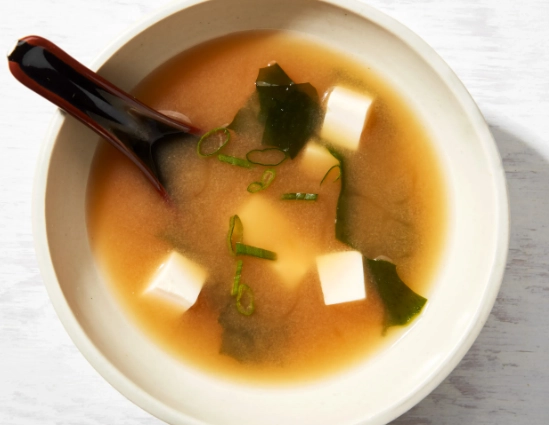
The Classic Recipe, Broken Down Step-by-Step
Let's make a basic, perfect Wakame and Tofu Miso Soup. This is your template. Serves 4.
Ingredients:
- 4 cups Awase Dashi (homemade or from granules)
- 4 tbsp miso paste (I recommend 3 tbsp yellow + 1 tbsp red, blended)
- 150g (about 5 oz) soft or medium-firm tofu, cut into ½-inch cubes
- 2 tbsp dried wakame seaweed
- 1-2 green onions, finely sliced
The Process:
First, hydrate your wakame. Put it in a small bowl and cover with warm water. In 5 minutes, it'll expand into lovely green ribbons. Drain and set aside.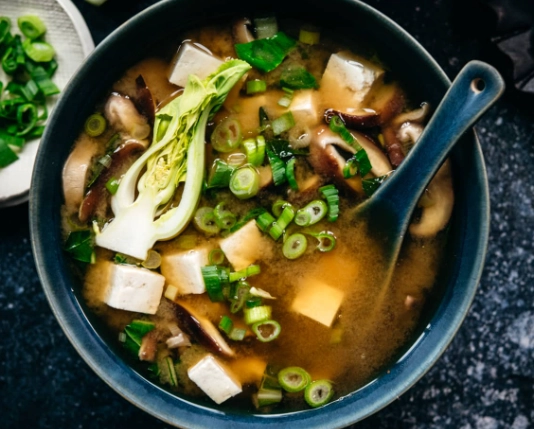
Heat your dashi in a saucepan over medium heat. You want it hot but not boiling. A gentle shimmer on the surface is perfect. Add the tofu cubes and let them warm through for 2-3 minutes.
Now, the critical miso-dissolving step. Never just plop the miso into the pot. Take a ladleful of the hot broth and put it in a small bowl. Add your miso paste to this bowl. Use a whisk, fork, or miso strainer (a handy little tool) to dissolve the miso completely into this ladle of broth until it's a smooth, lump-free slurry.
Turn off the heat under your soup pot. Stir in the hydrated wakame. Then, pour the dissolved miso mixture back into the pot. Stir gently to combine.
⚠️ The Golden Rule: DO NOT BOIL THE SOUP AFTER ADDING THE MISO. Boiling kills the delicate flavors, destroys the aroma, and nukes the probiotics. The residual heat is enough to warm it through perfectly.
Ladle into bowls, top with the fresh green onions, and serve immediately. That's it. The whole active process takes less than 10 minutes.
Why Your Soup Went Wrong: Common Mistakes & Fixes
I've made all these errors so you don't have to.
The Bland Soup: You used water, or your dashi was weak. Ensure you're using enough katsuobushi/kombu or the correct ratio of dashi granules. Also, you might be under-seasoning with miso. Taste at the end! The soup should be savory and flavorful, not just salty.
The Murky, Bitter Soup: You boiled the dashi with the kombu in it (releases sliminess and bitterness). Or you squeezed the katsuobushi flakes when straining (releases bitter compounds). Follow the gentle infusion method.
The Chunky, Uneven Soup: You didn't dissolve the miso properly. Always use a separate bowl or ladle with a bit of hot broth to make a smooth paste first.
The "Where's the Flavor?" Soup: You used only one type of mild miso. Blend for complexity. Also, consider your toppings—they add texture and bursts of flavor.
Beyond the Basics: Variations & Add-Ins
The classic is just the beginning. Miso soup is a fantastic fridge-cleaner. Add ingredients based on cooking time:
- Root Vegetables (add with dashi): Thin slices of carrot, daikon radish, or potato. Simmer in the dashi until tender before adding miso.
- Leafy Greens (add just before miso): Spinach, komatsuna, or chopped cabbage. They wilt in seconds.
- Mushrooms (sauté first for best flavor): Shiitake, enoki, or nameko mushrooms. Sauté briefly, then add dashi.
- Protein: Small clams (added to dashi until they open), thinly sliced pork (cook through in dasha), or a cracked egg swirled in at the end.
One of my favorite regional variations is Tonjiru, a hearty pork and vegetable miso soup. It's a meal in a bowl.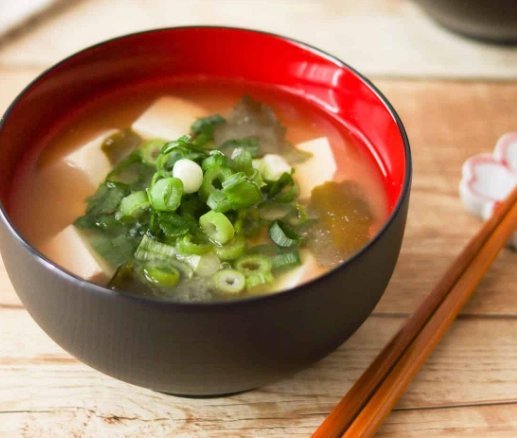
Your Miso Soup Questions, Answered
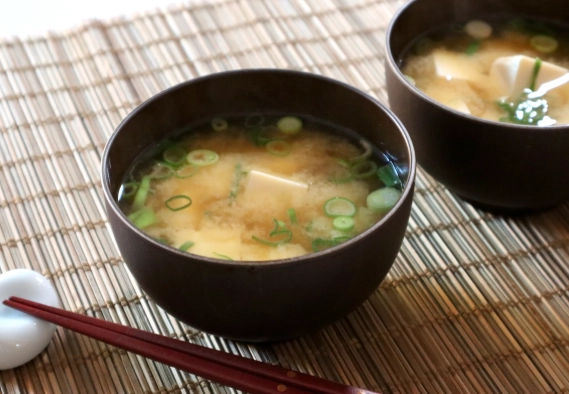
The beauty of miso soup is in its simplicity and depth. It's a daily ritual, a comfort food, and a testament to how a few humble, well-prepared ingredients can create something profound. Skip the shortcuts on the foundation. Respect the miso by keeping it off the boil. Play with flavors. Once you get this right, that instant powder will taste like what it is: a distant memory.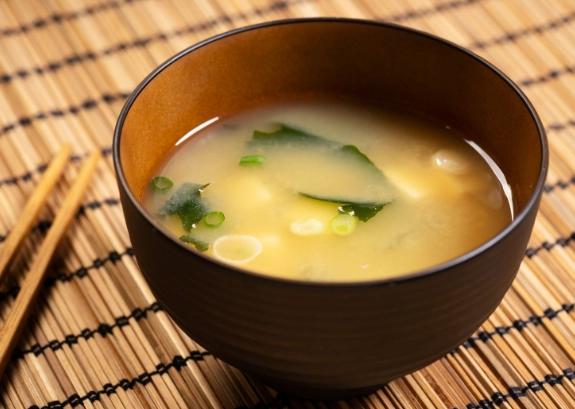
Reader Comments