You see it all over social media: a perfect, golden-brown slice of fried meat, sliced open to reveal a juicy, pink center. It's not chicken, it's not pork—it's gyukatsu, Japan's answer to the fried steak. But here's the thing most blogs don't tell you: not all gyukatsu is created equal. The difference between a forgettable meal and a mind-blowing one comes down to the cut of beef, the fry time, and yes, how you actually eat it. I've spent years hunting down the best spots in Tokyo and made every rookie mistake so you don't have to.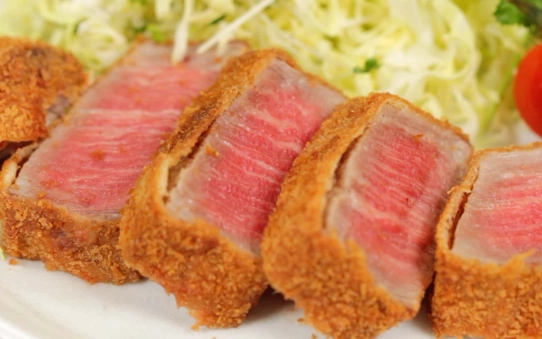
What is Gyukatsu and Why Is It So Popular?
Let's clear something up first. Gyukatsu (牛カツ) literally means "beef cutlet." It's a dish where a thin slice of high-quality beef (usually tenderloin or sirloin) is lightly breaded with panko and deep-fried for a very short time—often just 60 seconds. The goal is a shatteringly crisp exterior with a cool, red, or warm pink center. You then cook it further yourself on a small personal grill (often a hot stone or mini grill) at your table.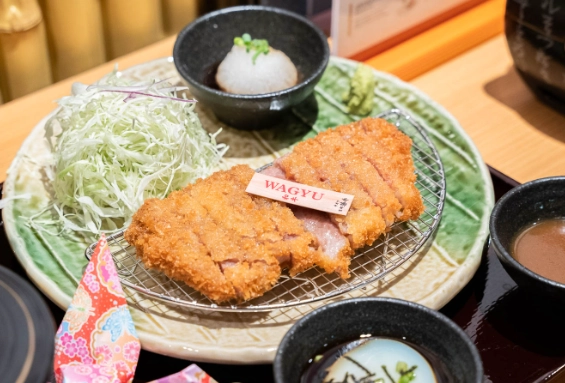
That's the magic. It's interactive, and you control the doneness. It plays with textures and temperatures in a way a fully cooked steak never could. The trend really took off in Tokyo in the last decade, with specialized shops popping up everywhere. It's a premium, quick, and incredibly satisfying meal that sits between a luxury steak dinner and casual comfort food.
Most people get it wrong by treating it like tonkatsu (fried pork). They slather it in thick, sweet sauce, which completely overpowers the delicate beef flavor. Or they cook it all the way through on the stone, turning that beautiful rare center into a well-done piece of meat, losing the point of the dish entirely.
Top 5 Gyukatsu Restaurants in Tokyo You Must Try
Location matters. A generic gyukatsu in a department store basement won't compare to a dedicated shop. Based on countless visits (and a few disappointments), here are the spots that consistently deliver. Be prepared to queue, especially at lunch.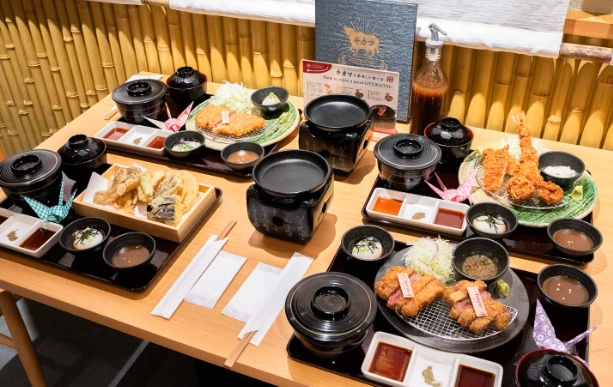
| Restaurant Name | Location / Nearest Station | Signature Style & Price Range | Why It's Special | Hours (Typical) |
|---|---|---|---|---|
| Gyukatsu Motomura (牛かつ もと村) | Multiple (Shibuya, Shinjuku, Ginza). Shibuya is the flagship. | Classic Tenderloin. Set menu from ~1,300 to 2,500 yen. | The chain that popularized gyukatsu. Reliable, high-quality, with unlimited barley rice, cabbage, and miso soup. The benchmark. | 11:00 - 22:00 (Last order 21:30). Lines are long. |
| Gyukatsu Ichi Ni San (牛かつ 一二三) | Shinjuku. Near Shinjuku-sanchome Station. | Thick-Cut Sirloin. Sets from ~1,800 yen. | Uses a thicker cut of sirloin for a beefier flavor and more substantial bite. The crust is extra crunchy. A favorite among locals. | 11:00 - 22:00. Smaller shop, expect a wait. |
| Gyukatsu MAWASHI (牛かつ まわし) | Ginza. Short walk from Ginza Station. | Premium Omakase Style. Course from ~4,000 yen. | High-end experience. Offers different cuts (like rump) in one course. Focus on pairing with specific salts and wasabi. Not for first-timers, but for enthusiasts. | 17:00 - 23:00 (Dinner only). Reservations highly recommended. |
| Gyukatsu Tonkatsu Shinjuku Saboten (牛かつとんかつ 新宿さぼてん) | Shinjuku. Inside Shinjuku Takashimaya. | Hybrid Menu. Gyukatsu set ~1,600 yen. | A famous tonkatsu joint that does gyukatsu well. Perfect if your group can't decide between pork or beef. The curry option is solid. | 11:00 - 22:00 (Mall hours). Slightly easier to get into. |
| Gyukatsu Kyoto Katsugyu (牛かつ 京都勝牛) | Multiple (Akihabara, Ueno, etc.). | Multiple Fry Styles. Sets from ~1,400 yen. | Originated in Kyoto. Known for its "8-second fry" method and offering multiple dipping sauces, including a unique wasabi soy sauce. Lighter batter. | 11:00 - 23:00. Often has ticket machines for queues. |
Note: Prices are for standard lunch sets and may vary. Always check the latest info before visiting.
A quick story about Motomura. My first time, I went to the Shinjuku branch at 3 PM on a Tuesday, thinking I'd beat the crowd. The line still snaked down the street. It took 45 minutes. Was it worth it? For that first, perfect bite of their melt-in-your-mouth tenderloin with a dab of fresh wasabi? Absolutely. But now I know the Akihabara branch often has a shorter wait. Little details like that matter.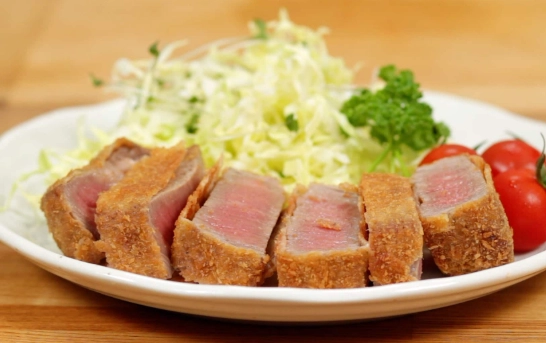
How to Eat Gyukatsu: The Step-by-Step Guide (Plus Expert Tips)
Your food arrives. Now what? Doing this wrong is the biggest missed opportunity. Follow this sequence to maximize flavor.
Step 1: Assess and Set Up
You'll get a plate of gyukatsu (usually 3-5 slices), a small grill or hot stone, a bowl of barley rice, miso soup, cabbage, and condiments. The condiments are key: grated wasabi, yuzu kosho (citrus pepper paste), and a small jug of soy sauce. Some places have unique sauces like ponzu or sesame.
Step 2: The First Bite (The Most Important)
Do not put the first piece on the grill. Take one slice, dip a corner very lightly in soy sauce, add a tiny bit of wasabi, and eat it as-is. This is your baseline. You taste the quality of the beef, the seasoning in the breading, and the perfect fry. It should be cool and soft inside. This is the flavor the chef intended.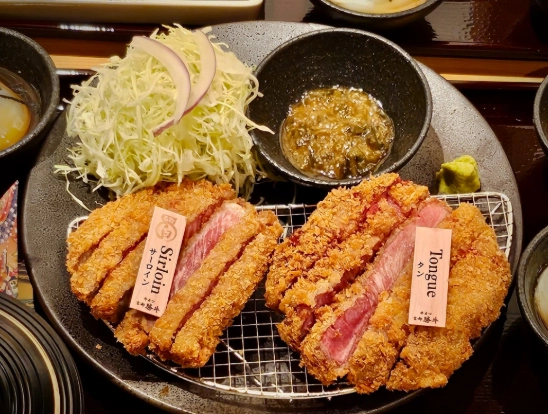
Step 3: The Interactive Grill
Now, take another slice and place it on the hot stone or grill. You'll hear a satisfying sizzle. Here's the expert nuance: don't cook it all the way through. Sear each side for just 5-10 seconds. You want to warm the meat slightly, add a hint of char, and make the crust even crispier. The center should still be pink. Cooking it to well-done defeats the purpose and can make it chewy.
Step 4: Sauce Experimentation
Try the grilled piece with different condiments. The classic combo is a mix of soy sauce and a good amount of fresh wasabi. Yuzu kosho adds a fantastic citrusy, spicy kick that cuts the richness. Some people love just a sprinkle of salt. Find your favorite. The cabbage and rice are there to cleanse your palate between rich, fatty bites.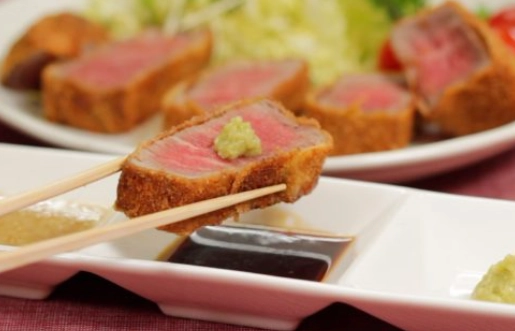
The biggest mistake I see? People drenching the entire piece in thick tonkatsu sauce. It's like putting ketchup on a fine ribeye—you lose the subtleties. Those thick sauces are for pork, which has a stronger flavor that can stand up to it. Beef, especially high-grade beef prepared this way, needs a lighter touch.
Gyukatsu FAQs: Your Questions Answered
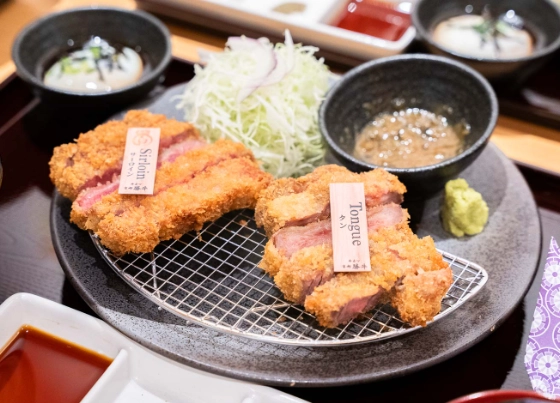
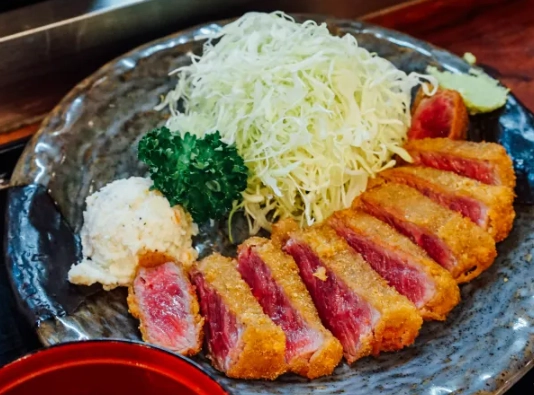
Gyukatsu is more than a meal; it's an experience. It combines the precision of Japanese cuisine with the primal pleasure of good beef. Skip the tourist traps, head to one of the spots listed, and remember the golden rule: taste it first before you grill. That first, unadulterated bite is what you came for.
For more on Tokyo's evolving food scene, resources like the Michelin Guide or local food blogs like Tokyo Table Trip often highlight new and noteworthy gyukatsu spots as they open.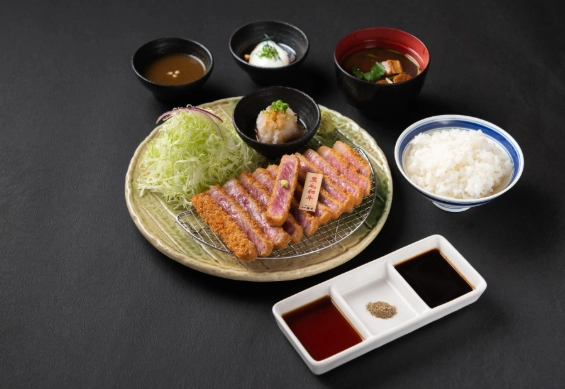
Reader Comments